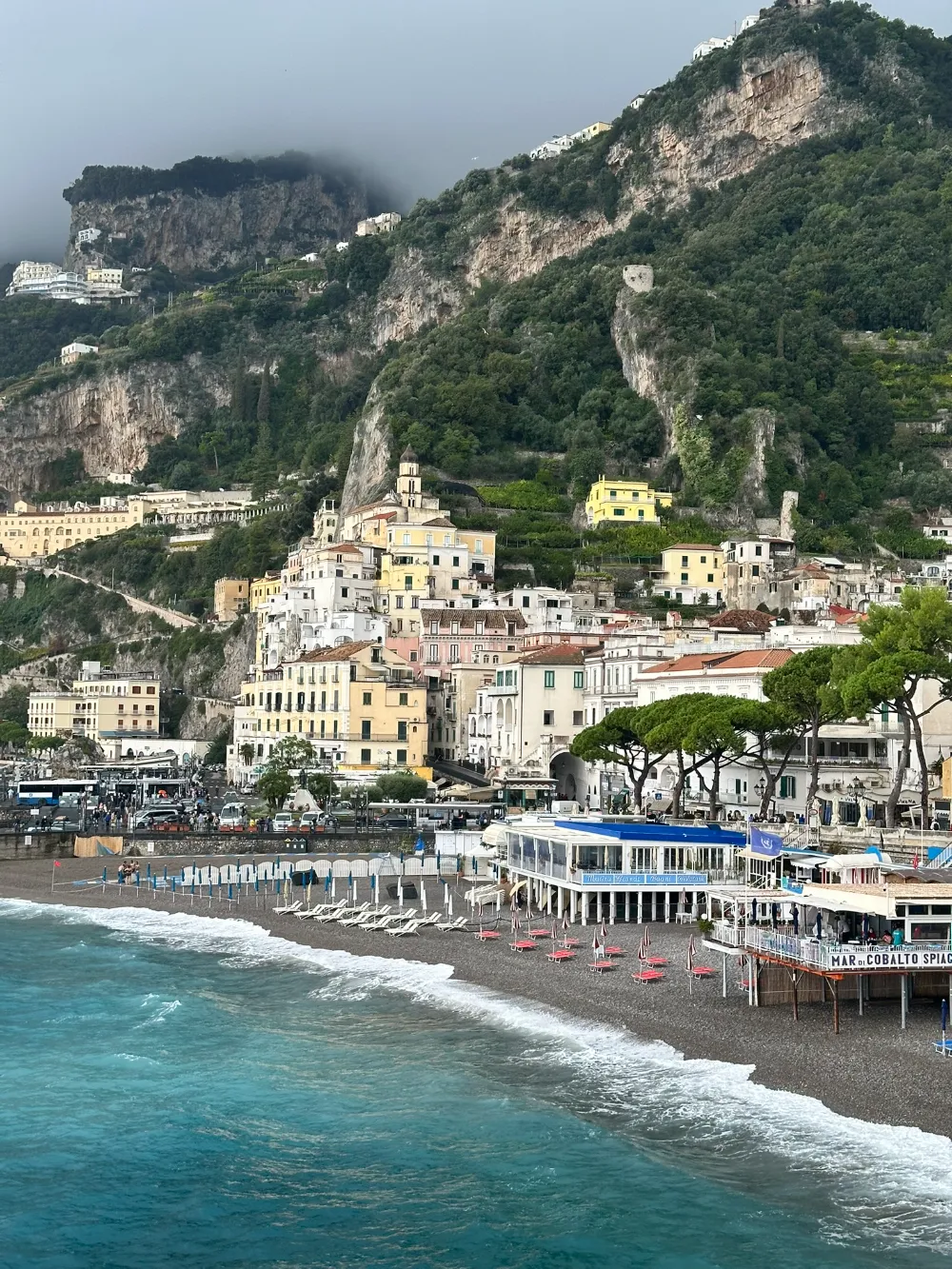
Choosing the perfect Amalfi Coast town depends entirely on your travel priorities: select Positano for high-octane glamour, nightlife, and iconic vertical views (best for couples willing to climb stairs); choose Ravello for a sophisticated, quiet hilltop retreat focused on music and gardens (best for adults seeking privacy); opt for Amalfi Town if you need a central transport hub with deep history; or pick Maiori/Minori for family-friendly convenience featuring flat promenades and the region's few sandy beaches.
For years, the Amalfi Coast has been a dream destination for so many of my clients planning their luxury vacations in Italy. Everyone comes with a vision the perfect view, the perfect room, the perfect place to take it all in. And then comes the question I hear almost every time: “Should we stay in Sorrento, Positano, Amalfi, or Ravello?”
I wish there were a simple answer. But the truth is, it depends on so many things, the purpose of your trip, how you like to experience a destination, your mobility, how much time you have, and yes, even the season and availability. Each of these towns has its own rhythm and personality. They may share the same breathtaking coastline, but they couldn’t be more different in mood and character. Choosing between them is a bit like choosing between four siblings, each beautiful, but each with a completely different temperament. So, let’s dive in and see which one might speak to you.
Sorrento: The Gateway to the Coast
Sorrento is often grouped together with the Amalfi Coast destinations, but technically, it’s not part of the Amalfi Coast at all. It actually sits on the opposite side of the Lattari Mountains, or, as locals call them, the “Milk Mountains”, facing the Bay of Naples rather than the Bay of Salerno.
The entire stretch we so casually refer to as “the Amalfi Coast” here in the U.S. is, in fact, the Sorrento Peninsula, divided in two by those same mountains: one side Sorrento, the other Amalfi.
If you’re flying in, Naples International Airport is the closest, and from there it’s about an hour’s drive to Sorrento. We always arrange a private driver for our clients, there’s no better way to start your Italian getaway than relaxing in the back seat while someone else navigates the winding roads (and the Italian traffic).
Sorrento is also the largest and most accessible of all these destinations, and that alone makes it very different from its coastal siblings. You’ll still enjoy dramatic sea views, but with far fewer logistical challenges than the true Amalfi Coast towns. Many hotels offer breathtaking vistas over the bay, though not all sit right on the cliff’s edge, so if that picture-perfect view is on your wish list, we make sure to note it in our consultation. (It’s one of those details that can make all the difference.)
Because of its size, Sorrento offers a wider range of accommodations, from boutique hotels to full-service luxury properties, making it suitable for different budgets without compromising charm. It’s also the most connected hub, easily reached by highway, ferry, and even train.



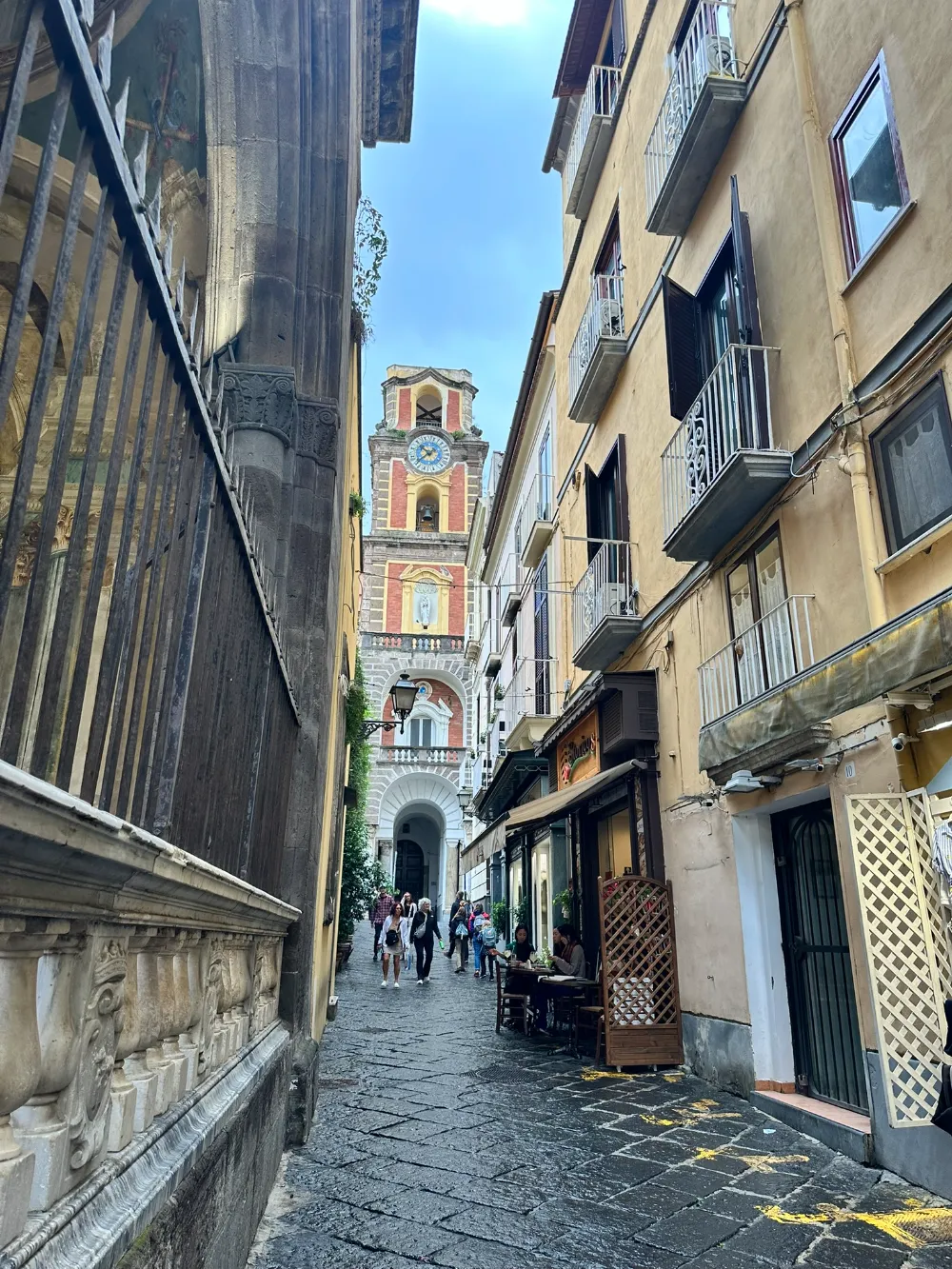
Daily Life, Details & Vibe
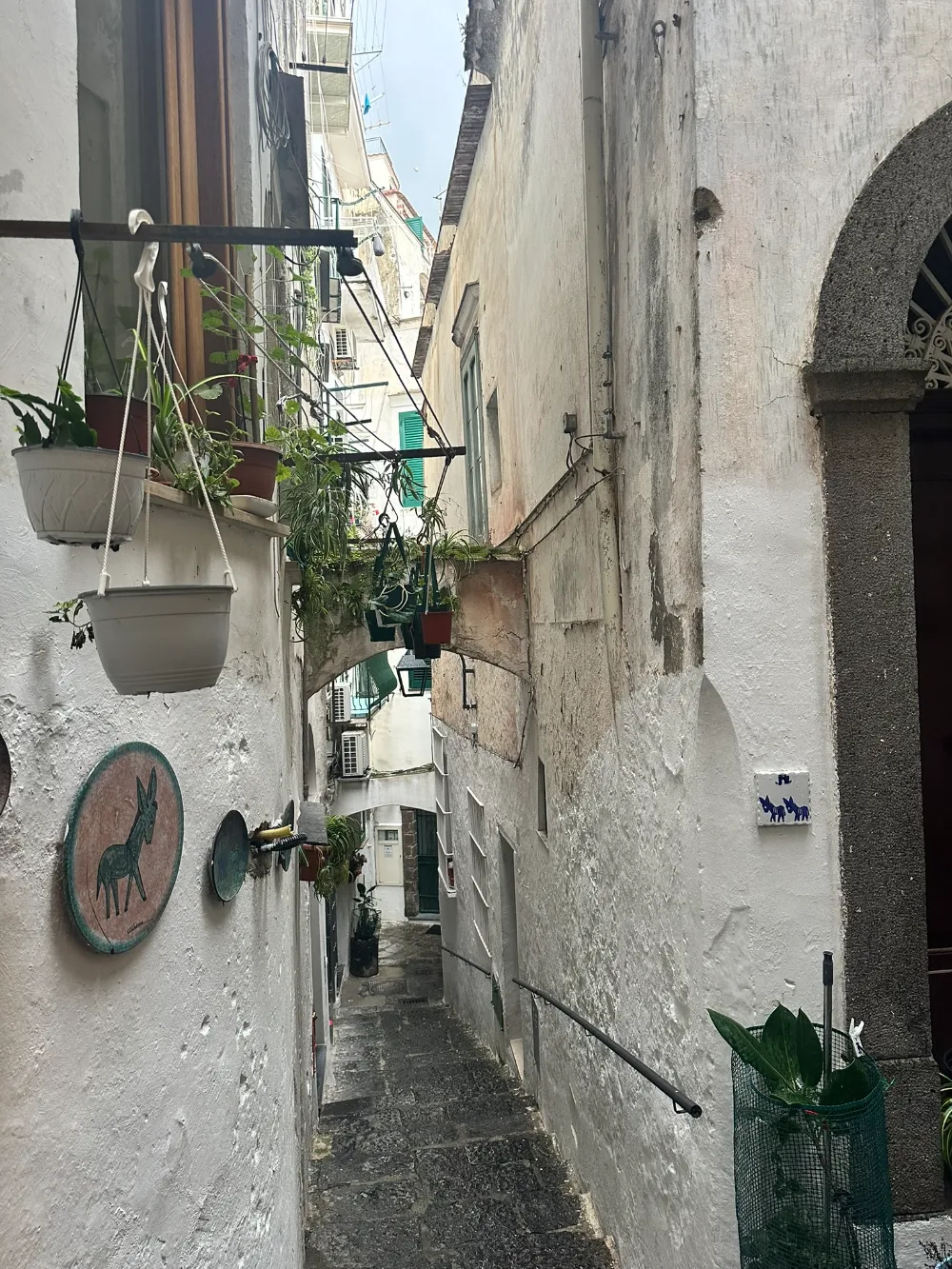
The historic center is lively and full of character, a maze of cobblestoned lanes lined with artisan shops, gelaterias, and cafés spilling into sunlit piazzas. Walking here is a joy, the terrain is mostly flat, a welcome change from the vertical climbs of Positano or Amalfi. And between sightseeing stops, you’ll find yourself happily indulging in limoncello tastings or sampling local treats. (I’ll admit, I went a little overboard with anything filled with pistachio cream, from spreads to cookies and even liqueur. It’s impossible not to.)
Sorrento also boasts lush lemon groves and gardens open for visitors, a wonderful way to slow down, breathe in the scent of citrus, and experience the simple pleasures of southern Italy.
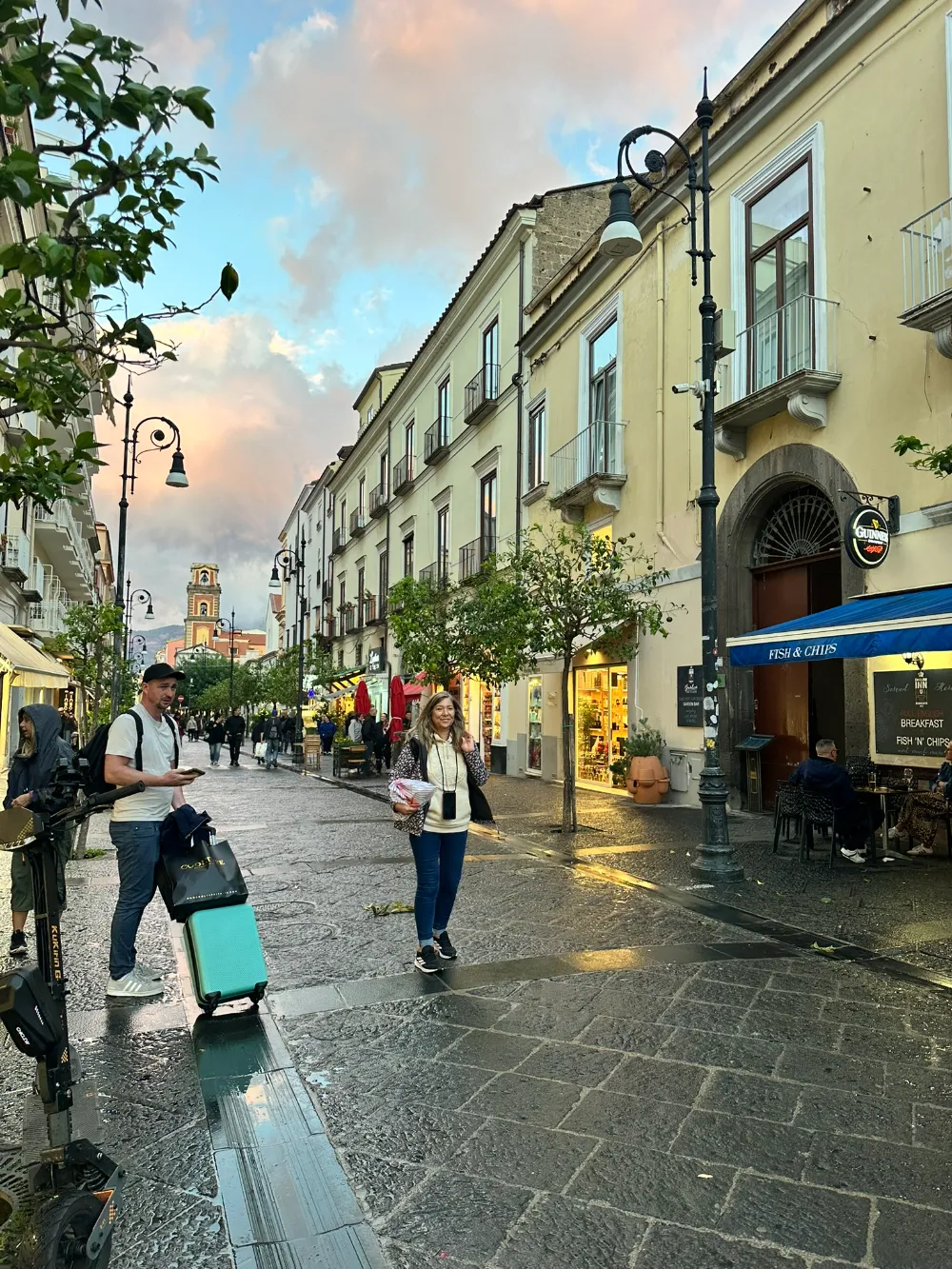
Think of Sorrento as a strategic base, perfect for exploring the Amalfi Coast, Capri, Ischia, Pompeii, or Naples, all within easy reach for day trips. And when the sun sets, the town comes alive. From live music in Piazza Tasso to elegant cliffside restaurants serving seafood pasta against a glittering backdrop of city lights, evenings here are full of atmosphere.
Sorrento truly suits everyone, but it’s especially ideal for first-time visitors to the region, families, and travelers who prefer gentler walks without sacrificing that quintessential coastal beauty.






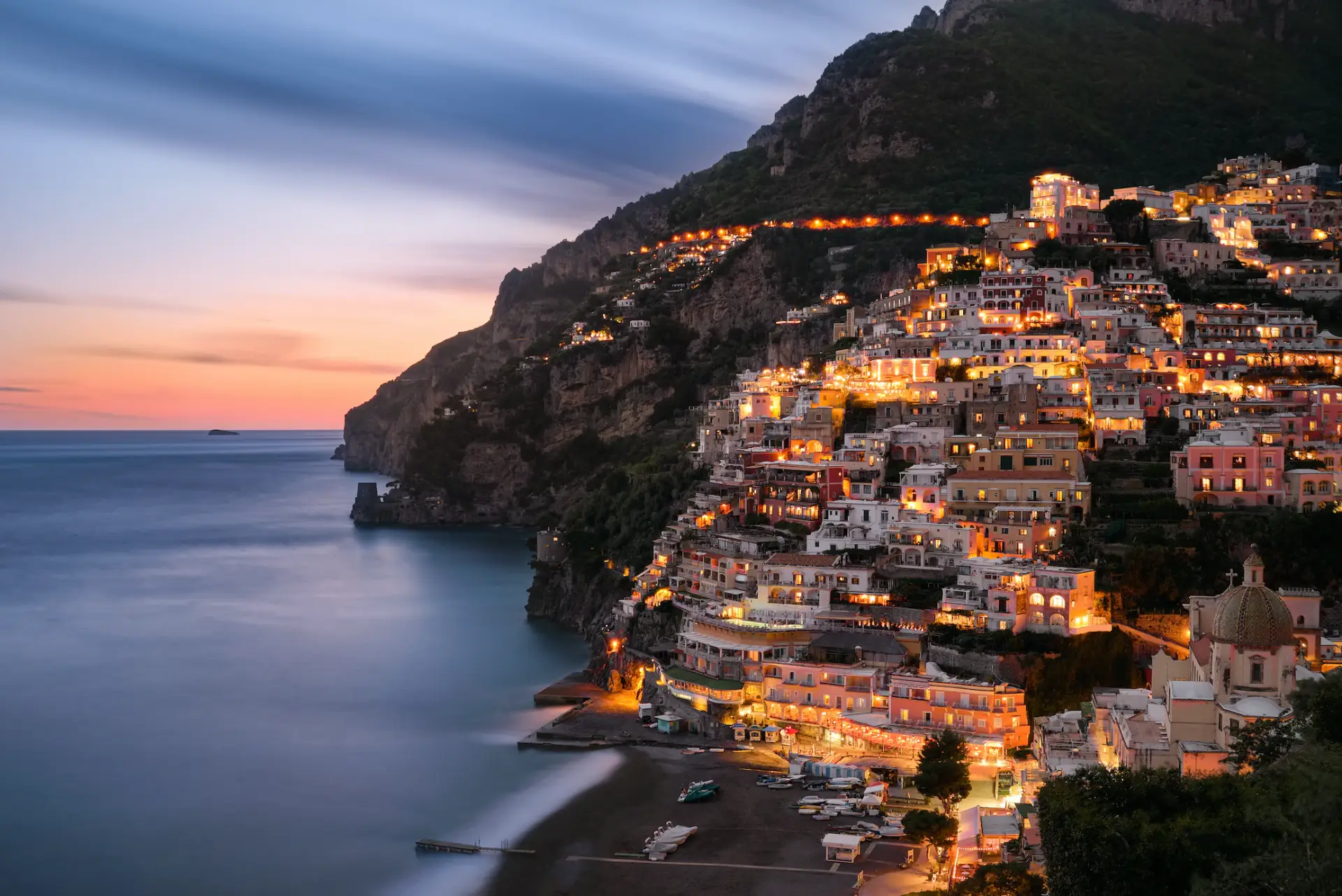
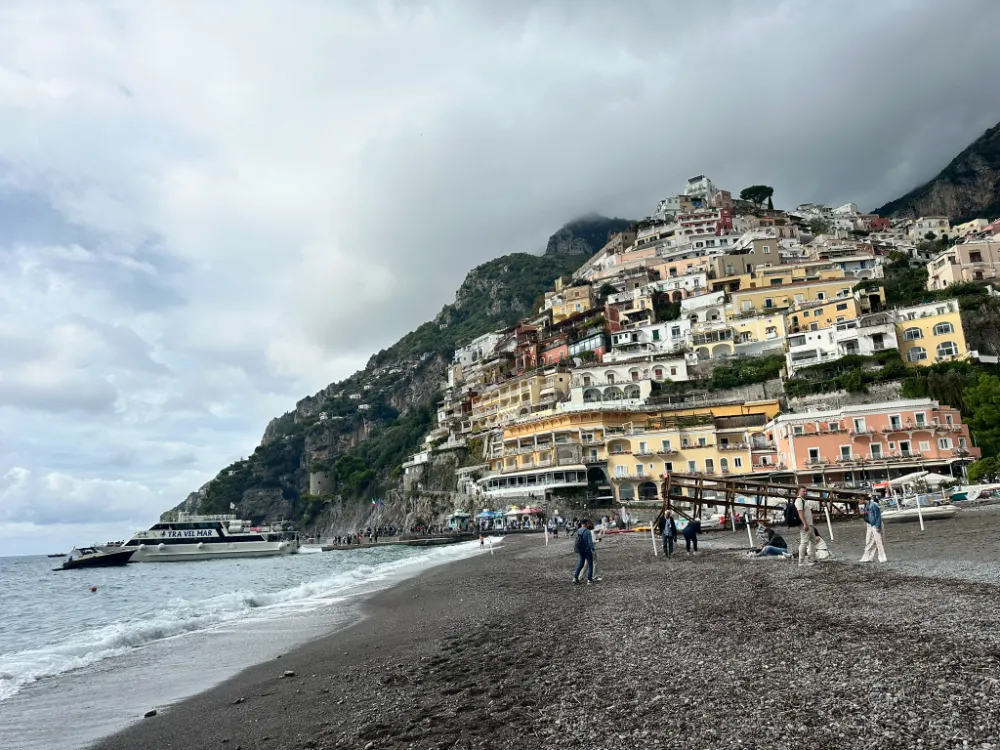
Positano: The Vertical Jewel of the Amalfi Coast
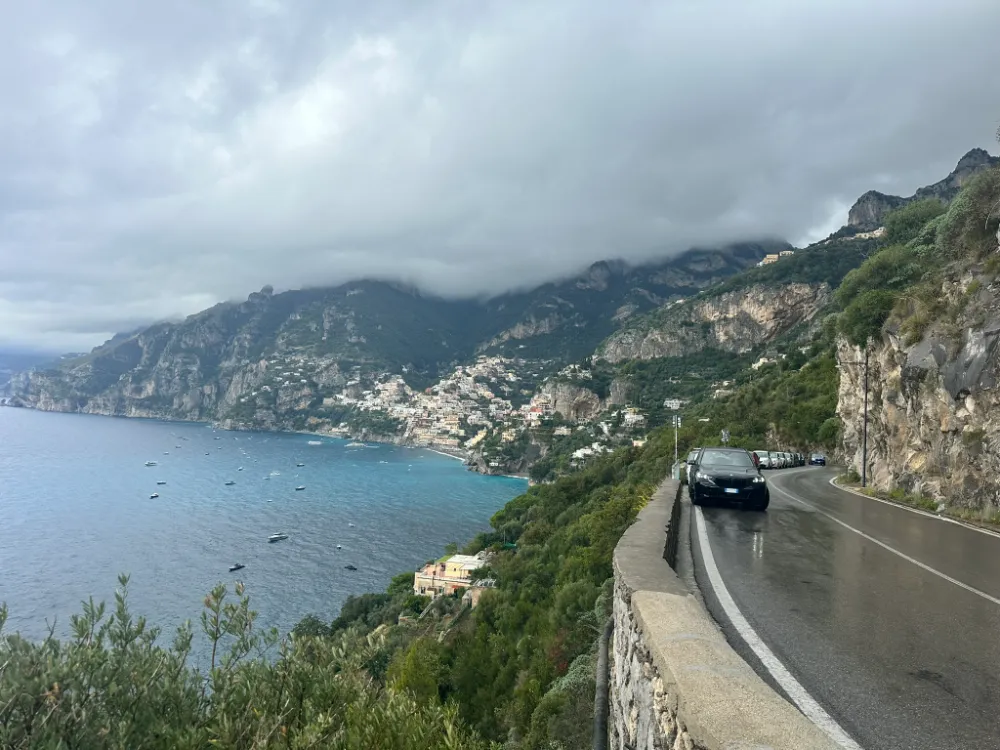
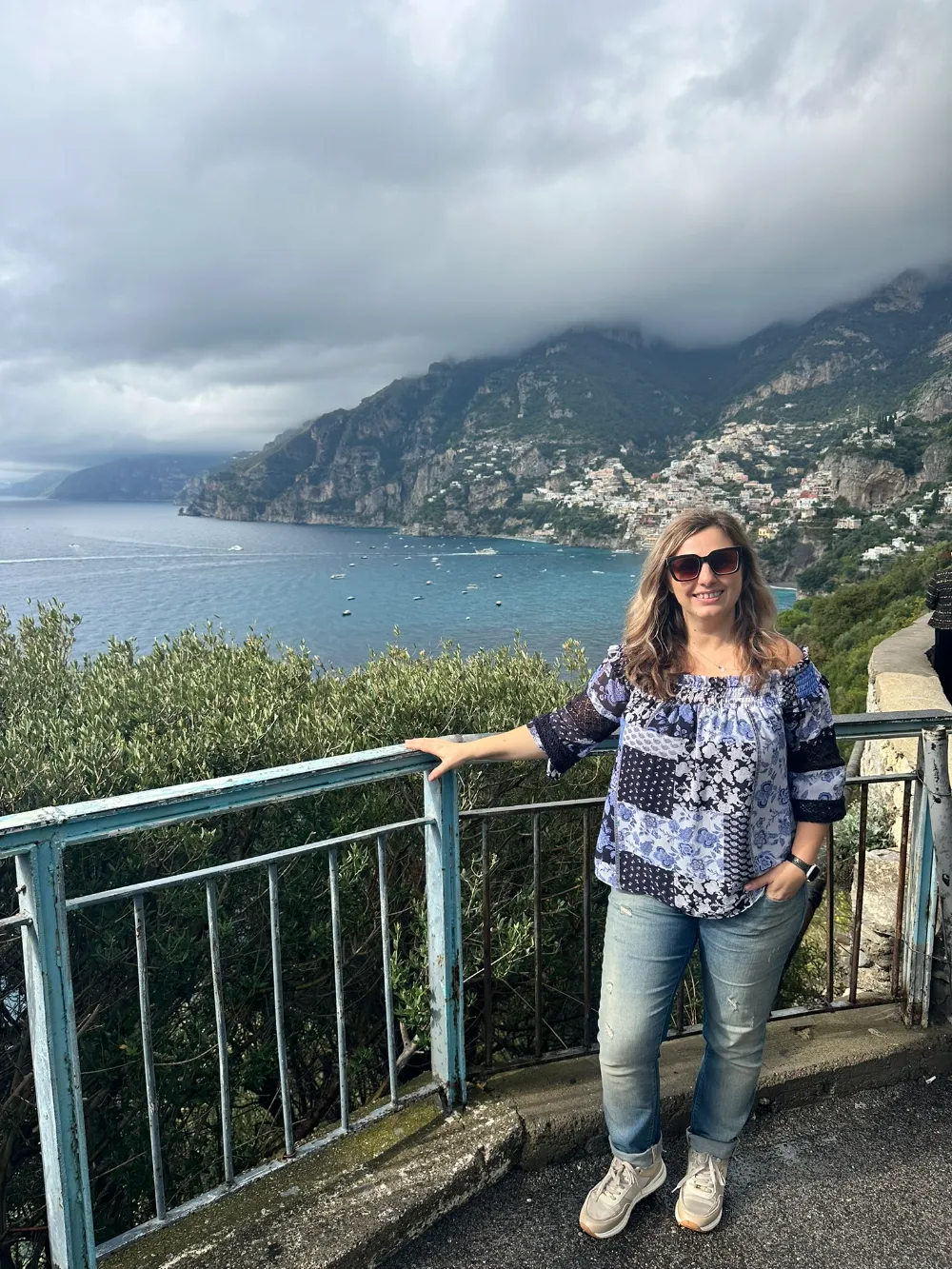
If you’re visiting Positano as a day trip from Sorrento, it will be the first stop on your Amalfi Coast discovery, and what a spectacular introduction it is. The drive takes about an hour in low traffic, hugging the coastline the entire way. You’ll want to stop for photos more times than you can count (and I highly recommend that you do). There’s a viewpoint right before you descend into the village, your driver will know exactly which one I mean, where the view of Positano spilling down the cliffs is nothing short of breathtaking.
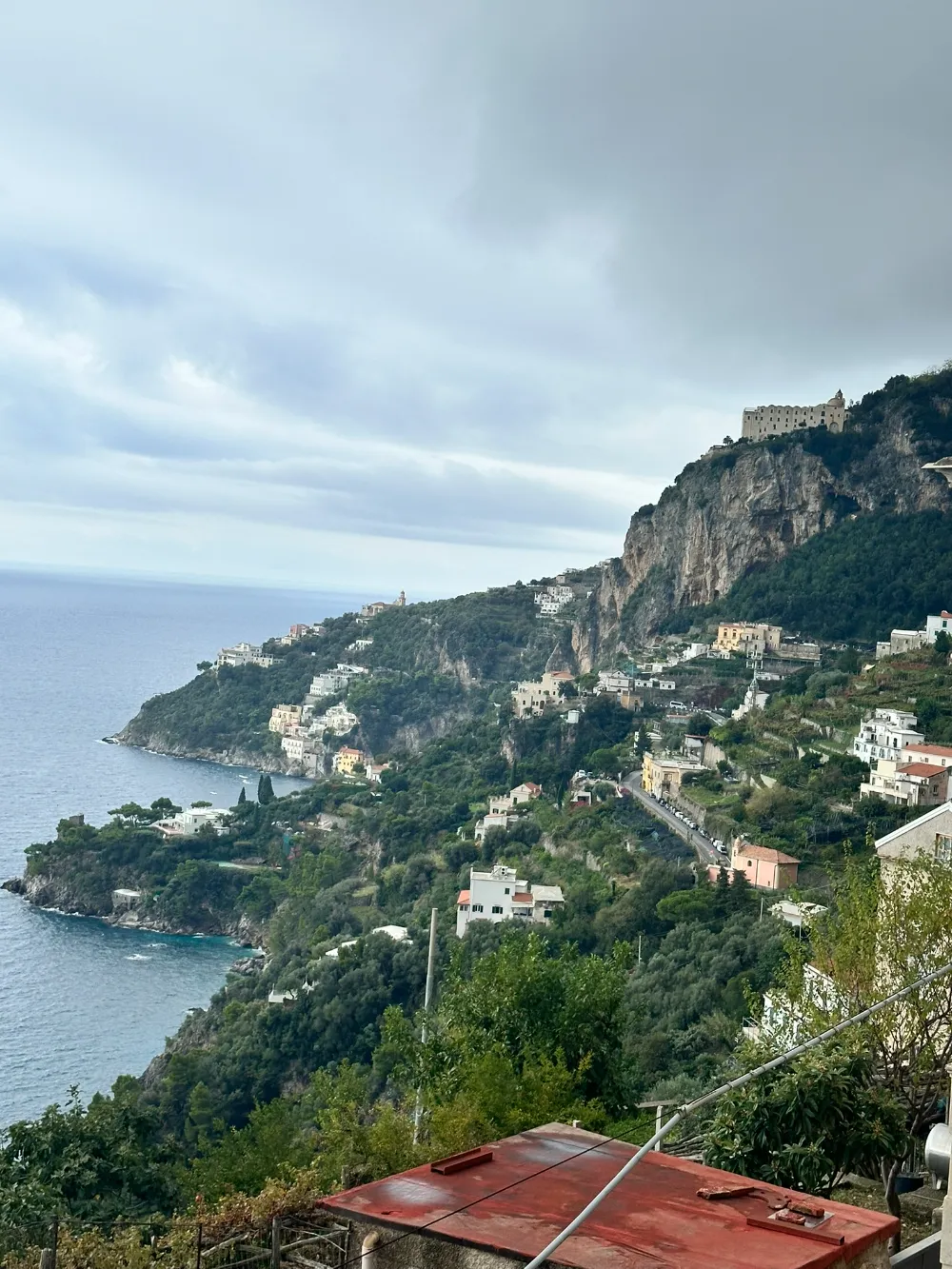
If Positano is your final destination, you’ll arrive from Naples on a completely different route, this time winding along the crest of the Lattari Mountains. I remember being genuinely surprised by how tall and dramatic these mountains are, and how these tiny villages seem impossibly built into the rock, cascading toward the sea in terraces. It’s an architectural wonder, and no photo truly captures the scale until you’re standing there, looking at it in person.
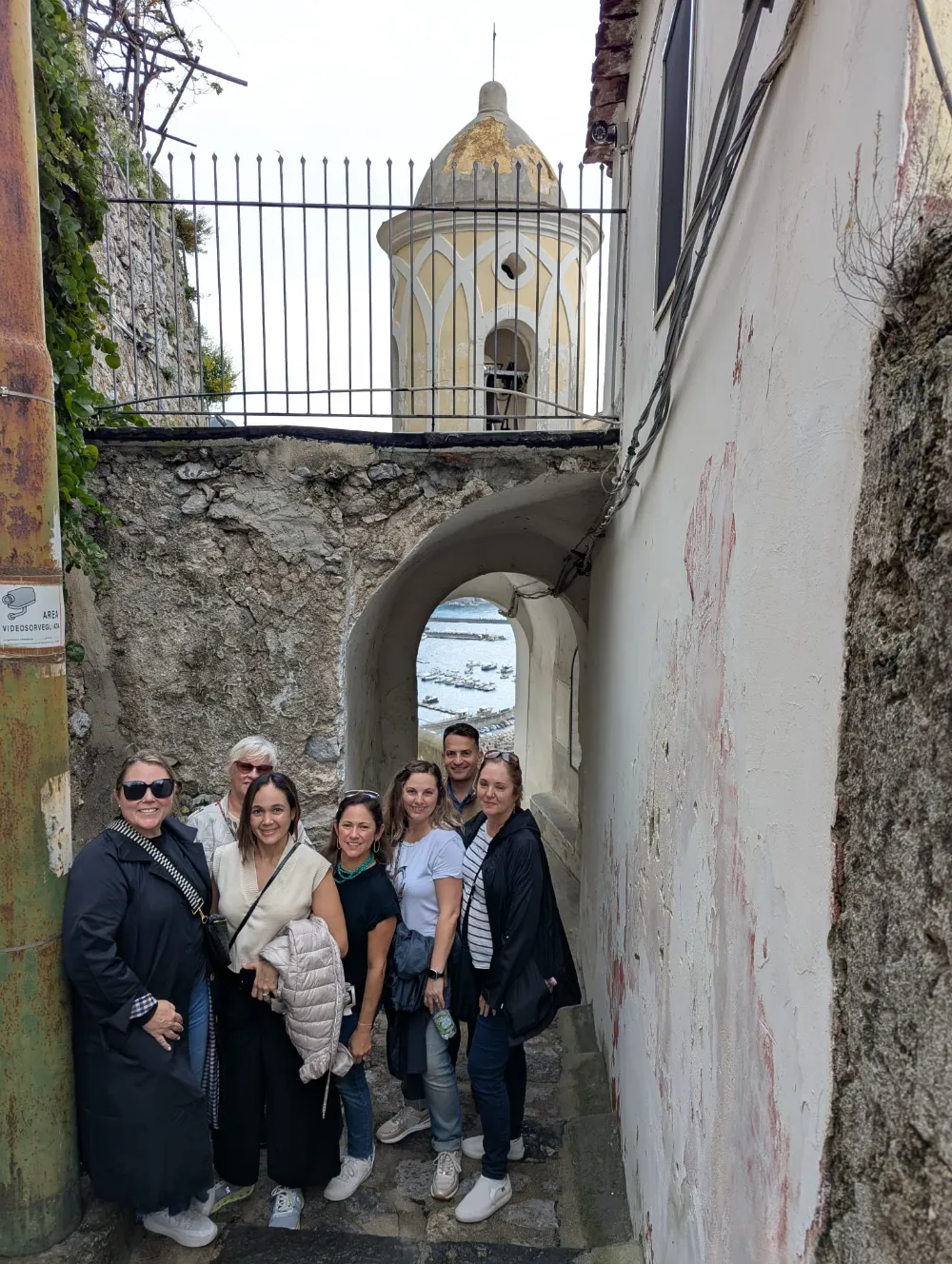
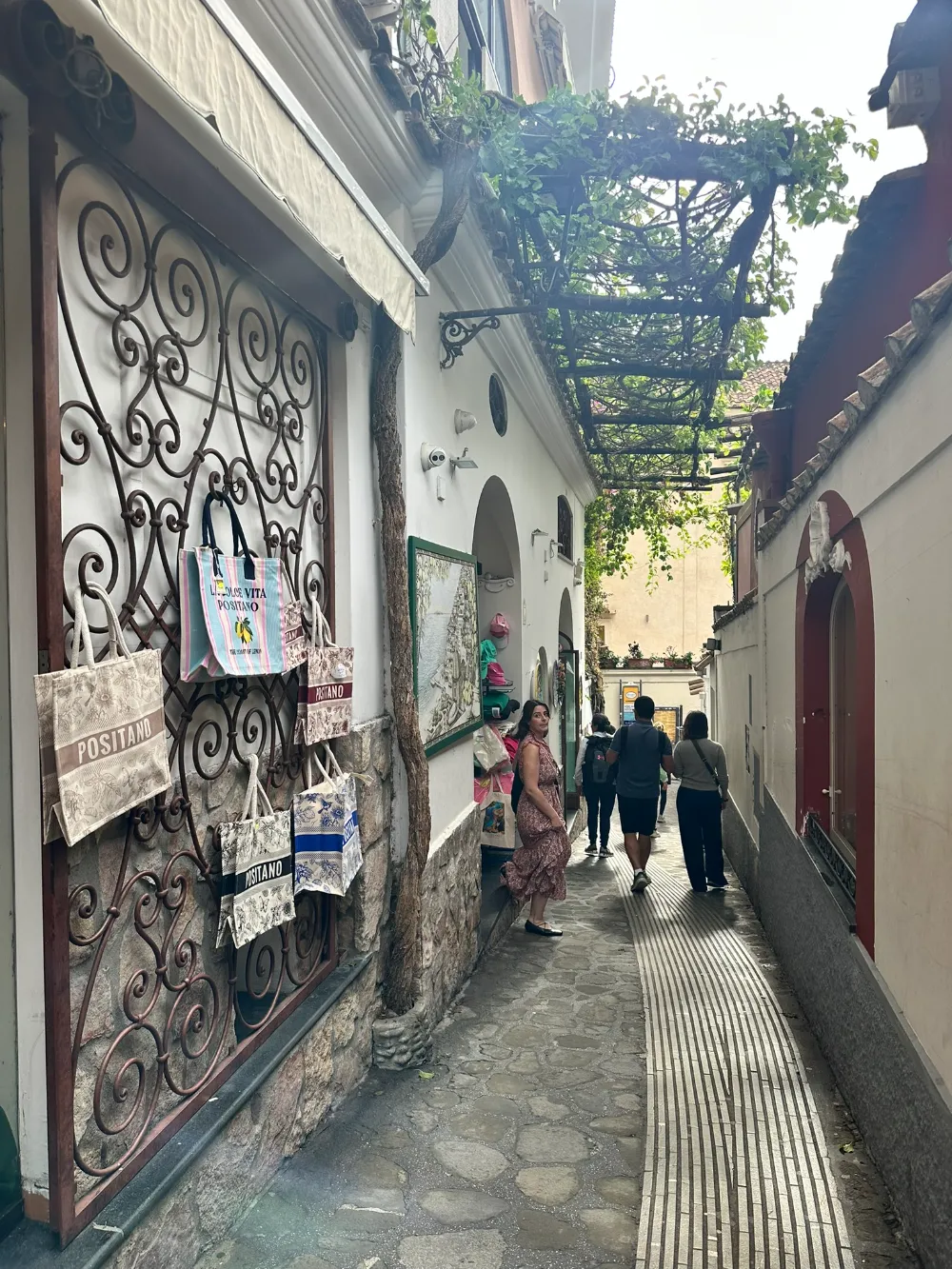
Positano is often called “the vertical city,” and the name couldn’t be more accurate. Unlike Sorrento’s leisurely walks and wide piazzas, exploring Positano means constant climbing and descending. The main road that snakes through town is narrow and shared between cars, buses, Vespas, and pedestrians, there are hardly any sidewalks. Once you step off the road, you’ll find yourself navigating steep cobblestone stairways and winding alleys connecting one terrace to another.
Many accommodations here are not accessible by car, so if you’re staying overnight, be prepared for some uphill and downhill exercise. Luxury hotels do have porters to assist with luggage, but even so, getting to your property usually involves a bit of a walk (and a lot of steps).
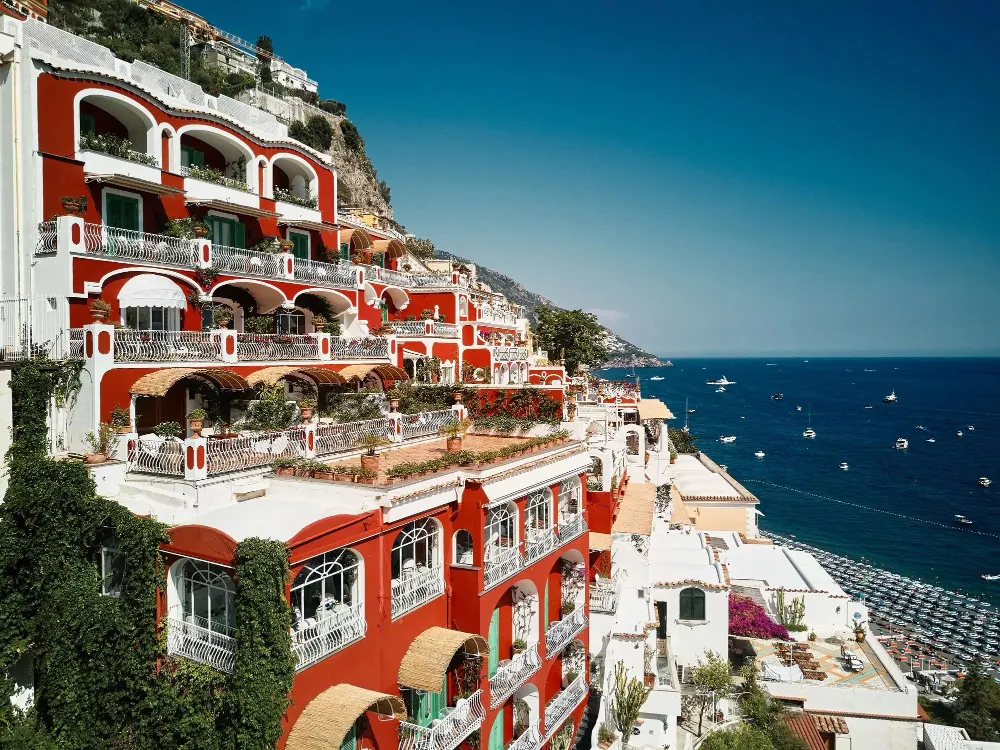
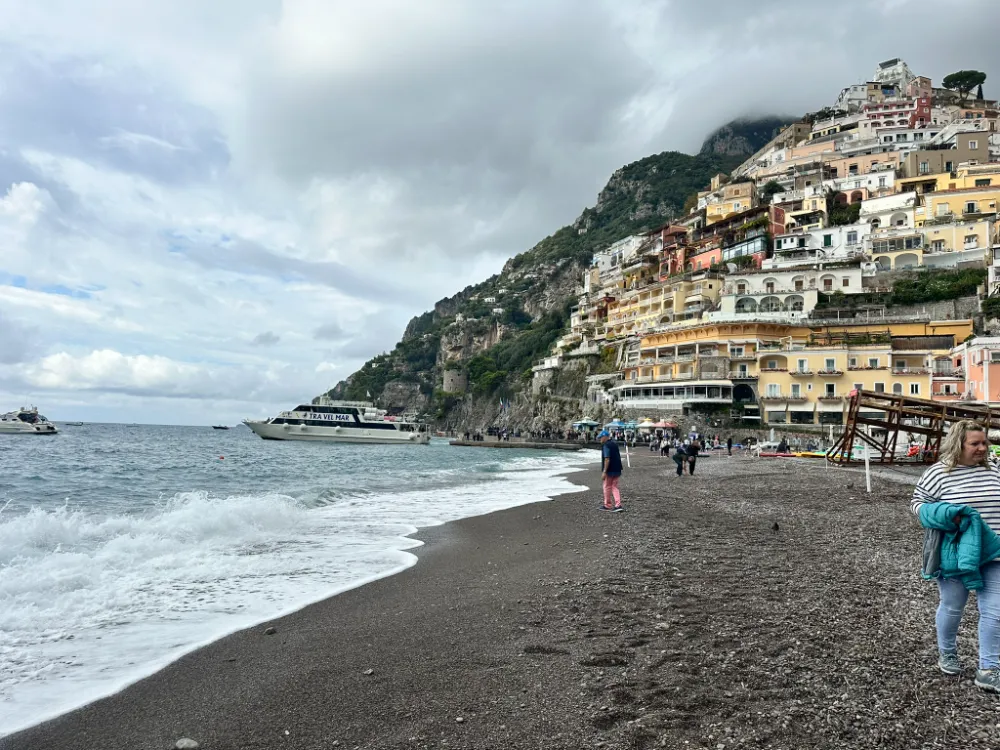
But oh, what a reward. The scenery is every bit as spectacular as the postcards and Instagram reels promise. Bougainvillea spilling over stone walls, pastel houses perched on cliffs, the sound of church bells echoing across the water, it’s the definition of coastal romance.
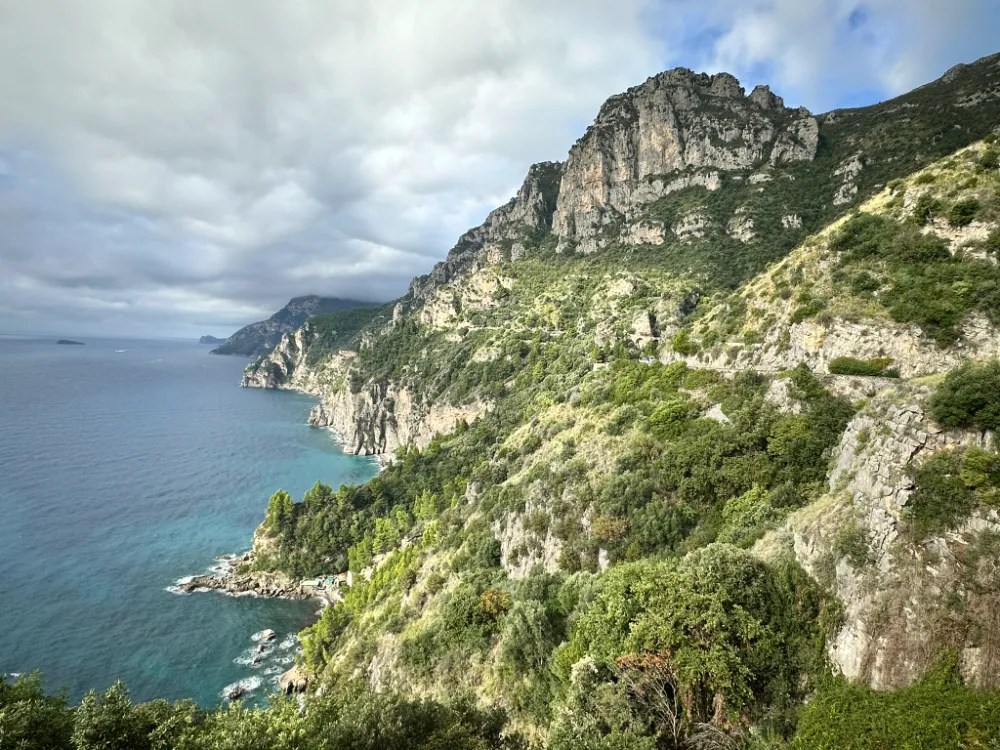
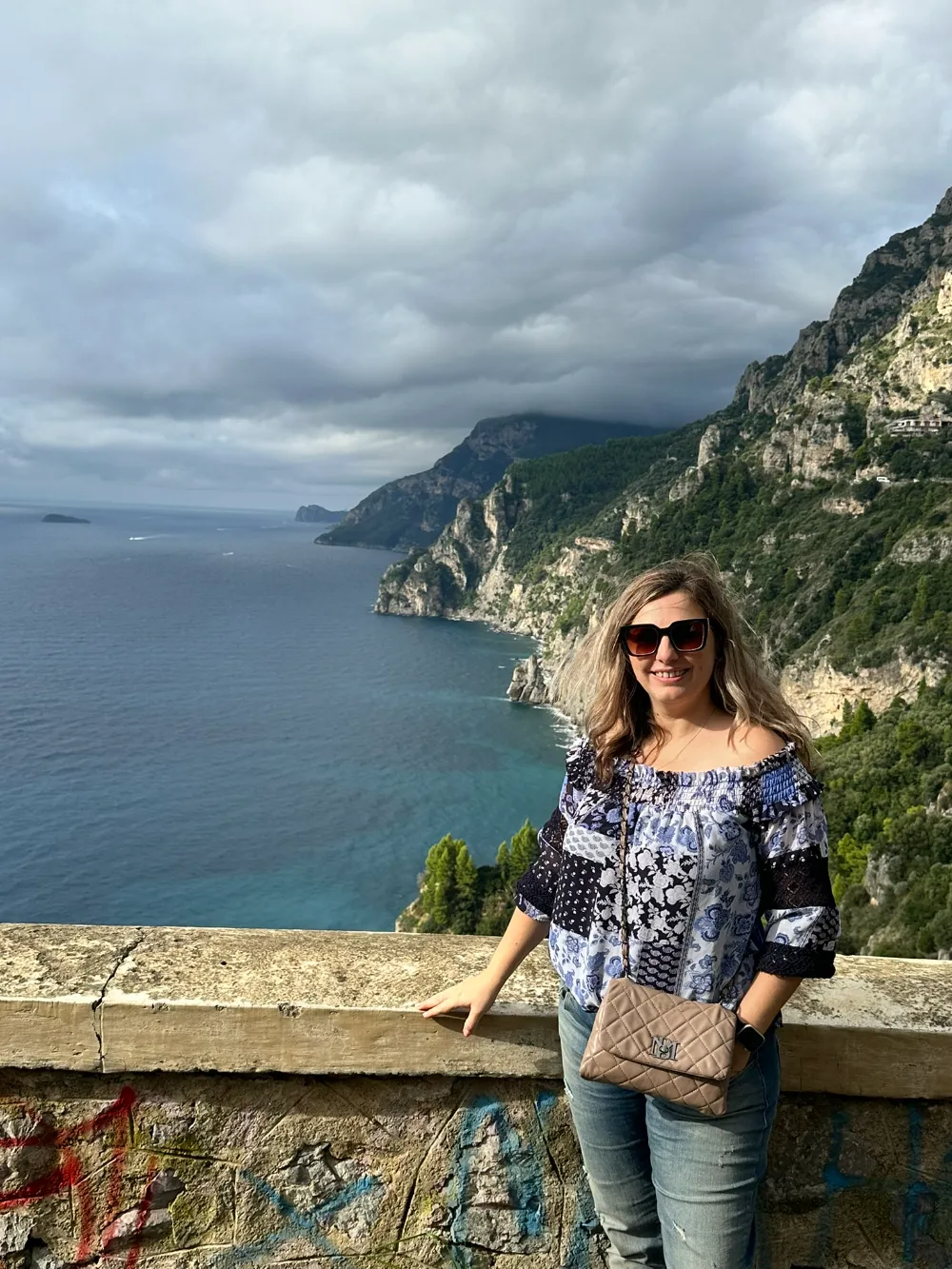
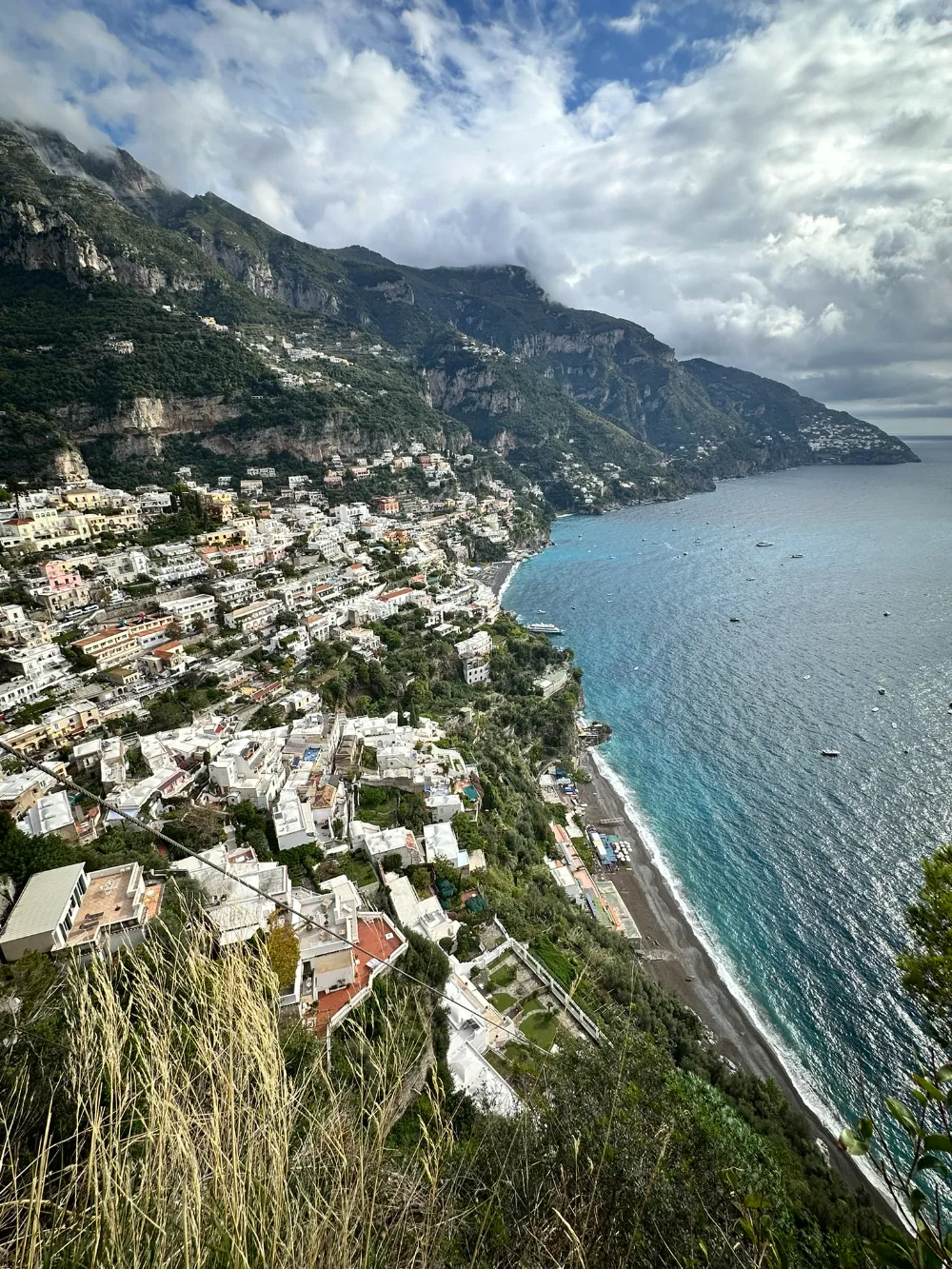
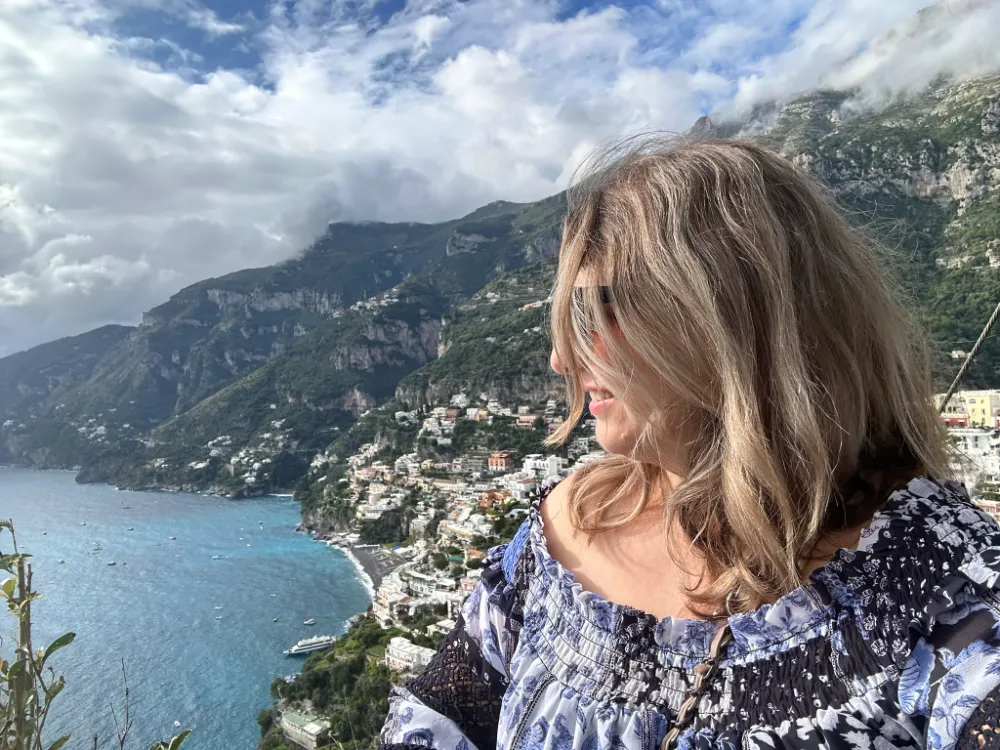
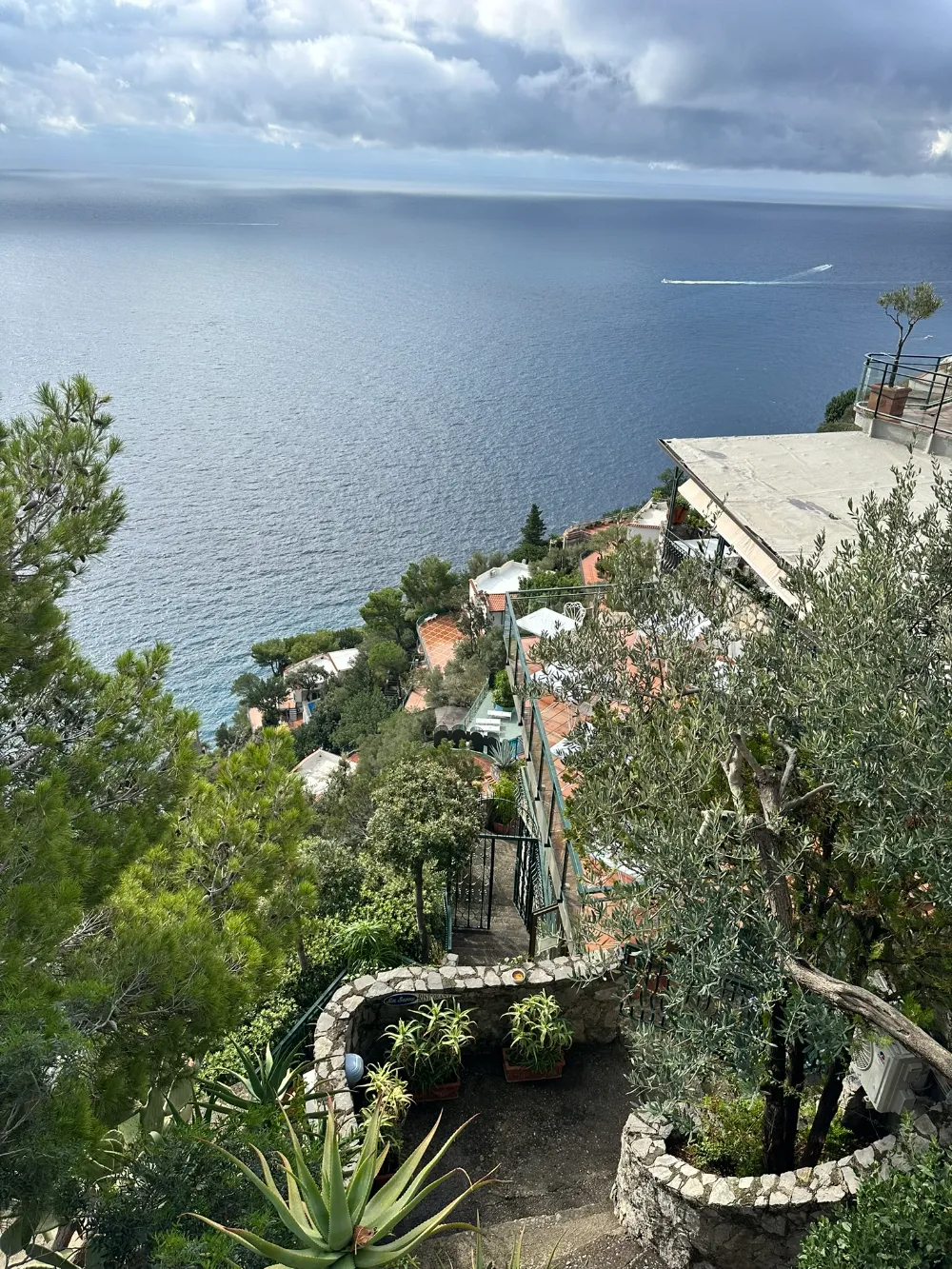
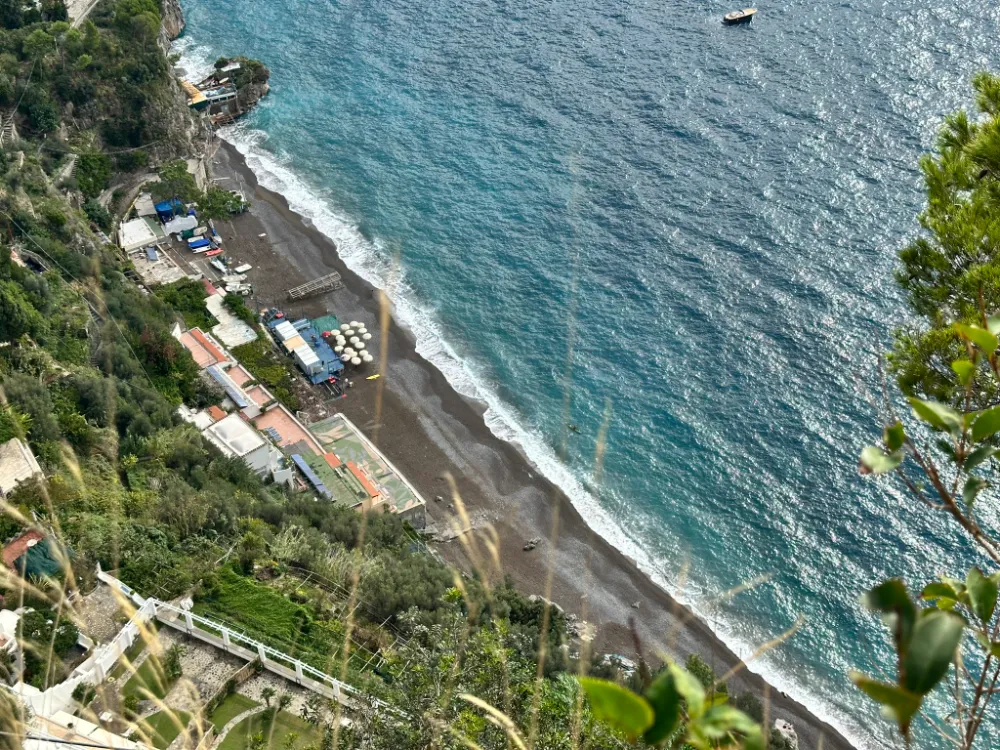
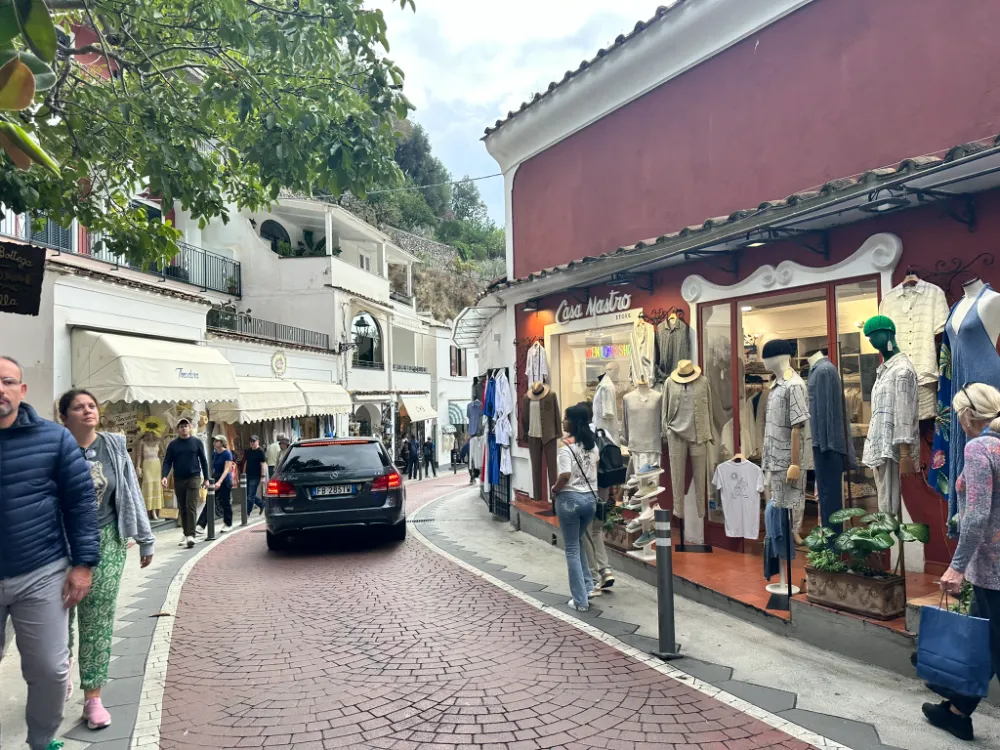
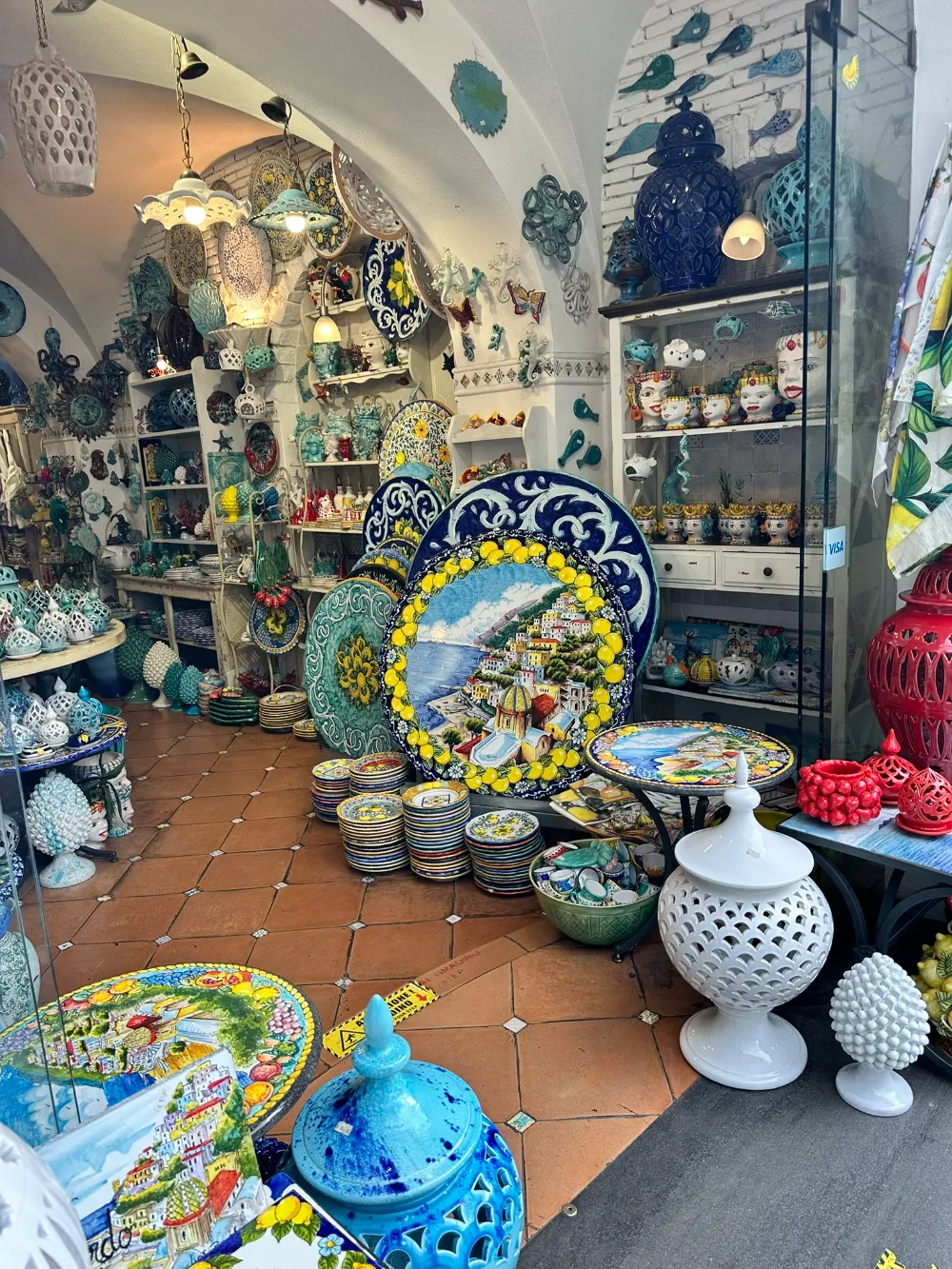
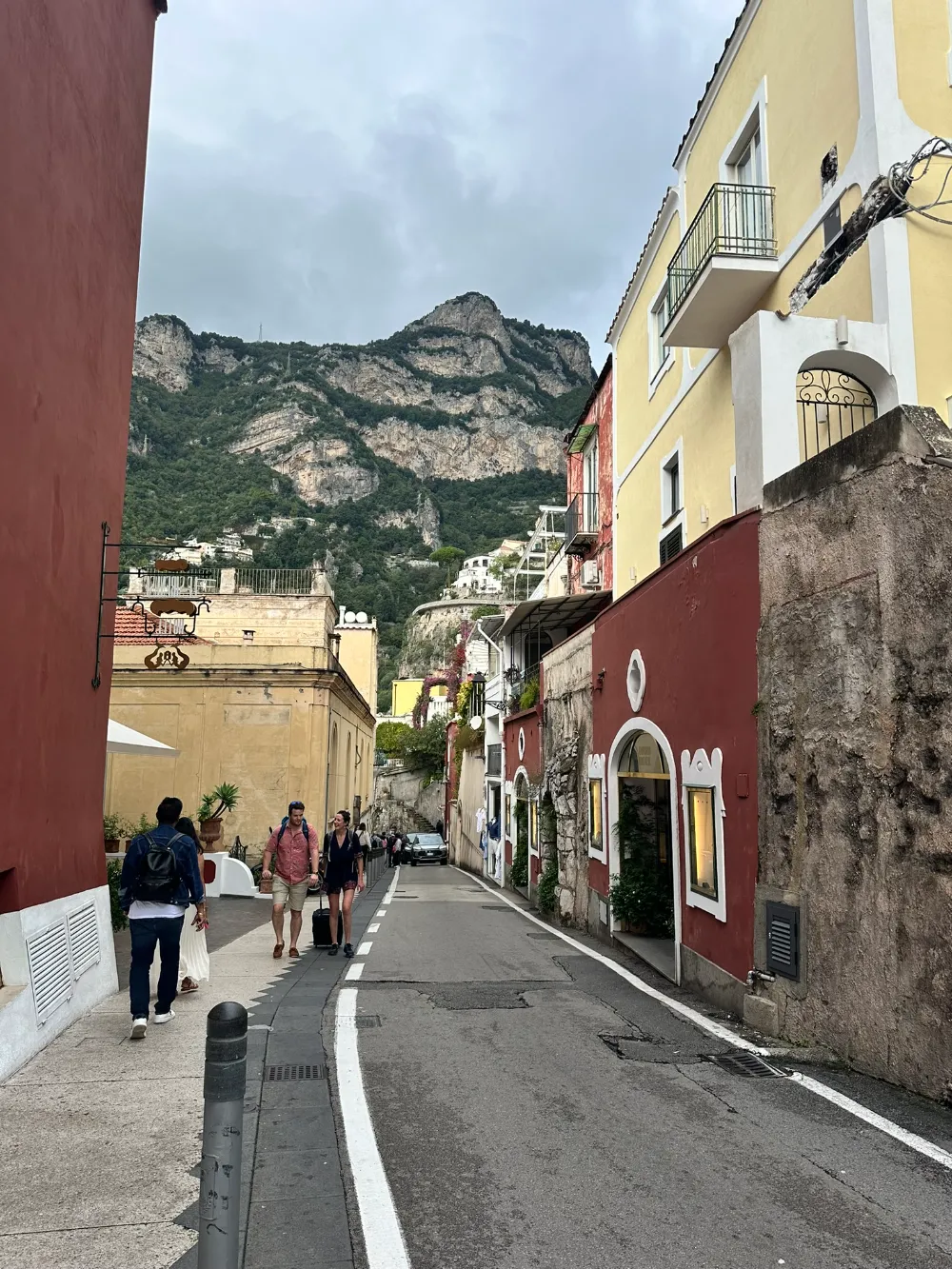
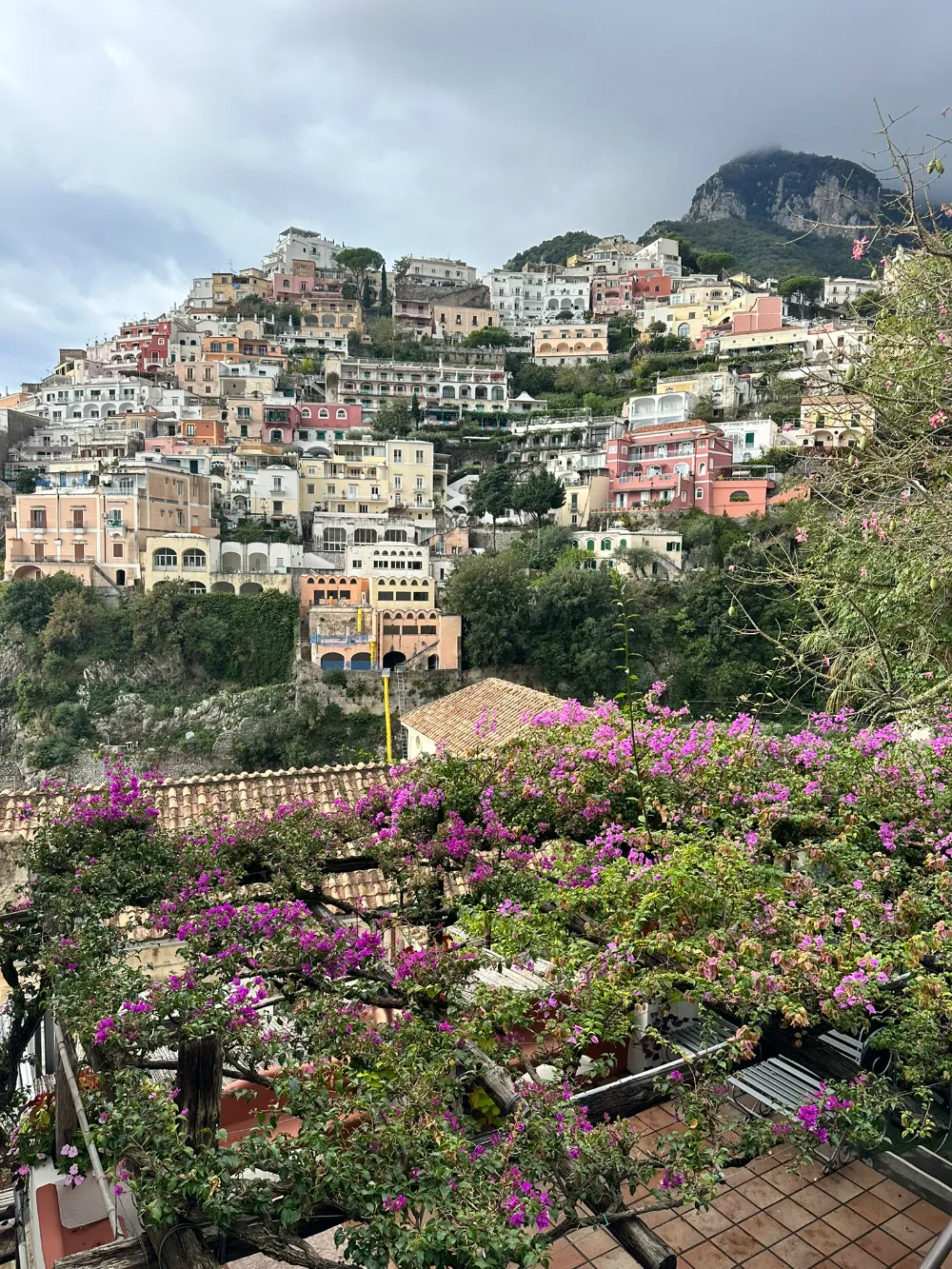
Steps alleys and sea views
Positano’s streets are lined with boutiques and cafés, and it’s nearly impossible to resist them. The linen shops here are legendary, you can have a breezy linen outfit tailored to your measurements in just a few hours, and local artisans still handcraft leather sandals right in front of you. You’ll find stunning ceramics in bold Mediterranean colors, and of course, endless limoncello tastings to punctuate your shopping stroll.
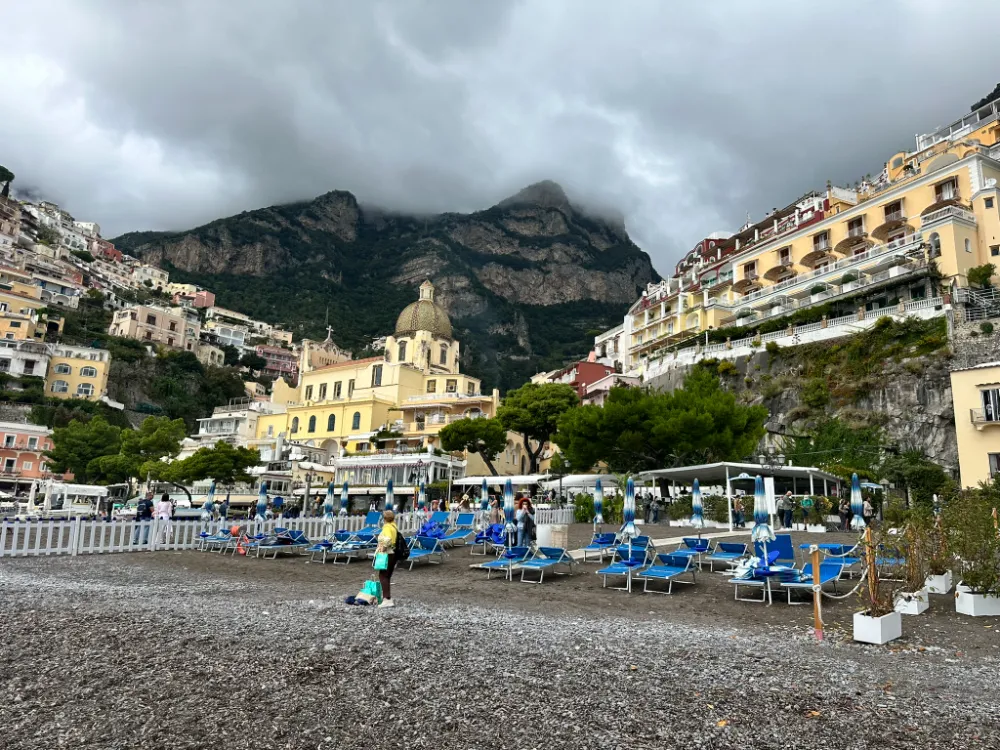
Down by the sea, Spiaggia Grande is the main beach, home to lively beach clubs and restaurants. Don’t expect secluded luxury here; this is the social heart of the Amalfi Coast, where everyone comes to see and be seen.
When I visited at the end of the season, the town was still buzzing with travelers. And when the rain arrived, it instantly turned the narrow streets into slick slides of stone, beautiful but challenging. The humidity, the crowds, and the uphill climbs can be intense, even in October. I can only imagine what summer feels like here, and for me personally, it would certainly test my patience!
That said, there’s no denying that Positano is the Amalfi Coast dream brought to life: romantic, photogenic, and endlessly atmospheric.
I’d recommend Positano for honeymoons, romantic getaways, or adult trips for travelers who don’t mind the crowds, have no mobility issues, and thrive on energy, elegance, and the irresistible pull of a truly iconic coastal town. If you want that cinematic “I’m in Italy” feeling, complete with those famous sea views and sunsets that stop conversations, this is where you’ll find it.





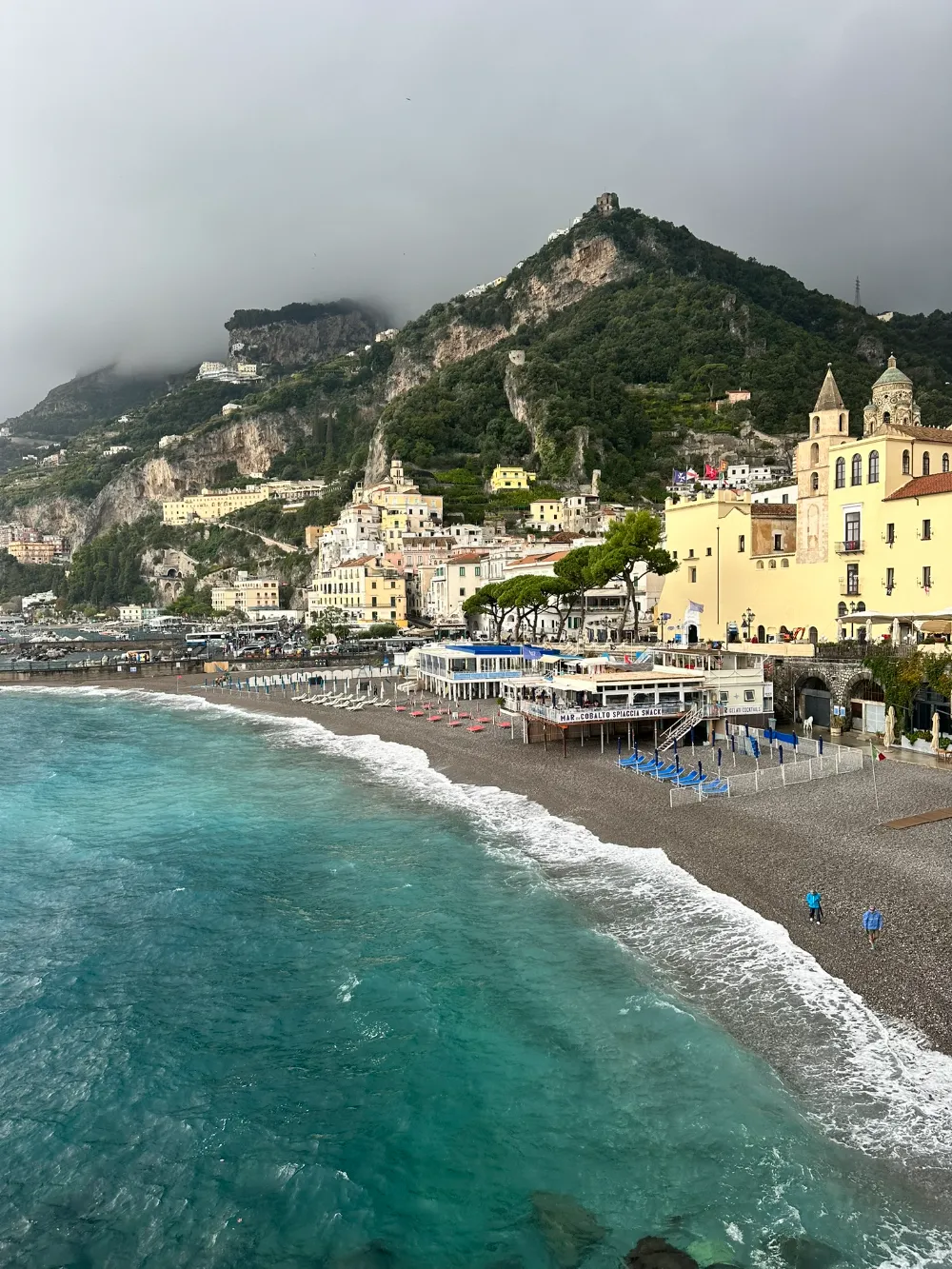
Amalfi: The Historic Heart of the Coast
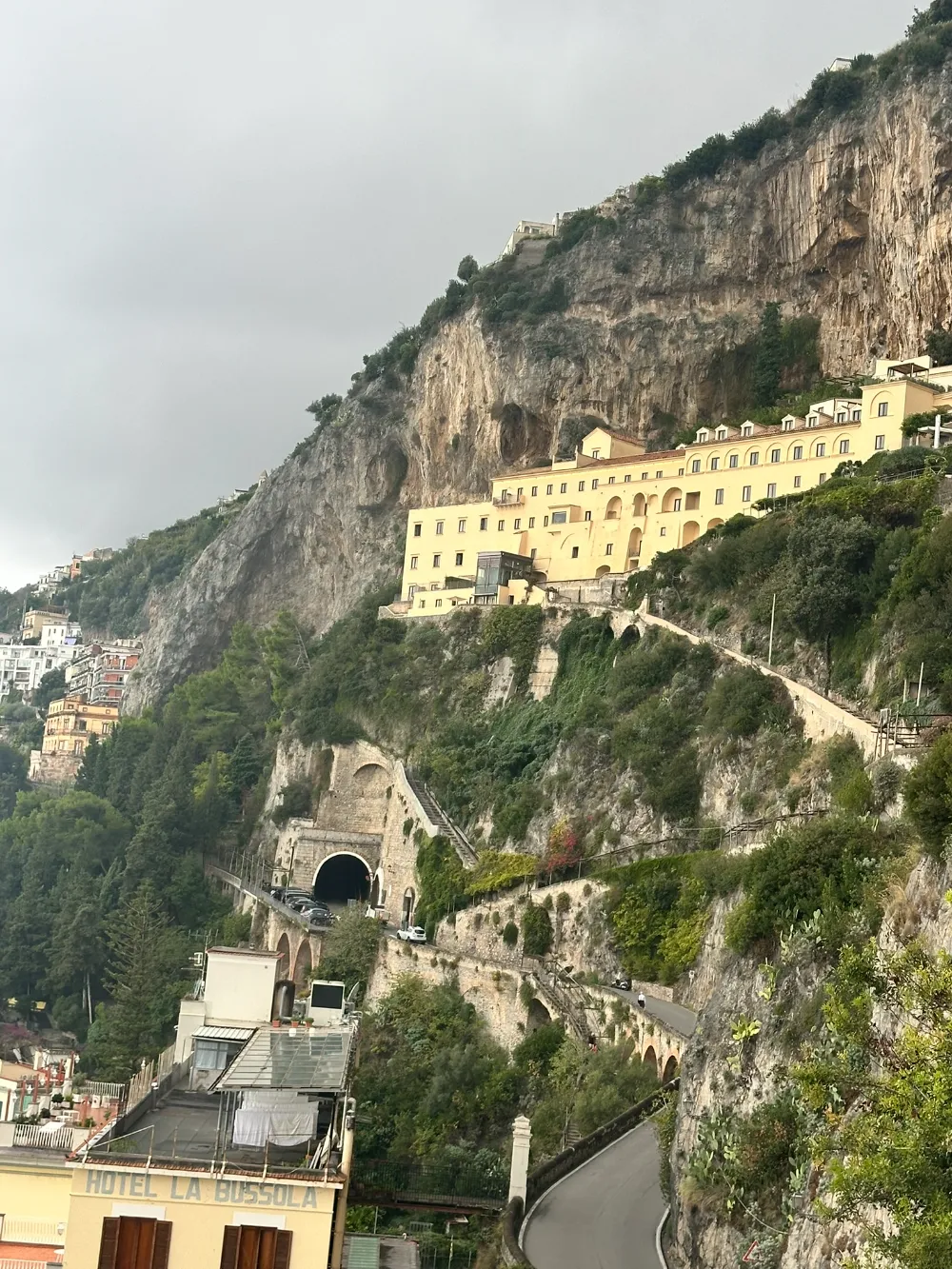
If Positano is the showstopper of the Amalfi Coast, then Amalfi is its graceful, storied heart. Smaller and slightly less dramatic in its vertical climbs, Amalfi feels softer, more approachable, and, for many travelers, it’s the perfect balance between beauty and ease.
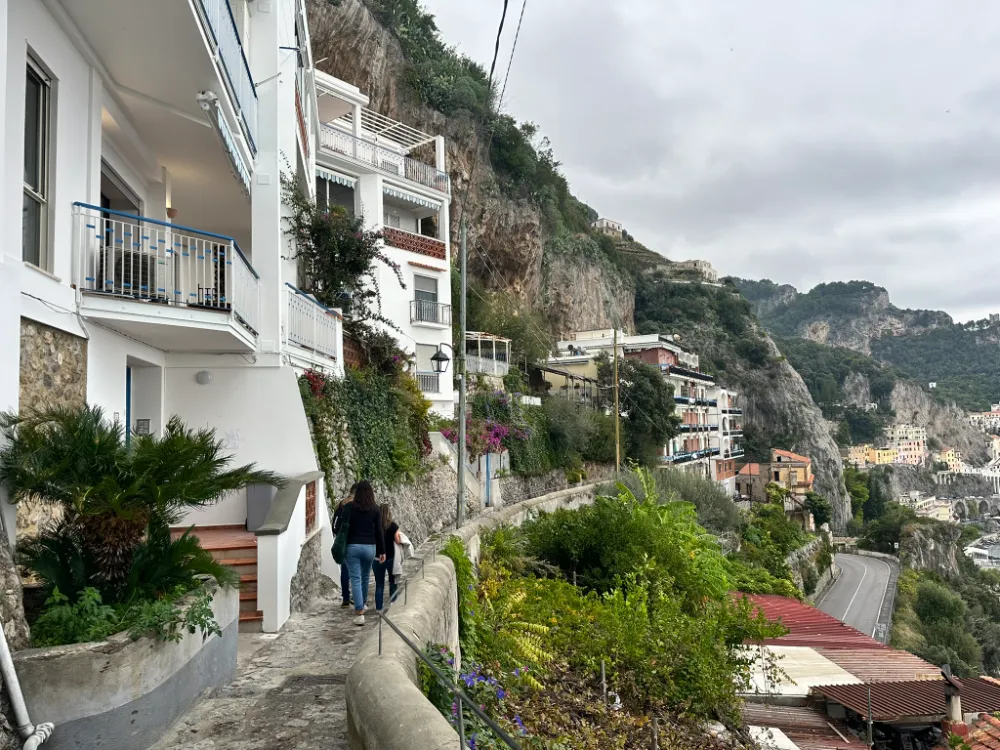
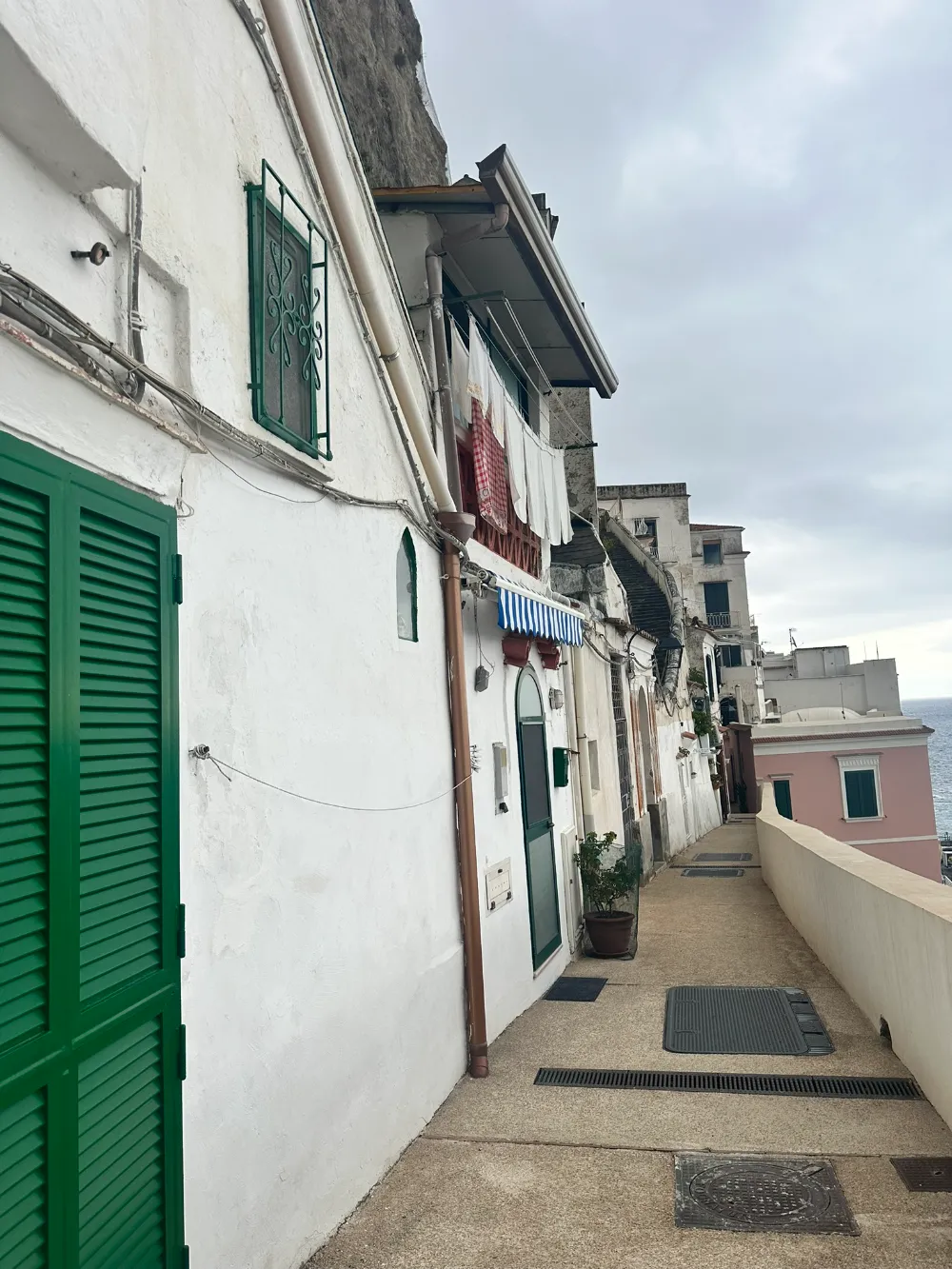
Unlike Positano, where every stroll can turn into a leg workout, Amalfi is far easier to get around. The terrain is gentler, the streets are wider, and much of the town is fairly level, which makes it ideal for travelers who want the coastal magic without the daily cardio.
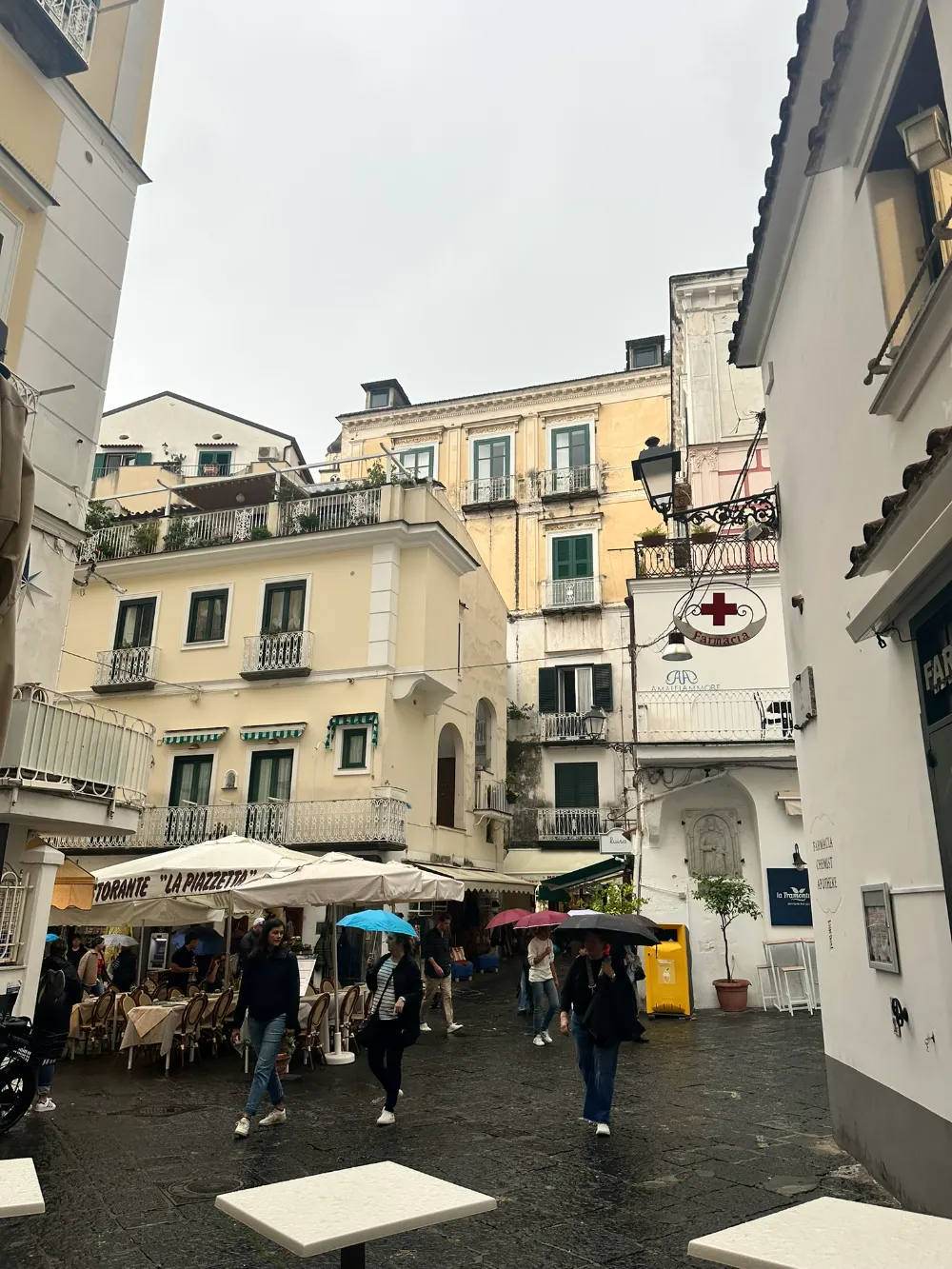
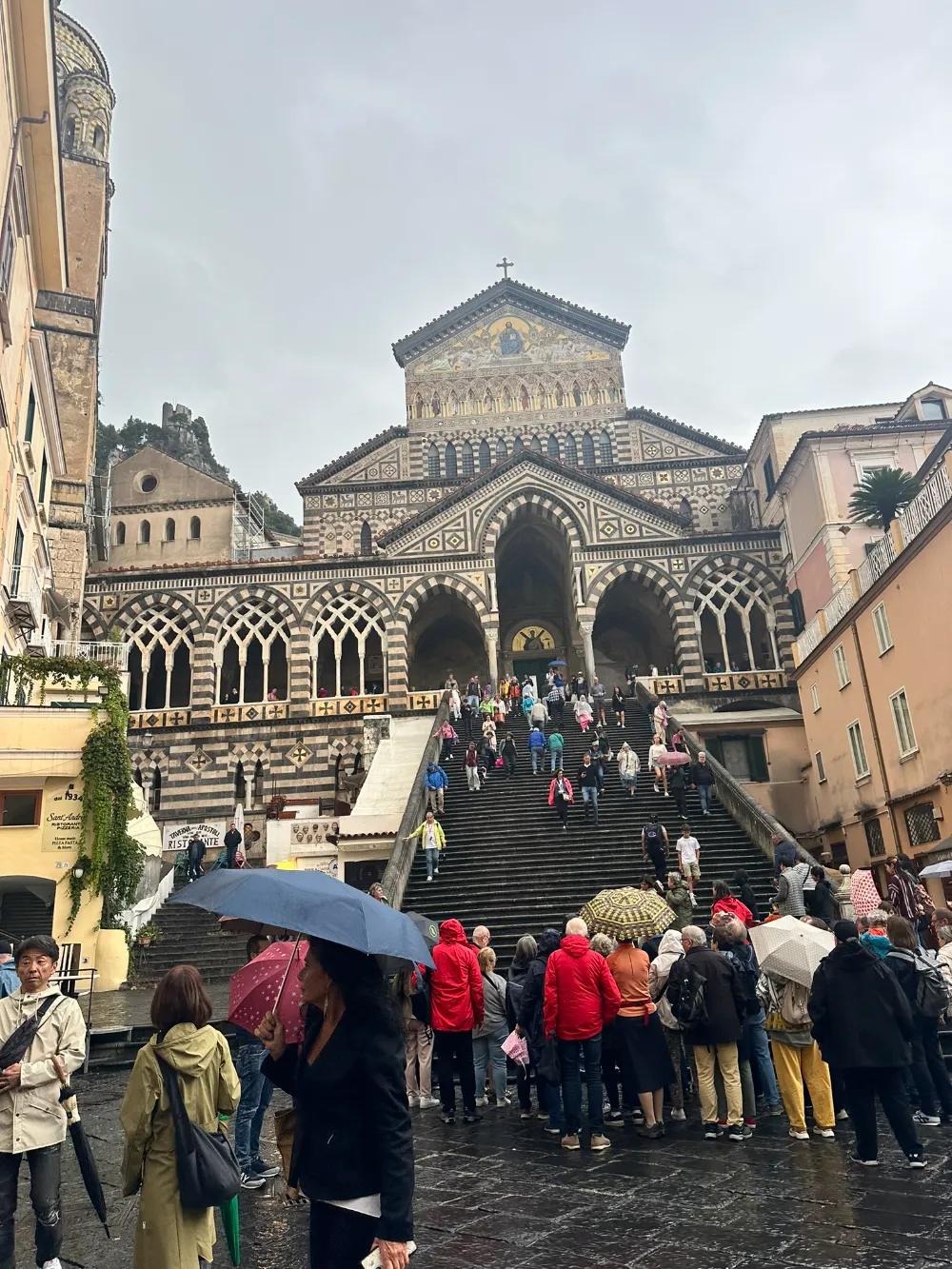
It’s also the best alternative if you want to be right on the Amalfi Coast but aren’t eager for constant uphill climbs. The main piazza, anchored by the striking Cathedral of Sant’Andrea, is filled with cafés and gelaterias that spill out onto the stone steps. Every time I sit there with an espresso, I can’t help but imagine how many centuries of travelers have done the same, merchants, sailors, aristocrats, because this little town was once one of the most powerful maritime republics in the Mediterranean.
Today, that sense of history still lingers in its architecture and atmosphere. The cathedral’s bronze doors were cast in Constantinople in the 11th century, and you can still feel that blend of cultures that once passed through this port.
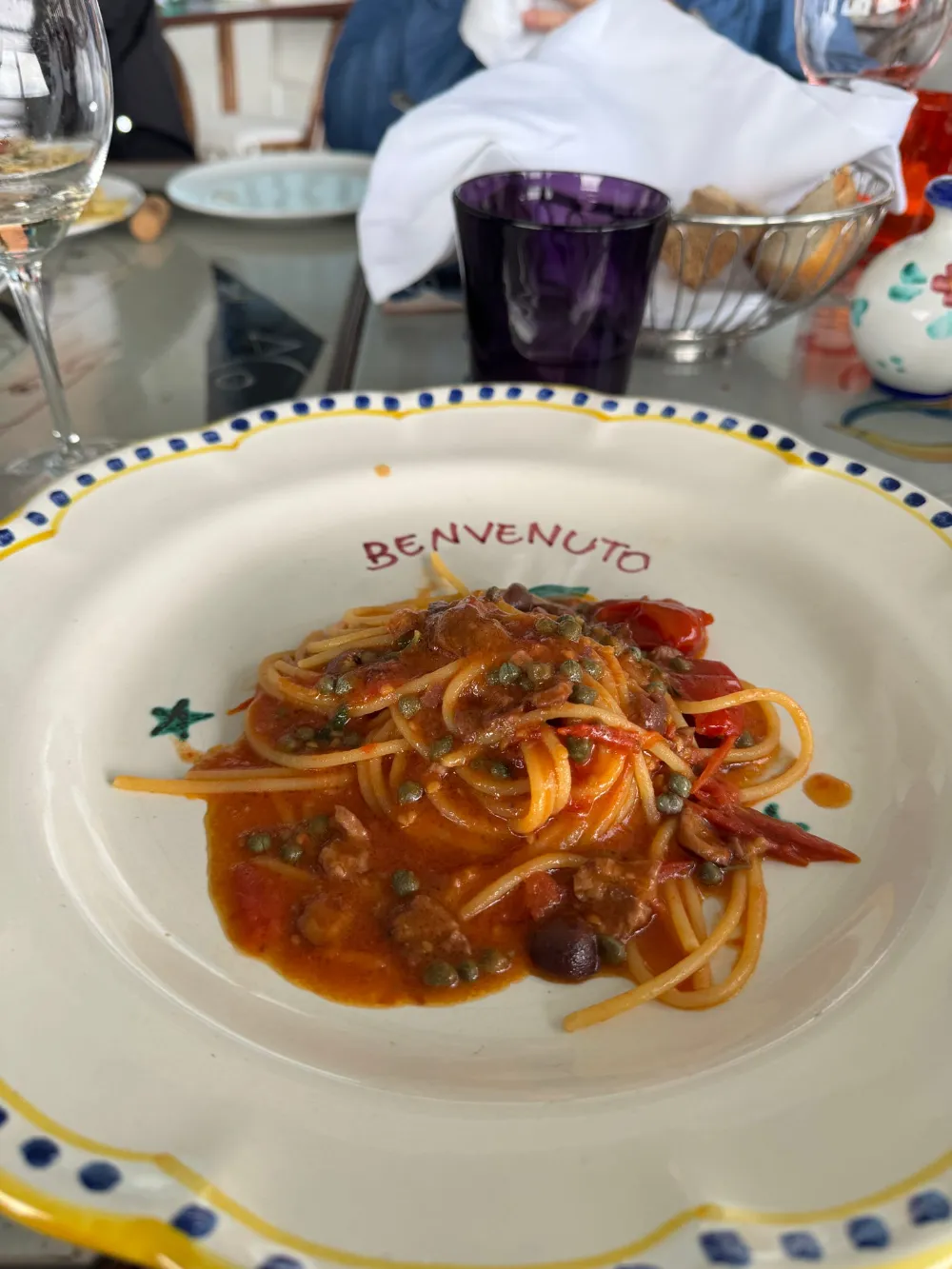
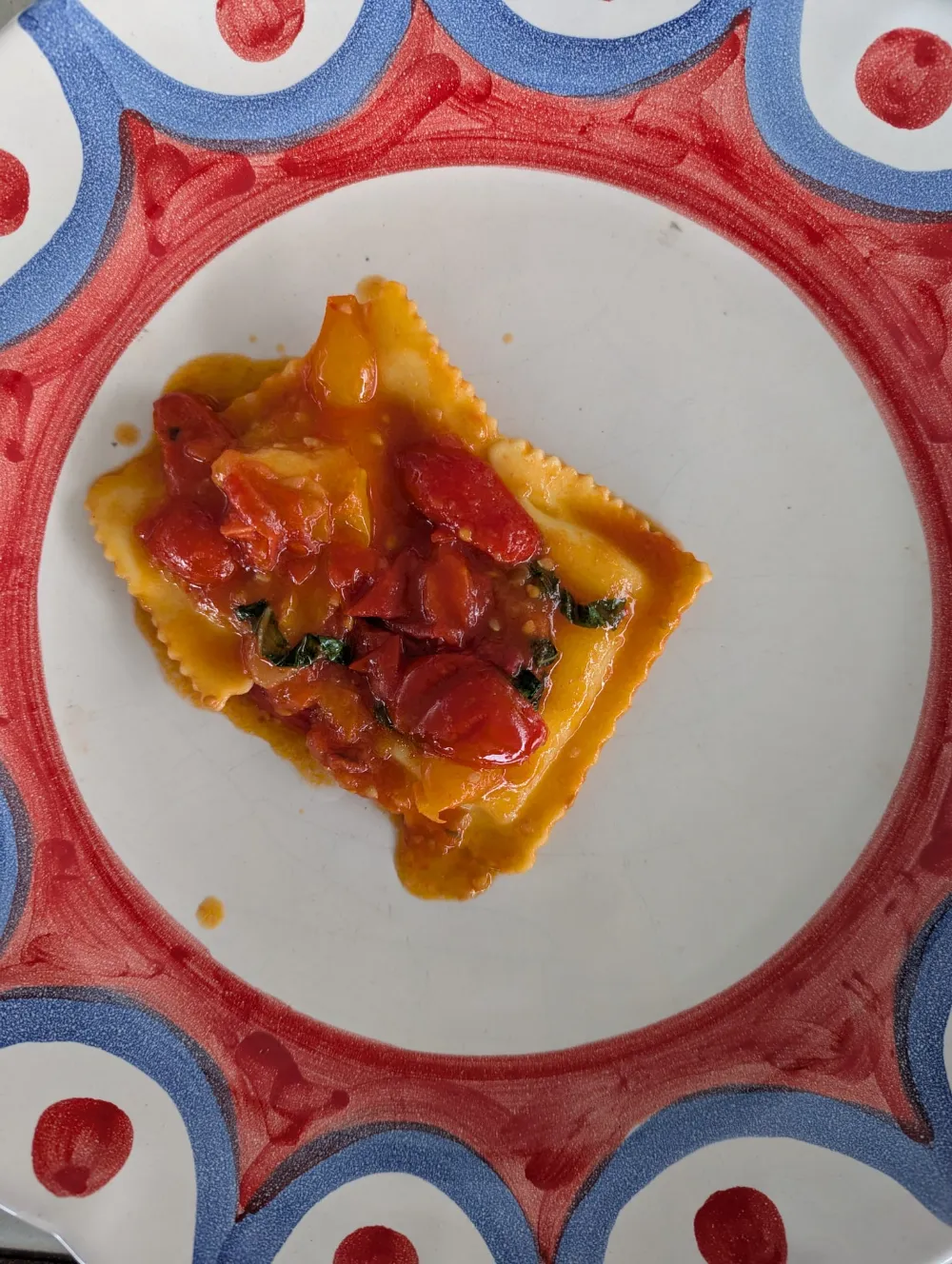
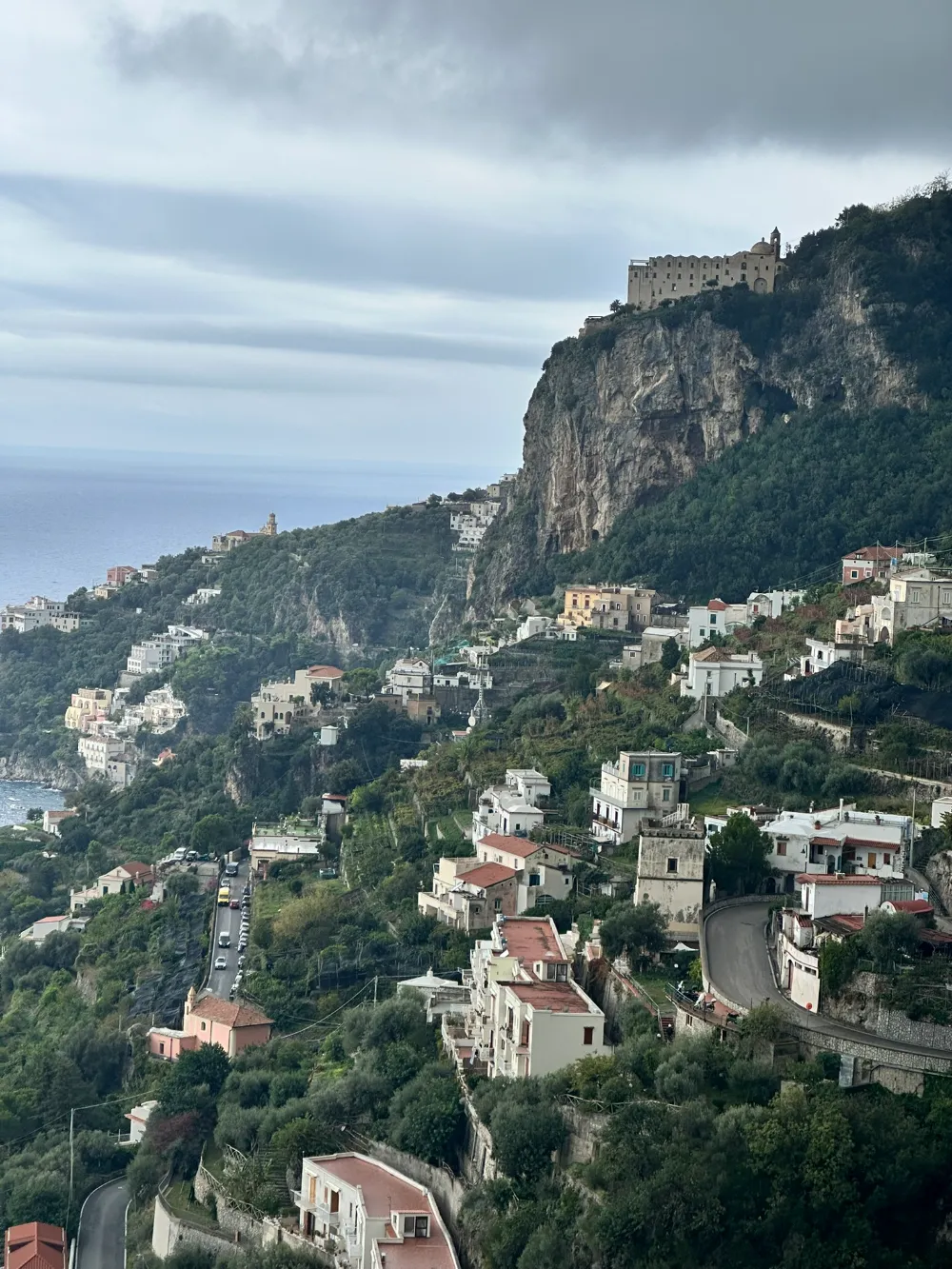
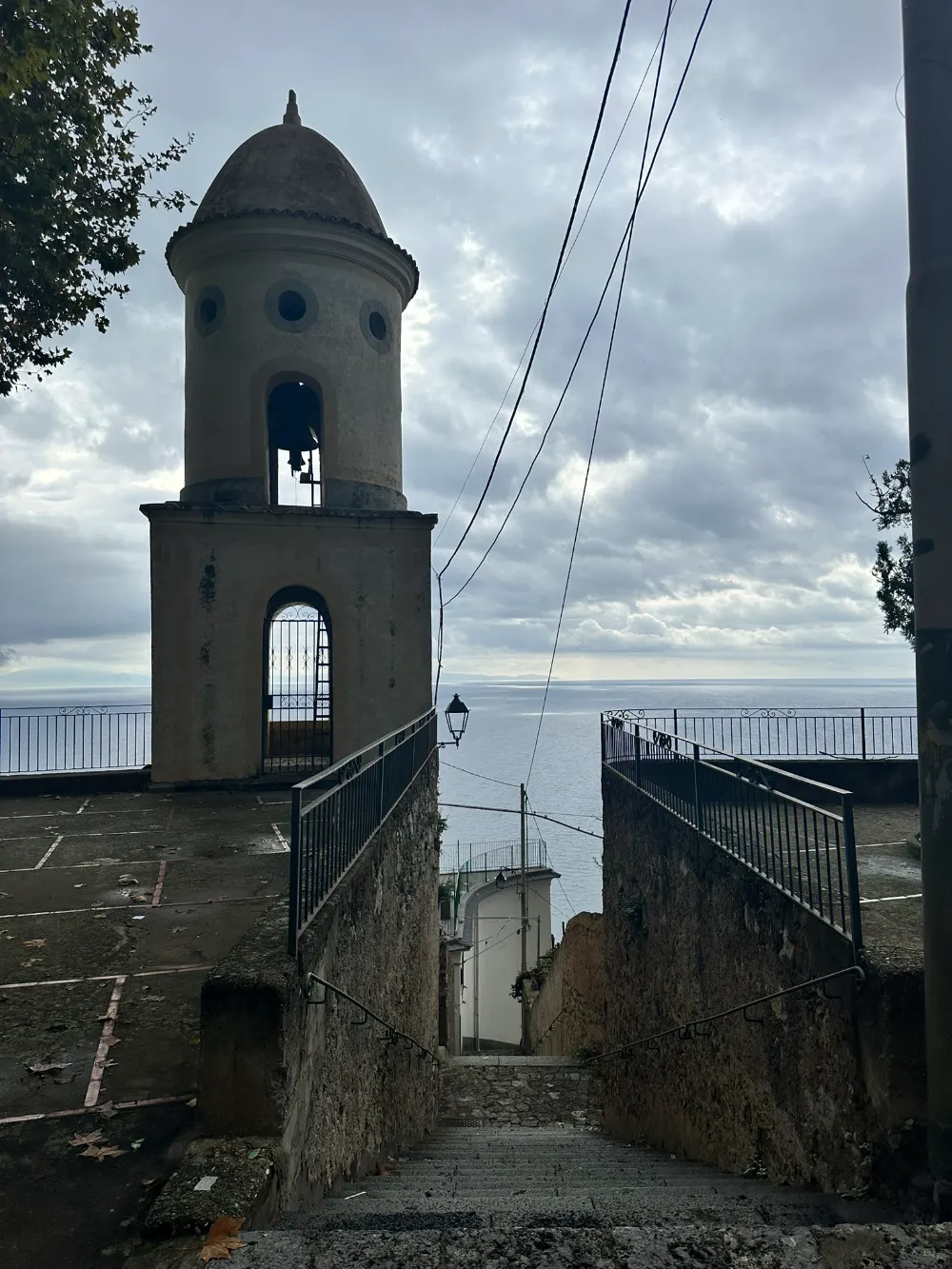
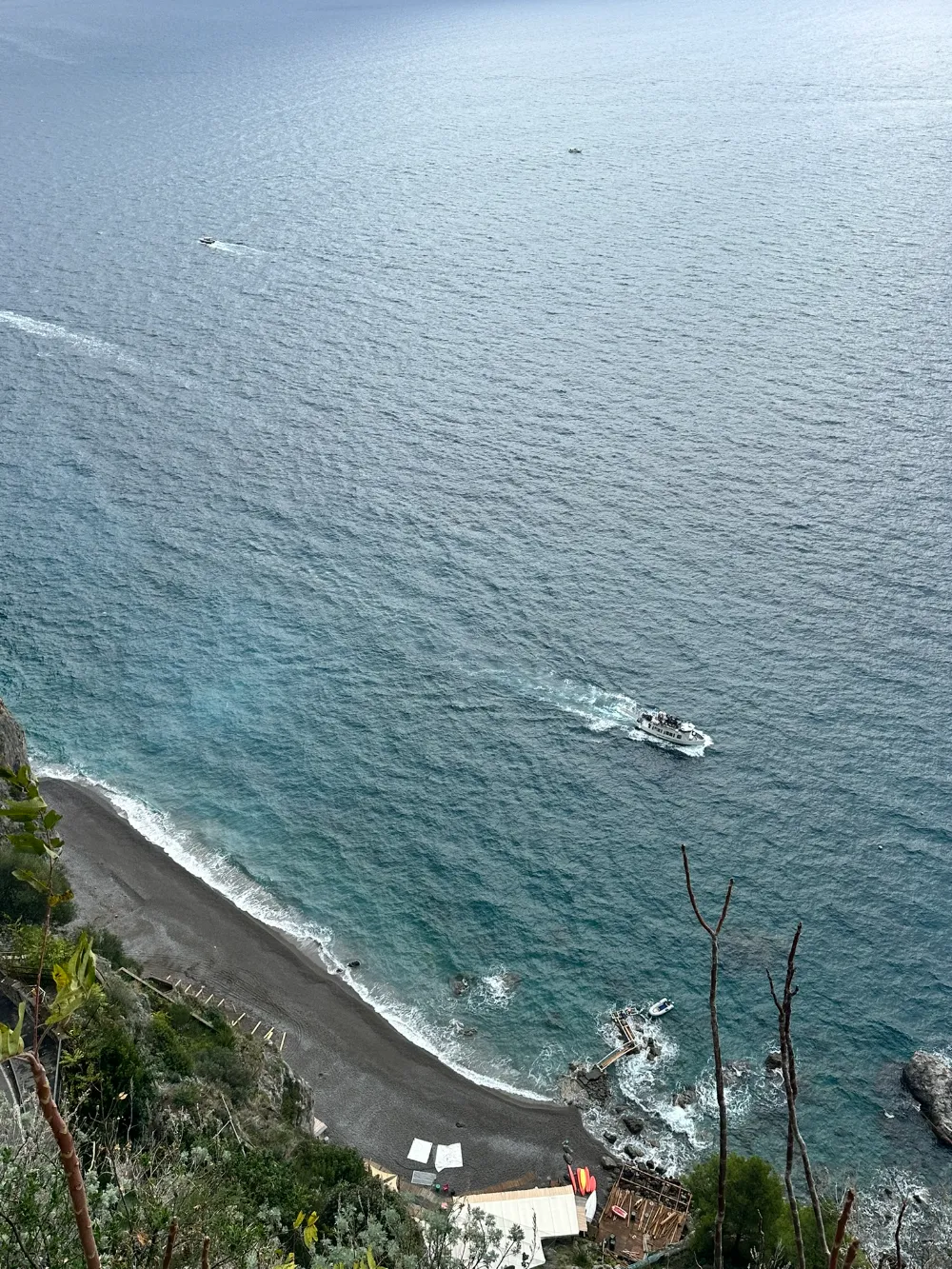

Seafront flavors and sky path
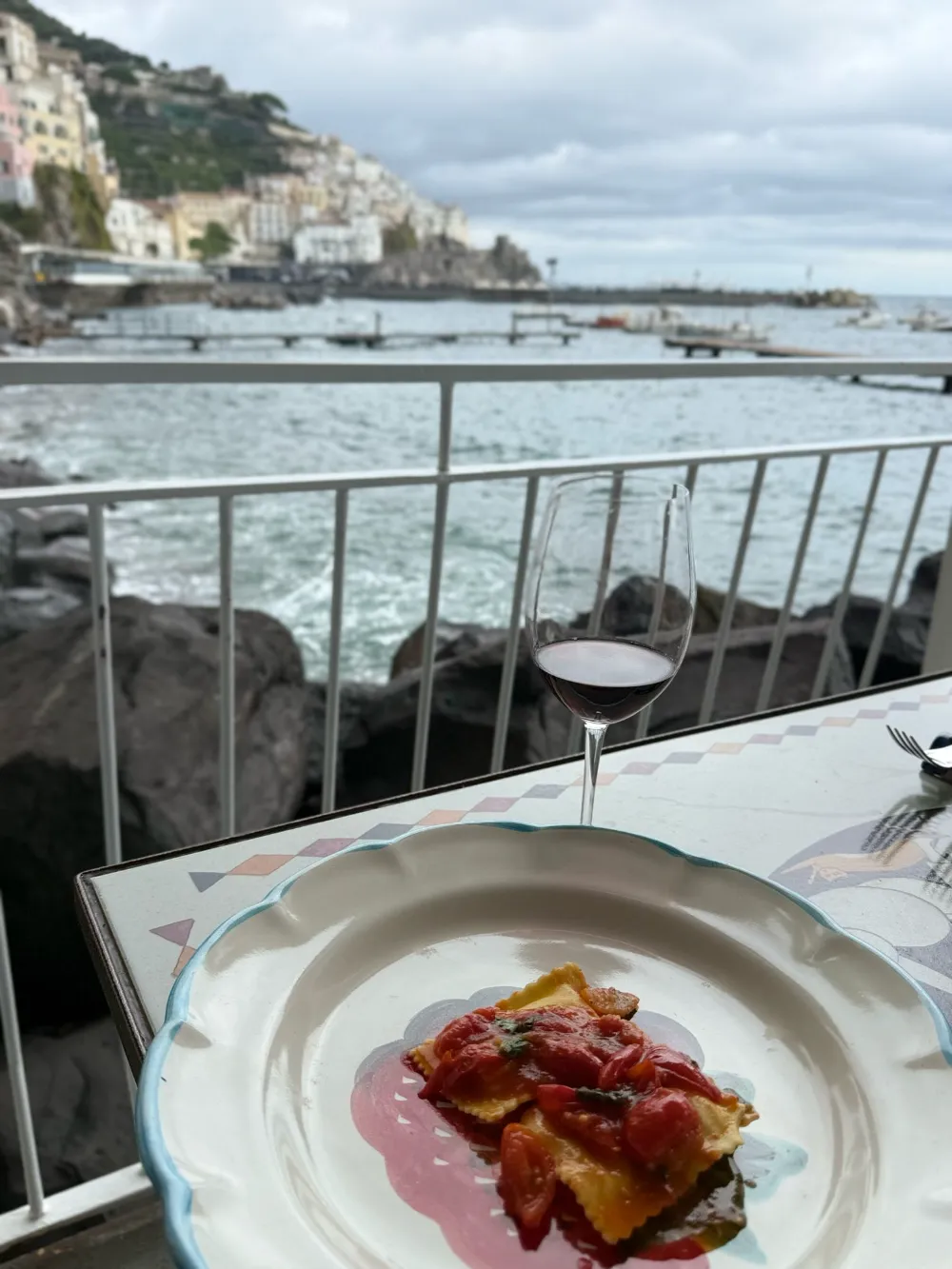
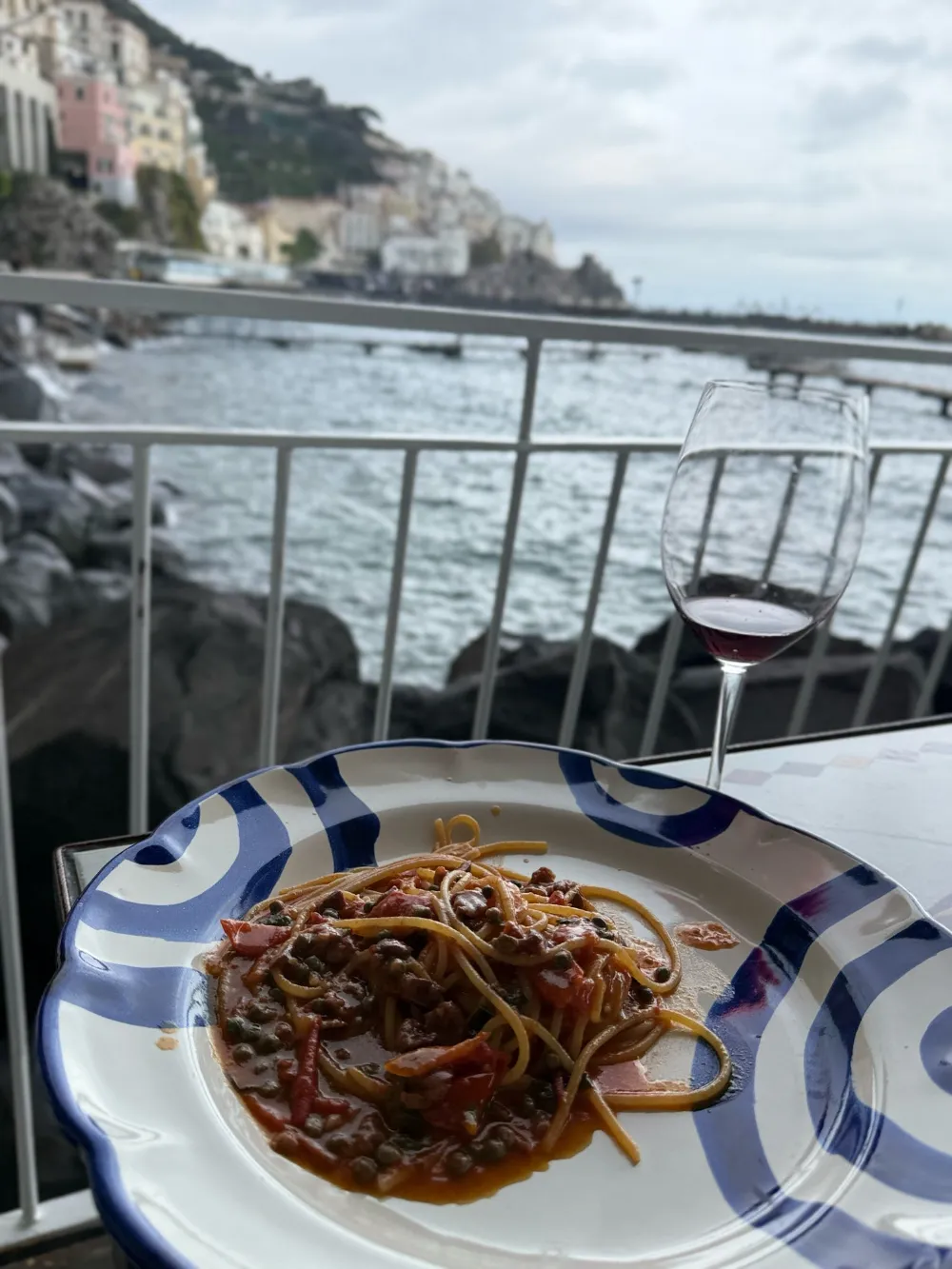
The Amalfi seafront is lined with elegant restaurants where you can enjoy fresh seafood, homemade pasta, and the best views of boats bobbing in the harbor. It’s quieter than Positano in the evenings, but no less charming. You’ll find just enough boutique shops to satisfy your curiosity, though shopping isn’t the main attraction here, it’s more about soaking in the rhythm of coastal life.
For the active traveler, Amalfi also makes a great base to experience one of the most breathtaking hikes in southern Italy, the Path of the Gods (Il Sentiero degli Dei). The trail winds high above the coastline, offering sweeping views that make you feel as if you’re walking through the sky. It’s not for everyone, there are plenty of stairs and exposed edges, but for those who love adventure and photography, it’s unforgettable.
Amalfi also offers some wonderful luxury properties, many of them perched on cliffs or tucked into old monasteries overlooking the sea. And because the layout of the town is more manageable, it’s also a great option for families or travelers who prefer a slower pace without sacrificing elegance or access.
I often recommend Amalfi to clients who want that authentic coastal experience, a mix of history, sea views, and relaxed living, but also want to actually enjoy walking to dinner without needing a mountain guide.
Here, life unfolds at the perfect pace: gentle, scenic, and beautifully Italian.

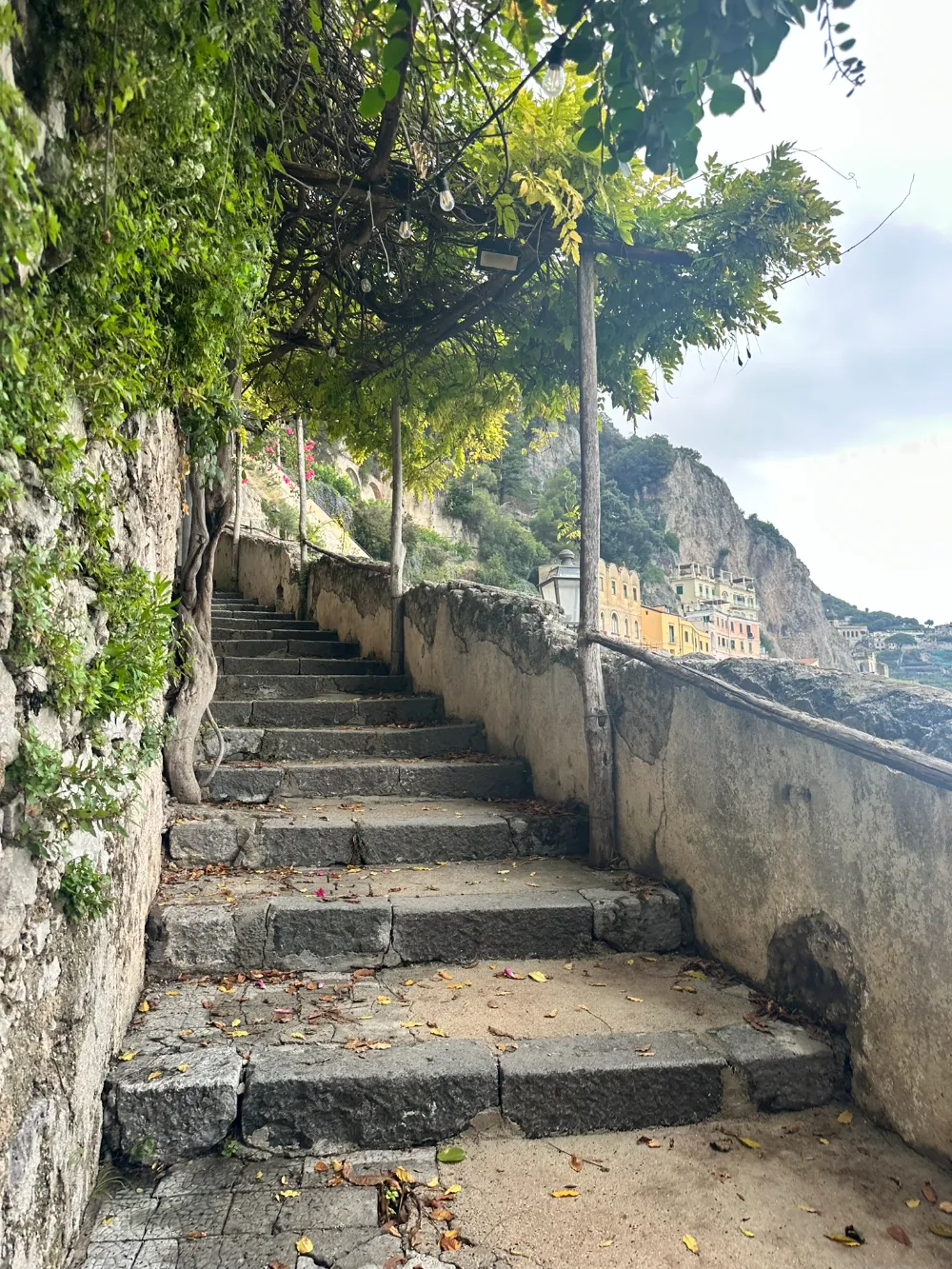
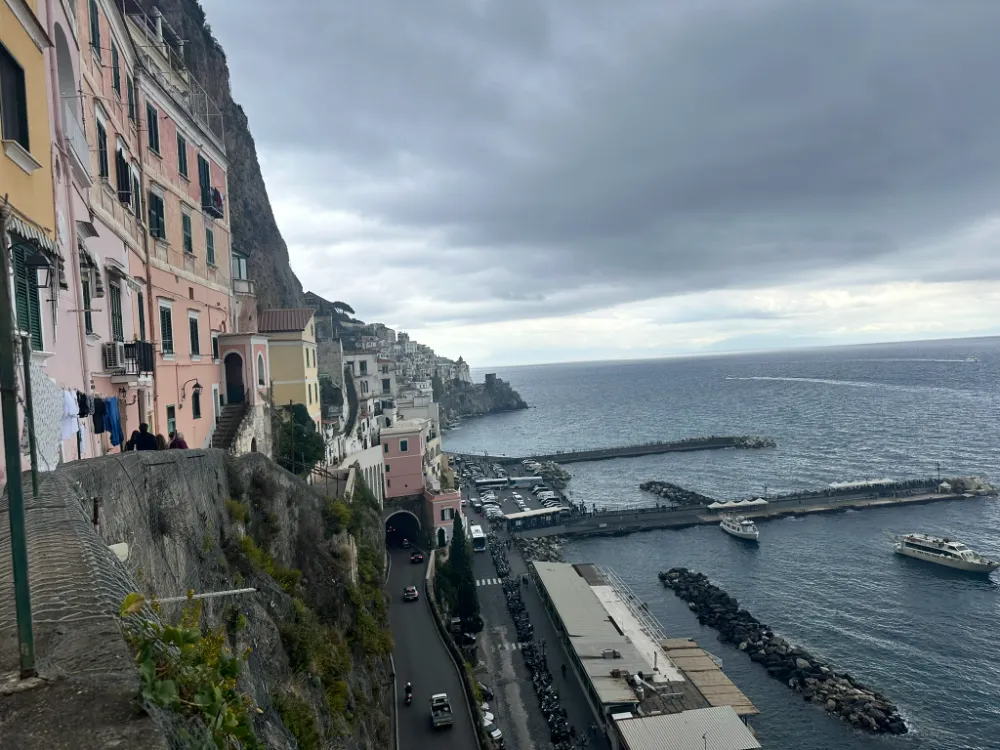
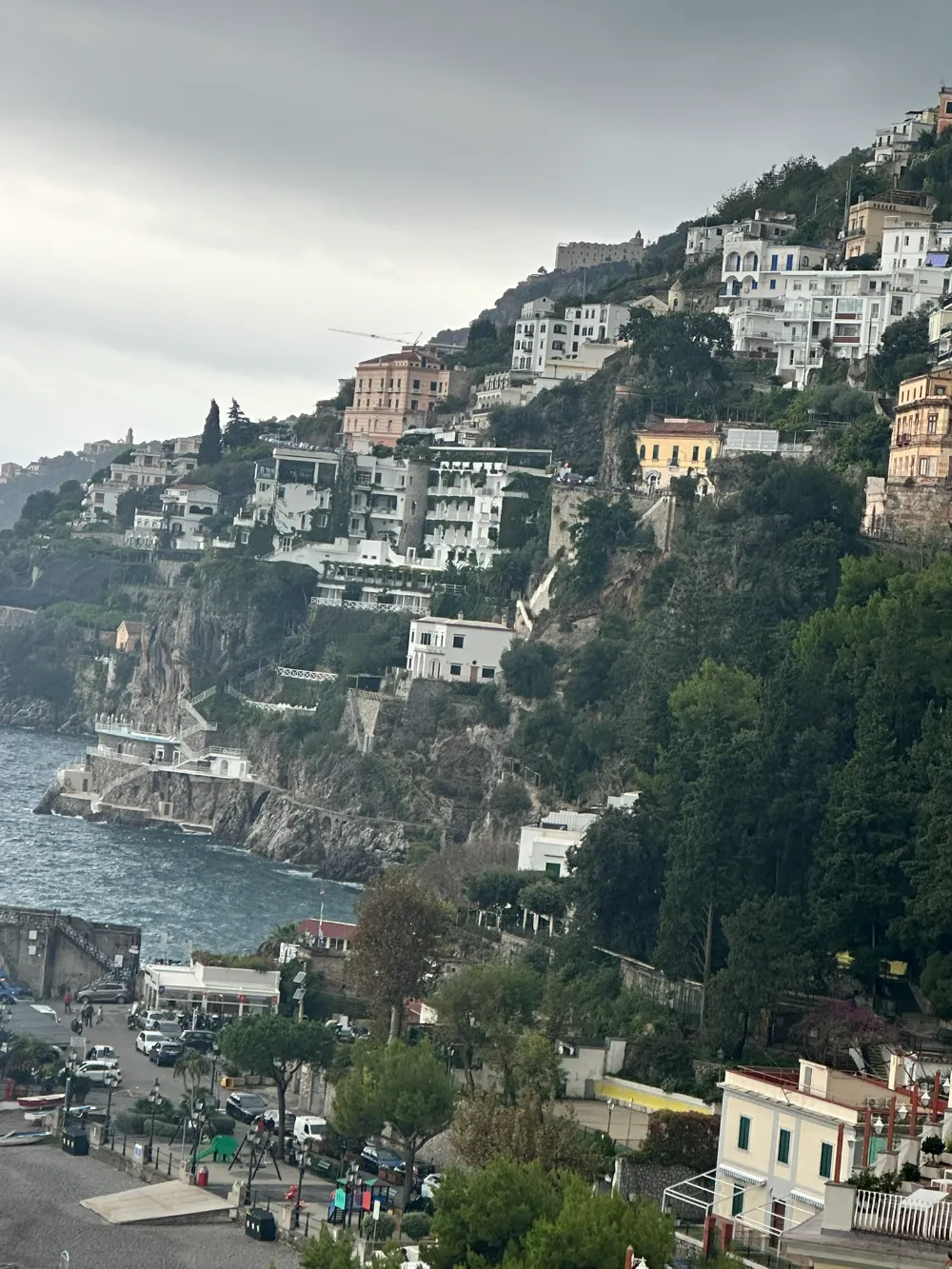

Ravello: The Refined Soul of the Amalfi Coast
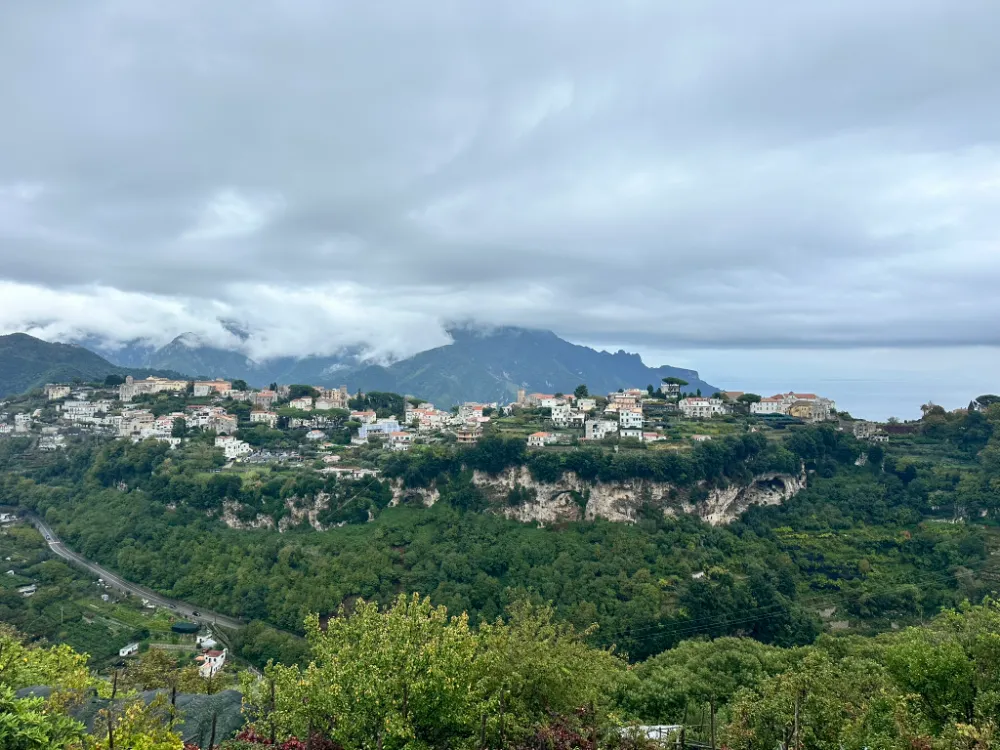
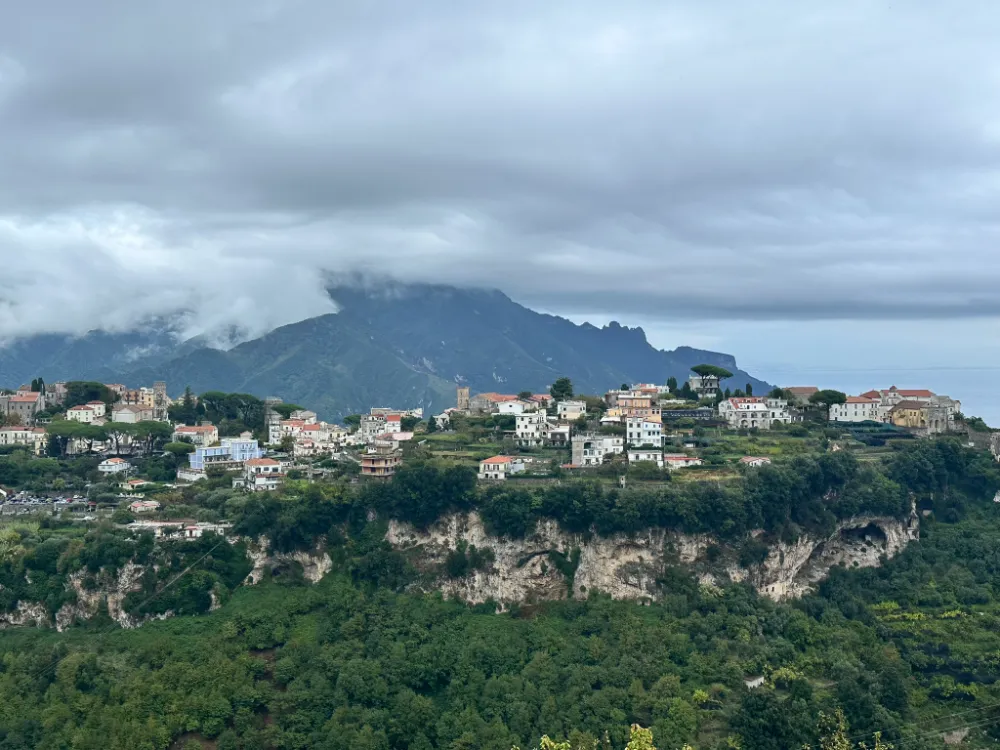
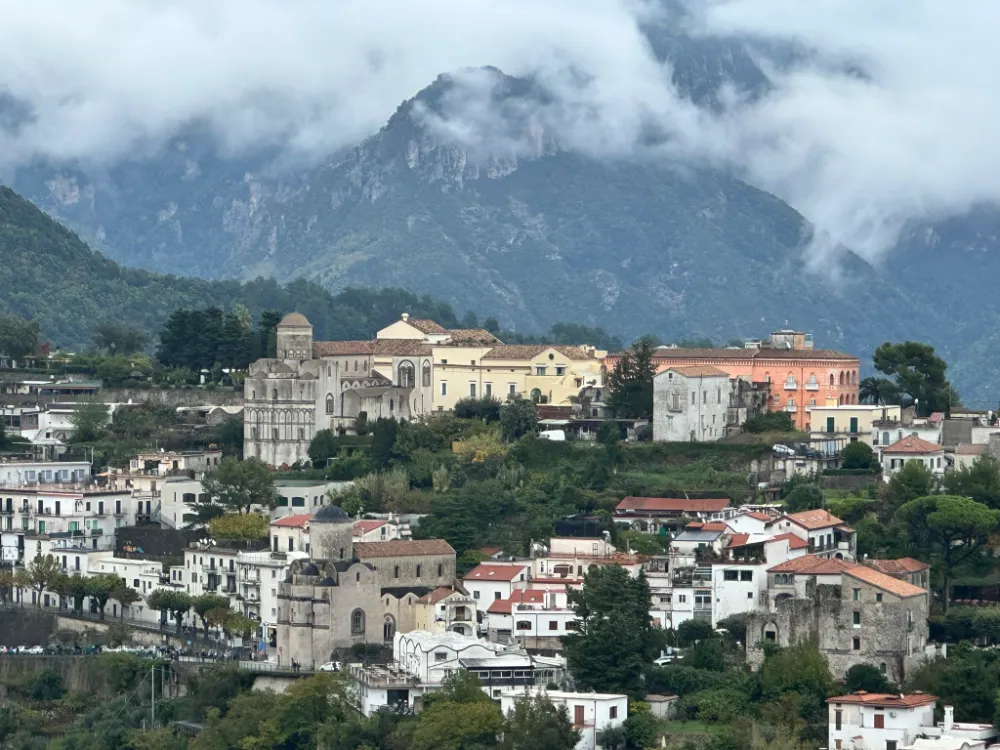
Perched high above Amalfi, Ravello feels like it belongs to another world entirely, quieter, gentler, and infinitely more serene. While the rest of the coastline hums with traffic and tourists chasing sea views, Ravello rises above it all, both literally and figuratively. It’s not a place you stumble upon; it’s a place you choose, and that’s exactly what makes it so special.
Getting there means a short, winding drive up from Amalfi, and with every turn, the view becomes more expansive. By the time you reach the top, you’ll understand why so many writers, artists, and composers have called this hilltop village their muse. Ravello is, quite literally, the town of music.
For centuries, it has been a sanctuary for creatives. Richard Wagner found inspiration here for Parsifal, and that same artistic spirit still echoes through its cobbled streets. Each summer, the Ravello Festival transforms the town into a stage, with world-class musicians performing under the stars, overlooking the glittering coastline below. It’s one of the most breathtaking concert settings in the world, the kind that gives you goosebumps before the first note is even played.
The town itself sits about 1,200 feet above sea level, so while you’re technically still part of the Amalfi Coast, you’re far removed from the crowds and chaos below. The views from Villa Rufolo are some of the most photographed in southern Italy, and for good reason, standing on its terrace feels like floating above the sea.
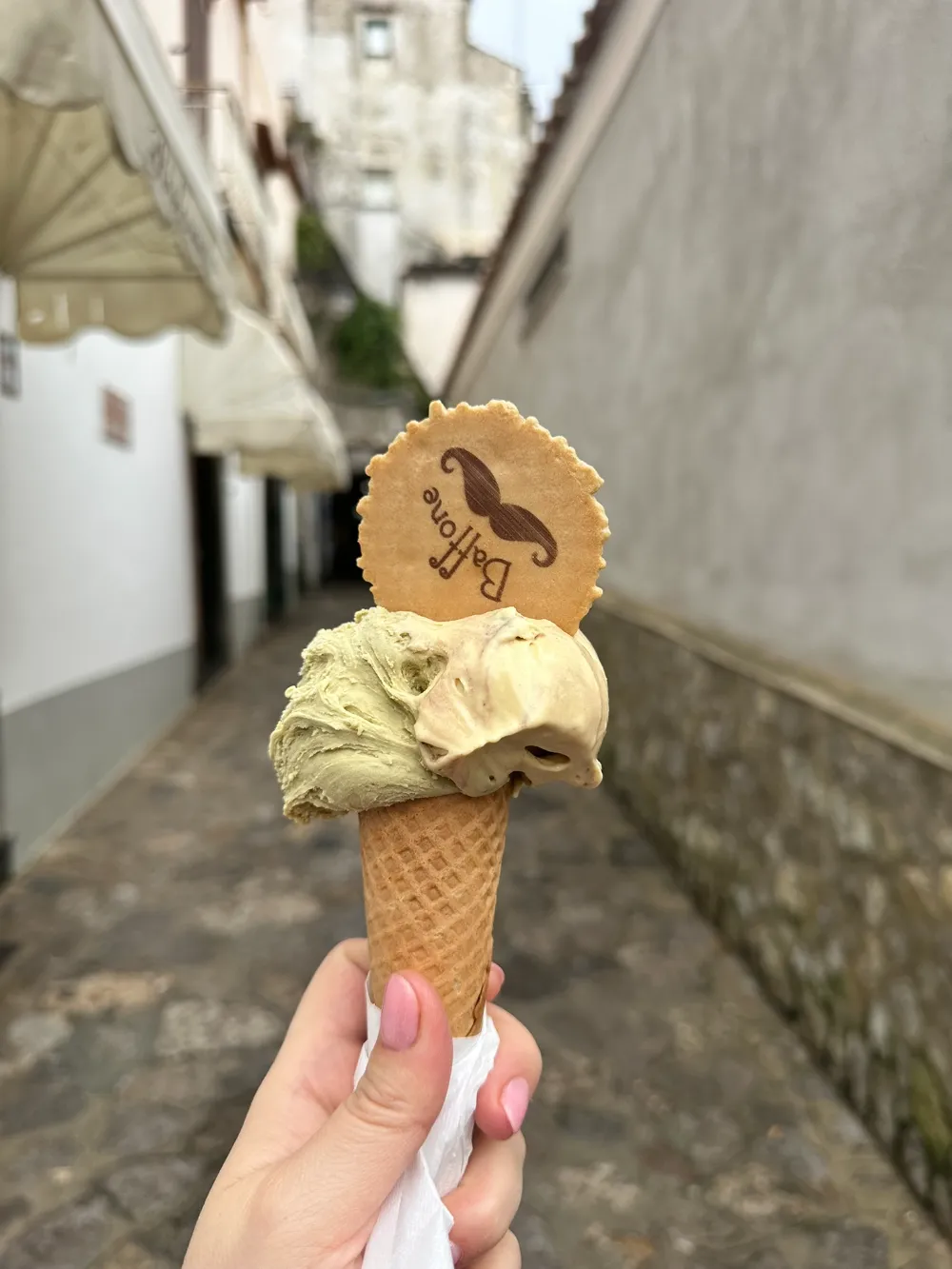
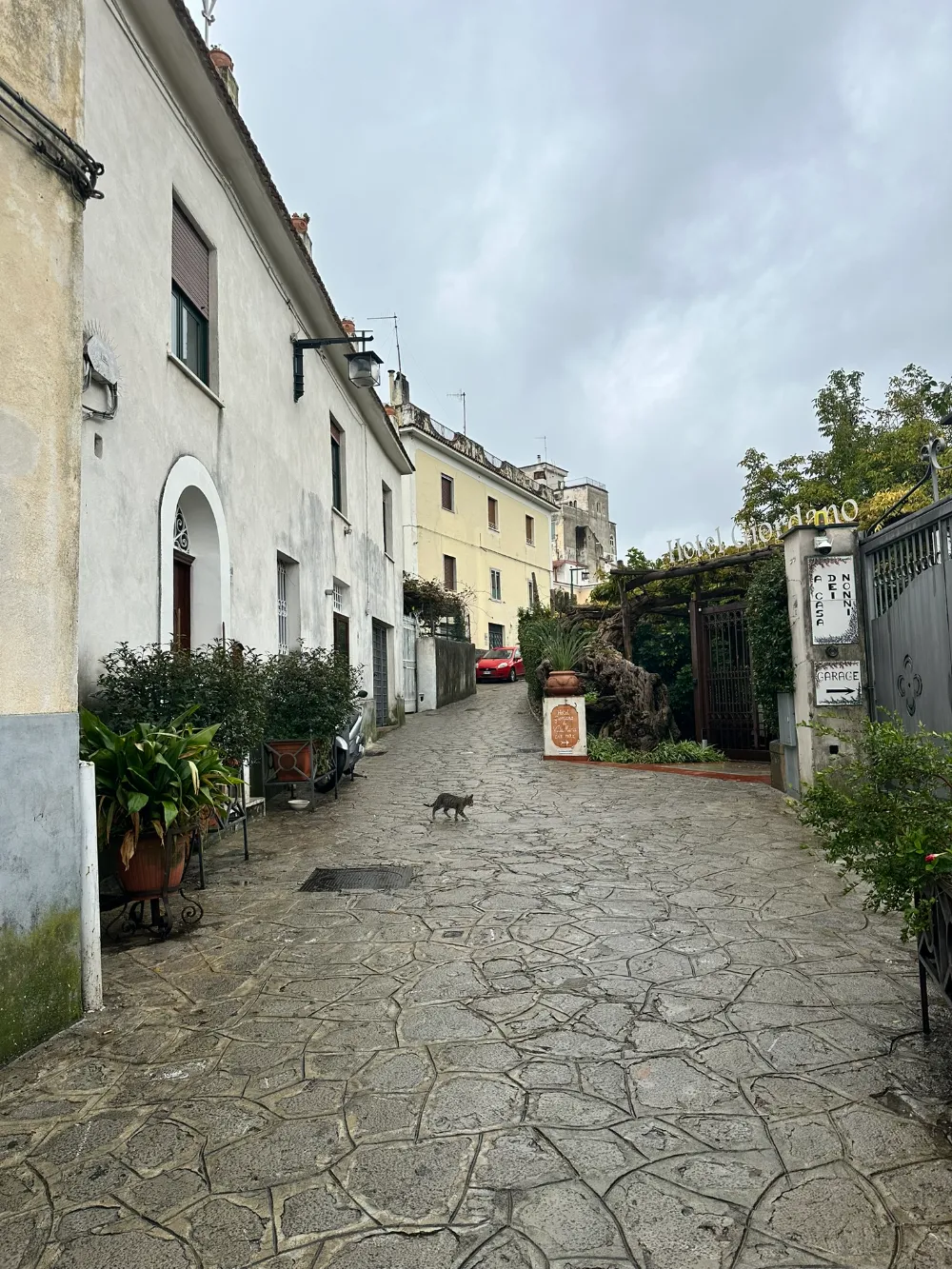
What sets Ravello apart is its intimate atmosphere. This is where you come to slow down, breathe, and truly enjoy the moment. You won’t find crowded beaches or nightlife here; instead, you’ll find elegant gardens, hidden courtyards, boutique shops, and small family-run restaurants where you can linger over a glass of wine and homemade pasta while the church bells echo through the valley.



Refined calm above the coast
Ravello is home to some truly exceptional luxury hotels and villas, many converted from historic estates with terraced gardens and infinity pools that seem to merge with the horizon. It’s a destination that speaks to those who appreciate privacy, tranquility, and beauty in its most refined form.
For my clients, I often recommend Ravello to:
Couples and honeymooners looking for romance in a tranquil, refined setting.
Music and art lovers, who will feel completely at home amid its concert halls and open-air performances.
Well-traveled guests and older clients who value calm, comfort, and culture over crowds.
Days in Ravello are filled with music, art, and slow pleasures, cooking classes in private villas, leisurely walks through lemon-scented gardens, wine tastings with a view. Evenings are candlelit and quiet, often accompanied by the faint sound of live music drifting through the town square.
Ravello isn’t about seeing everything, it’s about feeling everything. For travelers who want their Amalfi Coast experience to be as soulful as it is scenic, Ravello is the perfect encore.
Finding Your Perfect Match on the Amalfi Coast
So — Sorrento, Positano, Amalfi, or Ravello?
They share the same sun, sea, and soul, yet they couldn’t feel more different once you’re there. That’s what makes this coastline so magical, there isn’t just one “right” place to stay, only the one that fits you.
Sorrento is the best choice if you want ease and accessibility, the perfect hub for exploring southern Italy without the challenges of cliffside driving. It’s vibrant and full of life, ideal for families, first-timers, and travelers who love variety.
Positano is for those who want to live the dream, romantic, iconic, and endlessly photogenic. Best for honeymooners, couples, and adults craving that cinematic coastal glamour, even if it comes with a few steep climbs.
Amalfi blends history, charm, and comfort. It’s easier to navigate and perfect for families or travelers who prefer a more relaxed rhythm but still want to be surrounded by that unmistakable Amalfi Coast energy.
And then there’s Ravello, perched above it all, refined, artistic, and serene. A haven for music lovers, dreamers, and couples who want to experience the coast through culture and quiet beauty.
In the end, there’s no wrong choice, only the one that feels right for the kind of journey you want to have. And that’s where the planning makes all the difference. My goal is always to listen, to your travel style, your pace, your definition of “perfect”, and then match you to the place that will make it all come alive.
Because the Amalfi Coast isn’t just one destination; it’s a collection of experiences waiting to find the right traveler. When every detail is chosen with intention, the coast doesn’t just look beautiful, it feels effortless.
The Amalfi Coast made effortless
We time routes to the sea and the season. Private drivers and porters arranged ferries handled rooms and tables secured a boat day ready. Tell us your dates and your pace and we will match you to Sorrento Positano Amalfi or Ravello and design the rest. You pack we handle everything.
Frequently Asked Questions
1. Which Amalfi Coast town suits you best?
Choosing the perfect Amalfi Coast town depends entirely on your travel priorities: select Positano for high-octane glamour, nightlife, and iconic vertical views (best for couples willing to climb stairs); choose Ravello for a sophisticated, quiet hilltop retreat focused on music and gardens (best for adults seeking privacy);
2. What is Sorrento like?
Sorrento is often grouped together with the Amalfi Coast destinations, but technically, it’s not part of the Amalfi Coast at all. It actually sits on the opposite side of the Lattari Mountains, or, as locals call them, the “Milk Mountains”, facing the Bay of Naples rather than the Bay of Salerno.
3. What is daily life in Sorrento like?
The historic center is lively and full of character, a maze of cobblestoned lanes lined with artisan shops, gelaterias, and cafés spilling into sunlit piazzas. Walking here is a joy, the terrain is mostly flat, a welcome change from the vertical climbs of Positano or Amalfi.
4. What is Positano like?
If you’re visiting Positano as a day trip from Sorrento, it will be the first stop on your Amalfi Coast discovery, and what a spectacular introduction it is. The drive takes about an hour in low traffic, hugging the coastline the entire way. You’ll want to stop for photos more times than you can count (and I highly recommend that you do).
5. What are Positano's streets and shops like?
Positano’s streets are lined with boutiques and cafés, and it’s nearly impossible to resist them. The linen shops here are legendary, you can have a breezy linen outfit tailored to your measurements in just a few hours, and local artisans still handcraft leather sandals right in front of you.

Csilla Dali
Founder & Lead Travel Advisor
Itineraries to consider
Are You Planning Your Next Vacation?
Check out our top recommendations!