
Picture the version of your trip you actually want.
You leave your home without watching a clock. No crowded terminals, no announcements, no “please line up.” You arrive, step inside, and the day simply… moves. Smoothly. Quietly. On your timing.
That feeling isn’t created by the aircraft photo in the quote. It’s created by the booking process behind it.
This is how we do it: we design the day first, verify who’s legally responsible for the flight, match the aircraft to the mission, lock the terms that protect your flexibility, and plan the ground handling like it’s part of the itinerary, not an afterthought.

1. Start with a “flight brief” (the message that makes sourcing clean)
If you send one clear brief, you’ll get better options, and faster.
What we ask for (in plain language):
Where you’re starting and where you want to end (city + preferred airports if you have them)
Dates + time windows (not just “anytime”)
Passenger count + any special considerations (kids, assistance needs)
Luggage reality (how many, and anything bulky)
Pets (yes/no + size)
A few preferences that matter to you (cabin setup, catering style, privacy handling)
This is where the trip becomes tailored instead of generic.

2. The most important question: “Who is operating the flight?”
This is the backbone of everything: a legitimate charter has an accountable, certificated operator responsible for the flight.
If you’re flying in/through the U.S.
For on-demand charter sold to the public, you’re typically looking for a Part 135 certificated operator. The FAA’s Safe Air Charter program exists specifically to help travelers avoid illegal charter operations, and it provides a way to check FAA-certificated charter operators.
If you’re flying in Europe
Commercial air transport is performed by operators holding an Air Operator Certificate (AOC) issued by the competent authority (under the EASA framework).
What this means for you: whether you book via a broker or directly, you should always be able to see (in writing) who the operating carrier is for each leg.

3. Broker vs operator (either can be excellent, if it’s transparent)
Direct operator booking is great when you already trust the operator and want a straight line of communication.
Broker booking is great when you want fast access to multiple aircraft options and someone to coordinate changes and multi-leg logic.
The only rule we treat as non-negotiable: the actual operator must be clearly identified, not vague, not implied, not “don’t worry about it.”

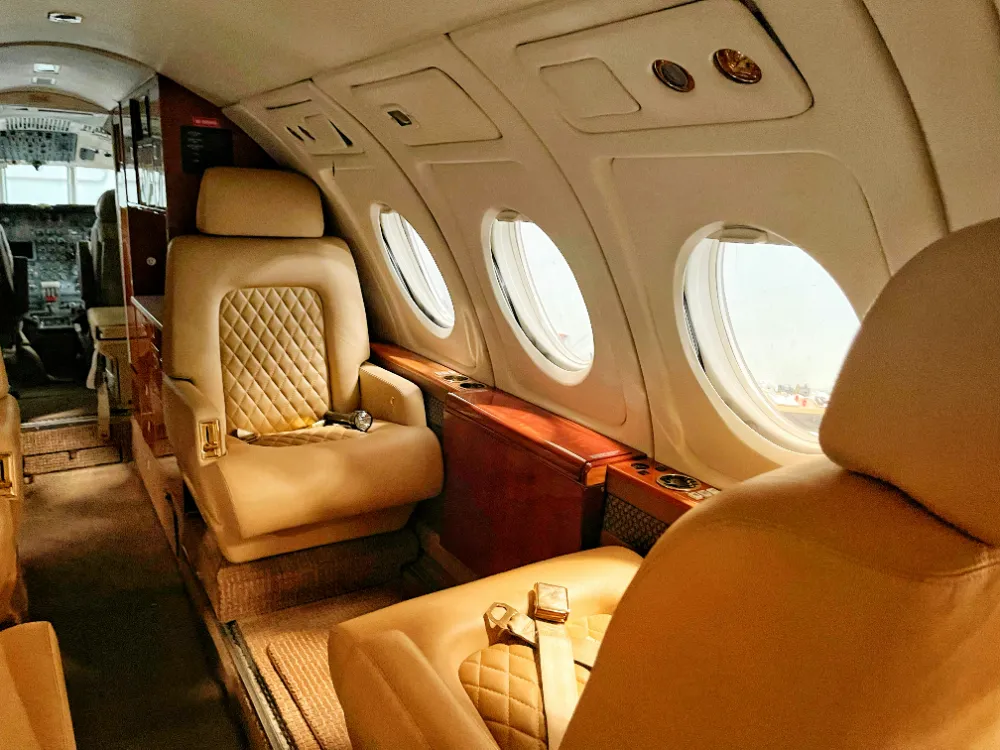
4. Choose the aircraft category like you choose a suite
The goal isn’t “the biggest plane.” The goal is the right cabin for the day you’re trying to have.
Here’s the simple way we frame it:
Light jet: short hops, small group, efficient day
Midsize / super-midsize: the vacation sweet spot (comfort + range + better cabin rhythm)
Heavy / ultra-long-range: long crossings where arriving rested matters
When an aircraft is mismatched, the day shows it: extra stops, cramped comfort, luggage compromises, or limited airport access.

5. The contract details that keep your trip elegant when plans shift
A good charter agreement feels boring in the best way, because it anticipates reality.
We make sure it’s clear on:
Operator of record (again: who is actually operating the flight)
Aircraft details and what’s actually guaranteed (and what can substitute)
Change/cancellation terms that are written plainly (not “we’ll see”)
Liability, insurance availability on request, and payment schedule
If the paperwork feels slippery or overly complex, that’s usually a signal, not a style choice.

6. The “luxury” layer happens on the ground
Most friction doesn’t happen in the air. It happens:
when you arrive
when you move to the aircraft
when you land and transition
So we plan:
terminal handling (timing, privacy, smooth boarding flow)
ground transfers that match the same standard
catering that fits your rhythm (and doesn’t turn into improvisation)
passenger details handled in advance, so nothing is being decided “at the desk”
This is what makes charter feel like a private itinerary, not a transaction.

The red flags we don’t ignore (because the FAA doesn’t either)
Illegal charter operations are a real issue, and the FAA is blunt about the safety risk, hence Safe Air Charter.
What can look “normal” on the surface but still be risky:
evasive answers about who operates the flight
“creative” lease structures that try to blur responsibility
arrangements that resemble “sham dry leases / wet leases in disguise” (the FAA has specifically warned about this pitfall)
If you ever feel you’re being rushed past the accountability question, that’s your cue to slow down.

Safety signals that help (but don’t replace verification)
Think of these as useful indicators, not magic shields:
ARGUS Platinum (audit-based operator safety certification)
WYVERN Wingman (audit programs and mission-focused vetting)
IS-BAO (globally recognized voluntary safety standard for business aircraft operations)
We like these, then we still confirm the operator and the specific trip details.
Make the Travel Day Feel Like Day One
If you are considering charter for your next vacation, we can source the right aircraft, verify the operator, and choreograph the entire day from driveway to destination. You just pack, then step into the trip.
Frequently Asked Questions
1. What actually makes a private jet day feel effortless?
Picture the version of your trip you actually want.You leave your home without watching a clock. No crowded terminals, no announcements, no “please line up.” You arrive, step inside, and the day simply… moves. Smoothly. Quietly. On your timing.That feeling isn’t created by the aircraft photo in the quote.
2. What should you include in your first message when asking for a charter?
One clear brief gets you better options, faster. Include where you are starting and where you want to end, with preferred airports if you have them; your dates and time windows rather than simply anytime; the number of passengers and any special considerations such as children or assistance needs; a realistic idea of your luggage; and whether pets are travelling.
3. Why does it matter who is operating the flight?
This is the backbone of everything: a legitimate charter has an accountable, certificated operator responsible for the flight.If you’re flying in/through the U.S.For on-demand charter sold to the public, you’re typically looking for a Part 135 certificated operator.
4. Is it better to book through a broker or directly with an operator?
Booking directly with an operator works well when you already trust them and want one clear line of communication. A broker works well when you want fast access to several aircraft options and someone to coordinate changes and multi-leg routing. Either can be excellent. The one rule we treat as non-negotiable is that the actual operator must be clearly identified.
5. How do you choose the right size of aircraft?
The goal is not the biggest plane, it is the right cabin for the day you want. A light jet suits short hops with a small group. A midsize or super-midsize is the vacation sweet spot, balancing comfort, range and cabin feel. A heavy or ultra-long-range aircraft is for long crossings where arriving rested matters.

Csilla Dali
Founder & Lead Travel Advisor
Itineraries to consider
Are You Planning Your Next Vacation?
Check out our top recommendations!