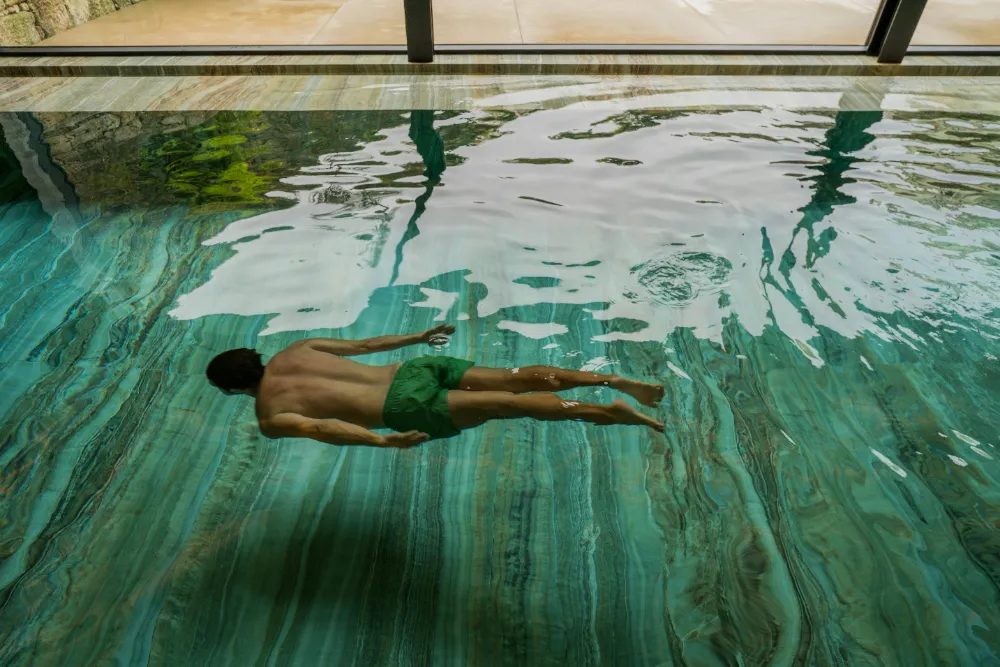
For the modern high-end traveler, wellness is no longer just about the treatment—it is about the sanctity of the environment in which it occurs. Privacy-first retreats have redefined the luxury landscape by offering "invisible service" and secluded environments where recovery happens away from the public eye. Whether it is a private-island sanctuary in the Maldives dedicated entirely to holistic health, a high-tech medical wellness clinic in the Swiss Alps with private arrival corridors, or a remote desert oasis where therapies are conducted in the solitude of a personal villa, these destinations prioritize total discretion. By combining state-of-the-art diagnostic technology with ancient healing traditions in a secure, low-density setting, these retreats provide the mental and physical space required for true transformation.
A typical moment we hear is quiet and simple. You have a few days or a week carved out. You want to feel better, sleep deeper, move without stiffness, and stop carrying the weight of a full calendar in your body. You also do not want a retreat that turns wellbeing into a public activity. No group energy. No communal pressure. No performance.
What you want is a place where recovery is normal, privacy is built in, and the experience is run with the same level of precision you expect from the rest of your life.
Here is the clearest way to choose a luxury wellness retreat worldwide when comfort and discretion are non negotiable, and when you want results that feel natural rather than forced.
In plain terms, the right luxury wellness retreat is the one that matches your goal and your preferred level of structure, while quietly protecting your privacy at every touchpoint. The biggest mistake we see is choosing a beautiful spa hotel when you actually need a program, or choosing a strict program when what you need is rest, space, and a calm rhythm.
Start by choosing the retreat type, not the destination
Luxury wellness is a broad label. At the top end, it usually falls into three distinct styles, and each one creates a very different week.
A spa led luxury resort is the right tool when you want comfort, calm, and flexibility. Your days are built around treatments, quiet movement, and long gaps of unstructured time. Done well, this is the most elegant way to recover from pace, travel fatigue, or decision overload.
A program led retreat is the right tool when you want a guided rhythm. There is a plan, typically anchored by consultations, treatments with a purpose, movement, and food that supports your goal without becoming rigid. The best programs feel like a private framework, not a bootcamp.
A clinic style medical wellness retreat is the right tool when you want deeper assessment and oversight. These places often begin with a more structured intake, and the plan may include targeted consultations and diagnostics. The best ones still feel calm and beautifully run, but the intent is more strategic than purely restorative.
We typically guide clients to decide this first because the wrong type can make even the most expensive property feel like the wrong week. When the type is right, the destination becomes a matter of taste and logistics.
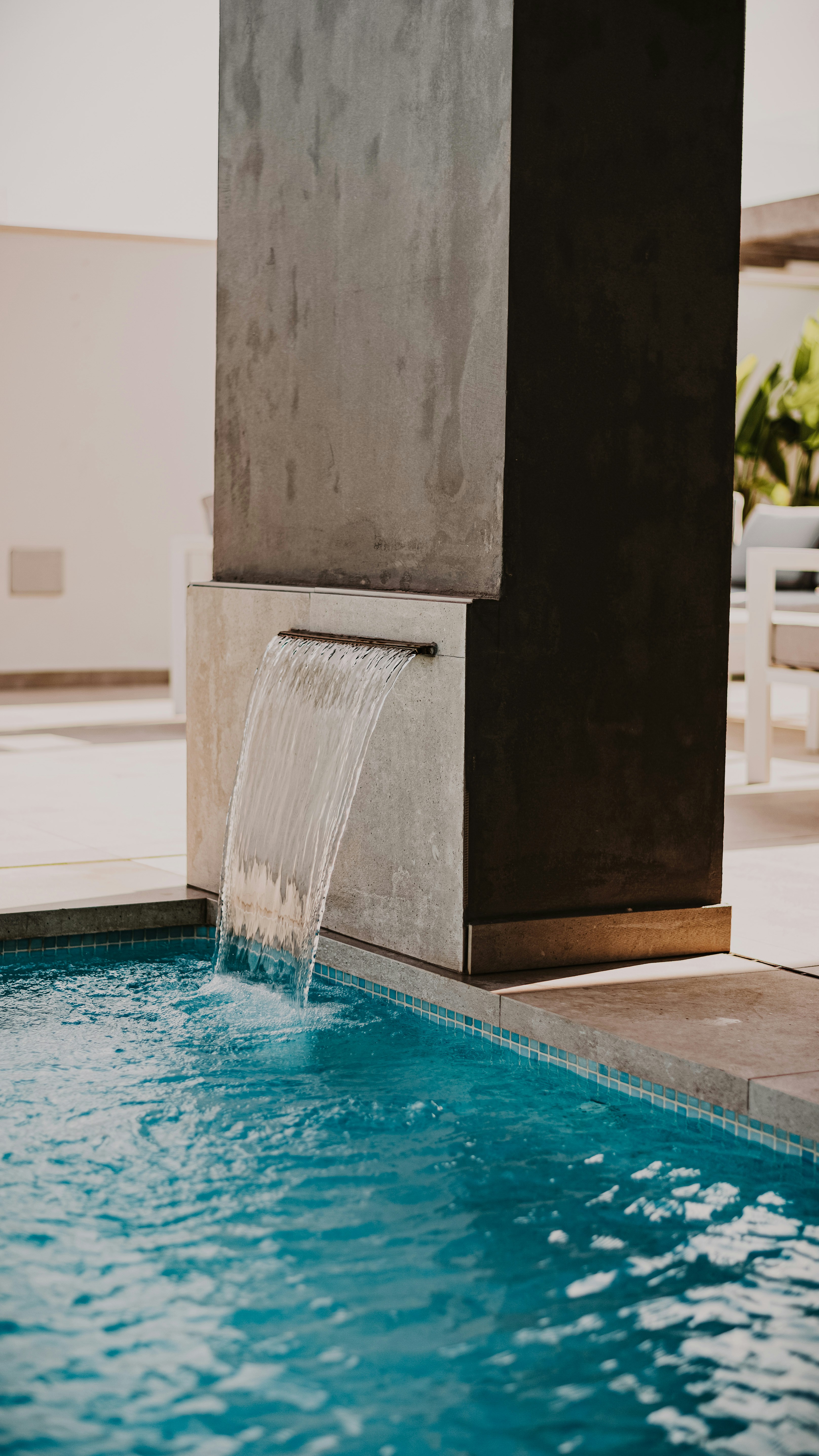
Privacy is not a preference, it is an operating system
At this level, privacy is not solved by a polite note on a booking. It is solved by design and by logistics.
A truly privacy first wellness stay looks like a week where you rarely have to explain yourself. You can arrive quietly, eat quietly, and move through your days without being pulled into communal rhythms. The staff understands pacing and discretion without making it feel clinical.
When we plan a privacy first retreat, we confirm a few basics early because they change everything:
• Private transfers and discreet arrival handling
• Low visibility check in timing and process
• Private dining options that feel normal, not like an exception
• The ability to schedule treatments and movement privately
• A room category that protects quiet, light control, and personal space
If a property cannot deliver most of this consistently, it may still be luxurious, but it is not privacy first. That distinction matters, especially when your goal includes nervous system recovery and sleep repair.
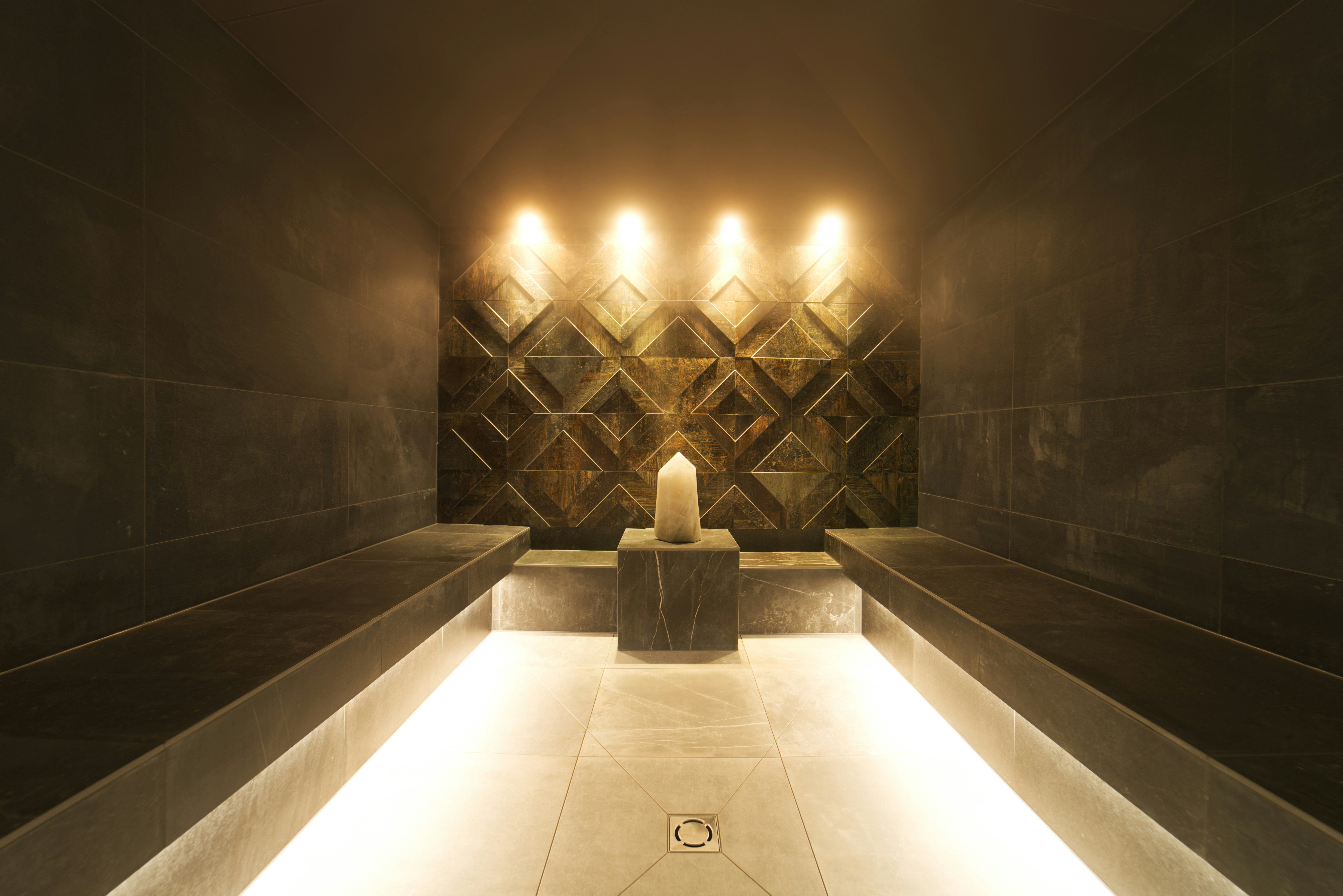
Your room is the real wellness suite
In the luxury wellness world, the spa is important, but your room is where the outcome is decided. Sleep, calm, and the feeling of being unobserved all begin there.
We look at practical details that rarely appear in marketing language. Light control matters. Not just curtains, but true darkness. Layout matters. Not just square meters, but whether the room allows you to settle. Noise protection matters. Not just a quiet promise, but placement and insulation.
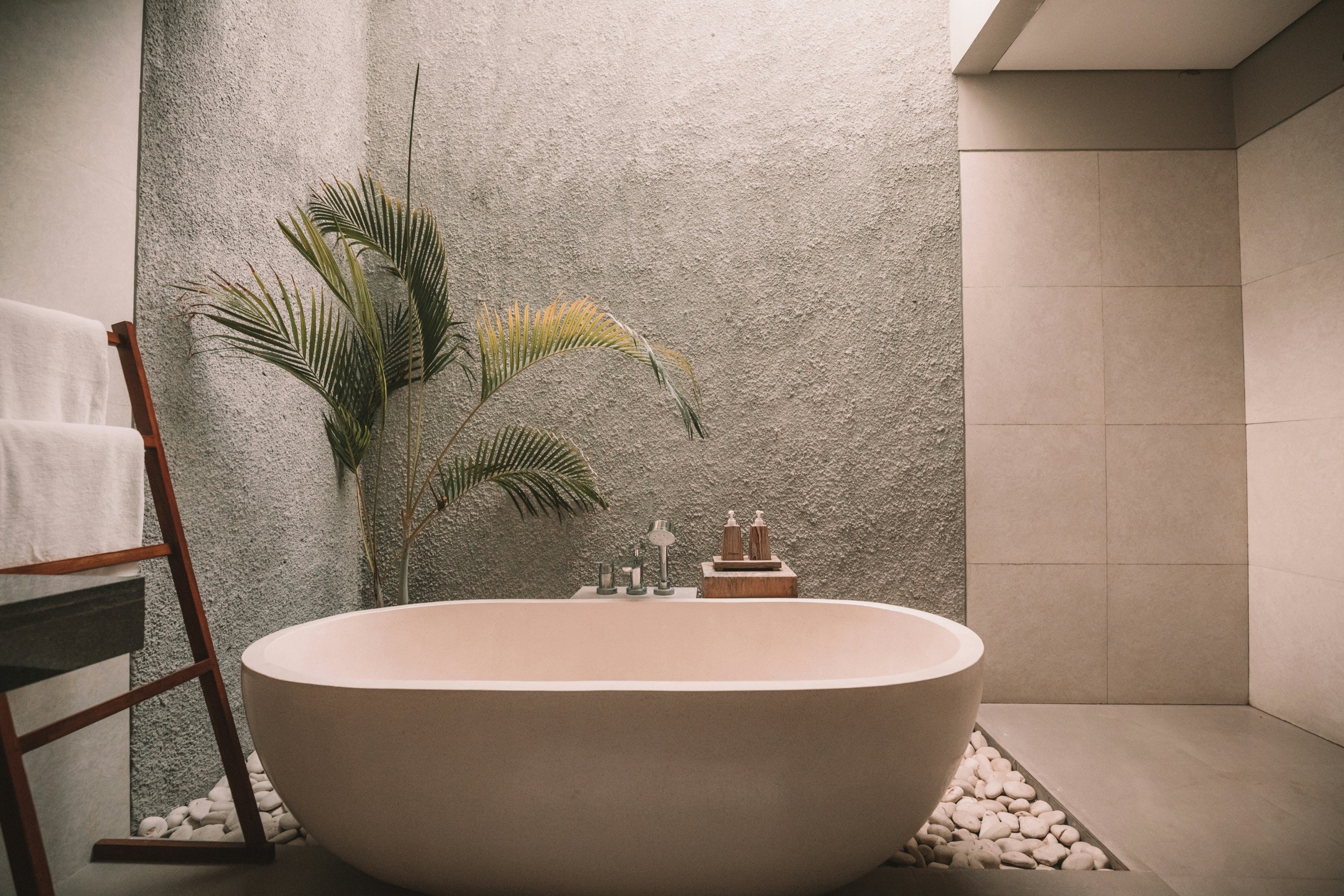
If you want the week to feel restorative, choose the room category the way you would choose a seat on a long flight. Pay attention to what reduces friction. A comfortable bathroom flow. Space to stretch. A terrace where you can breathe without being perceived. These details are not indulgences. They are the container that lets your body shift into recovery.
Structure should support you, not run your life
High end travelers often assume that more structure equals better results. In reality, the best outcomes come from the right amount of structure, not the maximum.
If your goal includes burnout recovery, sleep repair, or stress stabilization, an overpacked schedule can backfire. Even if every item is healthy, a day that feels managed can keep your nervous system in alert mode.
A calm, effective rhythm often looks like one meaningful anchor per day, plus space. A treatment that changes how you feel in your body. A movement session that is tailored, not performative. A consultation early in the stay that aligns the week. Then long blocks of unstructured time so the work can integrate.
If you want longevity focused support or metabolic change, structure becomes more valuable, but it still needs flexibility. Luxury is being able to opt out without guilt, and still feel that the week is moving in the right direction.
Food should make you steady, not strict
The fastest way to feel better on a retreat is rarely a dramatic approach. It is consistency, hydration, and a food rhythm that supports energy and sleep.
Luxury travelers do best when food feels personal and effortless. You should not be negotiating every meal. You should not be forced into a communal dining scene if you value privacy. You should not feel like the only way to participate is to follow a rigid doctrine.
We prefer properties that can deliver calm personalization. Timing that supports sleep. Enough protein to keep energy stable. Clean, satisfying options that do not feel punishing. Quiet dining setups that do not make you feel isolated, just private.
If you leave a retreat feeling more stable, you are far more likely to continue the good parts of it at home. That is the real measure of a successful wellness week.
Movement and bodywork should feel bespoke, not social
At luxury level, movement is not about proving discipline. It is about restoring range, easing tension, rebuilding confidence in your body, and improving sleep.
The best retreats offer movement that can be scaled to your real baseline. Private sessions that focus on mobility, strength, and posture. Walks that are optional and quiet. Stretching and bodywork that supports how you actually travel and work.
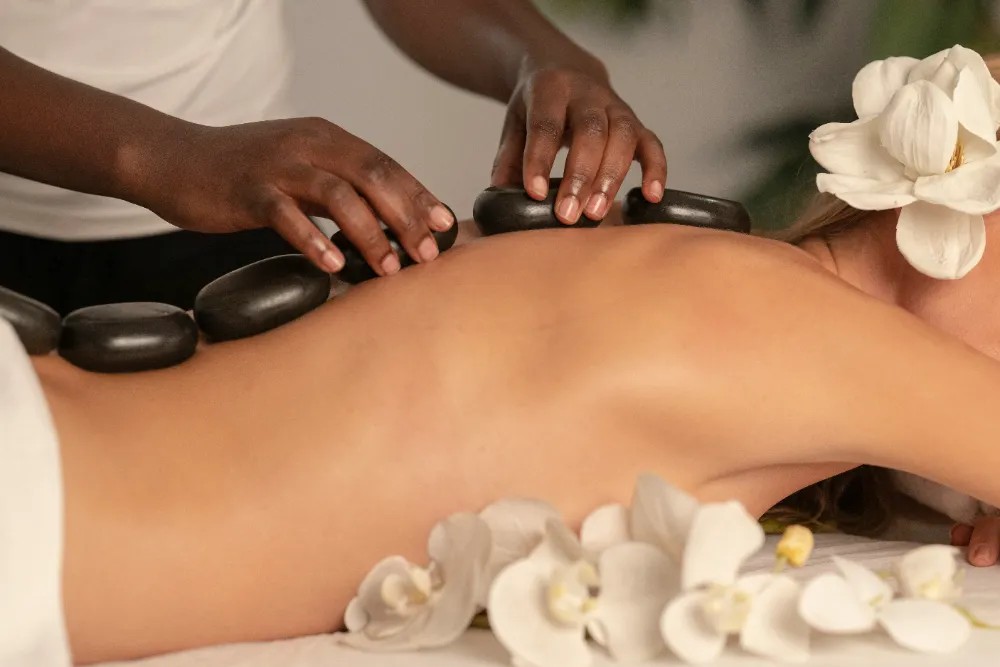
Bodywork is where many high end travelers feel the biggest immediate shift, especially when it is targeted. Not a generic massage, but work that addresses travel tightness, jaw tension, neck and shoulder load, hips, lower back, and overall stress holding patterns.
A small detail that changes the whole experience is whether the retreat can keep this private. Some places do excellent work but run it through group formats. If group energy drains you, we plan around that from day one.

When deeper assessment matters, choose it deliberately
There is a moment when a spa week is not enough. If you want a clearer understanding of what is driving fatigue, poor sleep, inflammation patterns, or recurring pain, a clinic style approach can be valuable.
The key is to choose it deliberately rather than by prestige. The most effective medical wellness retreats are the ones that translate information into an actionable plan you can live with. They are calm, discreet, and precise. They do not feel like a performance of science. They feel like a well run private framework.
If you do not need this level of oversight, you can often get a better outcome with a simpler retreat that prioritizes rest, movement, and sleep conditions. Many travelers are surprised by how much changes when the environment is quiet and the rhythm is gentle.

Location matters less than you think, until it matters a lot
Luxury wellness exists worldwide, but the destination only helps if it supports the outcome.
For deep rest and sleep repair, we often prioritize places where time slows naturally. Nature settings, low stimulation environments, and short transfers. For targeted work, a location with excellent practitioners and easy logistics can be a better fit, even if it is less romantic.
Travel time and time zones matter. A week that begins with a hard journey can reduce the benefit if you do not plan the pacing. We often build in a soft arrival strategy. Quiet first day. Early dinner. A treatment that supports sleep. Minimal commitments until your body settles.
This is one reason privacy first planning is so valuable. When the logistics are handled quietly, your system relaxes earlier, and the retreat begins on day one instead of day three.

The red flags that luxury travelers notice too late
In post stay feedback, the disappointments are rarely about thread count or decor. They are about friction.
A property can be beautiful and still feel exposed. Communal dining that you cannot avoid. Public waiting areas that turn treatments into a social scene. A schedule that feels rigid. A wellness approach that feels like a trend rather than a thoughtful plan.
Another common issue is the mismatch between the promised outcome and the actual operating style. A spa hotel that uses wellness language but has limited depth. A program that is branded as calm but runs like a high intensity week. A clinic that feels too clinical for your emotional baseline.
Luxury travelers are not looking for perfection. They are looking for fit.
The questions that matter most, and why they change the outcome
The first question is what you want to feel different when you leave. Not what you want to do, but what you want to feel. Sleep, calm, energy, mobility, clarity, or a more strategic understanding of your health. This single decision determines whether you need a spa led week, a program, or a clinic style retreat.
The second question is how much structure you truly want. Some people recover through freedom. Others recover through a gentle plan. If structure feels like pressure to you, we build a rest first week. If freedom feels like drifting, we build a guided rhythm.
The third question is your privacy threshold. Not in theory, but in practice. Do you want private dining. Private sessions. Quiet zones. Minimal visibility. This determines which properties are realistic options and which ones will disappoint you even if they are prestigious.
The fourth question is what conditions protect your sleep. Light control, quiet, pacing, and evening rhythm. Many people overinvest in treatments and underinvest in sleep conditions. The sleep environment is often the highest leverage choice you can make.
The fifth question is what kind of support you want to take home. A retreat is not just a week. It is a reset point. The best retreats leave you with a sustainable plan, not a complicated identity shift. That plan can be simple, but it should be yours.
When we align these answers early, the retreat selection becomes calm. You are no longer choosing a brand. You are choosing an experience design that supports how you live.
Privacy First, Results Without the Noise
If you want a retreat that feels quiet, discreet, and genuinely restorative, we will match the right retreat style to your goal, then handle the details so you only have to arrive and exhale.
Frequently Asked Questions
1. How do you choose a wellness retreat when privacy matters most?
For the modern high-end traveler, wellness is no longer just about the treatment—it is about the sanctity of the environment in which it occurs. Privacy-first retreats have redefined the luxury landscape by offering "invisible service" and secluded environments where recovery happens away from the public eye.
2. Should you start with the retreat type or the destination?
Luxury wellness is a broad label. At the top end, it usually falls into three distinct styles, and each one creates a very different week.A spa led luxury resort is the right tool when you want comfort, calm, and flexibility. Your days are built around treatments, quiet movement, and long gaps of unstructured time.
3. What does real privacy look like at a retreat?
At this level, privacy is not solved by a polite note on a booking. It is solved by design and by logistics.A truly privacy first wellness stay looks like a week where you rarely have to explain yourself. You can arrive quietly, eat quietly, and move through your days without being pulled into communal rhythms.
4. Why does the room matter so much?
In the luxury wellness world, the spa is important, but your room is where the outcome is decided. Sleep, calm, and the feeling of being unobserved all begin there.We look at practical details that rarely appear in marketing language. Light control matters. Not just curtains, but true darkness. Layout matters.
5. What should the food be like?
The fastest way to feel better on a retreat is rarely a dramatic approach. It is consistency, hydration, and a food rhythm that supports energy and sleep.Luxury travelers do best when food feels personal and effortless. You should not be negotiating every meal. You should not be forced into a communal dining scene if you value privacy.