The optimal way to experience the cultural triangle of Seville, Cordoba, and Granada is by utilizing Spain's high-speed AVE train network for inter-city travel, while reserving private transfers for the final leg to Malaga. However, the critical logistical hurdle for any Andalusia itinerary is securing tickets to the Alhambra in Granada, which must be booked 3to 4 months in advance. Evyssa Vacations manages these high-stakes reservations and coordinates private guides for the Mezquita and Alcazar, ensuring you experience the rich Moorish history without the stress of sold-out venues or navigating restrictive train schedules.
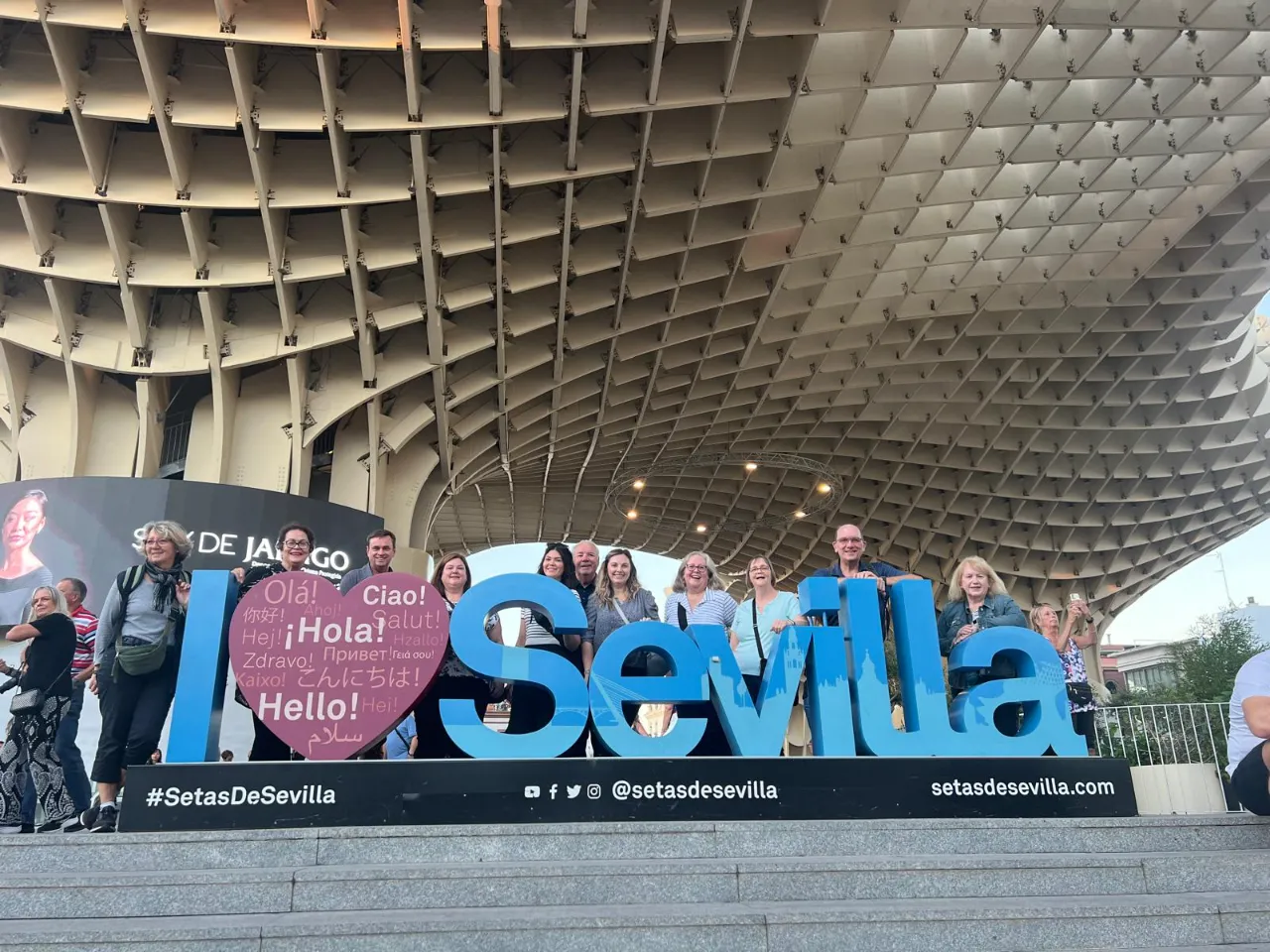
This last trip was a little extra special: it was a group vacation hosted by the Spanish Tourism Board. A few lucky travel advisors(including yours truly) got the chance to dig a little deeper into Andalucia, and experience how it’s evolved since the last time I wandered through. Spoiler: It’s still absolutely magical.

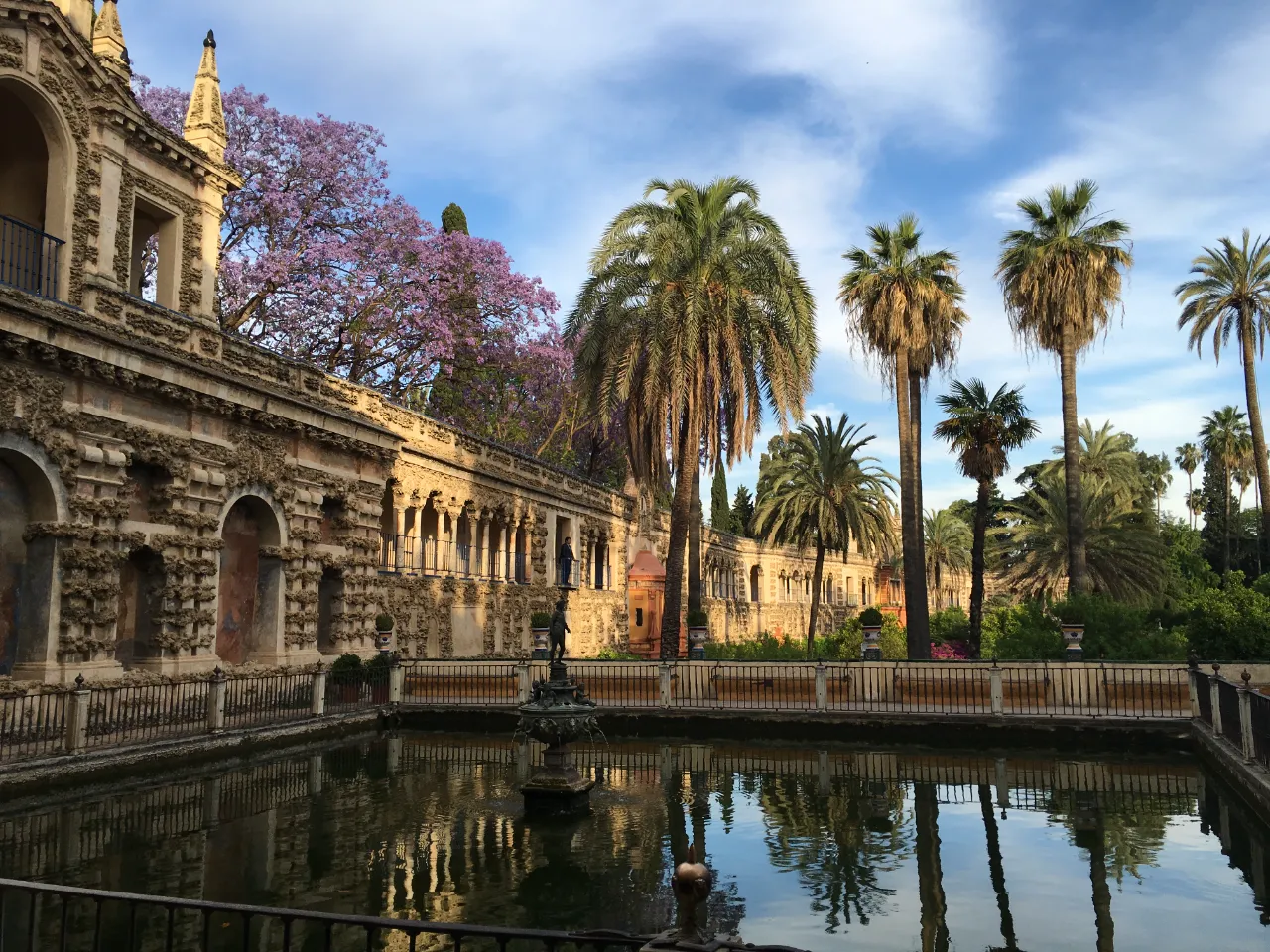
First Stop: Sevilla (Again... and I’m Not Mad About It)
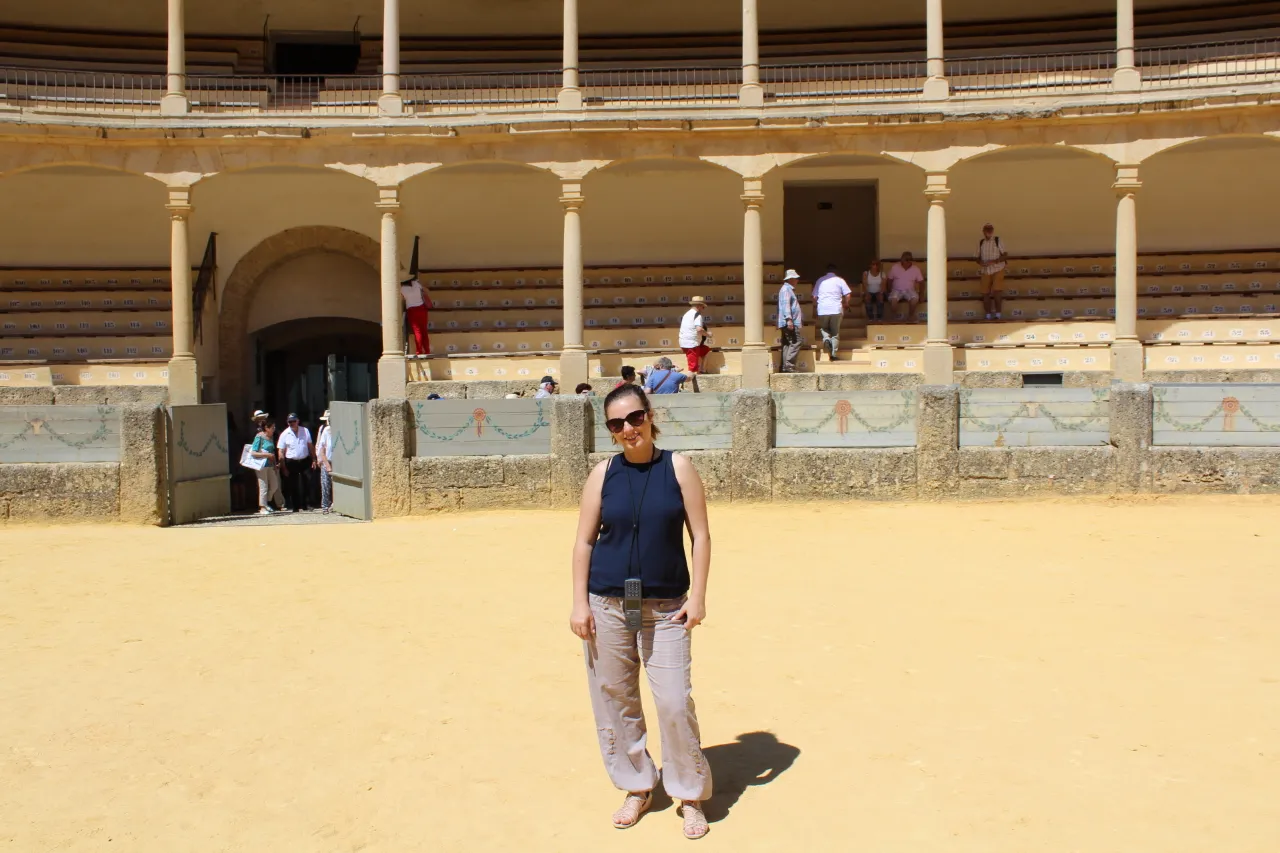
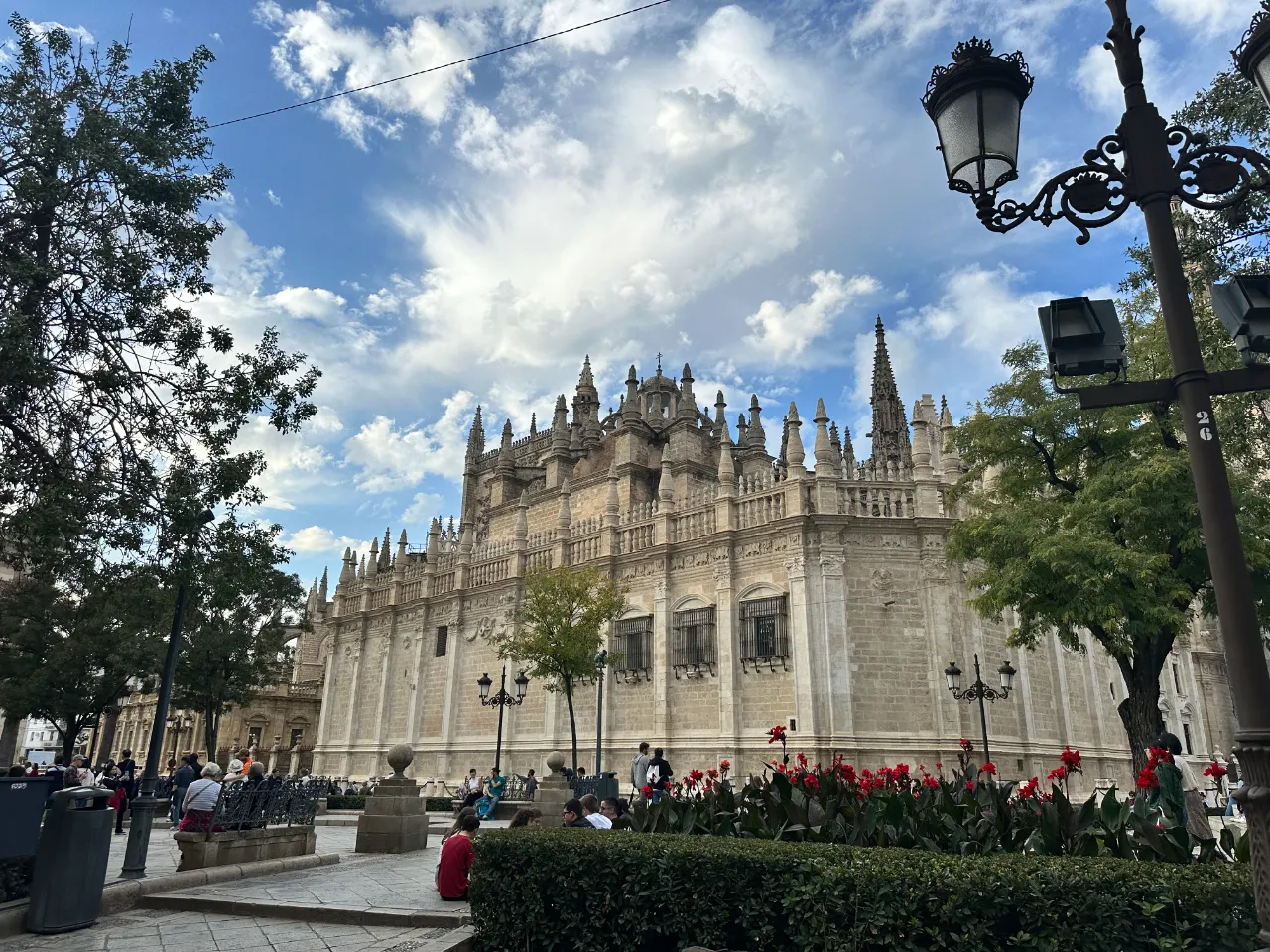
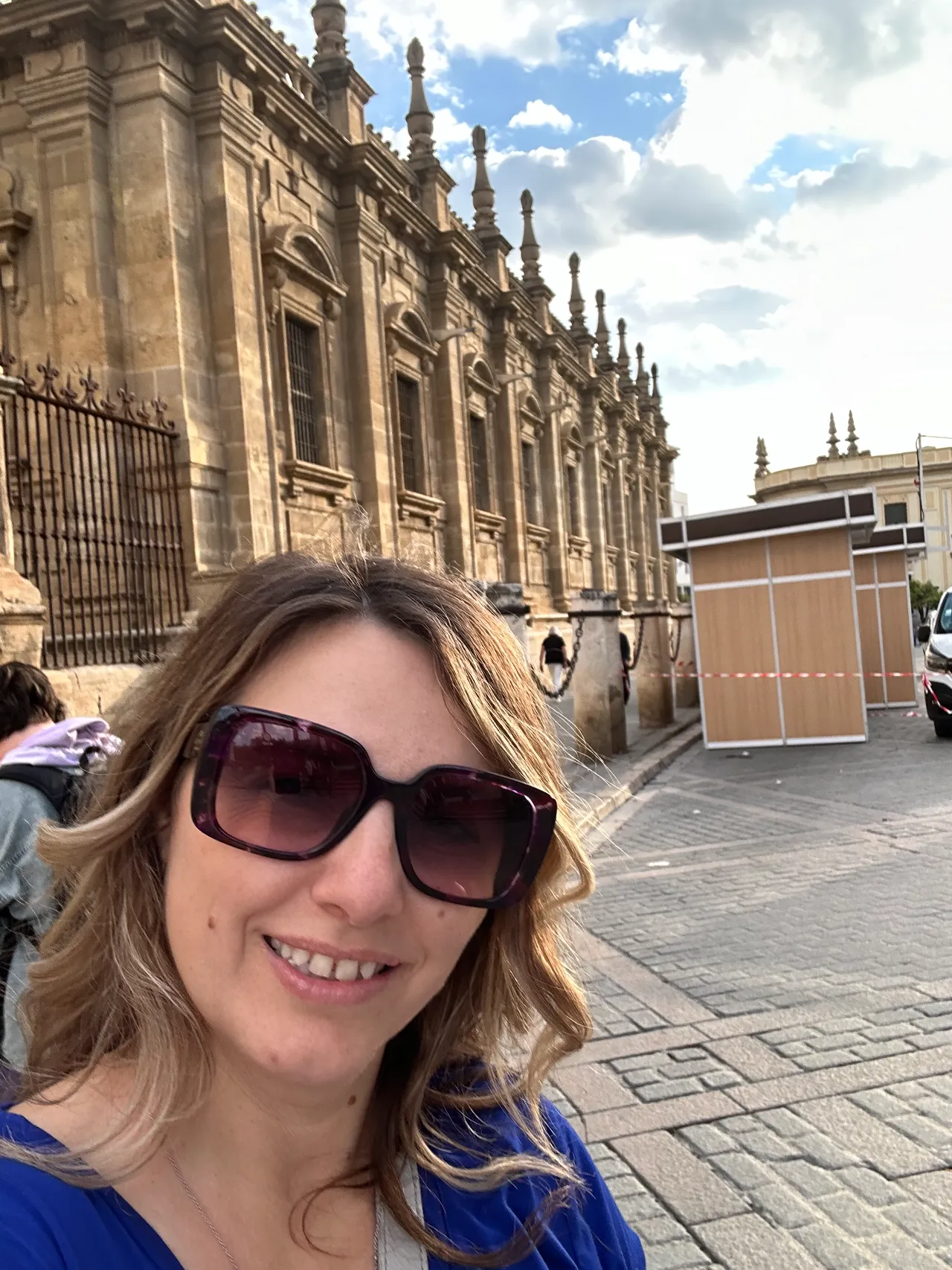
We kicked things off in Seville, my fourth time there (yes, fourth!). This time it was November, and let me tell you, visiting a familiar city in a different season completely changes the way you see it. The summer heat was gone, replaced by that sweet spot weather: warm enough for outdoor tapas, cool enough that you’re not melting.
We stayed at Querencia de Sevilla, a boutique gem right in the heart of the city. Think historic charm meets cozy vibes, with balconies perfect for people-watching. I could’ve stayed out there all day, just soaking up the rhythm of life below. Bonus points: it’s ridiculously walkable to everything you’d want to see. Trust me, I’m already saving it to recommend to my clients, it’s that good.
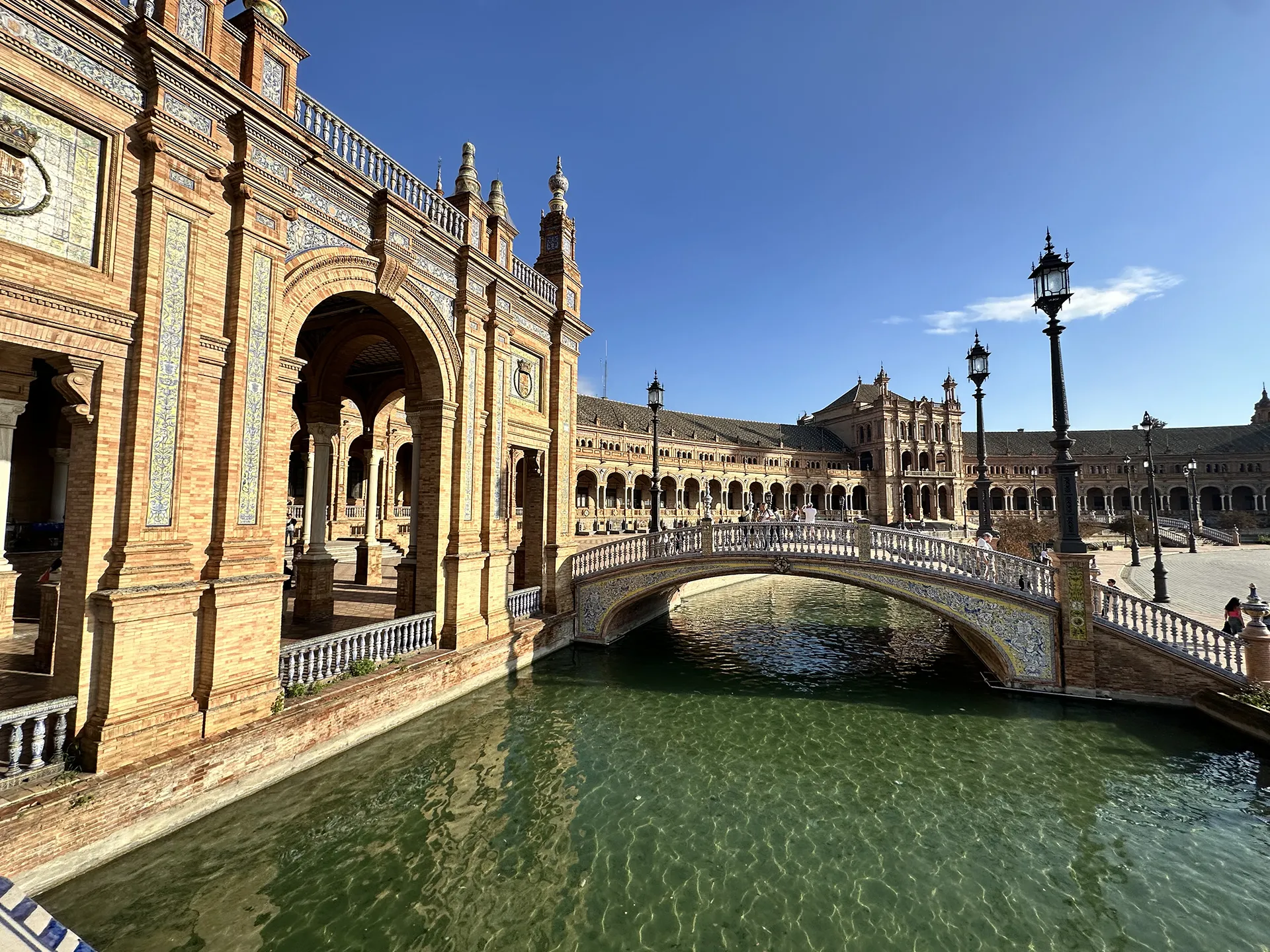
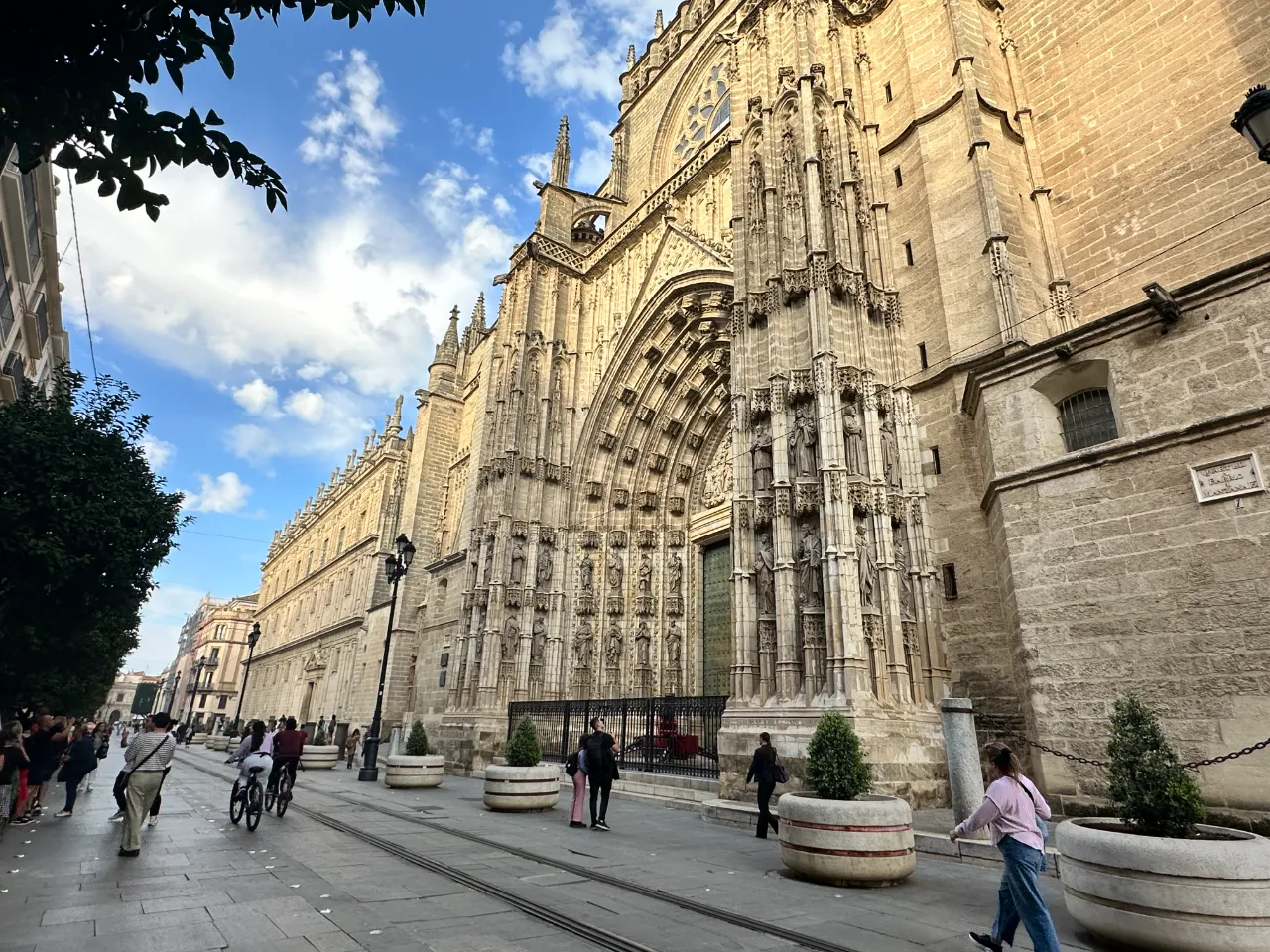
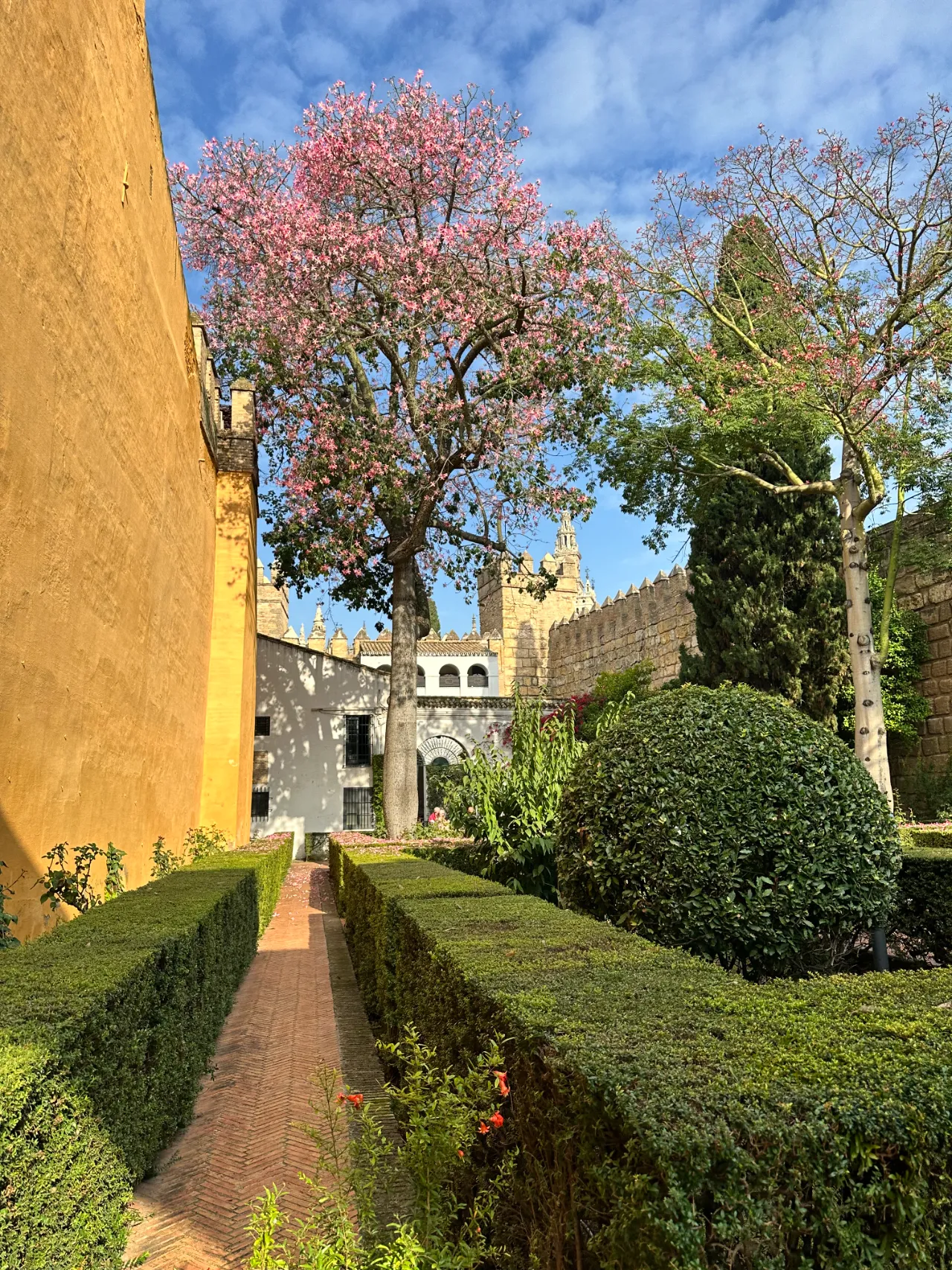
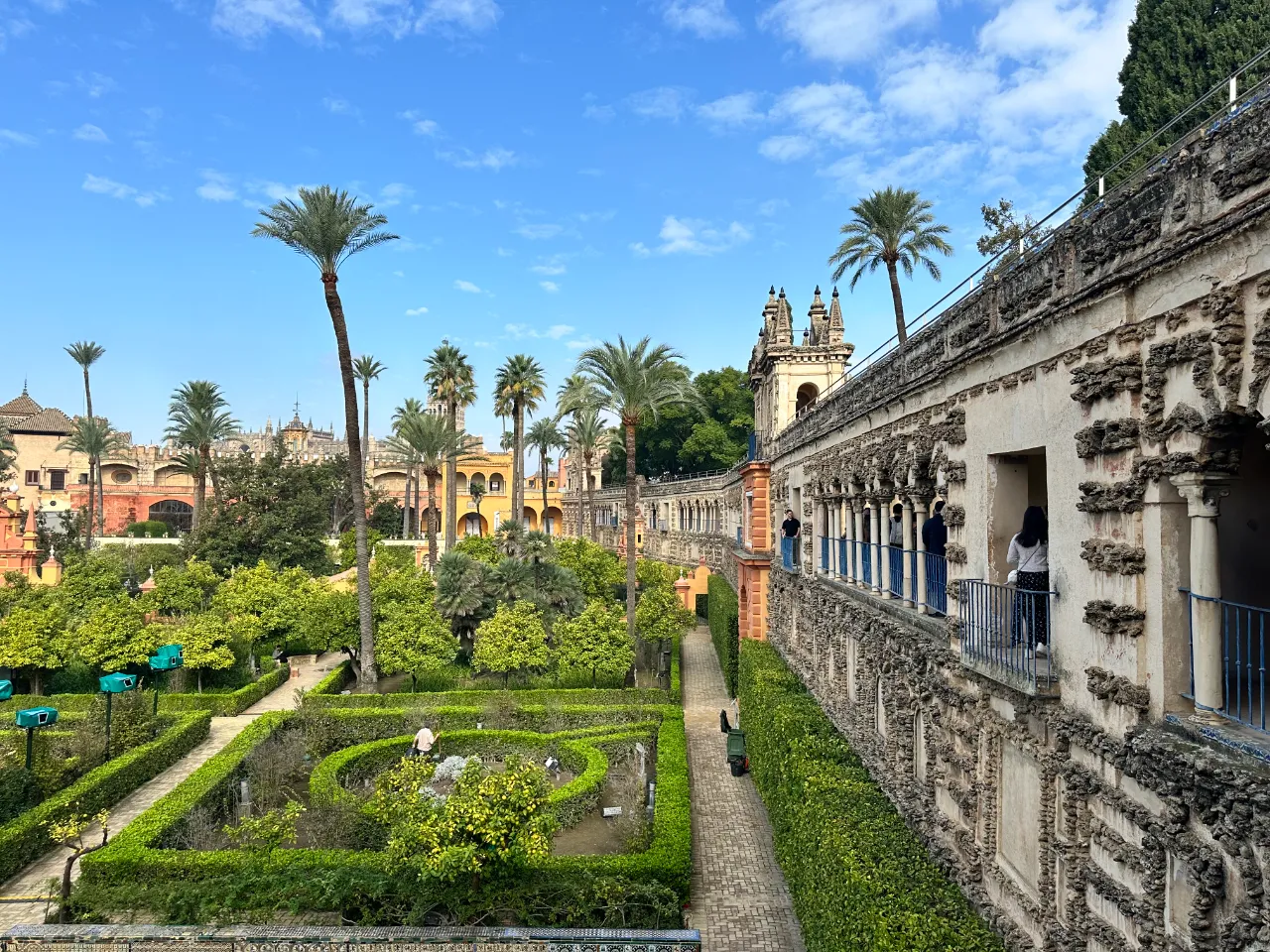
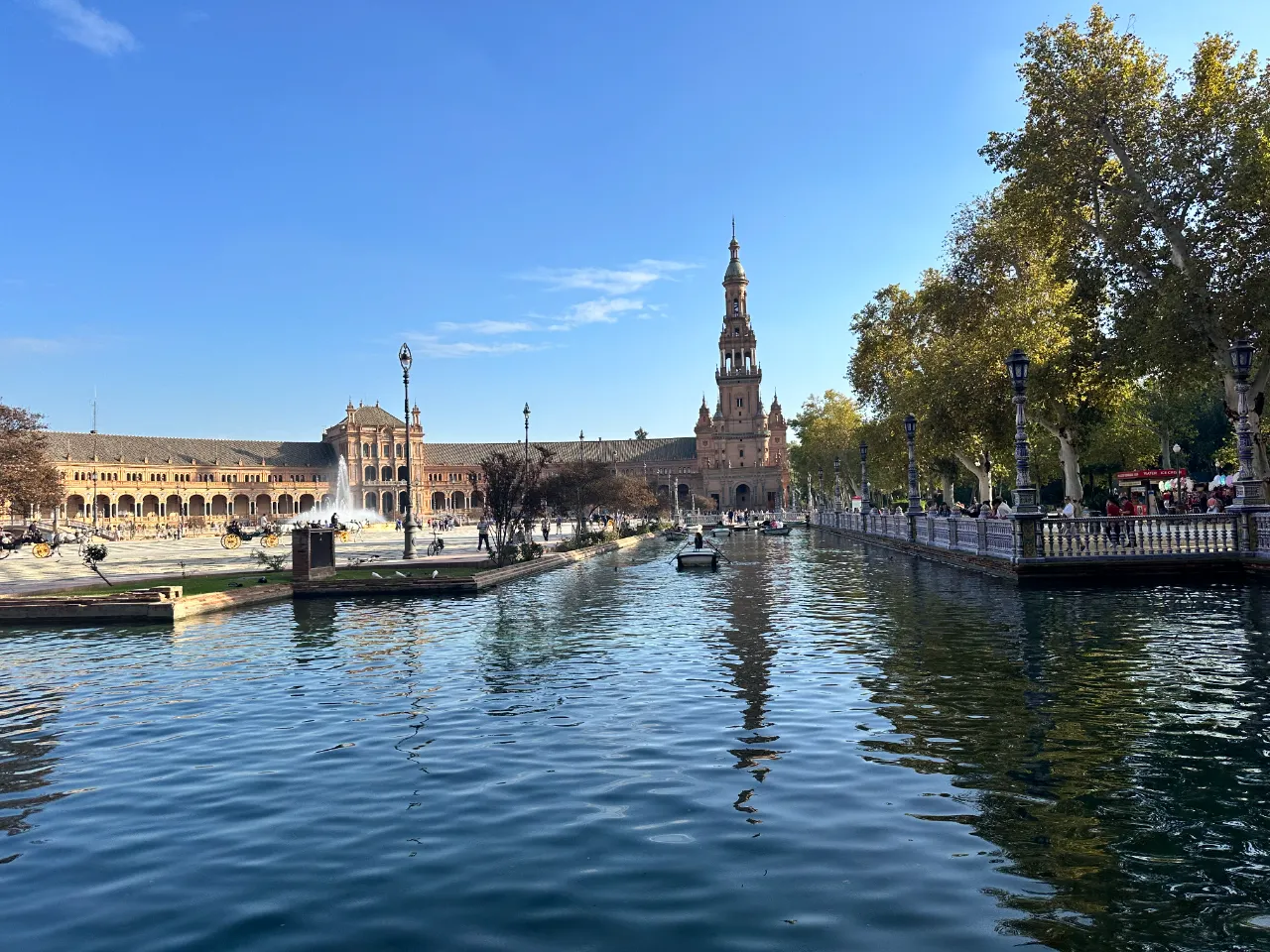
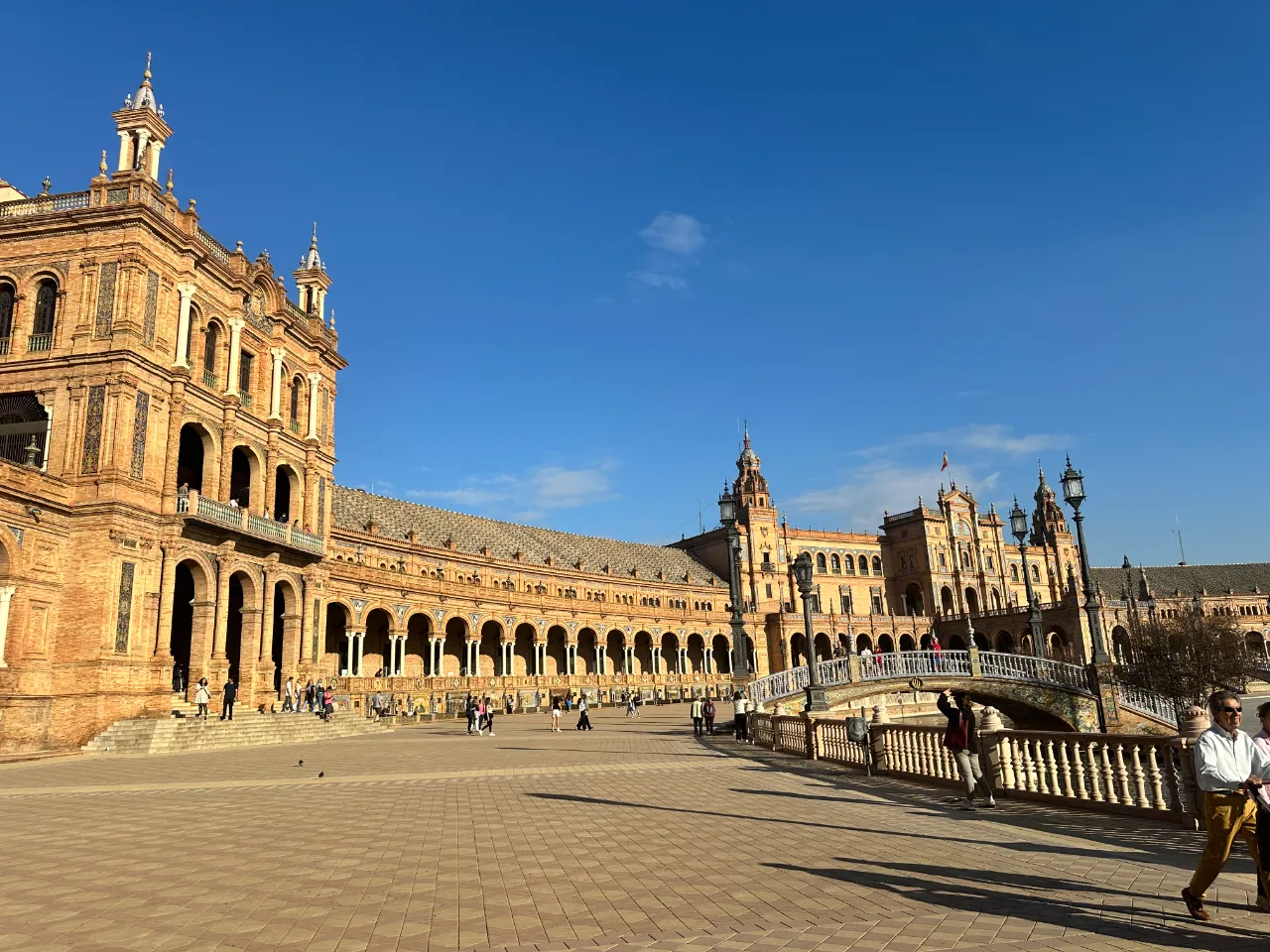
Of course, we hit the major sights (because how could you not?): Plaza de España, the Alcázar, the Cathedral, and the Giralda Tower. Some places you can visit a dozen times and still feel like you’re seeing them for the first time, that’s Seville for me.
This trip, I was also on a mission: testing out some new local tour guides. And wow, what a difference a great guide makes. It's like listening to your favorite song live instead of on the radio, same tune, way more goosebumps.
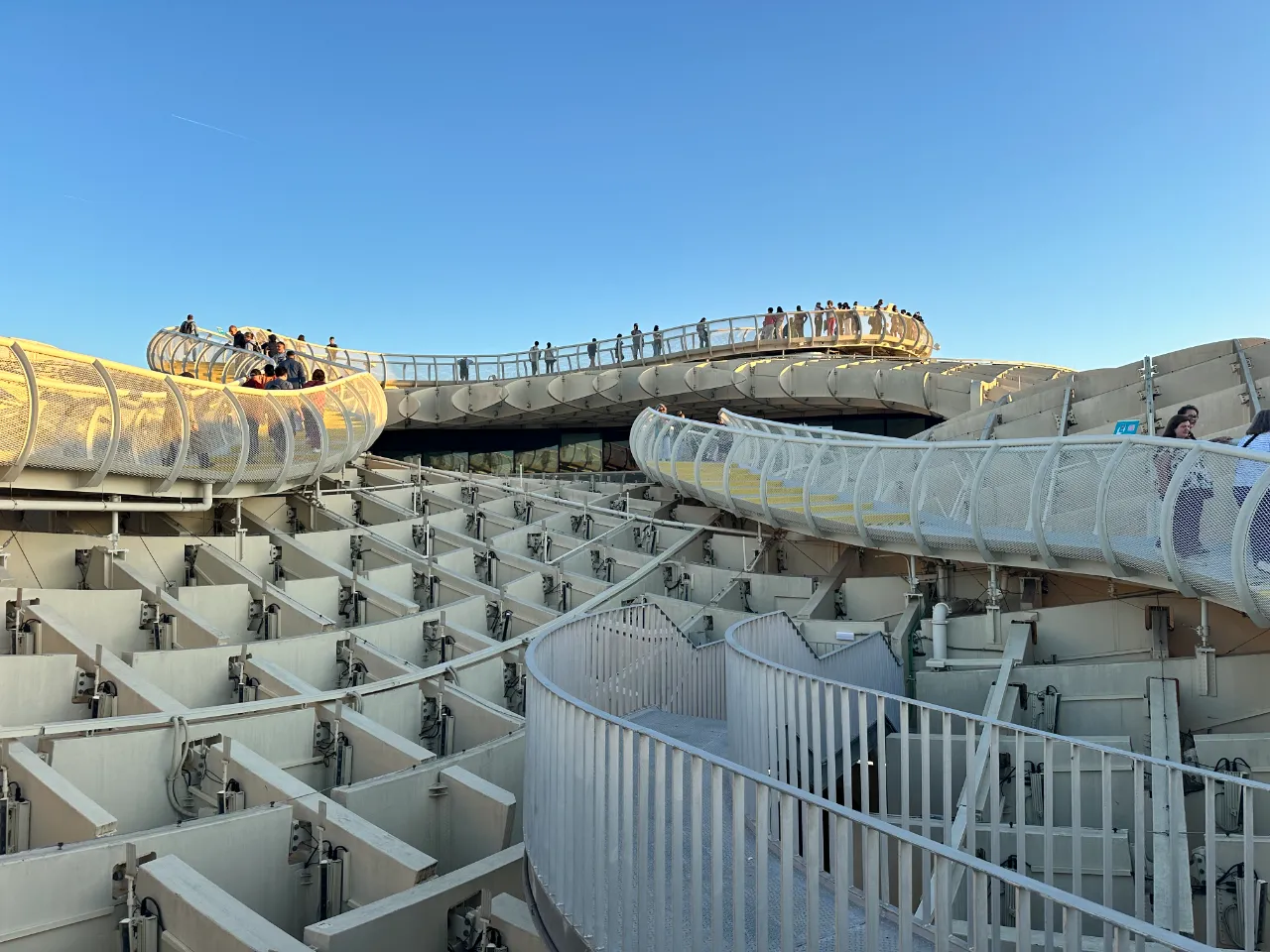
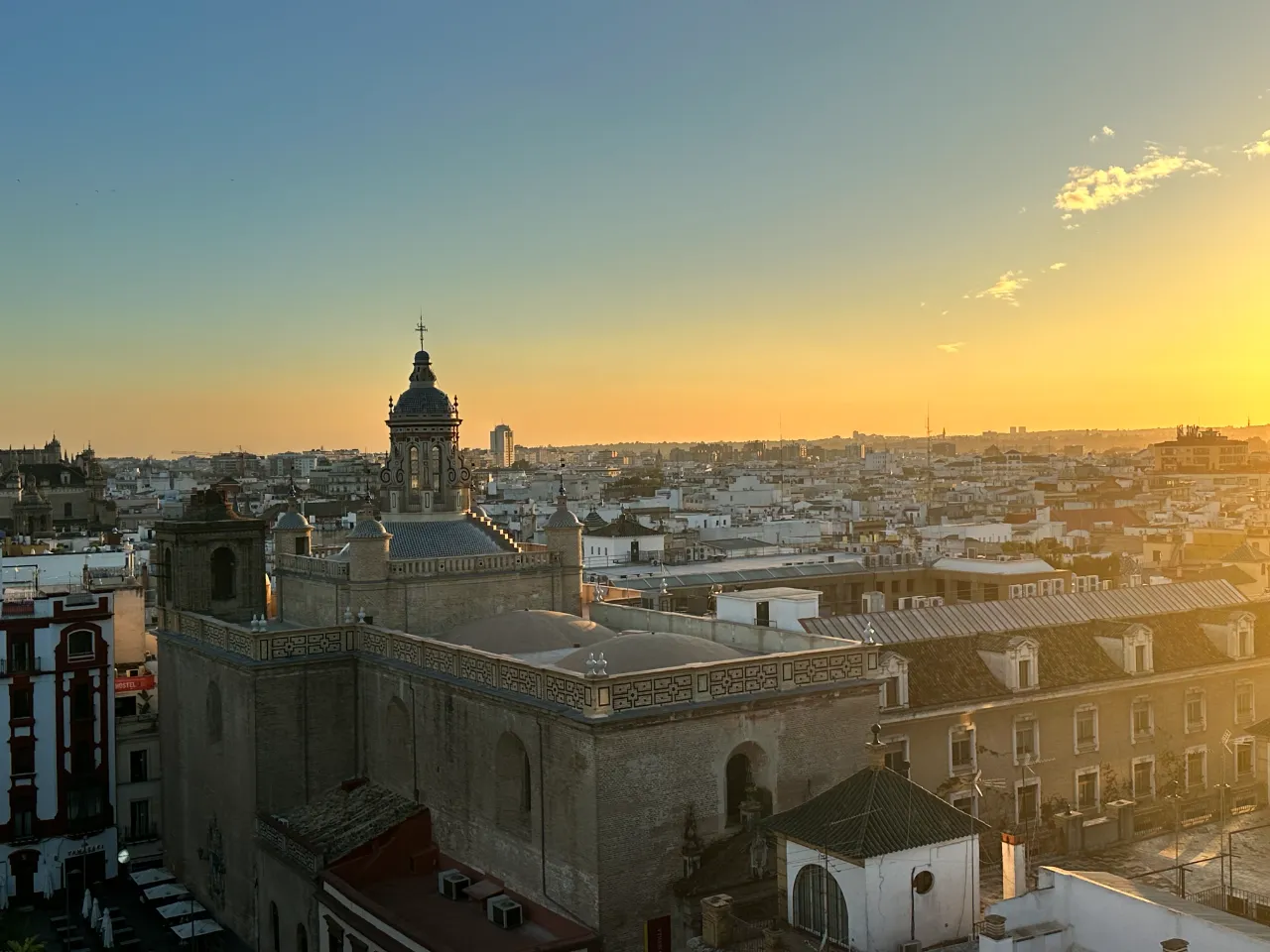
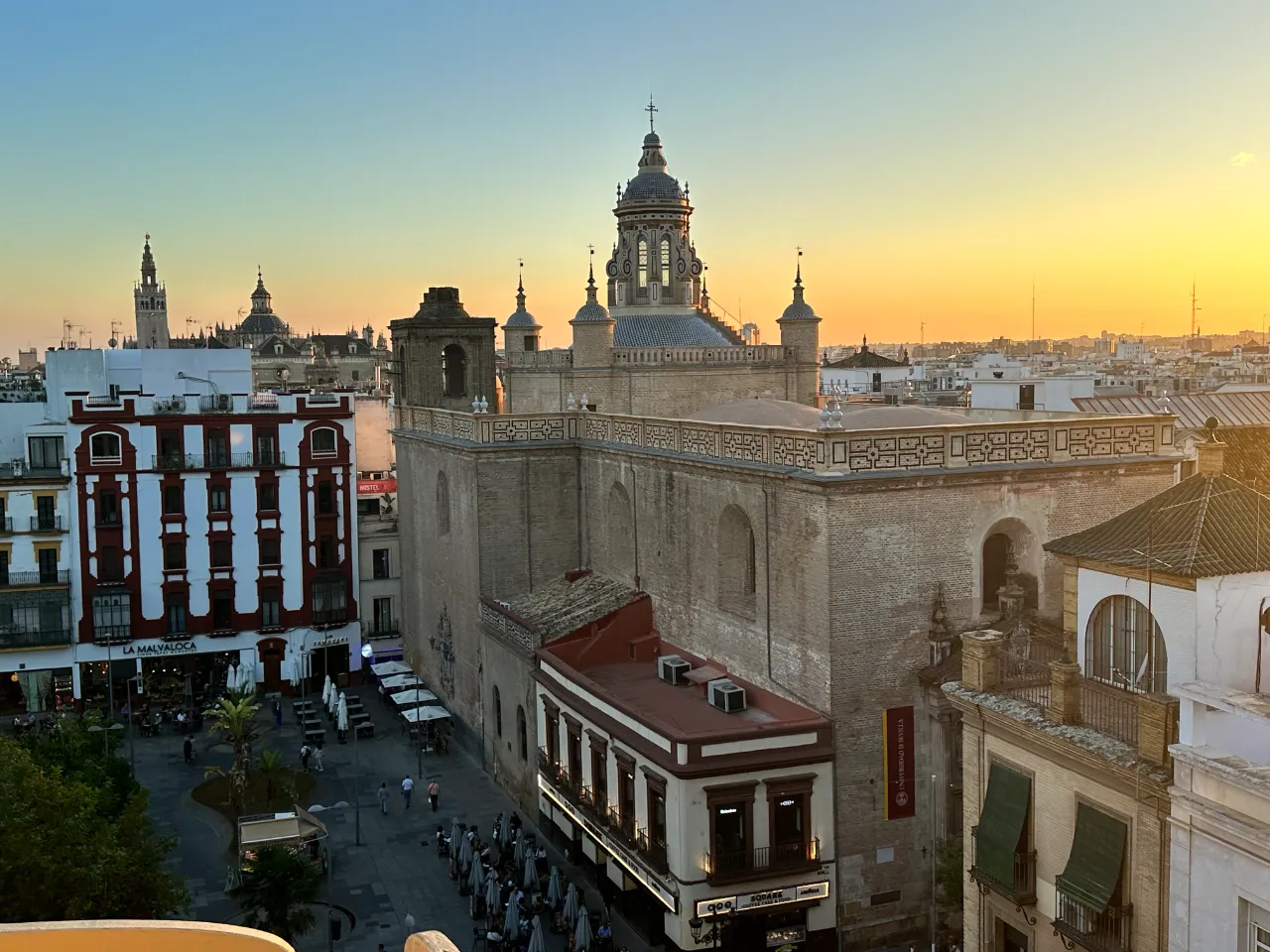
One surprise for me this time was Las Setas (a.k.a. the "Mushrooms" of Seville), a super cool, modern architectural marvel where you can watch the sunset over the city. Highly recommend adding it to your itinerary if you like a little side of jaw-dropping views with your sangria.
And speaking of musts: I never leave Seville without catching a flamenco show. Sure, you’ll hear flamenco vibes just walking around, but a tablao, those tiny, intimate venues where the stage is basically a few wooden boards, that’s where the real magic happens. It’s raw, emotional, and completely mesmerizing.
Plus, they usually serve up a killer multi-course meal while you’re at it. Flamenco + local wine + authentic cuisine = pure joy.
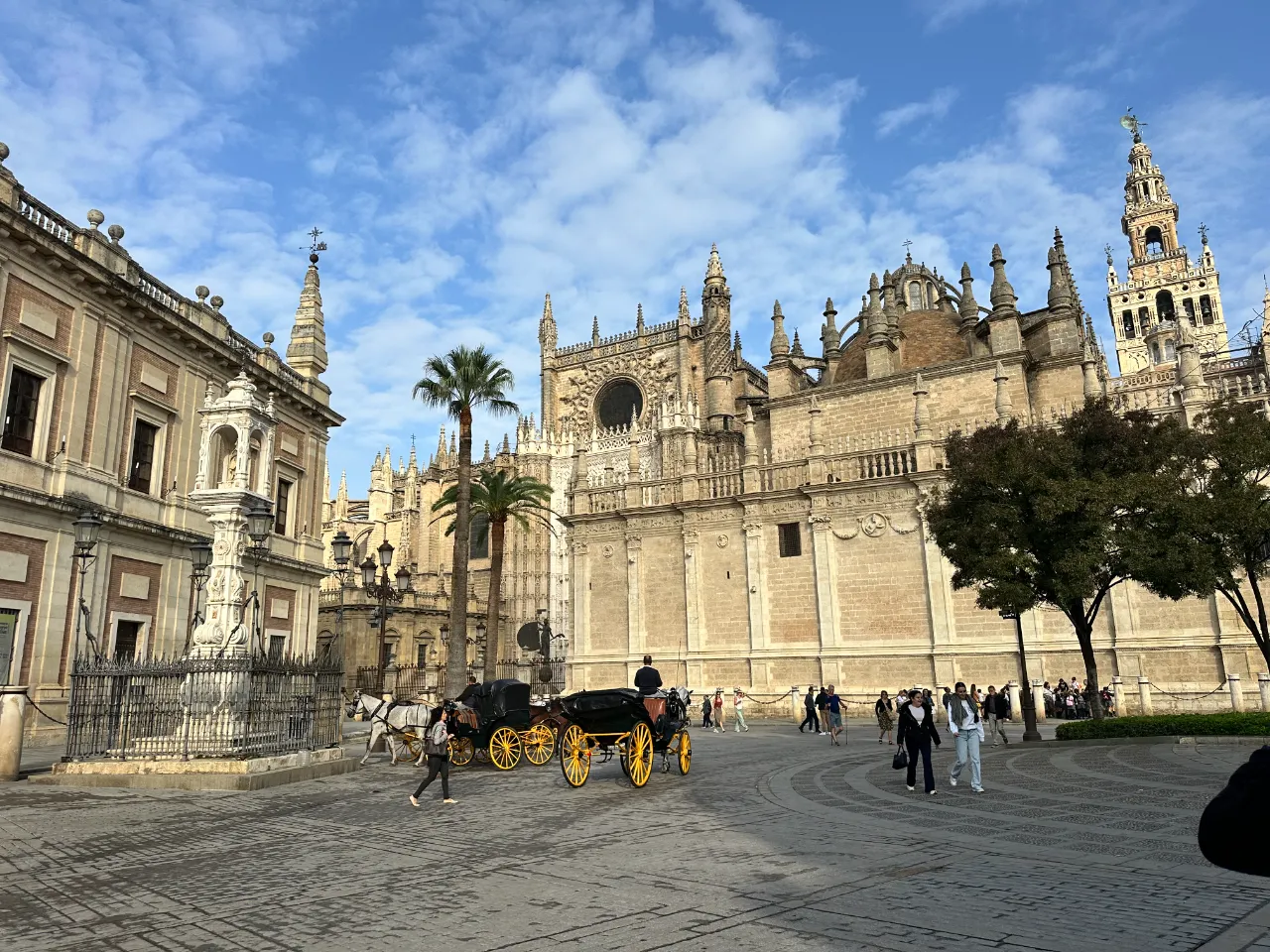
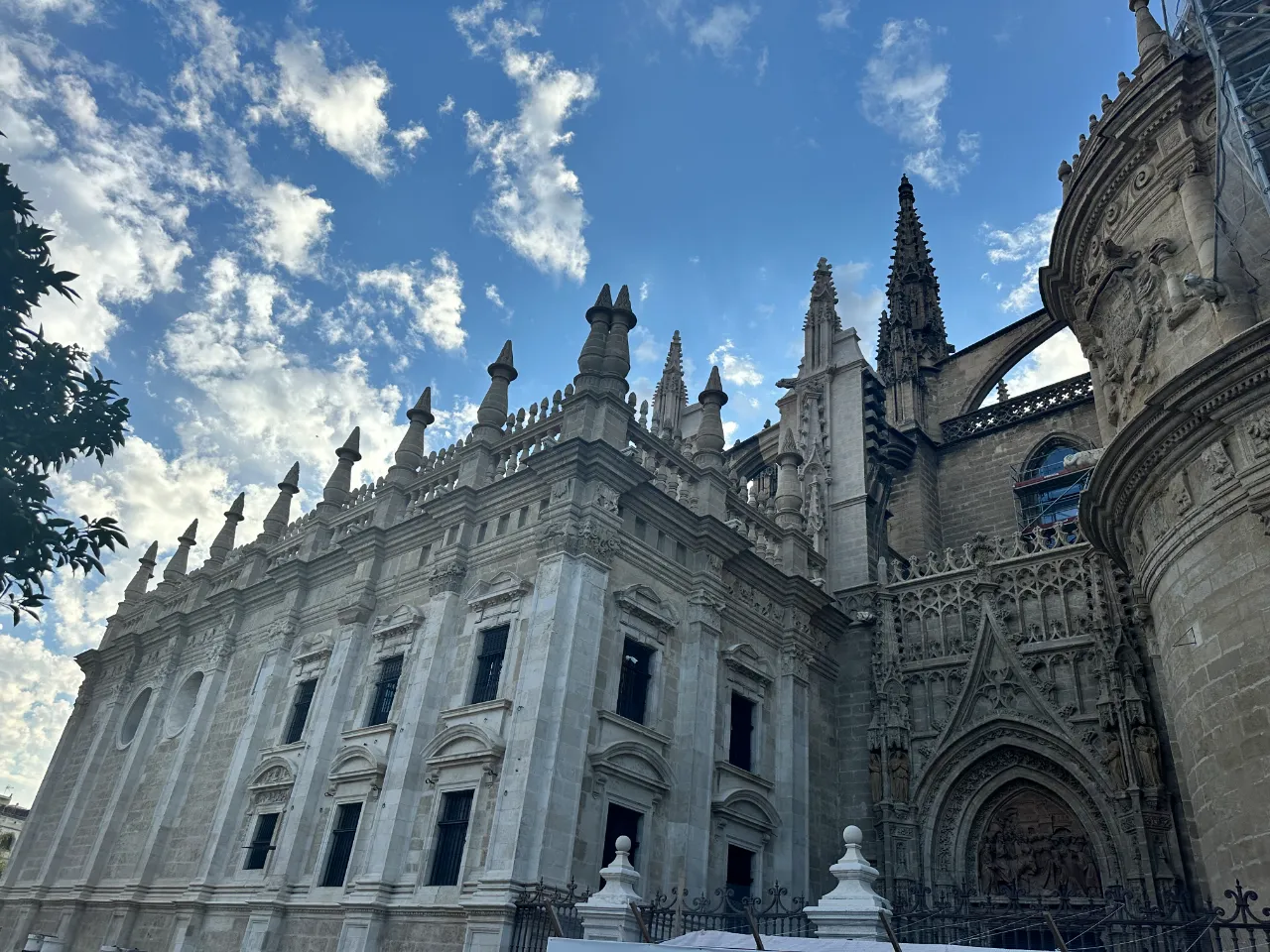



Next Stop: Cordoba - Not Just a Quick Lunch Break Anymore
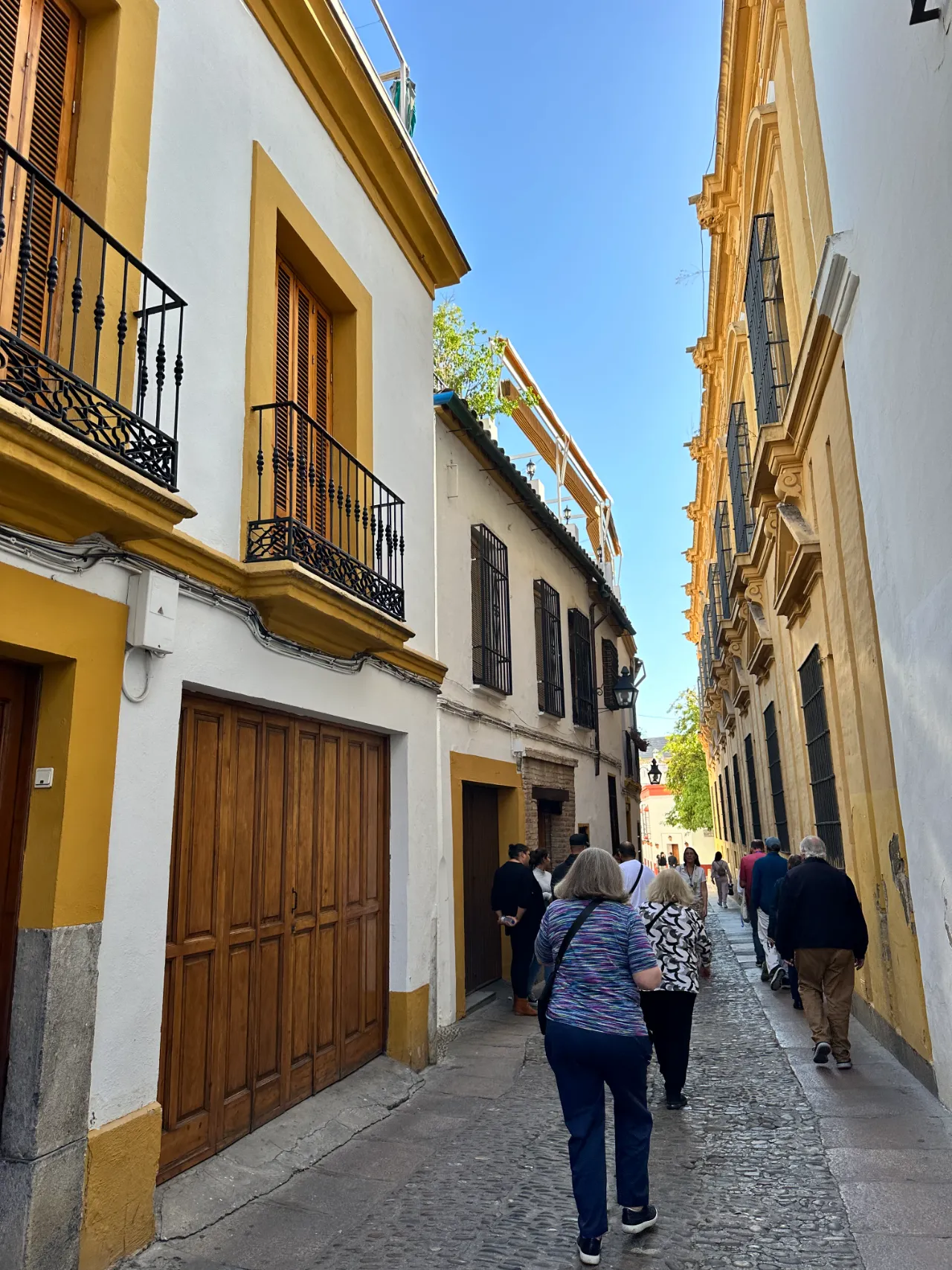
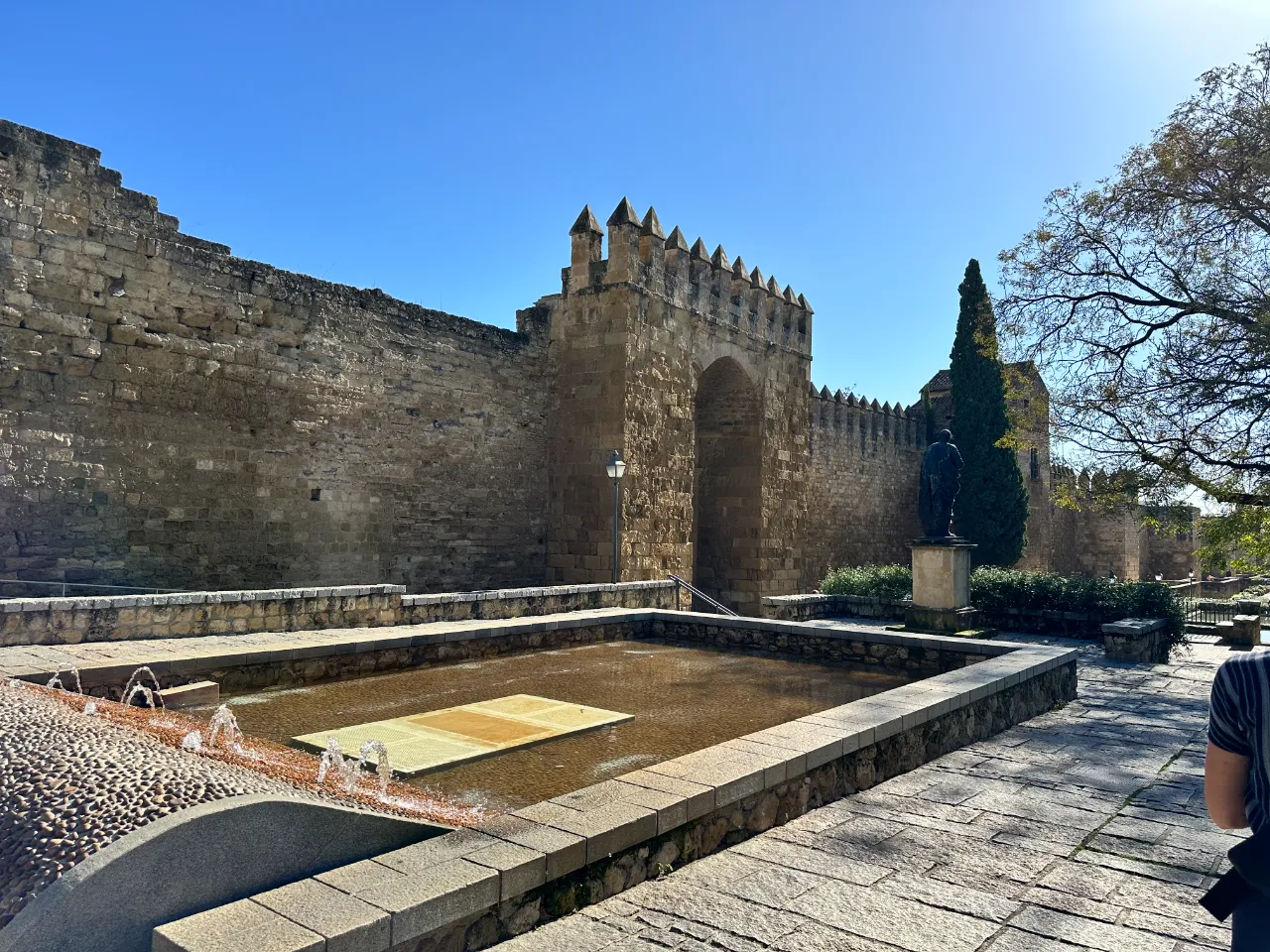
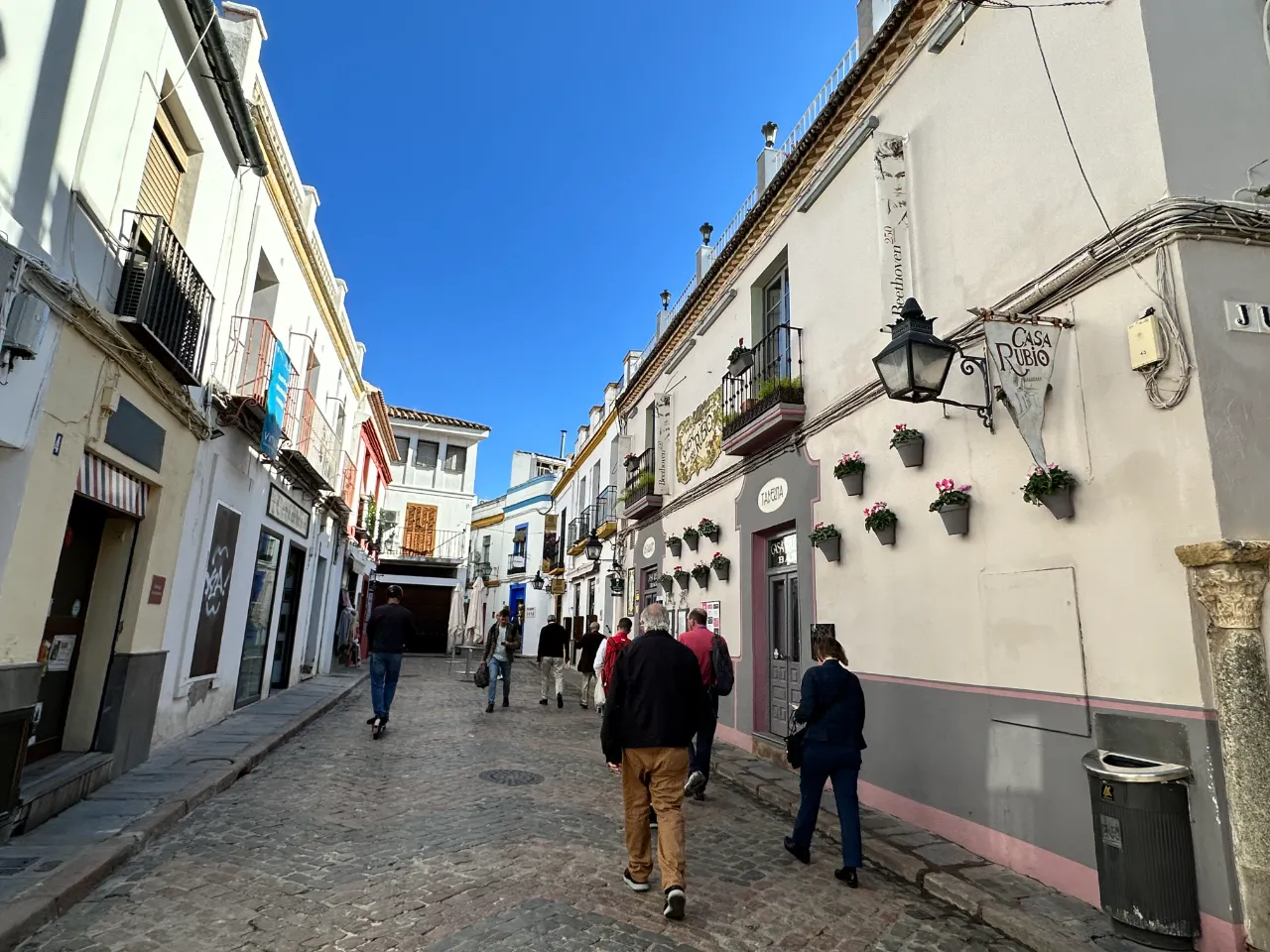
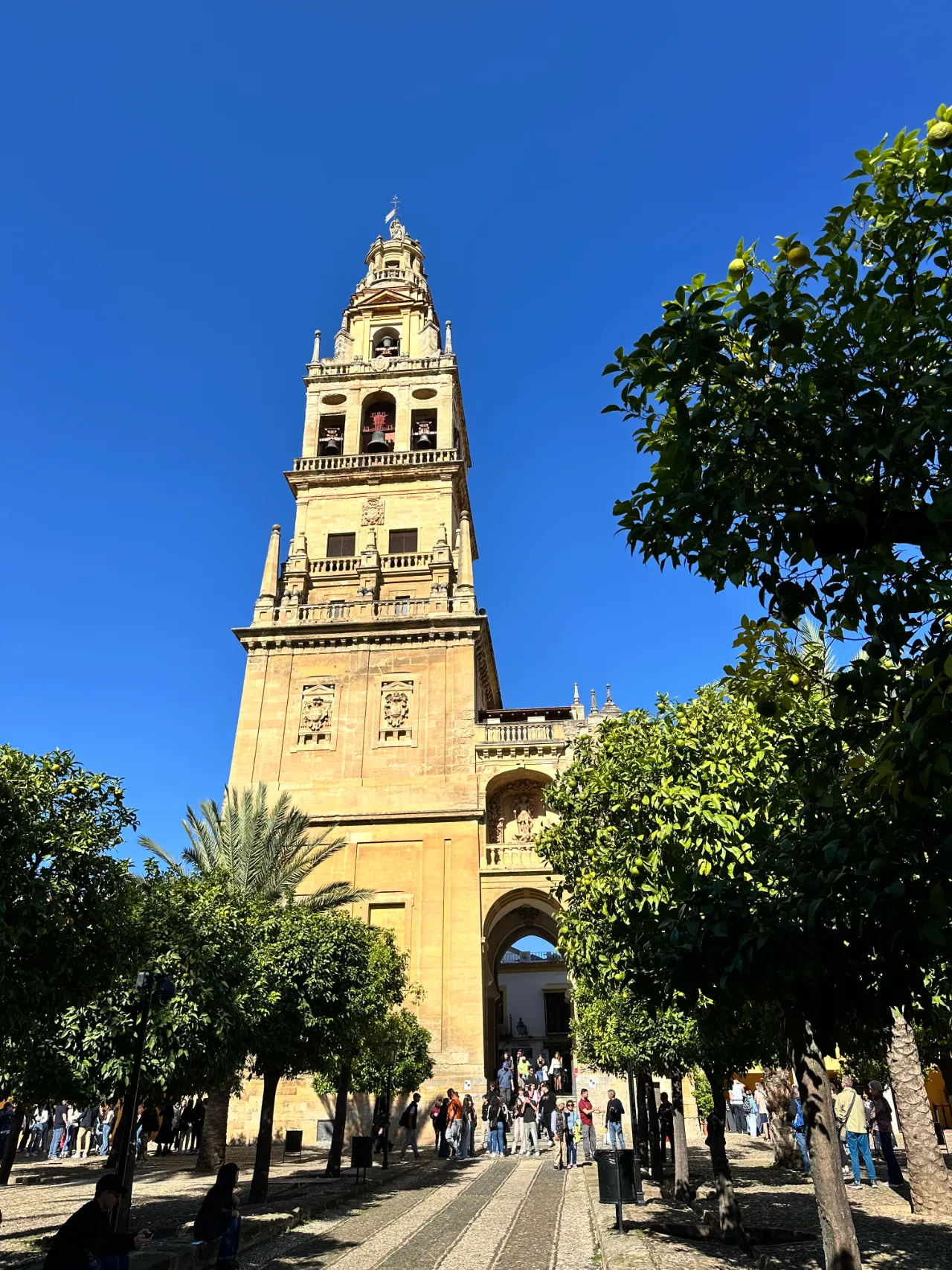
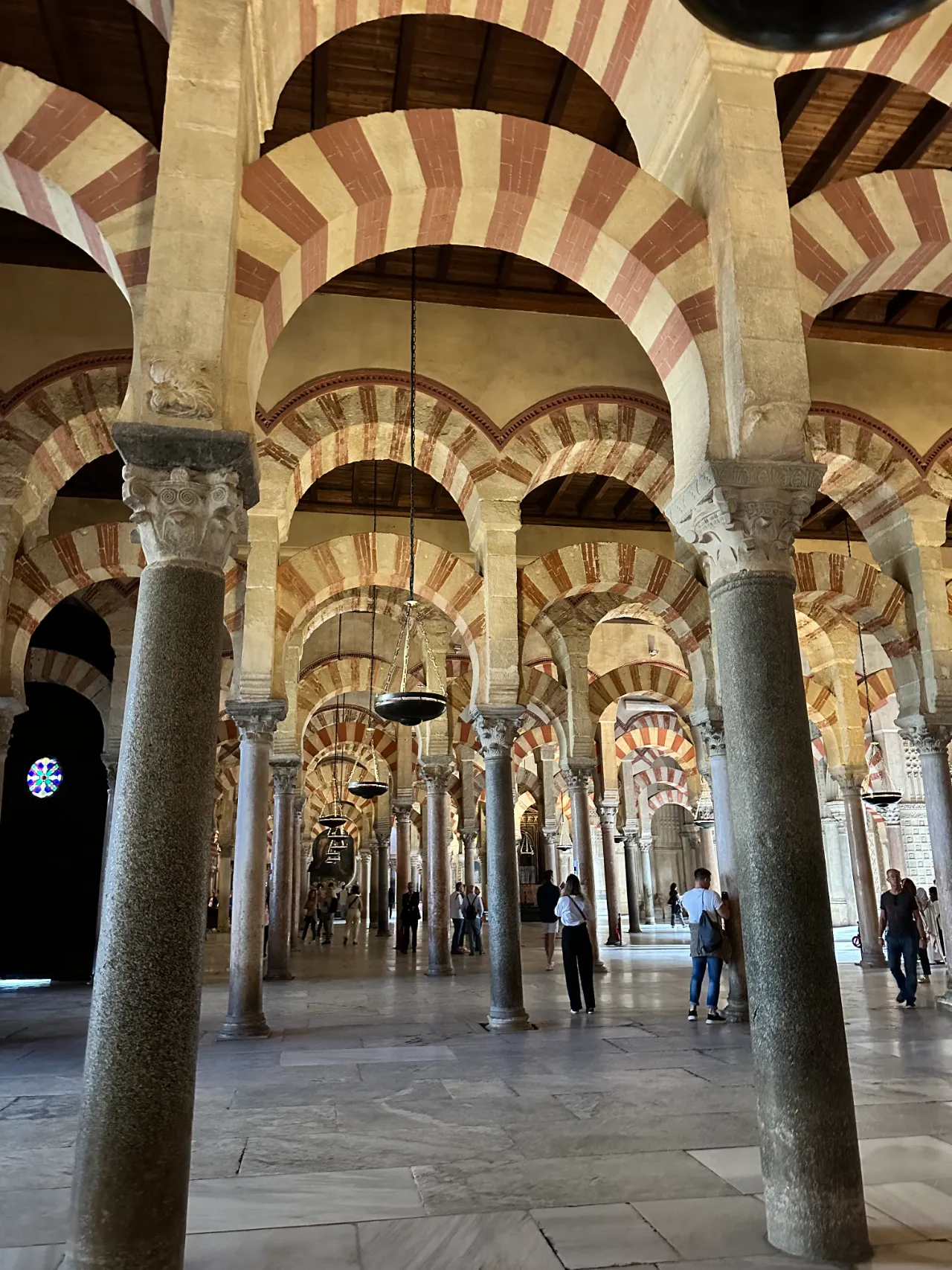
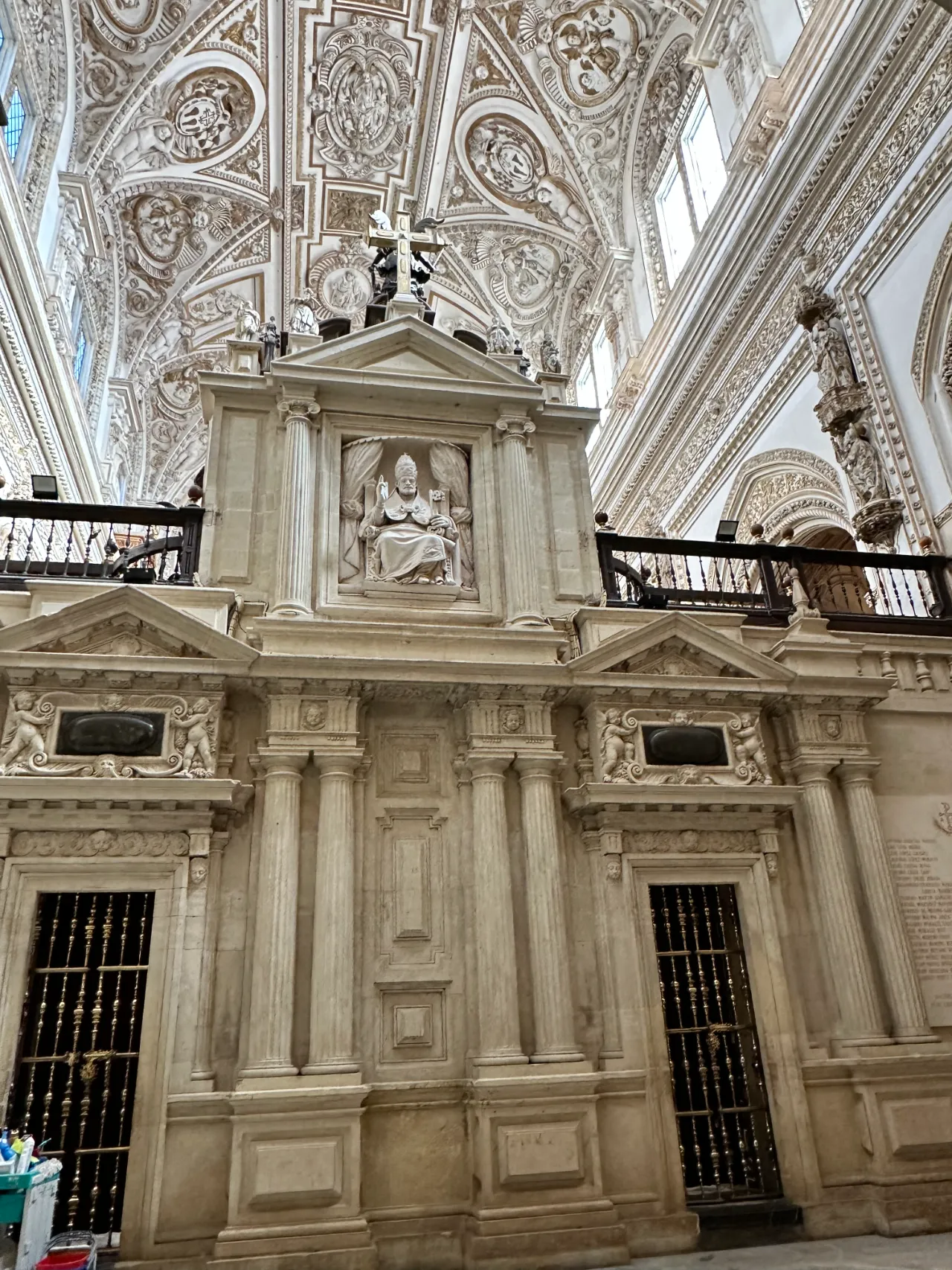
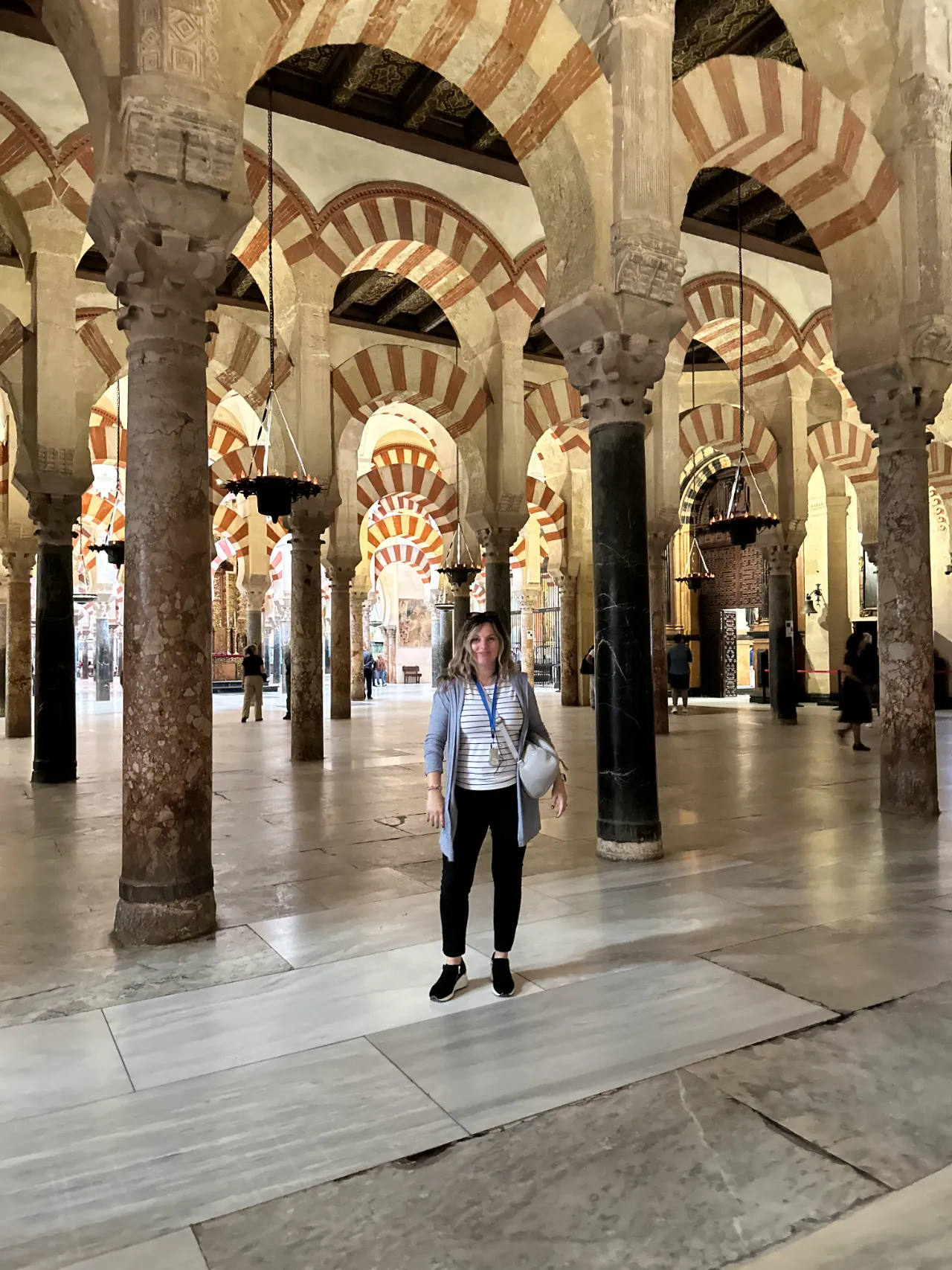
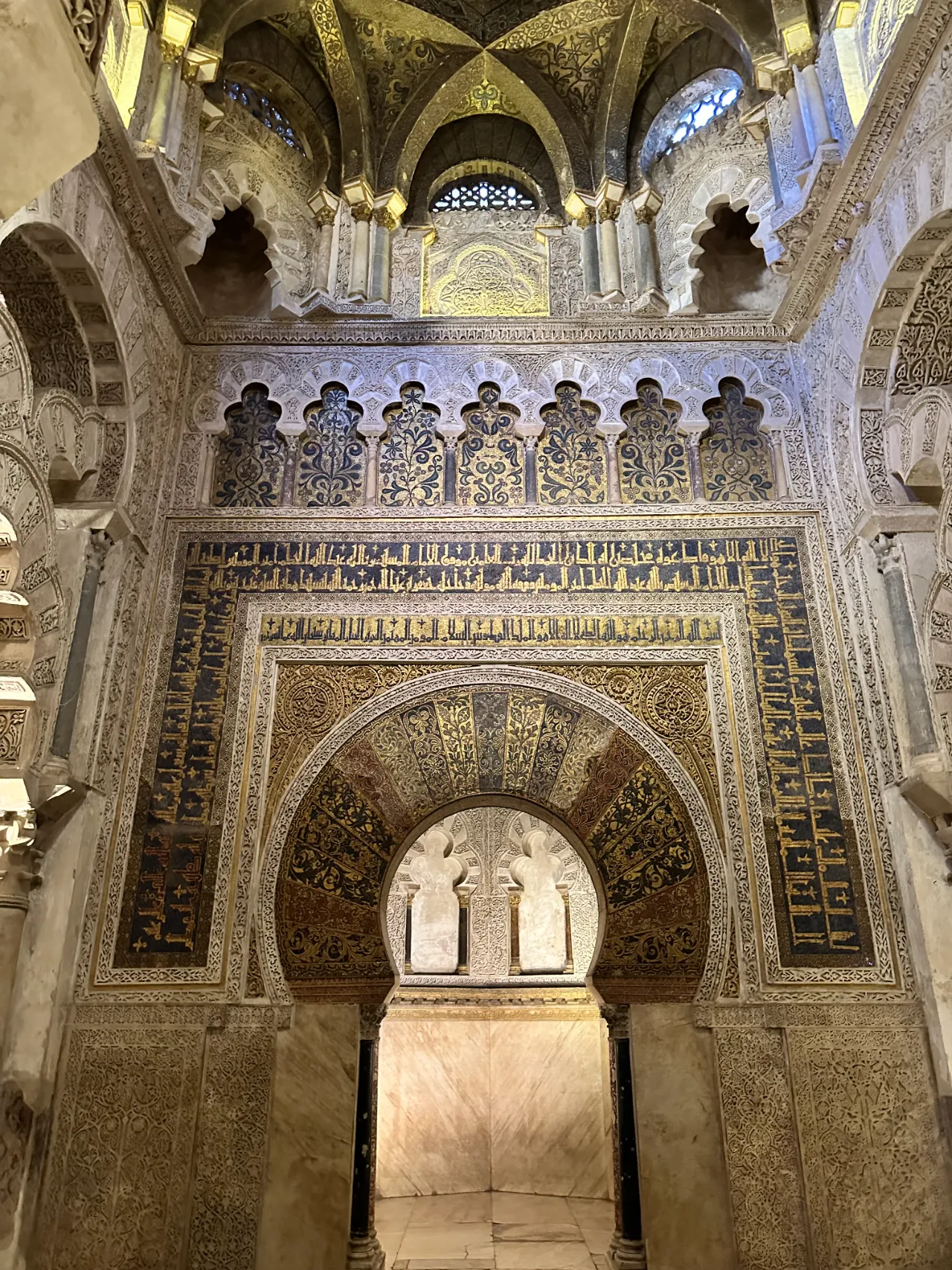
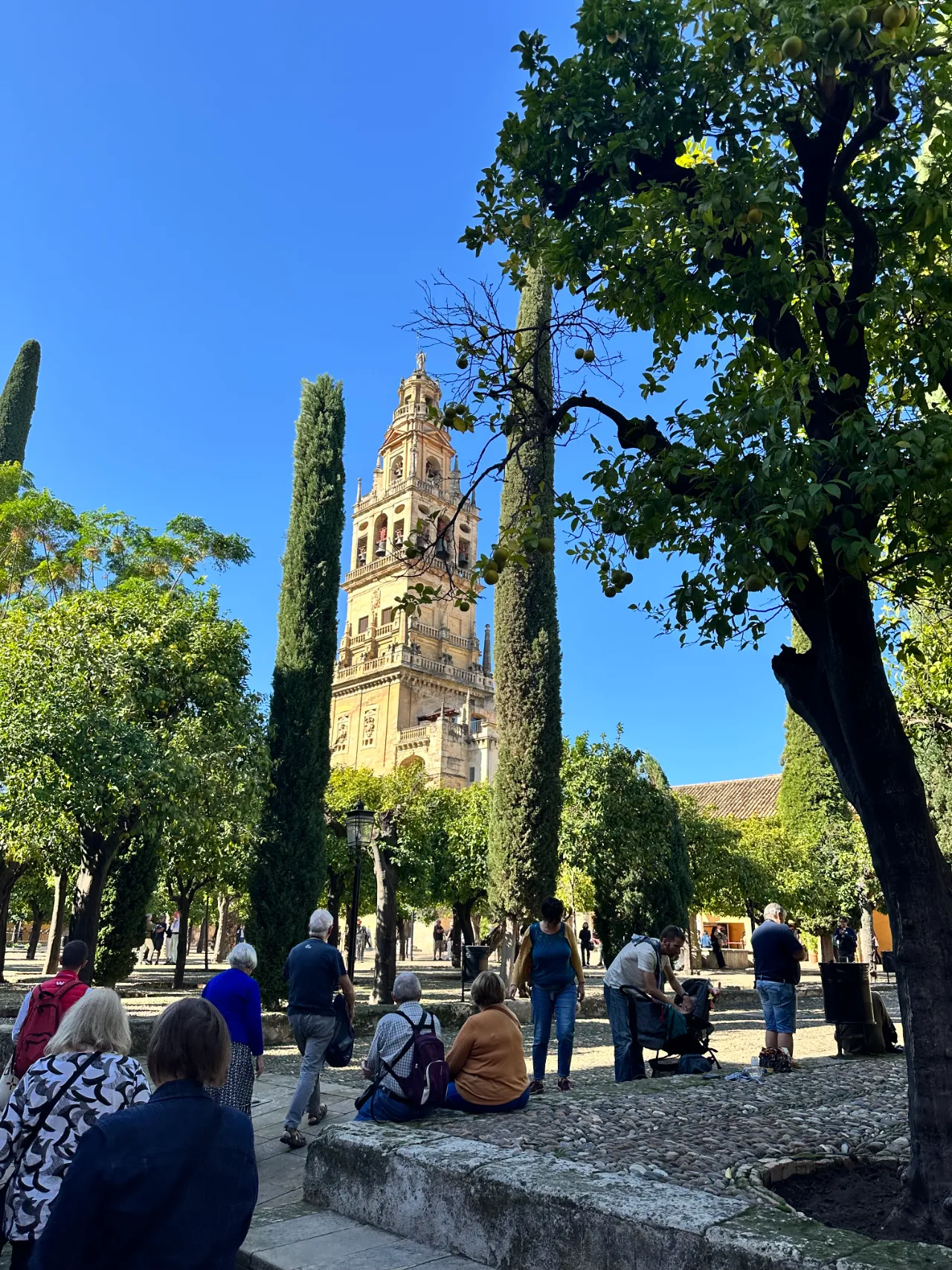
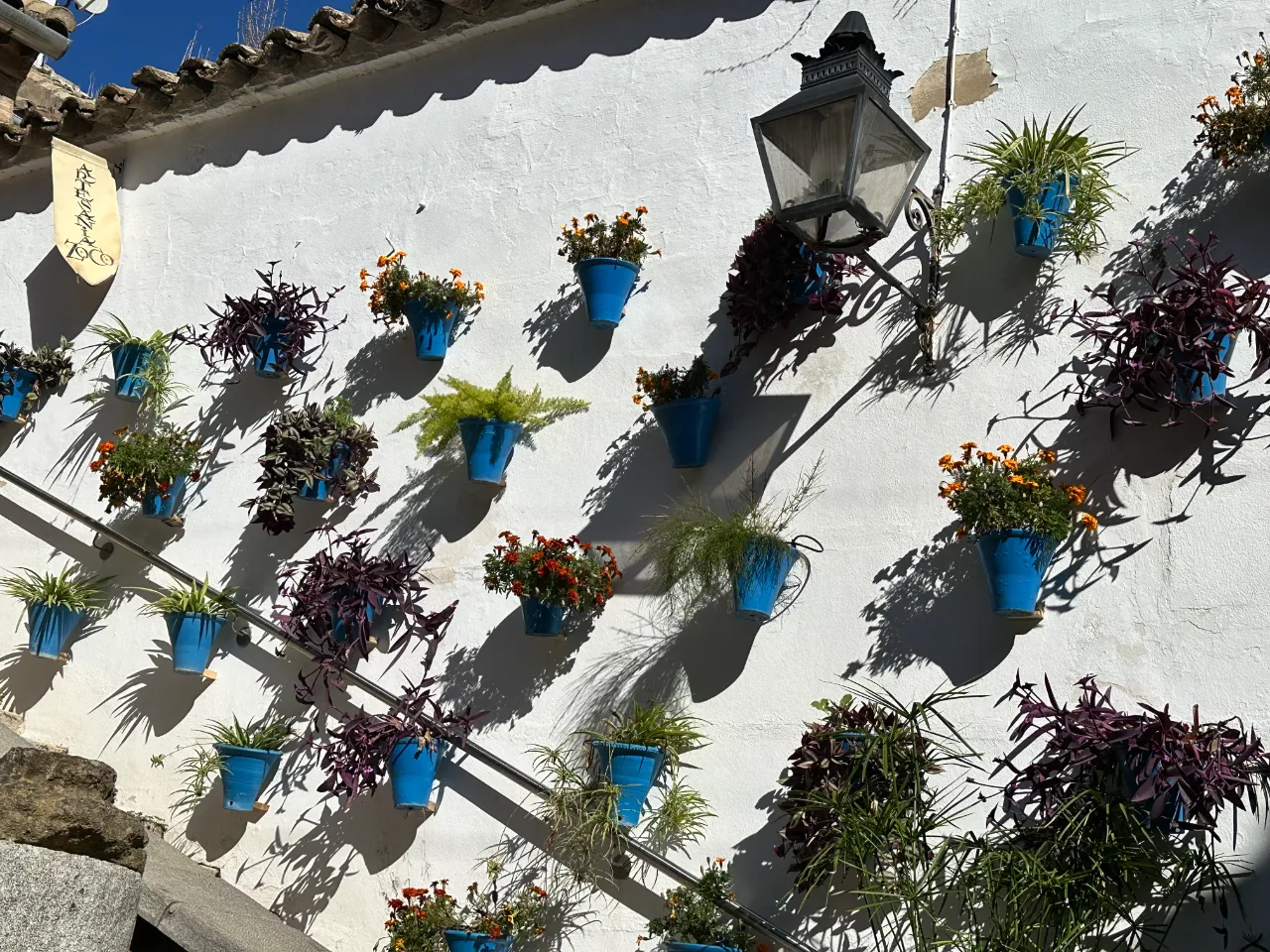
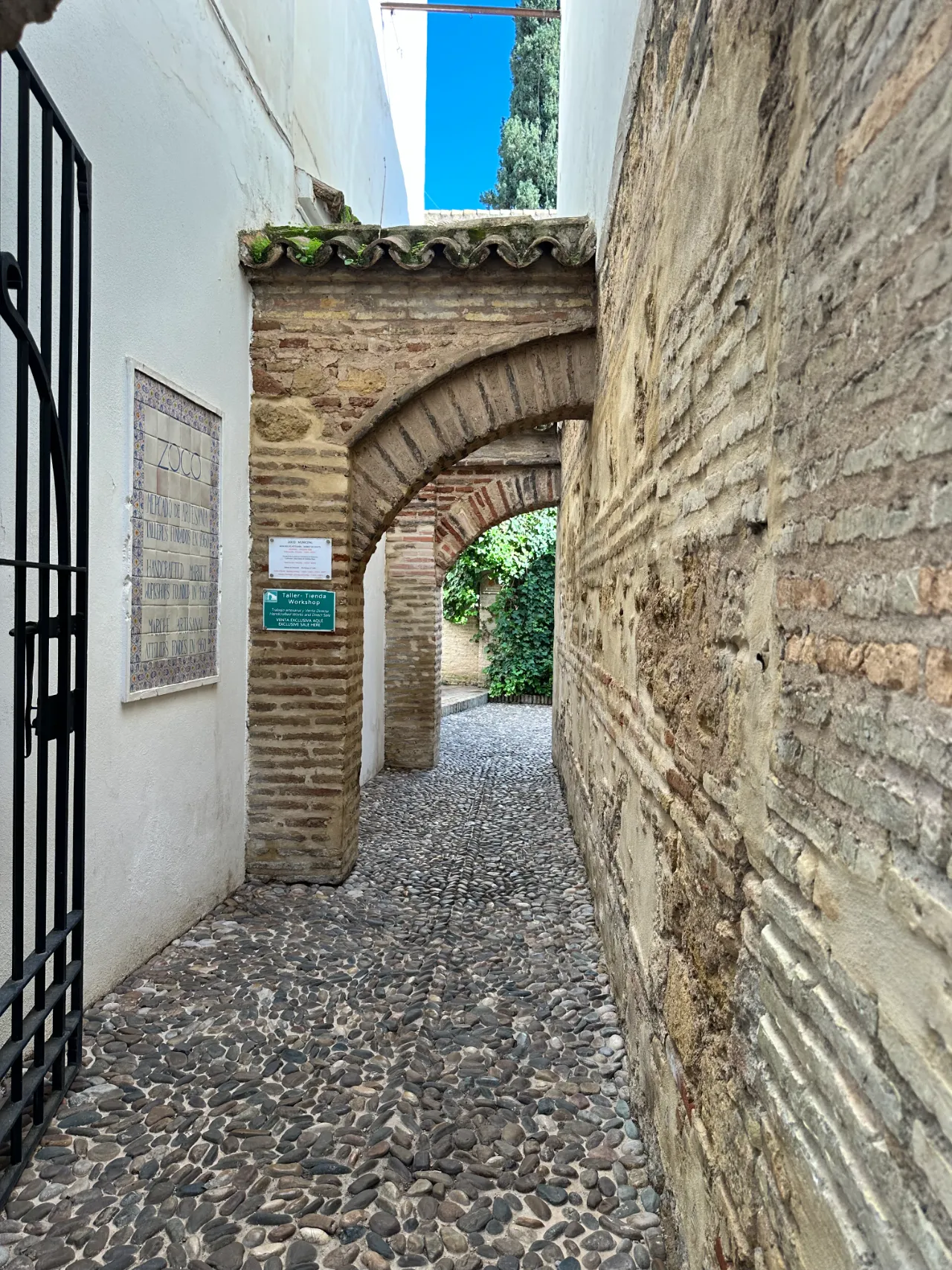
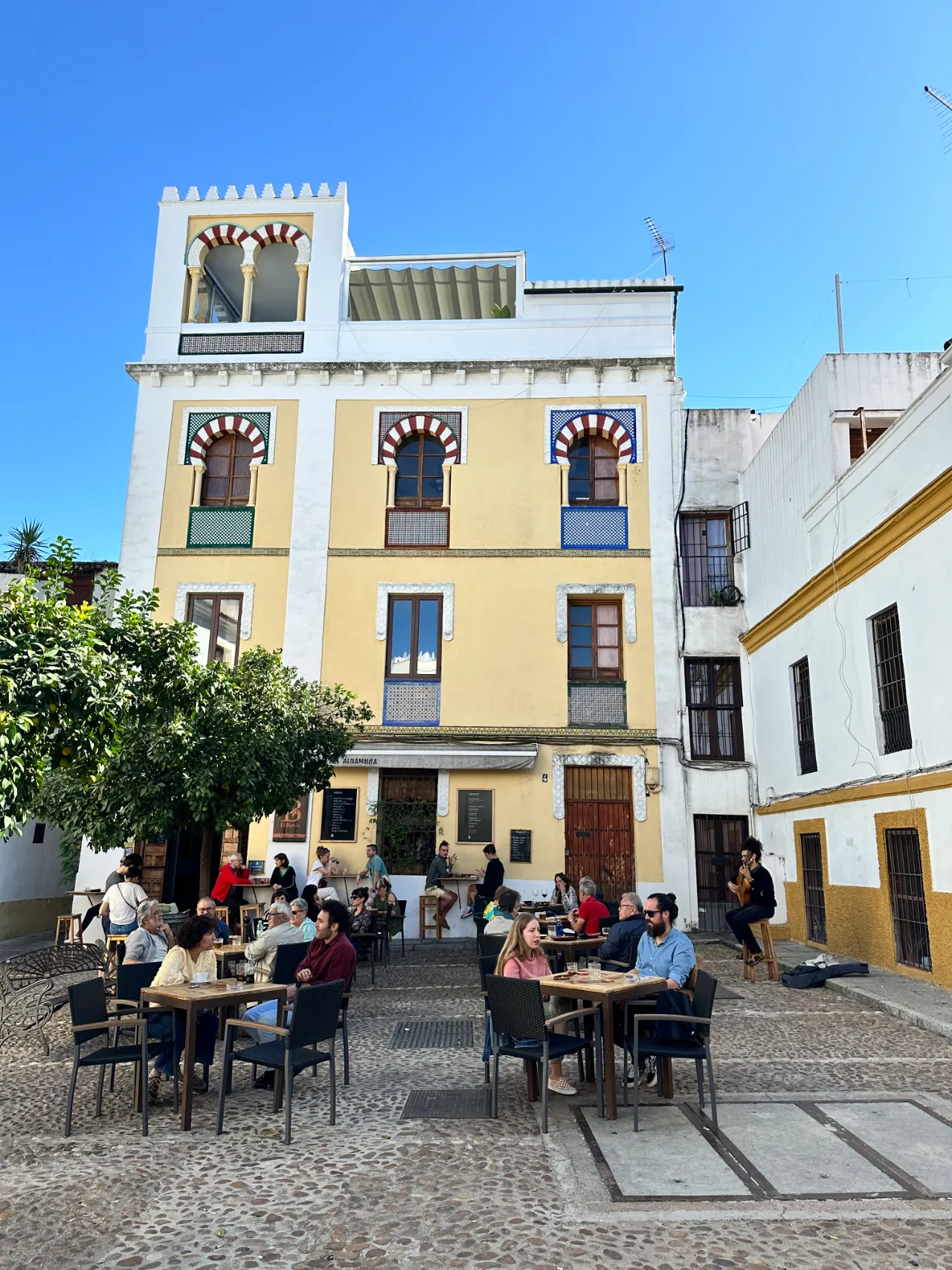
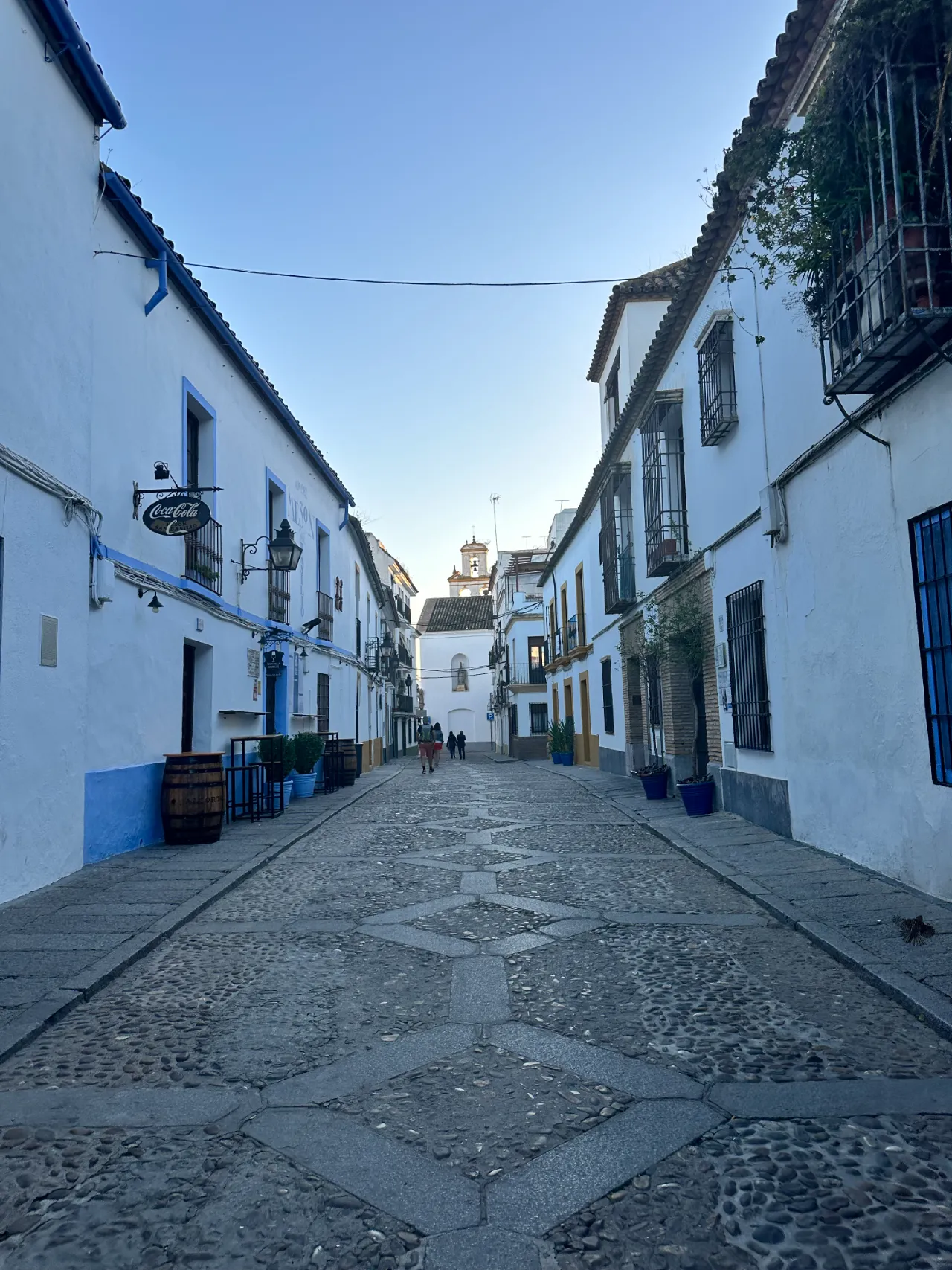
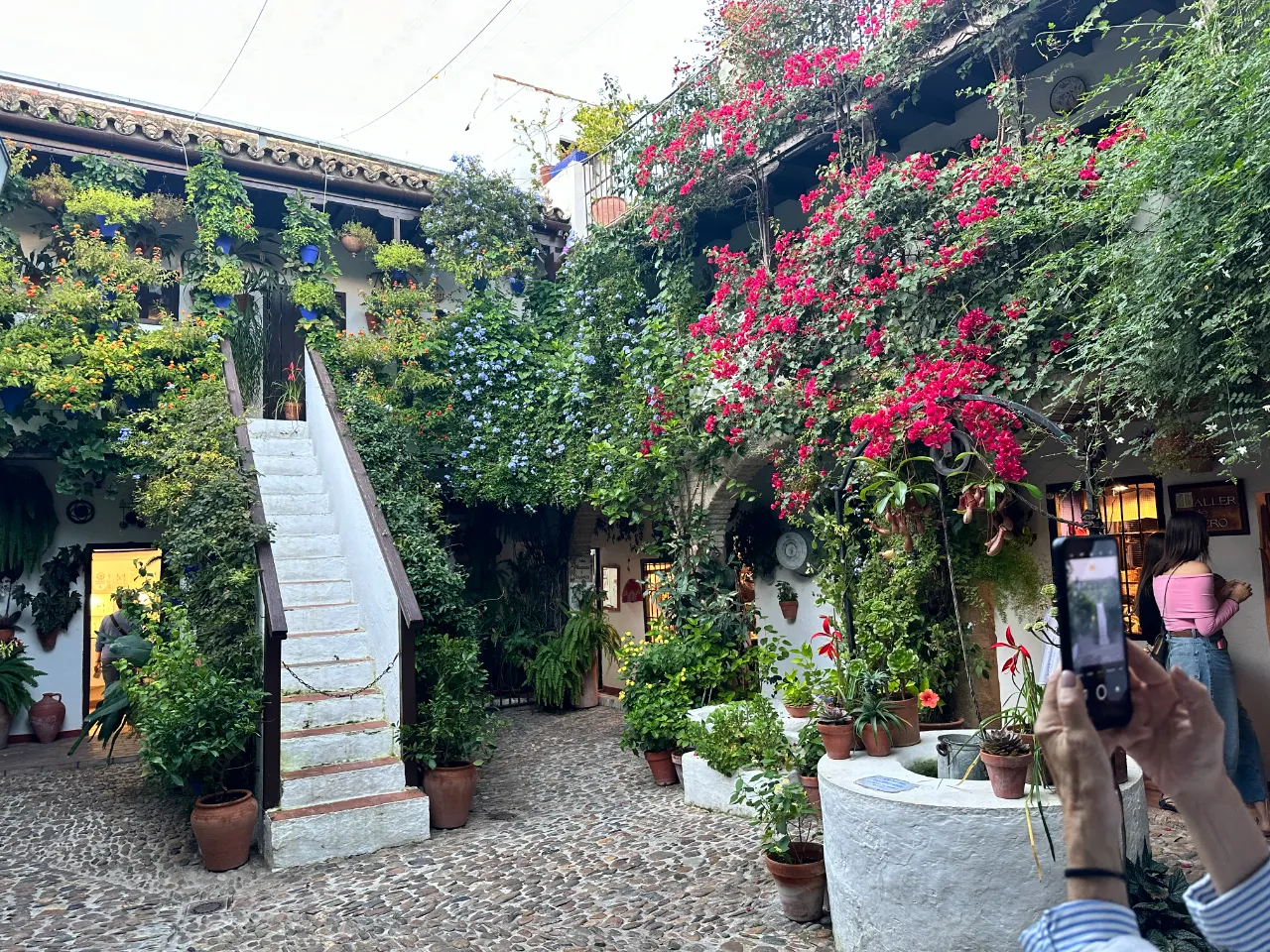
Cordoba had always been a quick pit stop on my previous itineraries: pop in, see the Mezquita, maybe grab lunch, and then bounce. This time, we stayed overnight, and let me tell you, what a difference that made.The Mezquita-Catedral is still jaw-dropping, don’t get me wrong. But the real magic happens when you wander beyond it, through the maze of narrow streets, past ancient stone walls, into tucked-away courtyards that whisper stories of Muslim, Roman, and Christian influences all tangled together.I kept thinking: How did I miss all this before? (Answer: I didn’t give it enough time.) Never again! From now on, Cordoba gets at least a night in my clients' itineraries.
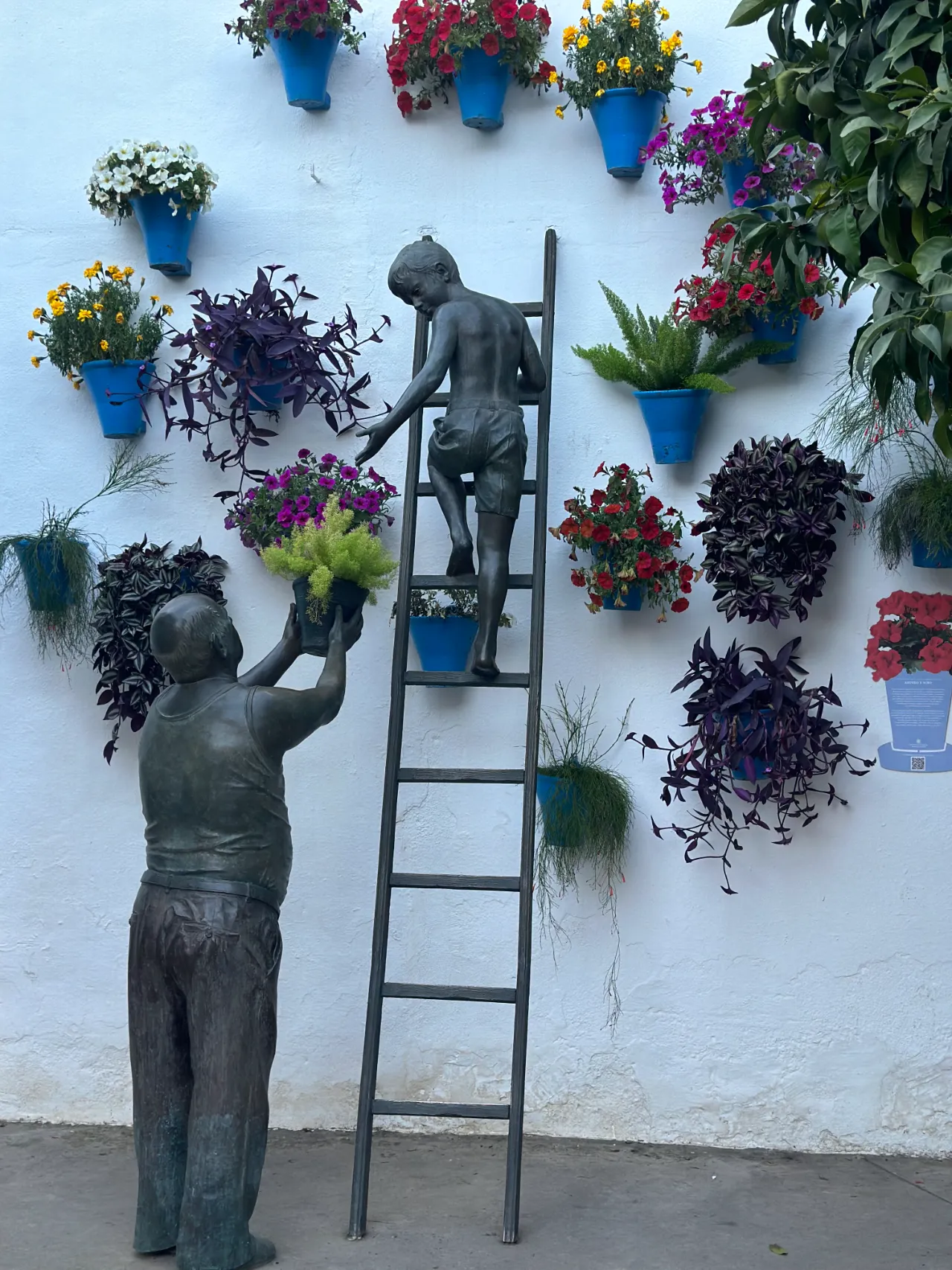
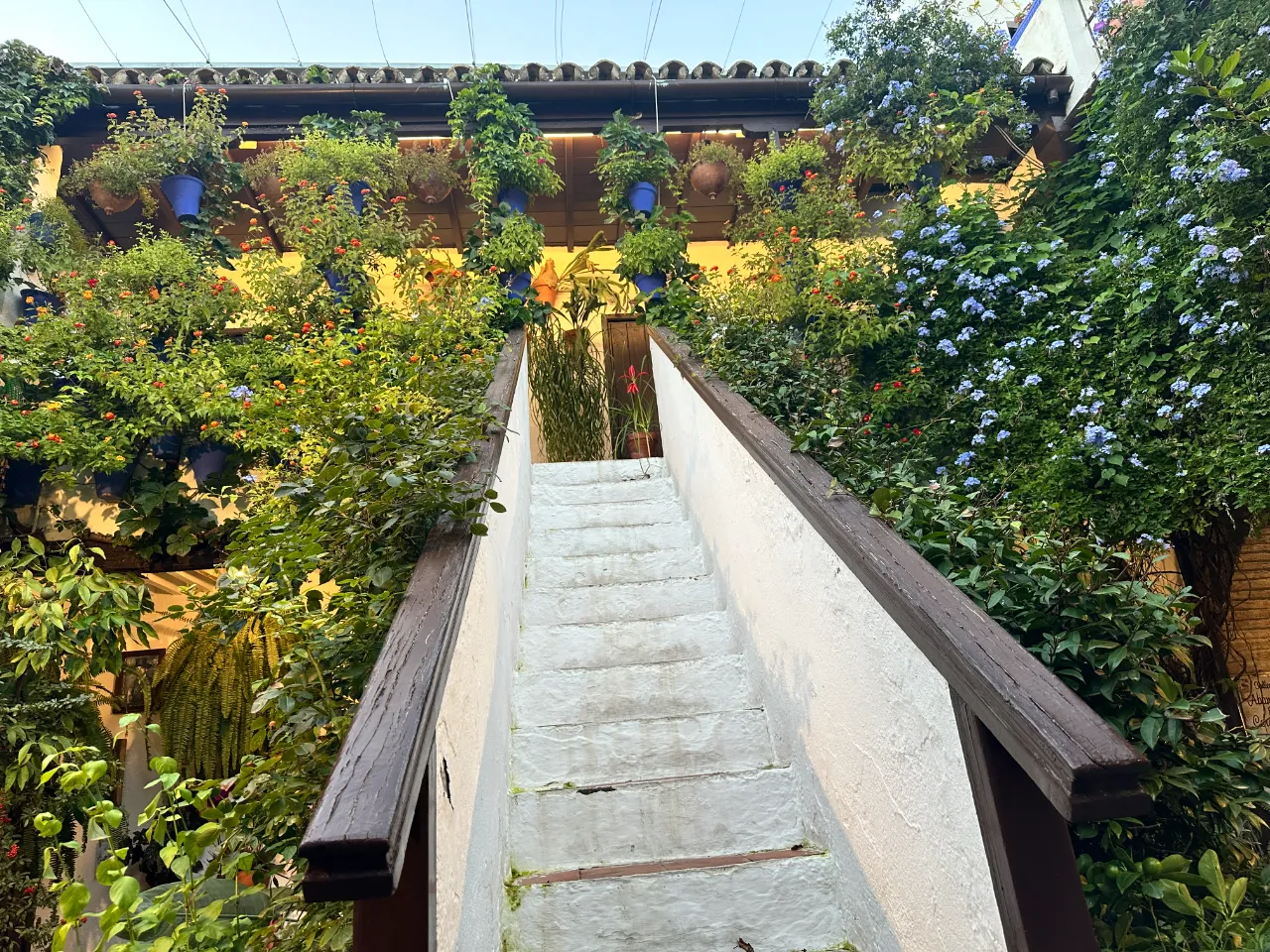
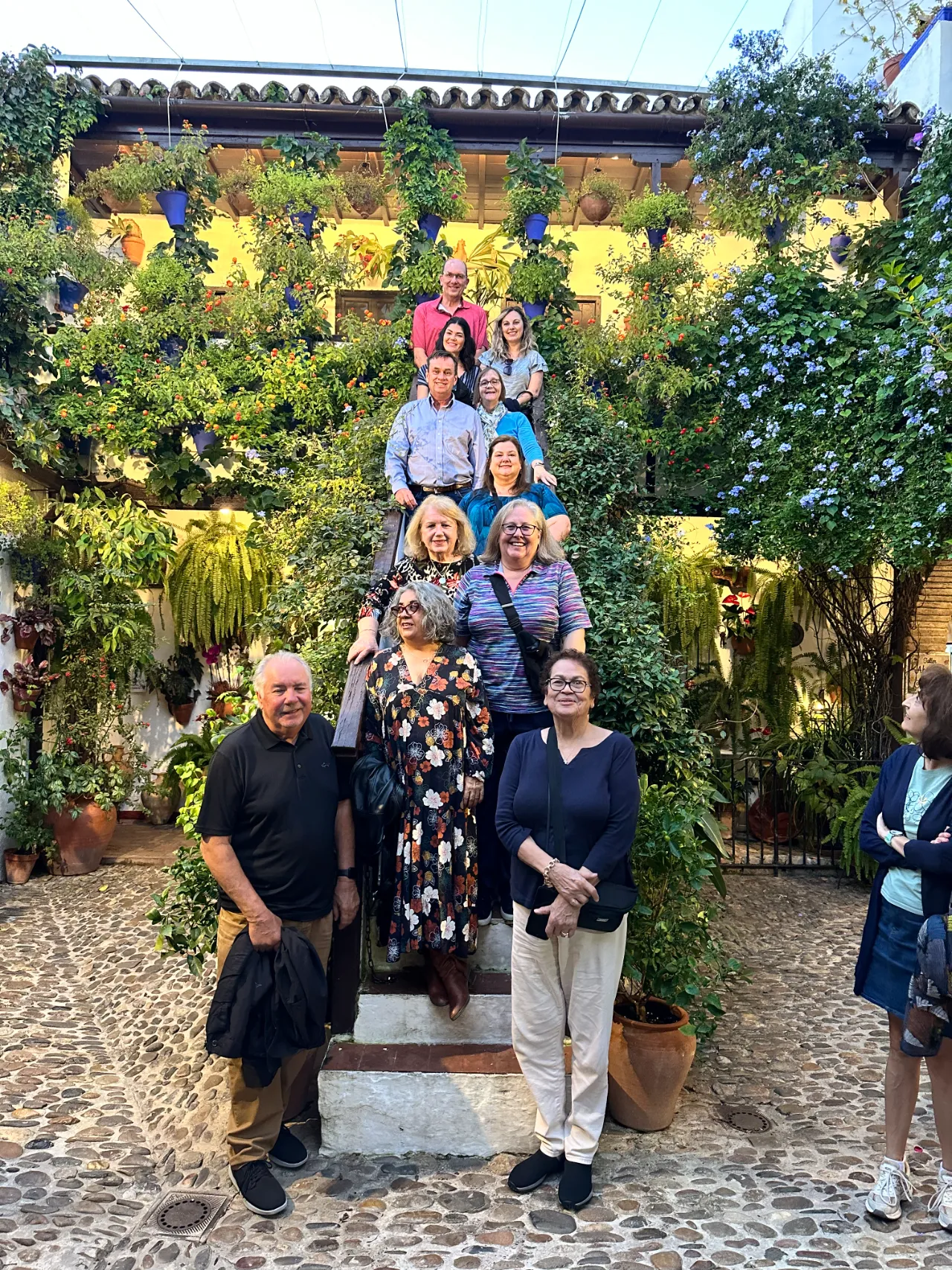
Also worth noting: dinner at Ermita de la Candelaria was chef’s kiss good. And if you’re visiting, please, please, do a tour of the patios (courtyards). They’re now a UNESCO World Heritage thing, but beyond the Insta-worthy flowers, each one has its own story, and they’re seriously fascinating.




Granada: Where My Inner Child Lost Her Mind (Again)
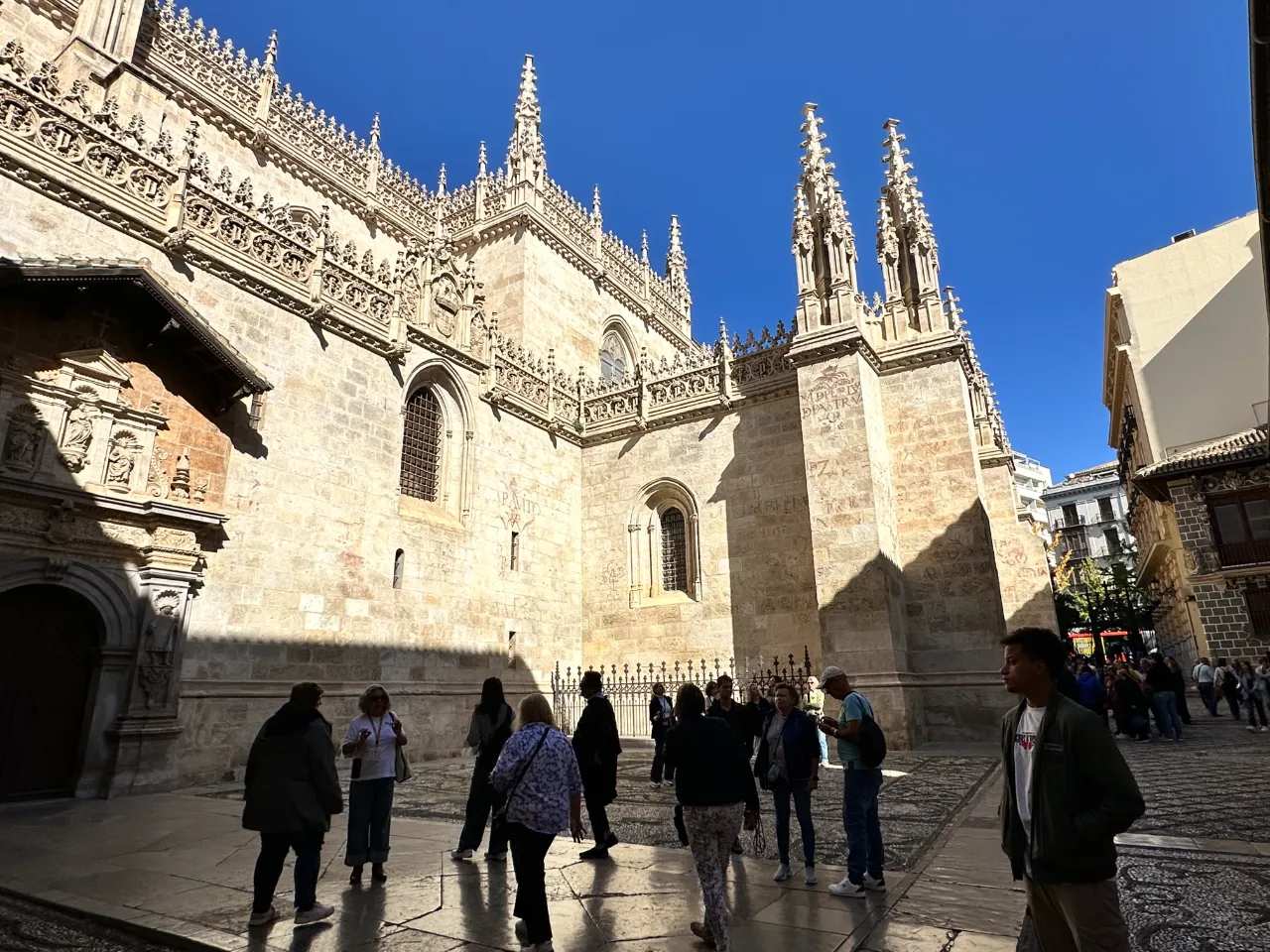
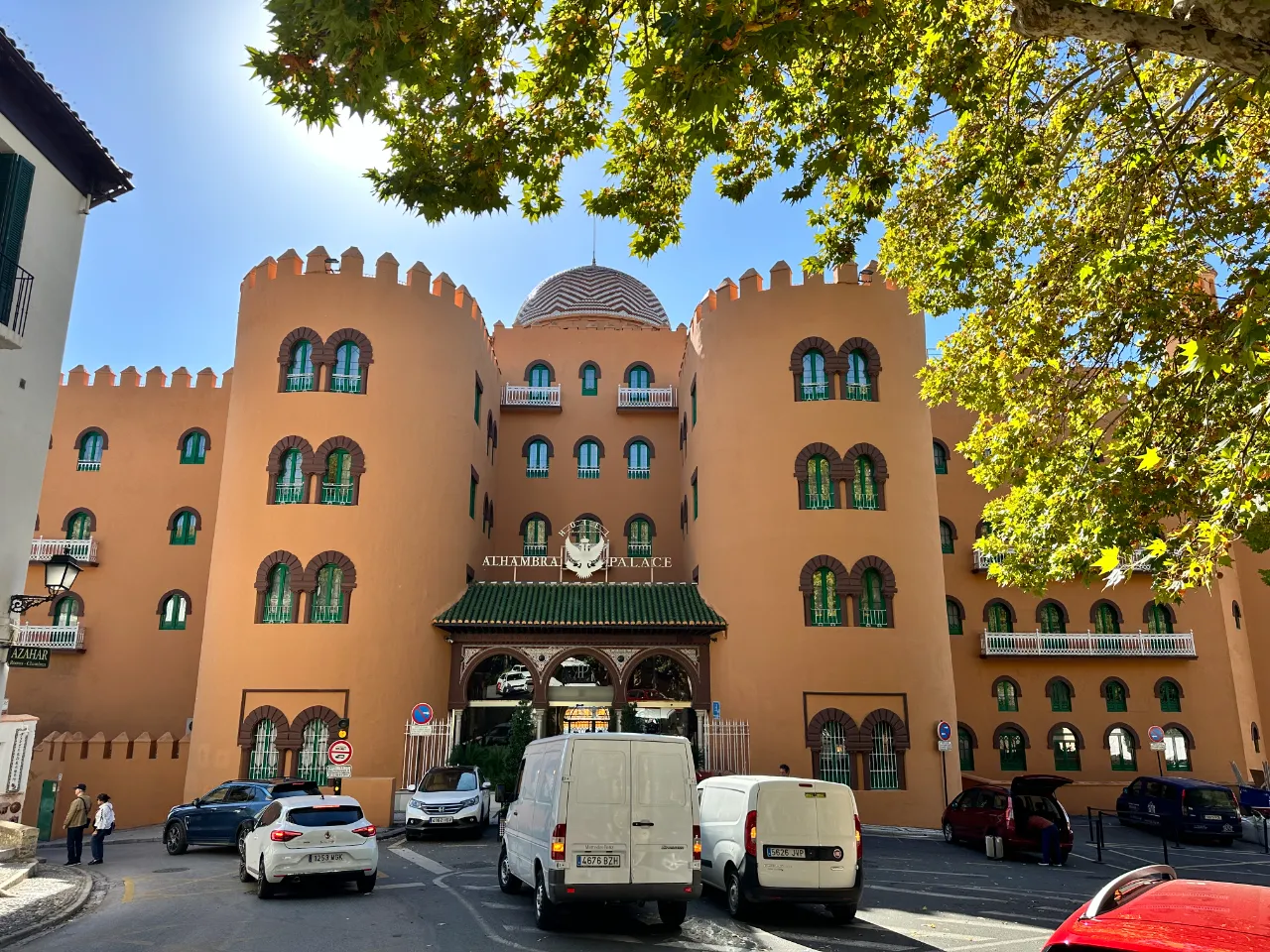
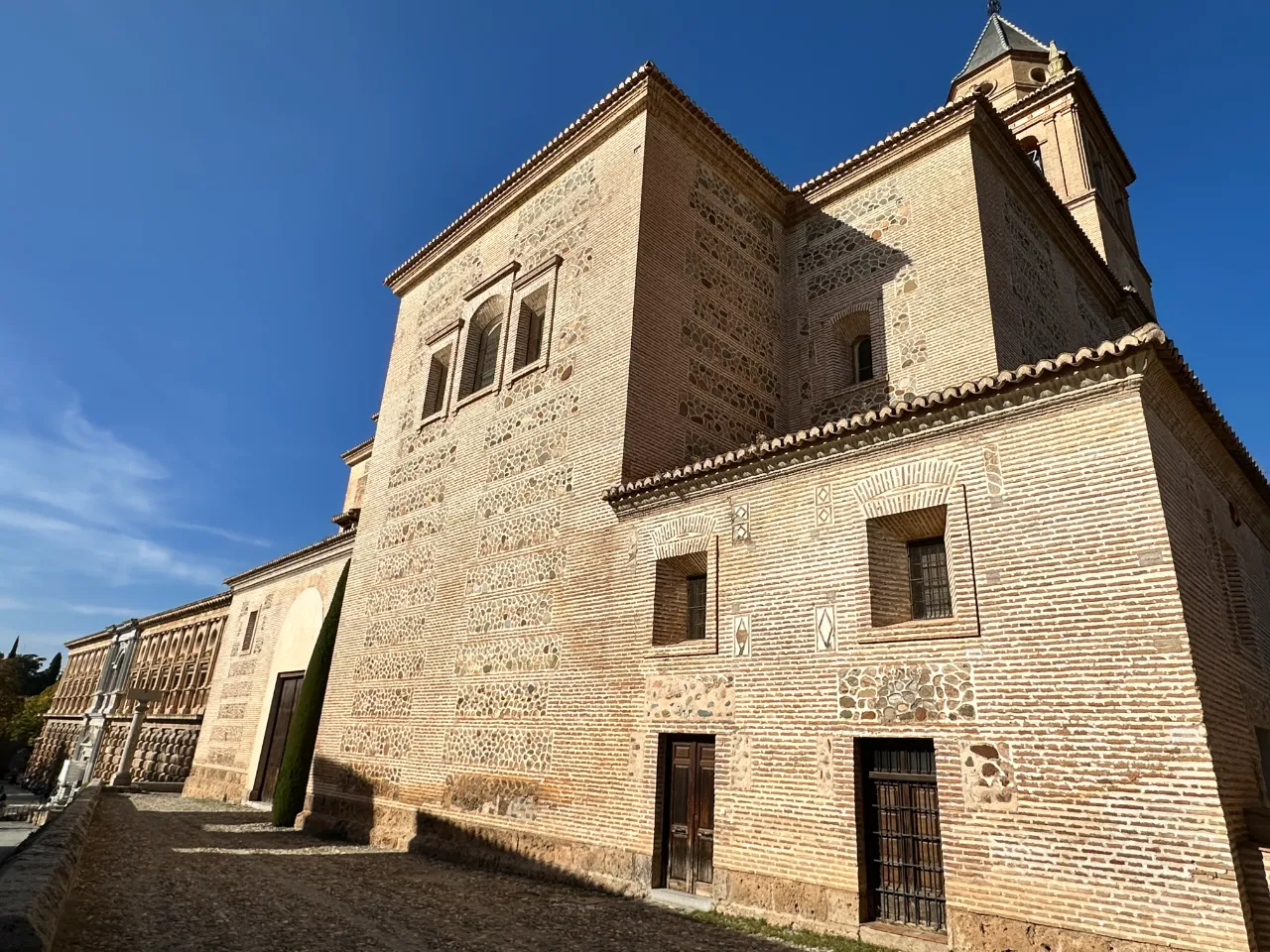
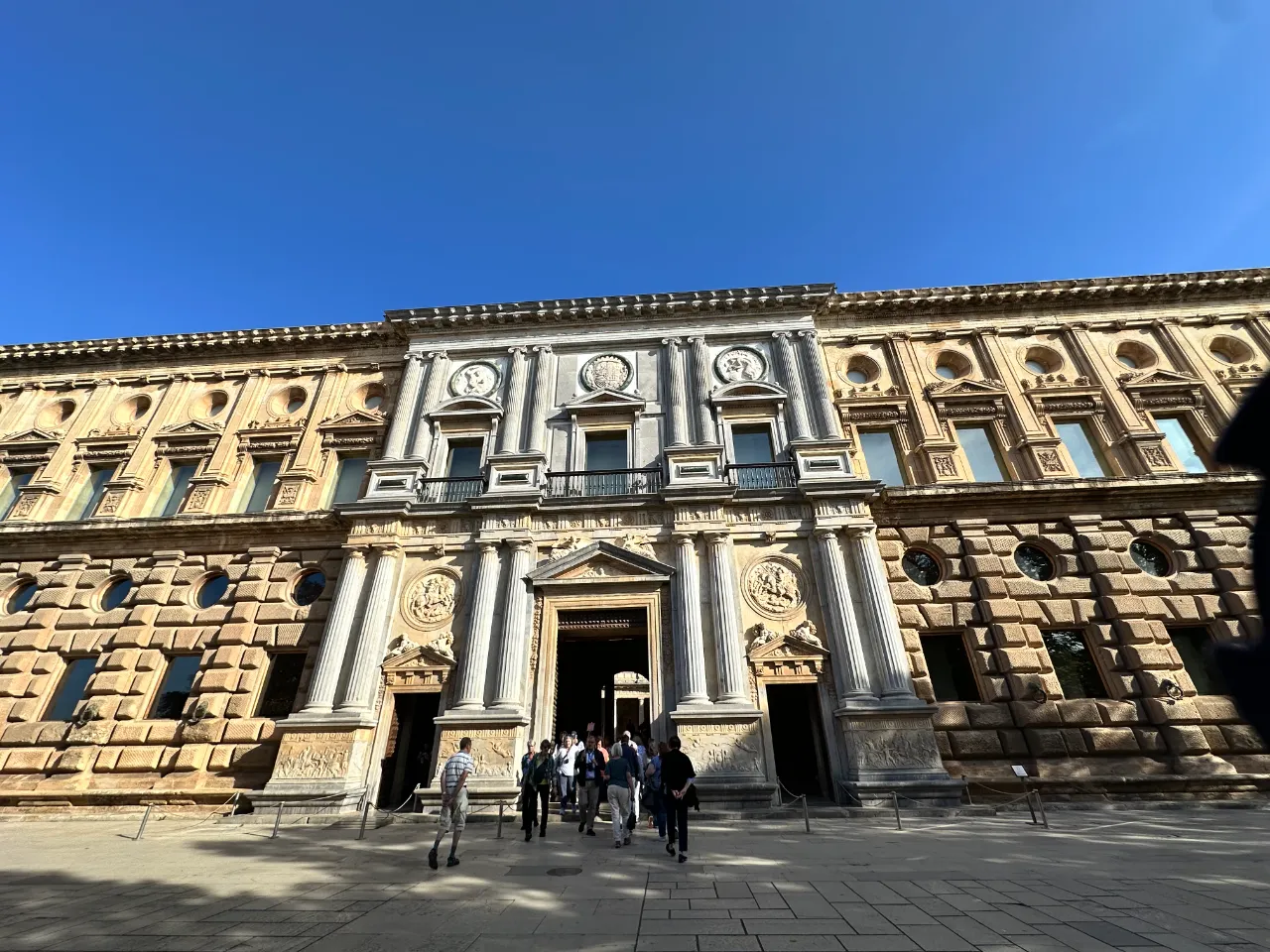
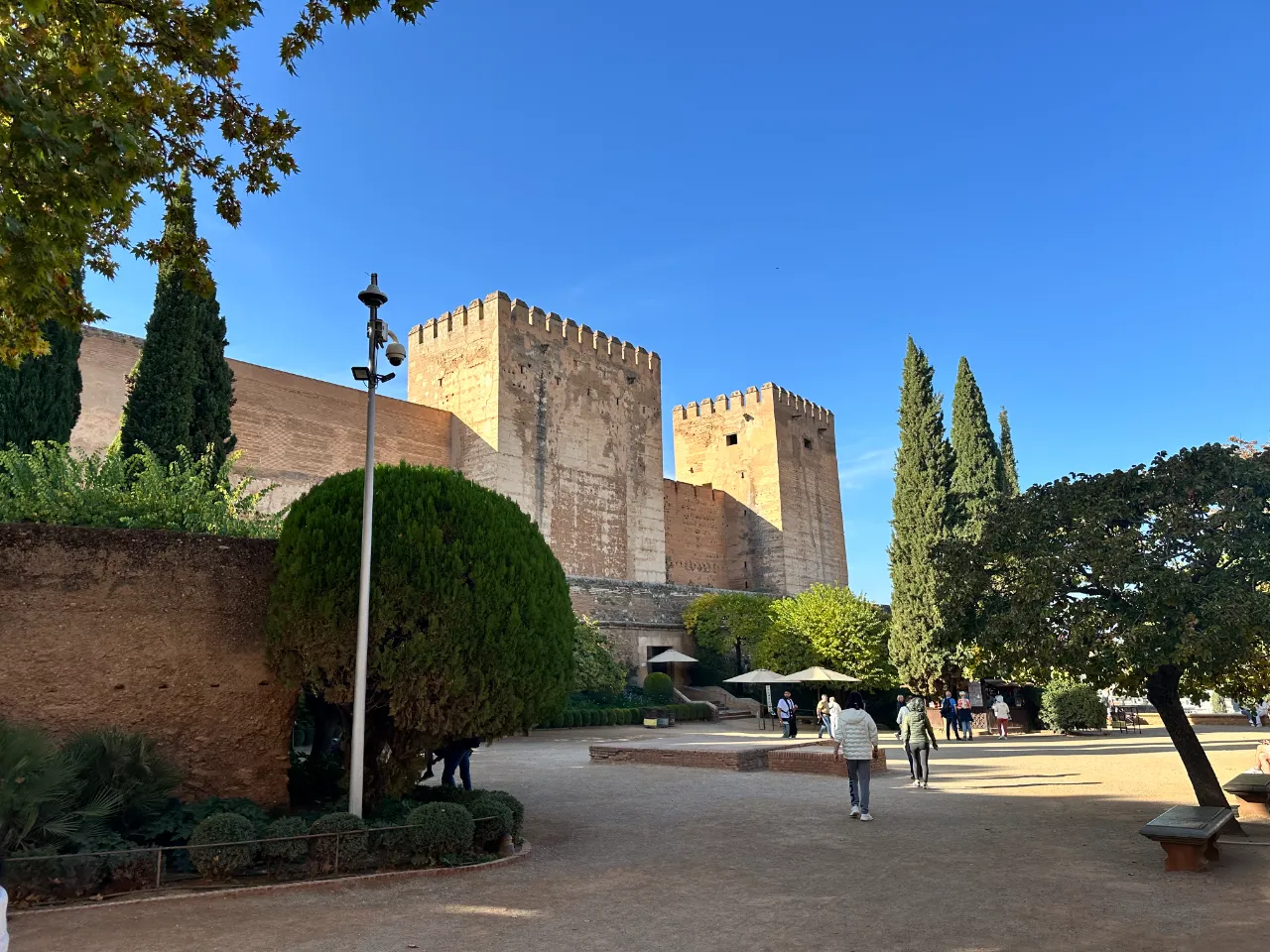
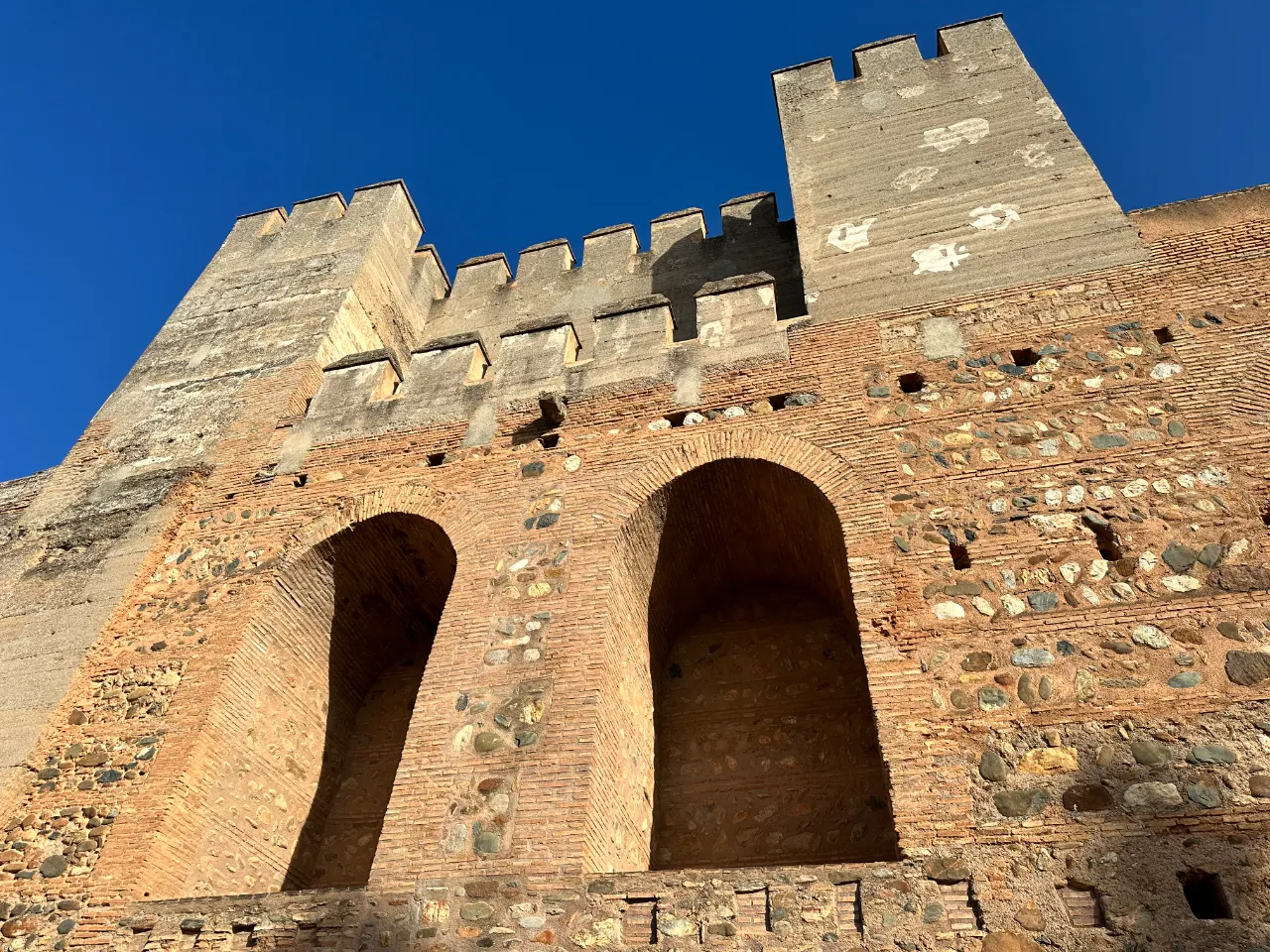
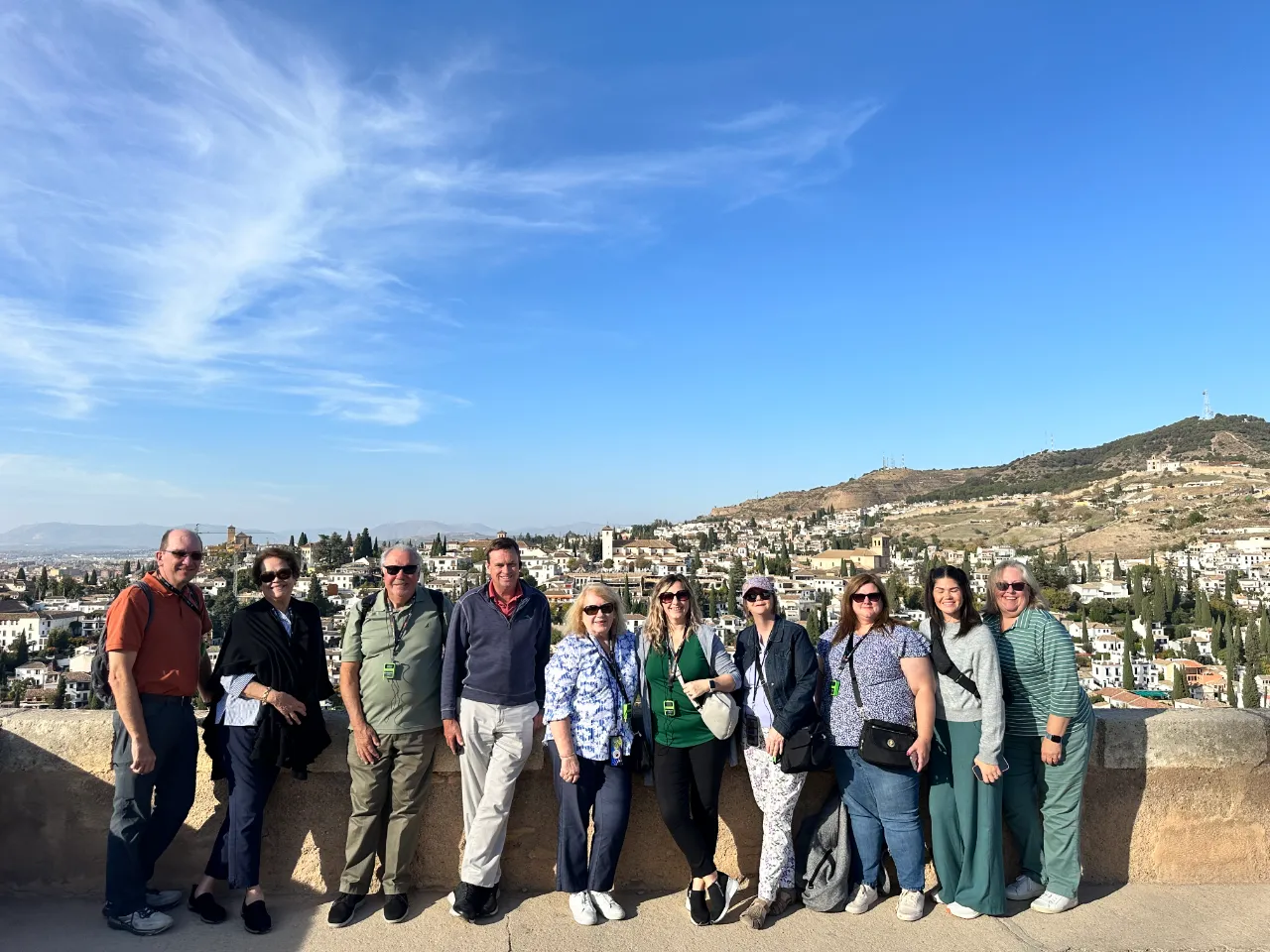
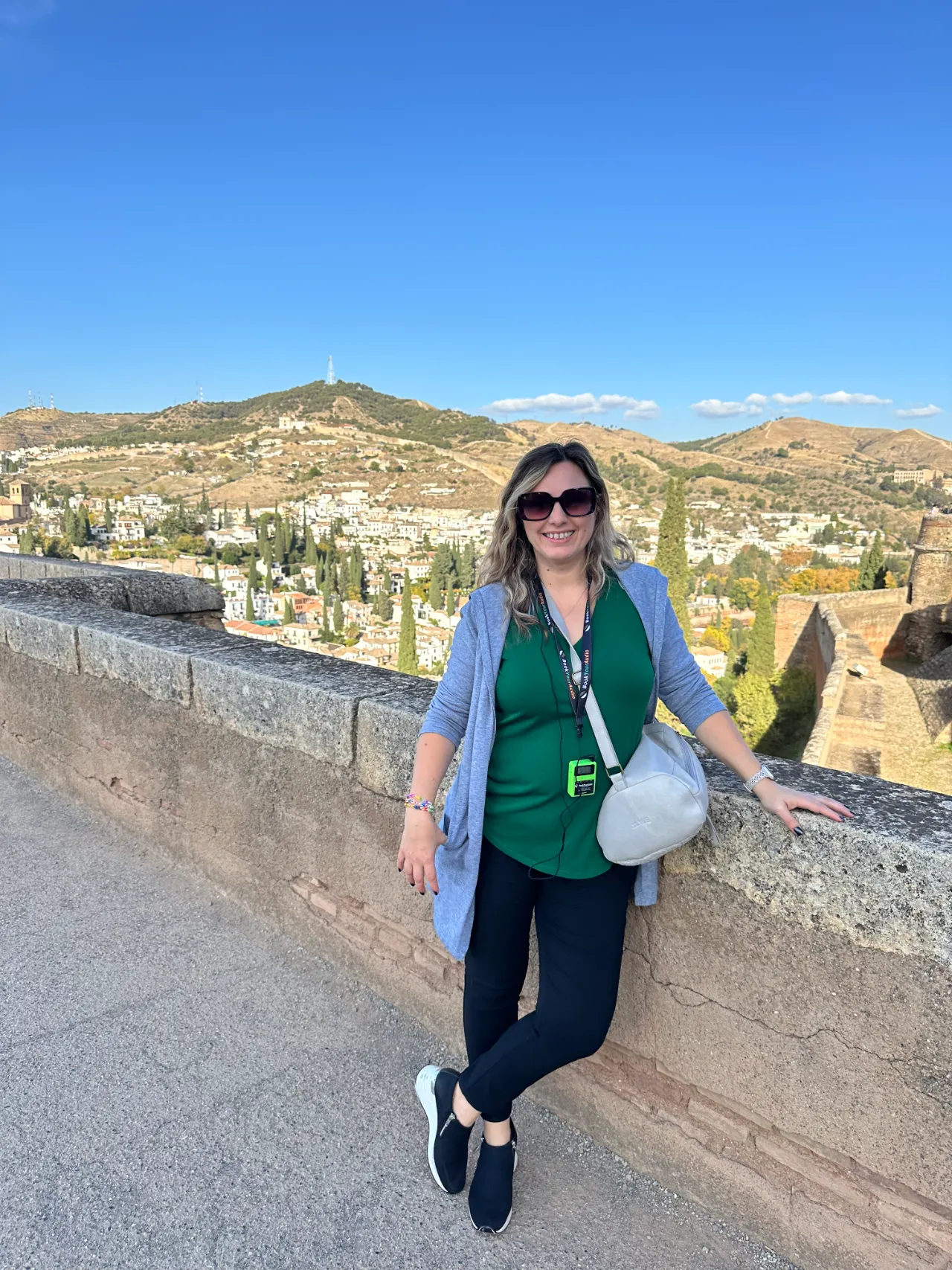
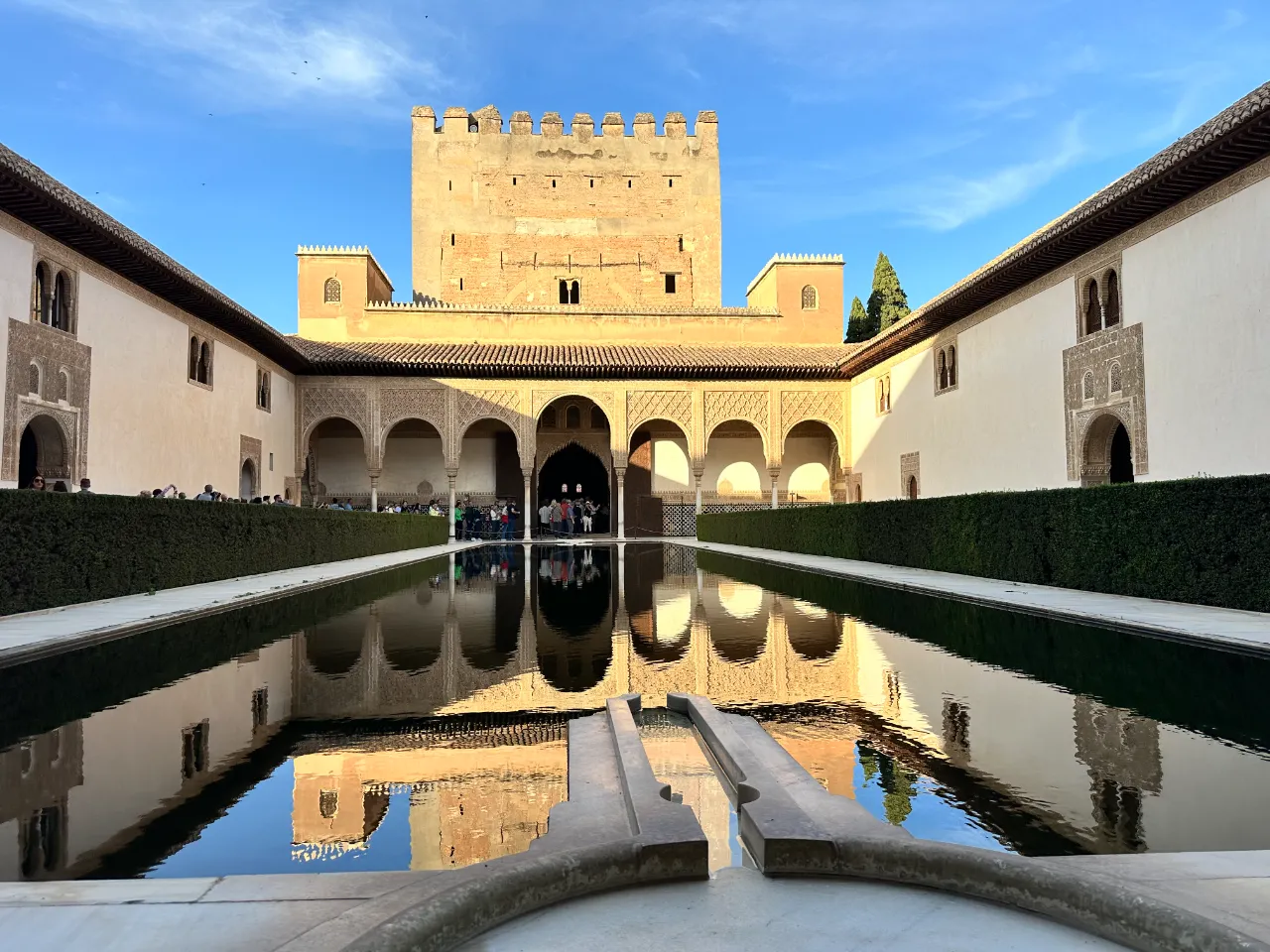
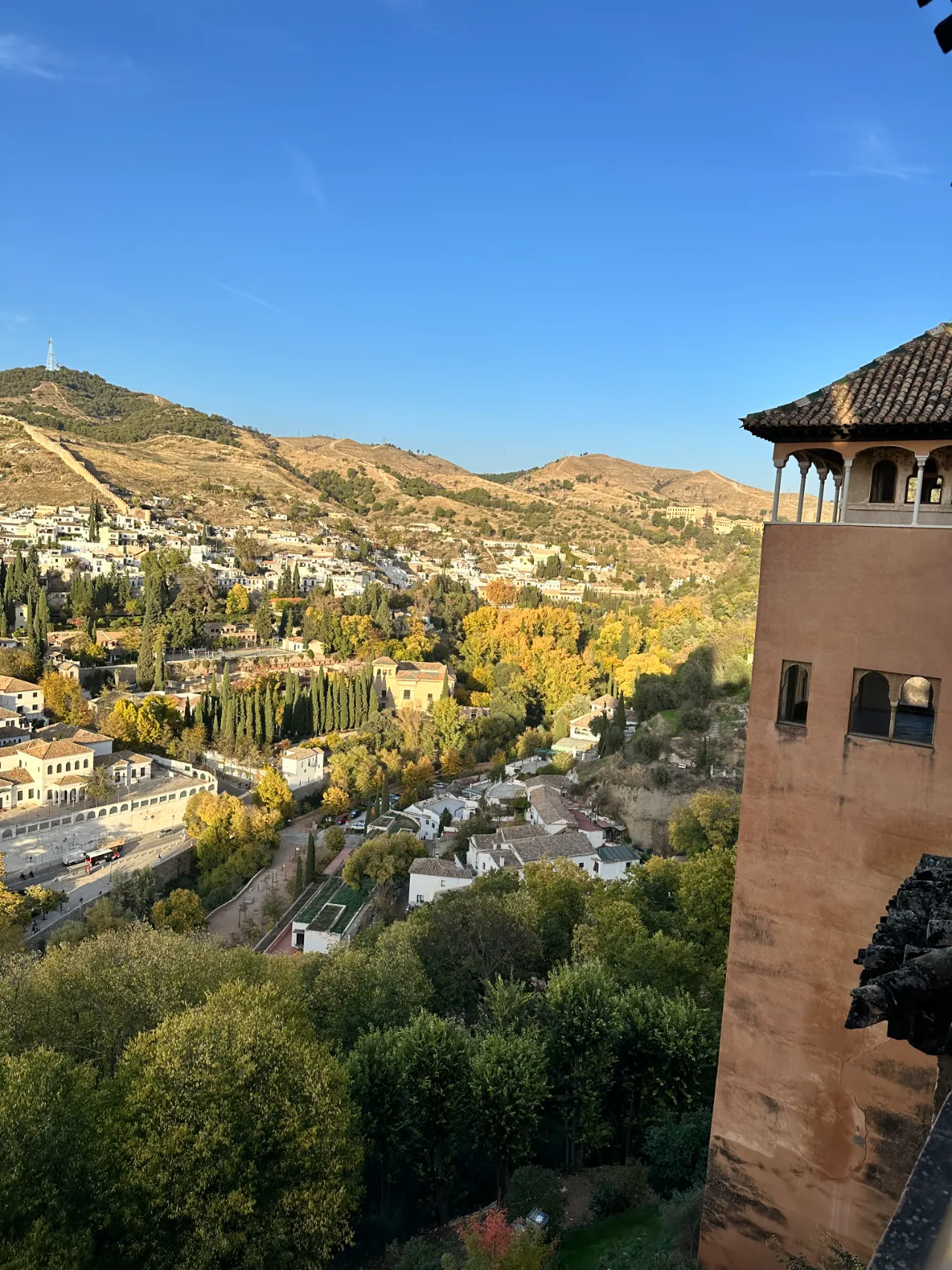
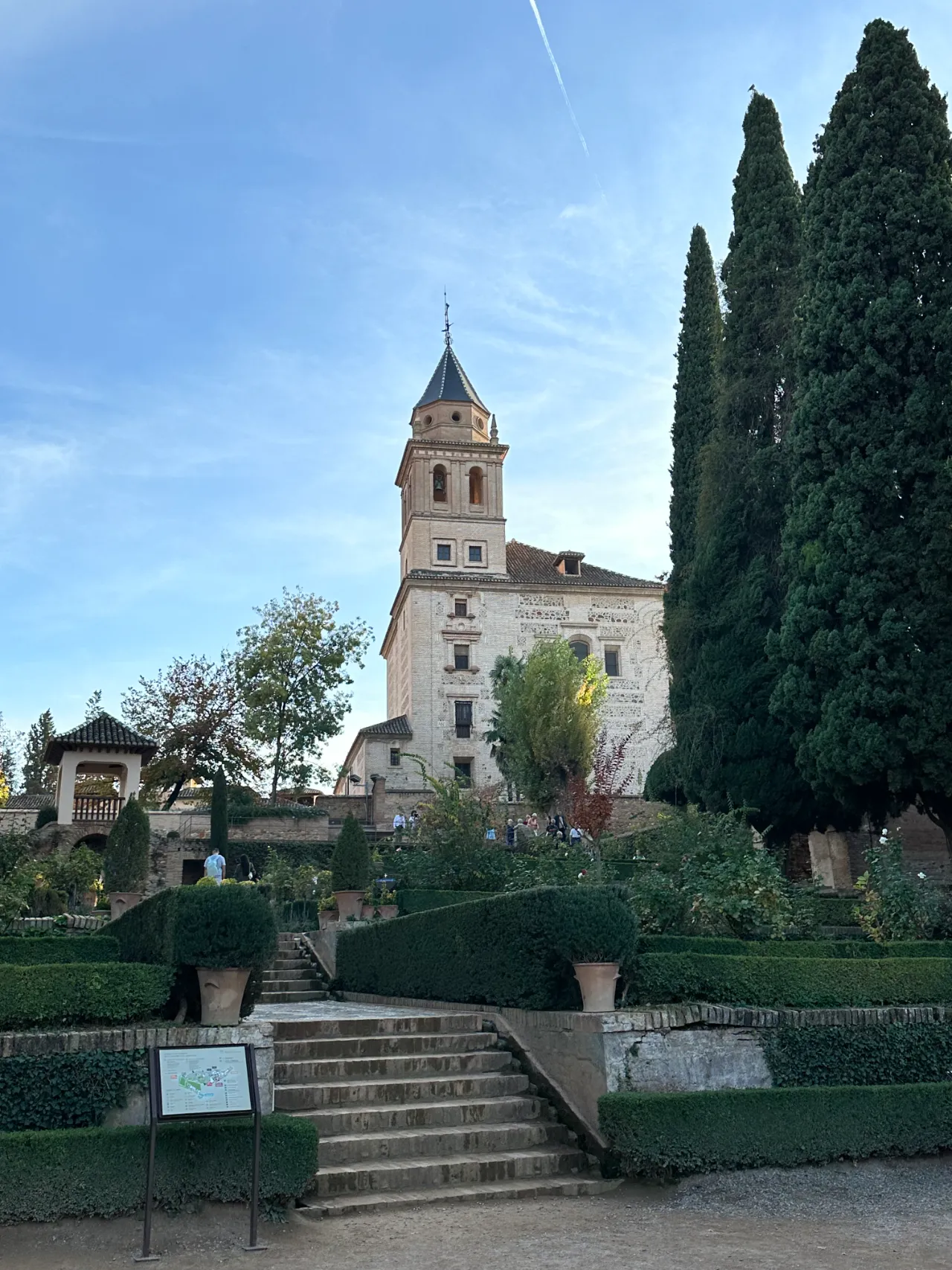
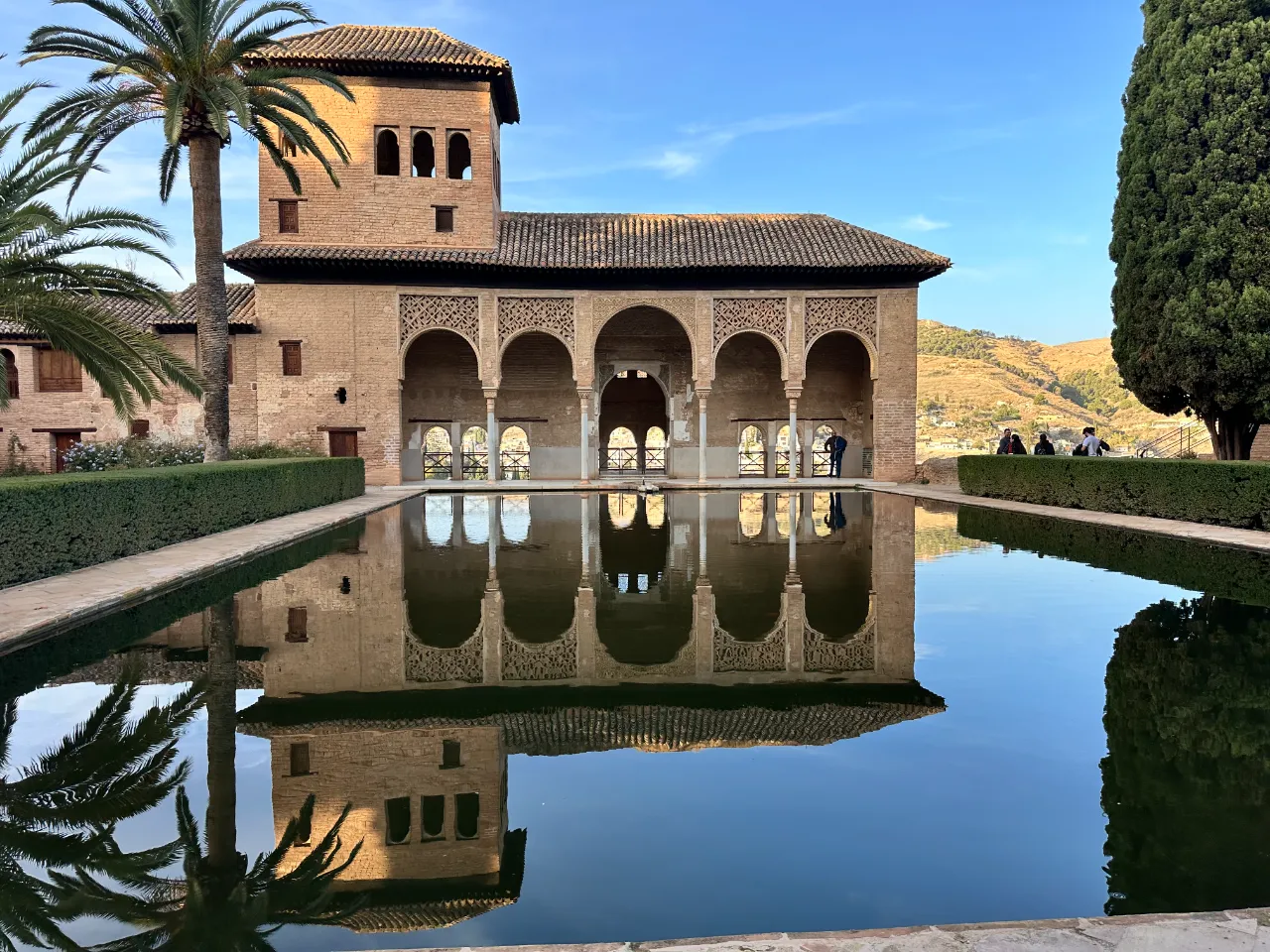
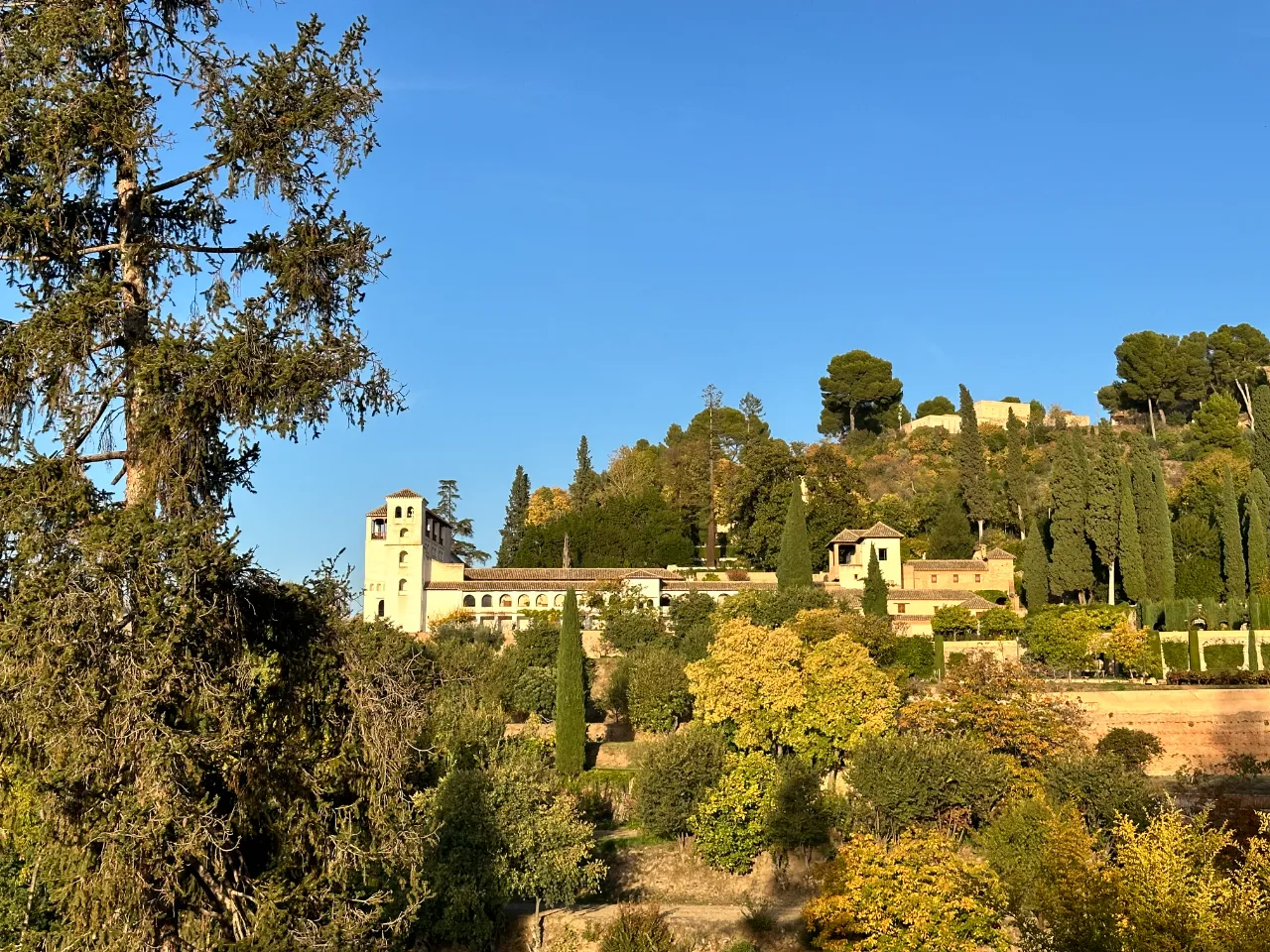
Granada always hits differently for me. Maybe it’s because as a kid, I devoured every fairytale I could get my hands on, and Granada feels like walking into a storybook. (Even though technically, the Alhambra has nothing to do with "One Thousand and One Nights," my brain has decided otherwise and I’m not changing it.)
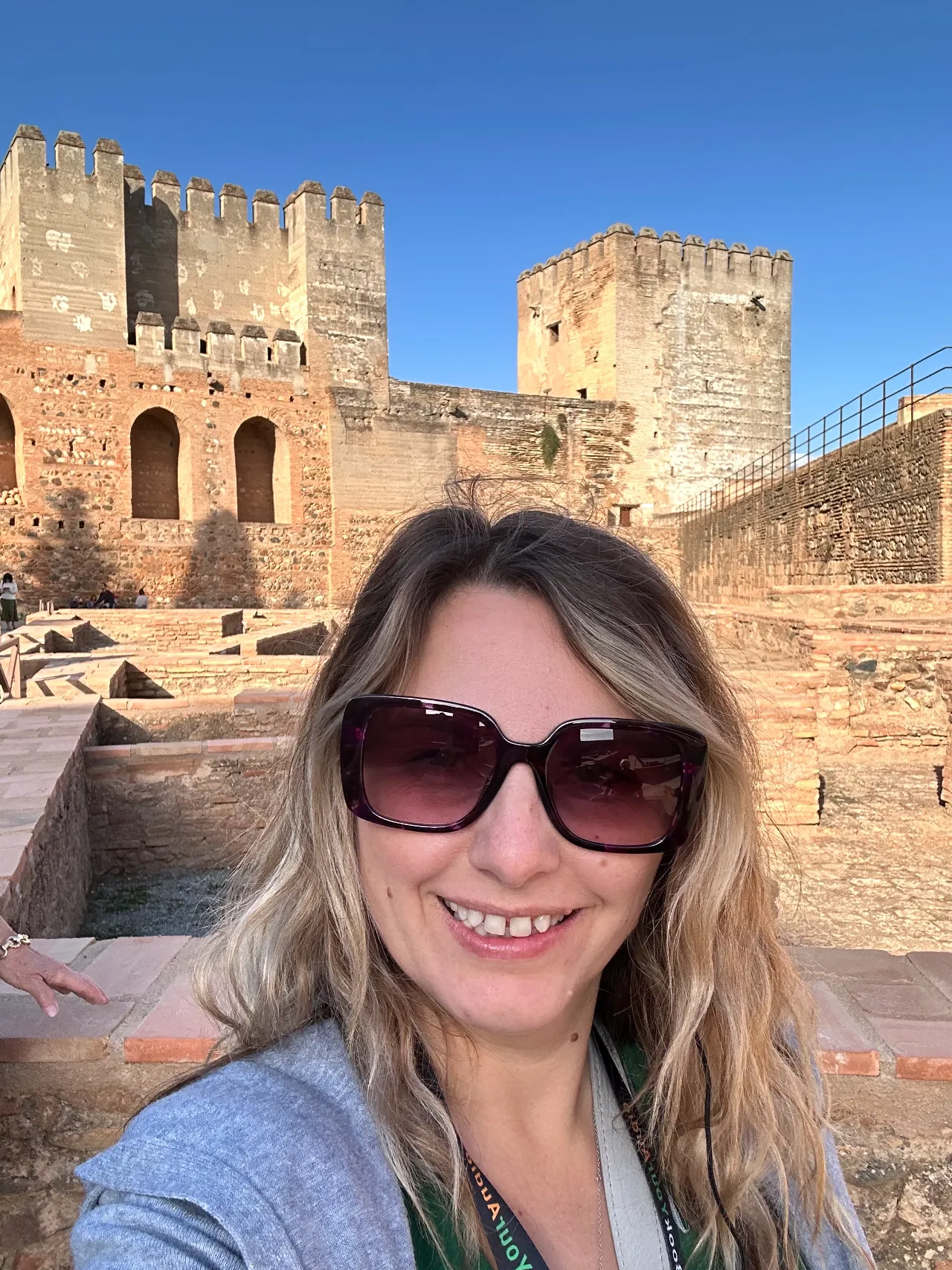
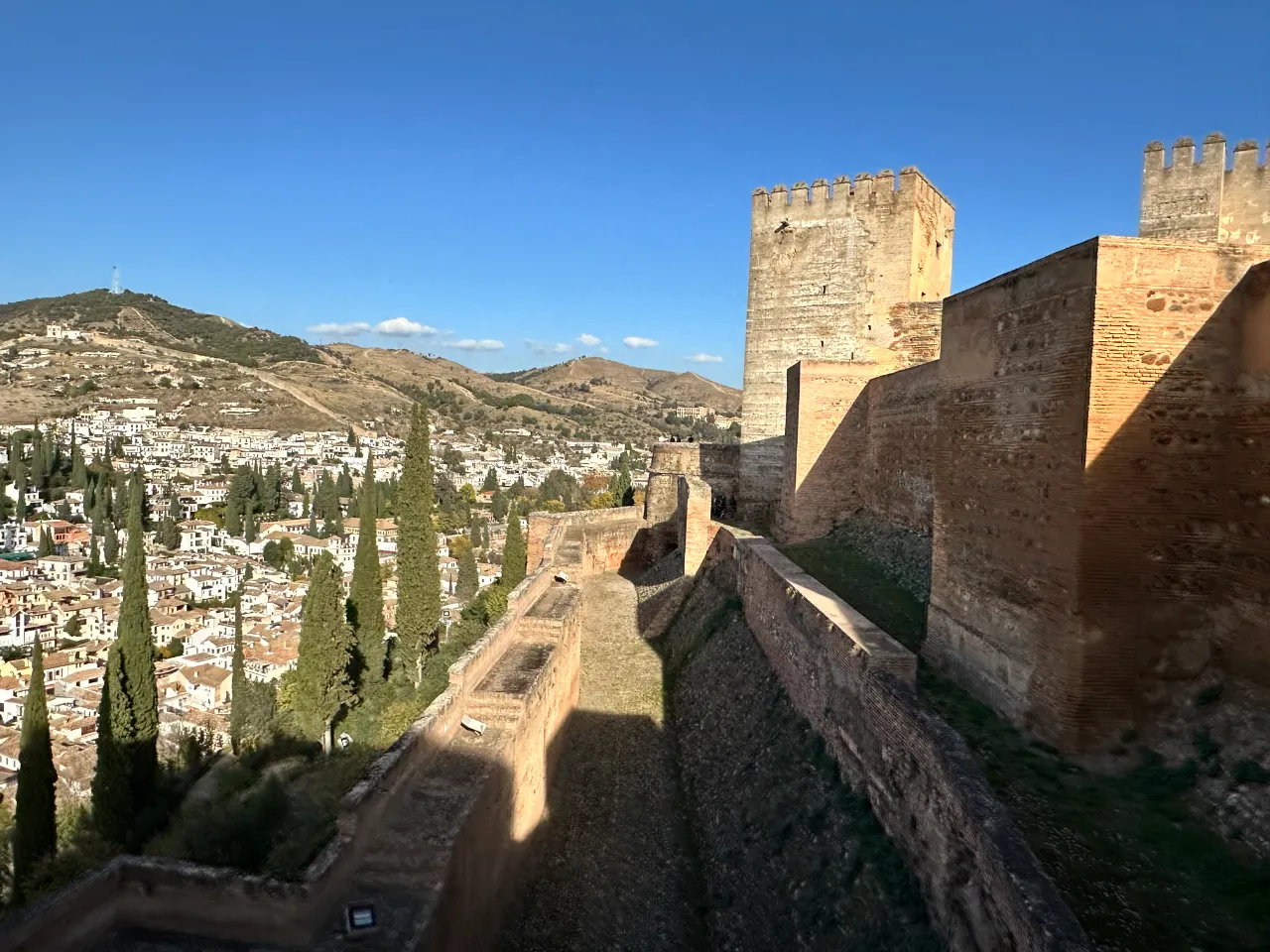
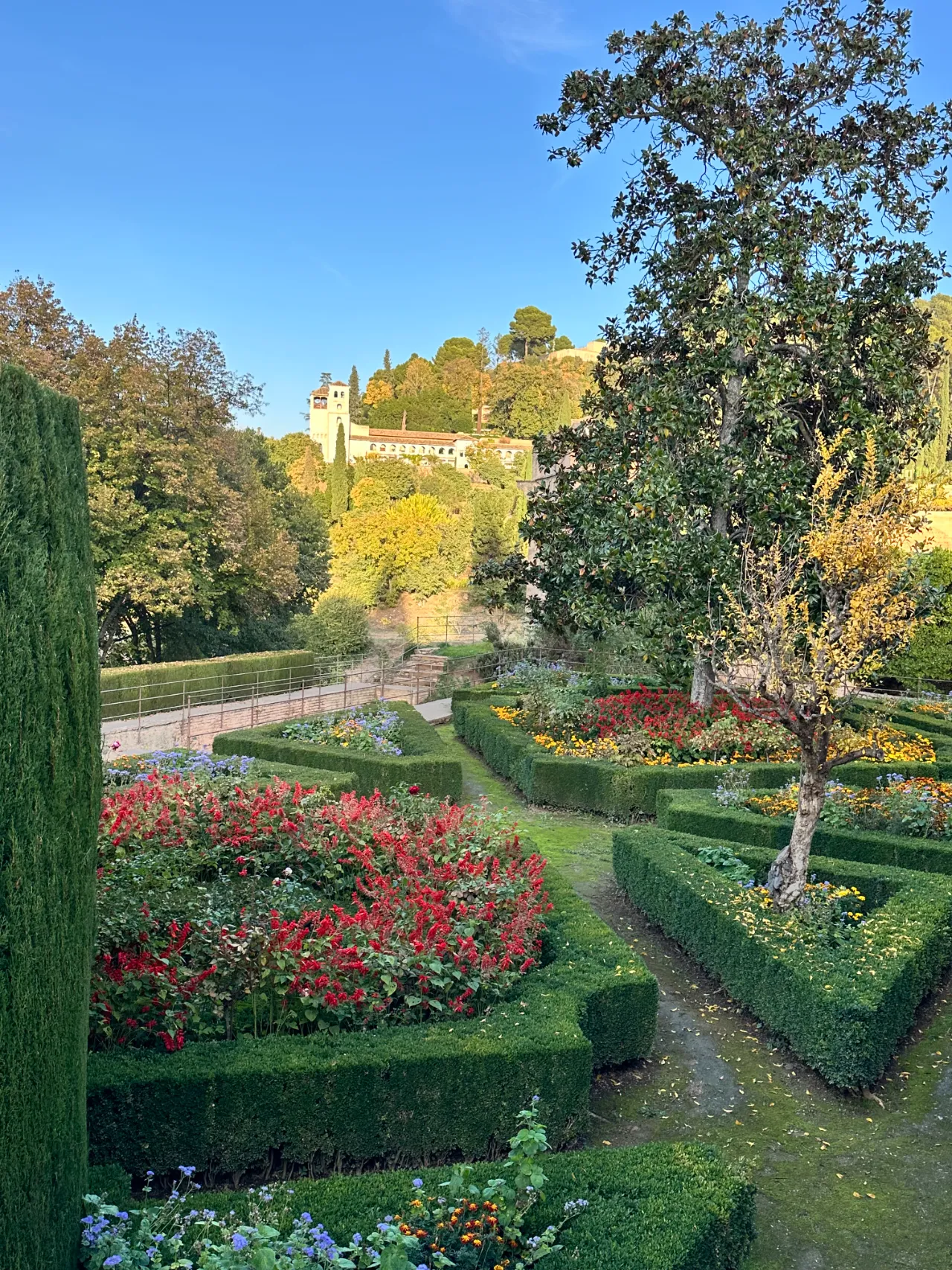
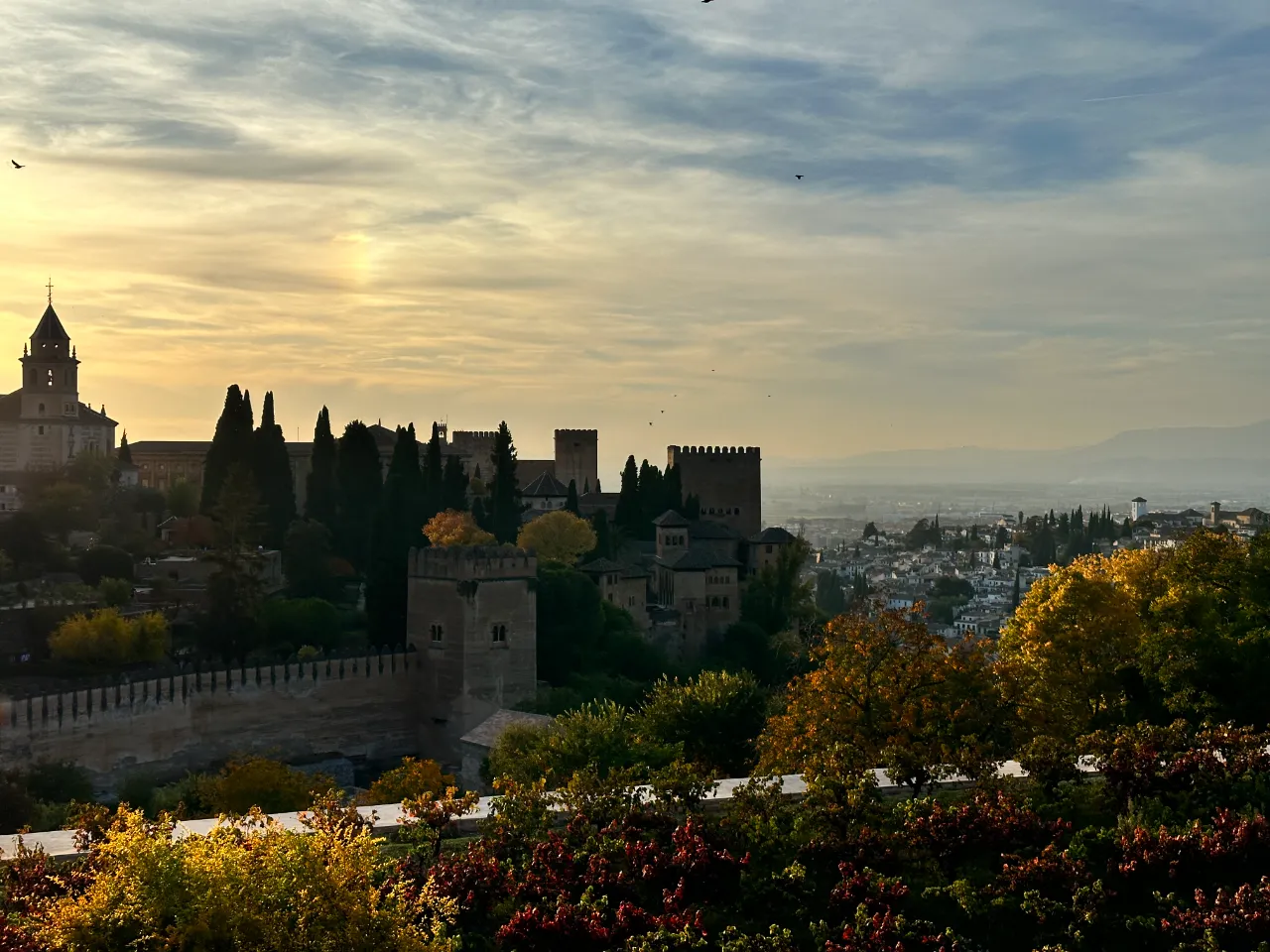
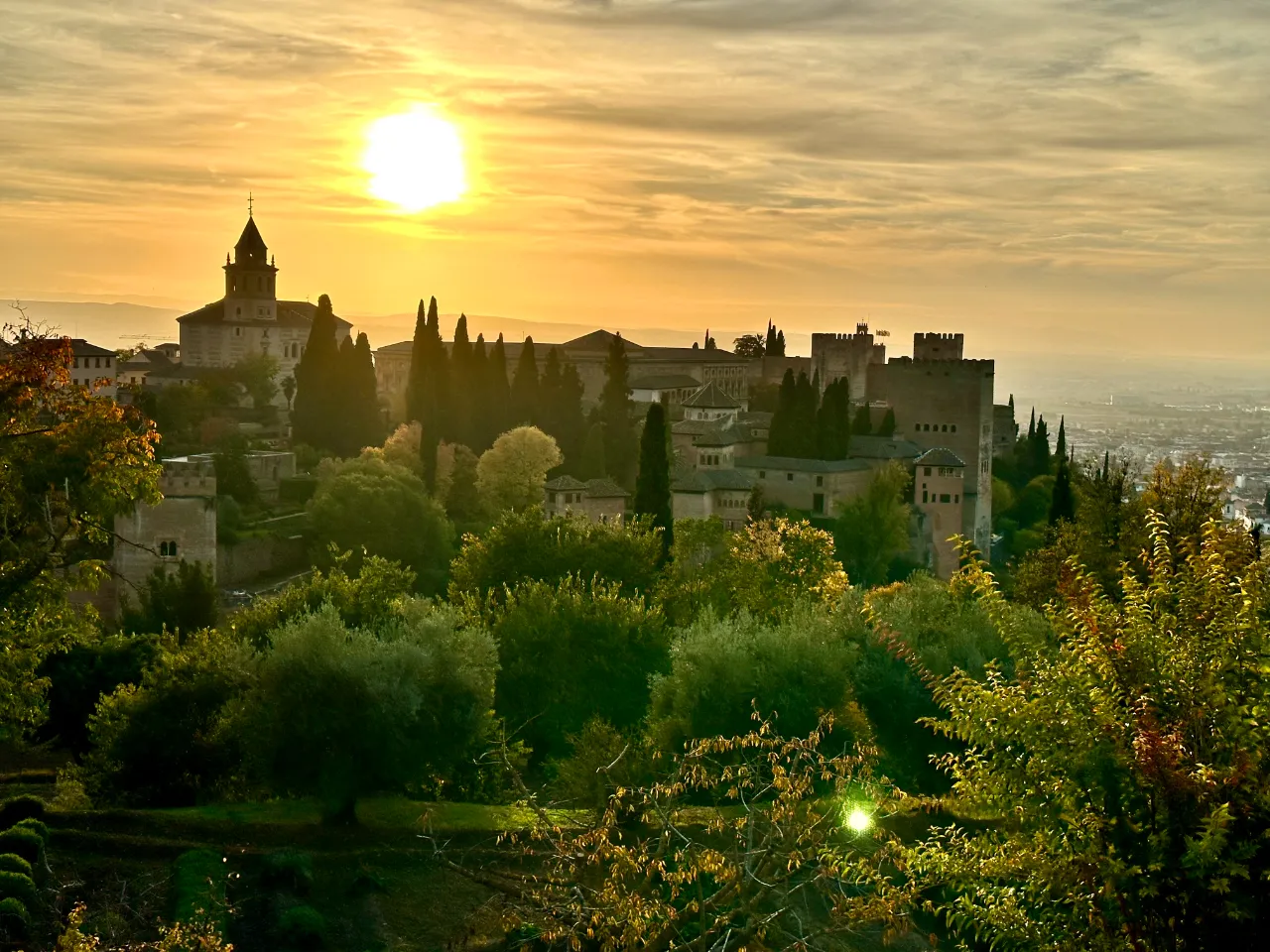
Seeing the Alhambra again, with its intricate carvings and dreamy courtyards, brought it all back. I mean, I half expected Scheherazade to pop out from behind a pillar. Walking through the Albaicín neighborhood at night, cobblestone streets, whitewashed houses, a full moon lighting up the Alhambra in the background, honestly, it felt like magic was just casually part of the landscape.
Now, reality check: Granada has a very modern side too. Big city, university vibe, lots of new development. So yeah, it’s not all a fairytale. But honestly? That just made the old parts feel even more special. Dinner that night was at Carmen Mirador de Morayma, a traditional Andalusian house turned restaurant with jaw-dropping views of the Alhambra. I had to pinch myself a little. It was like my childhood imagination had thrown a party and actually invited me.


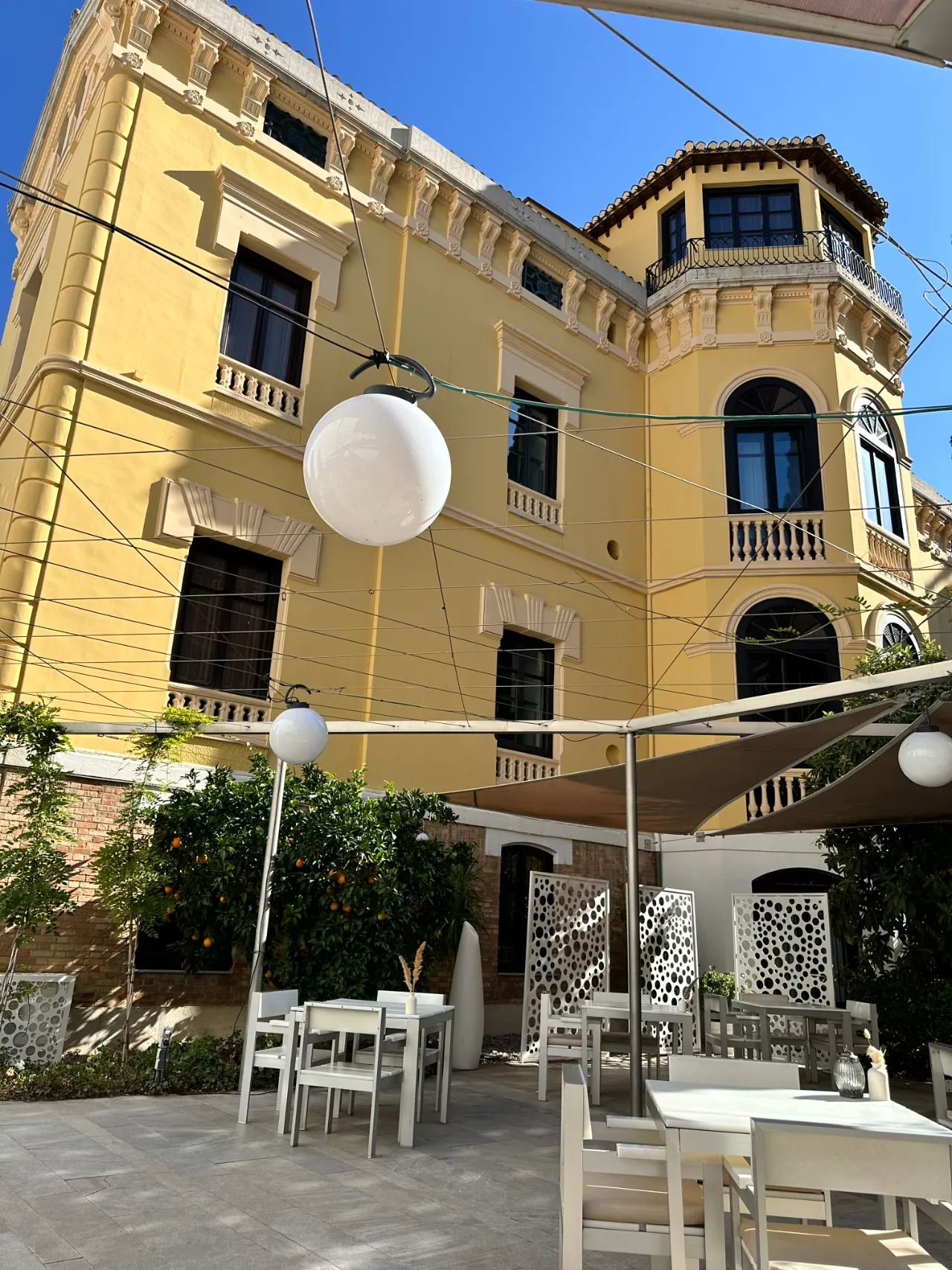
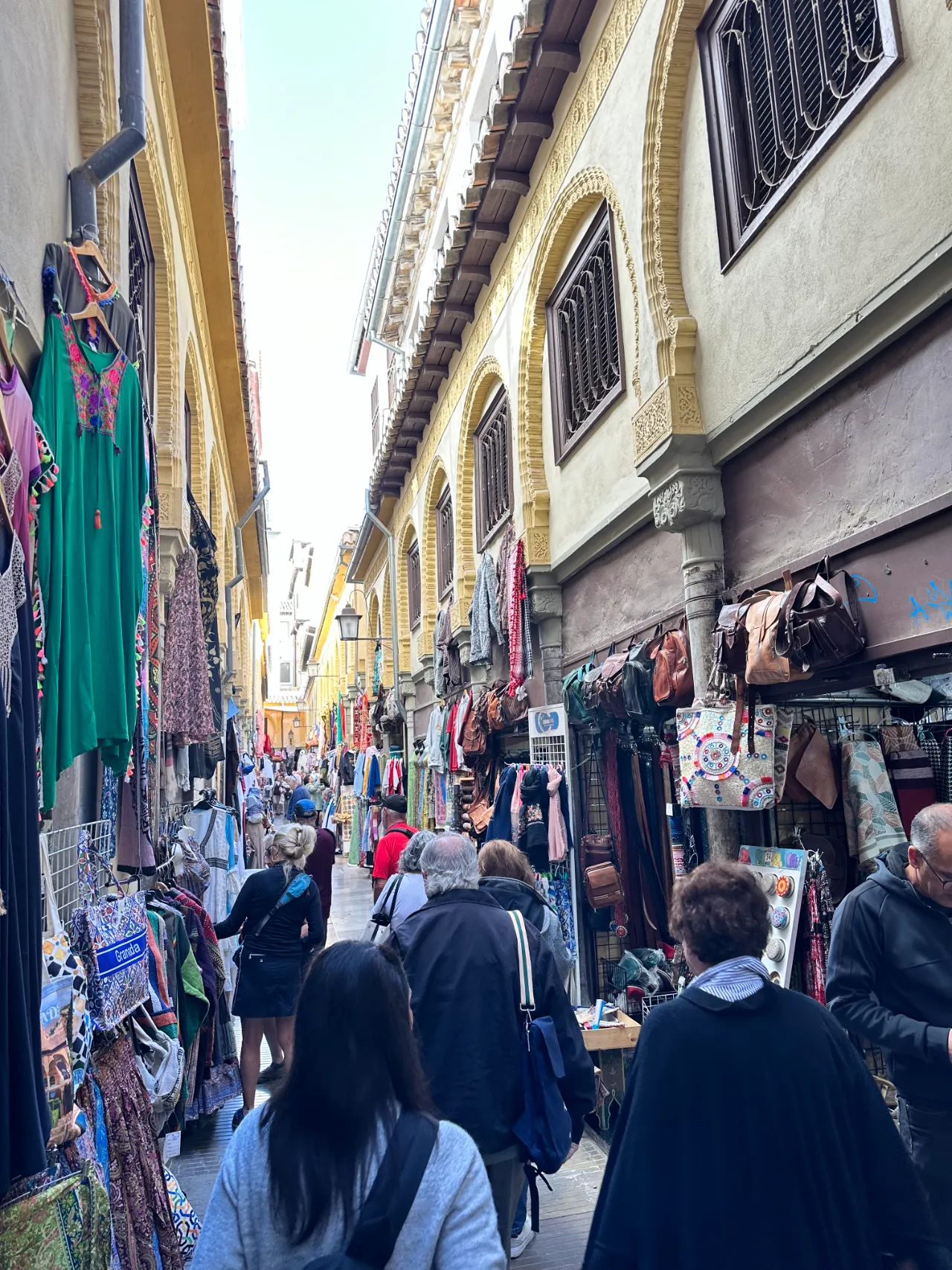
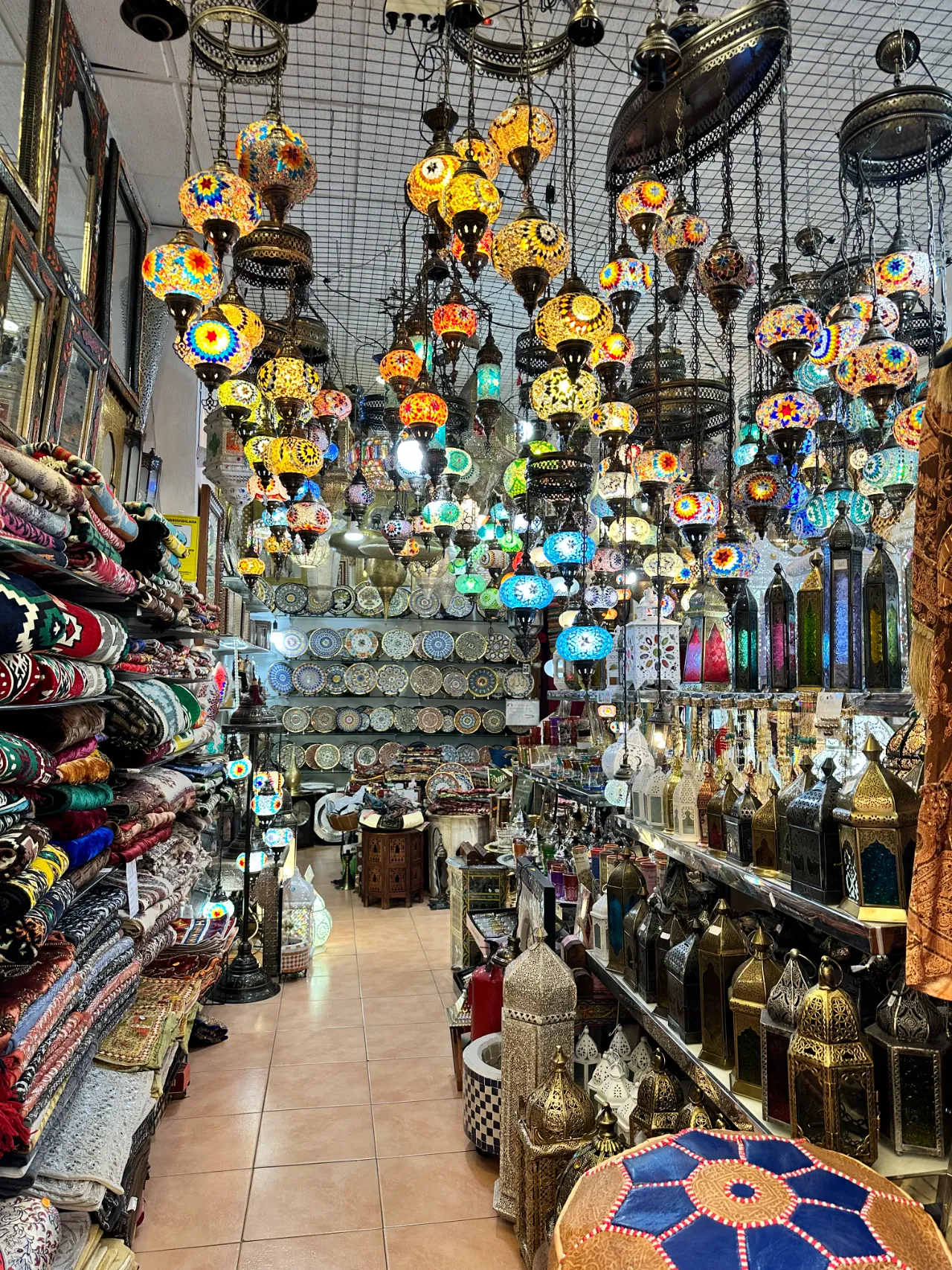
Last But Not Least: Malaga, Where Old and New Play Nice
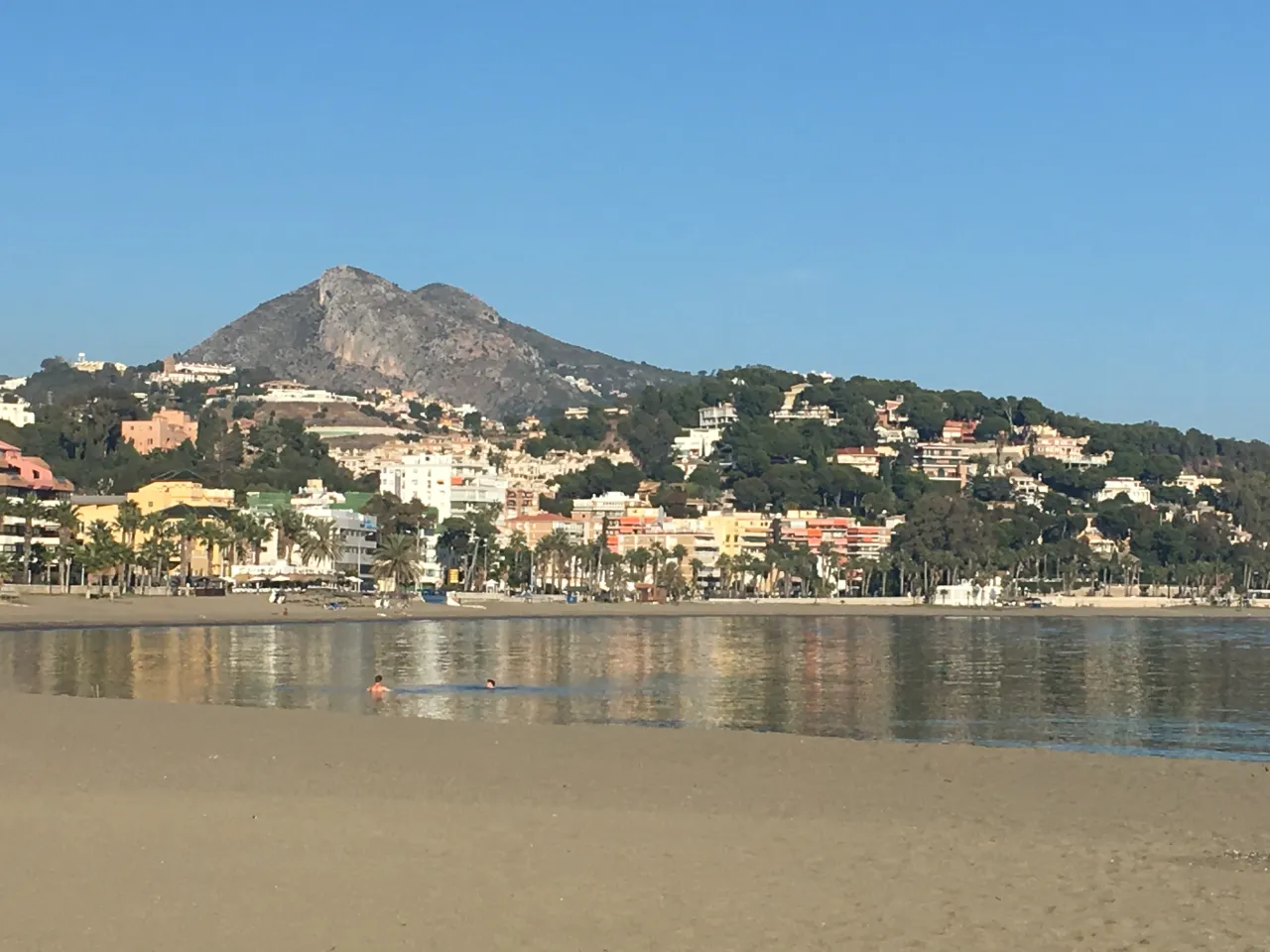
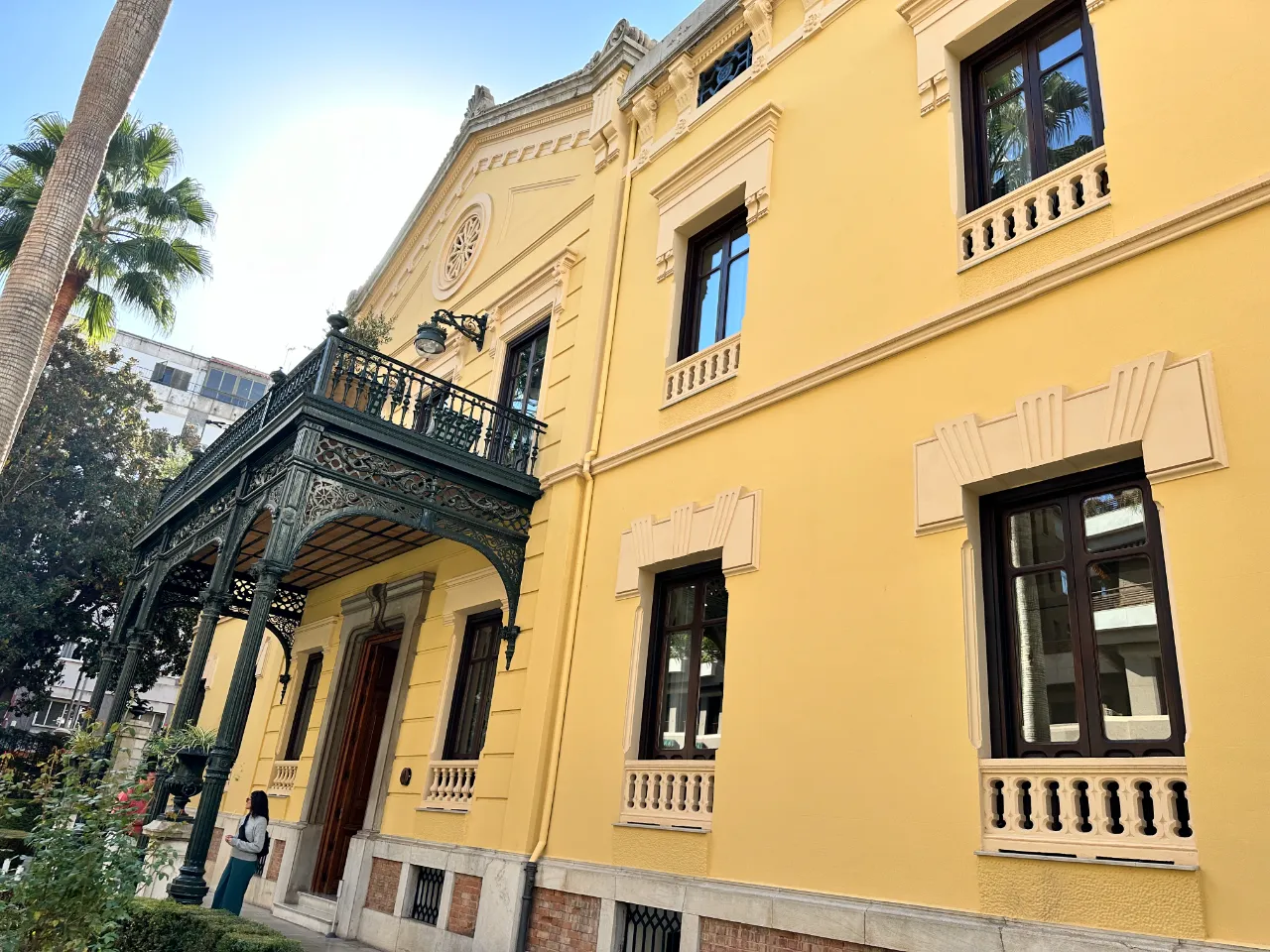
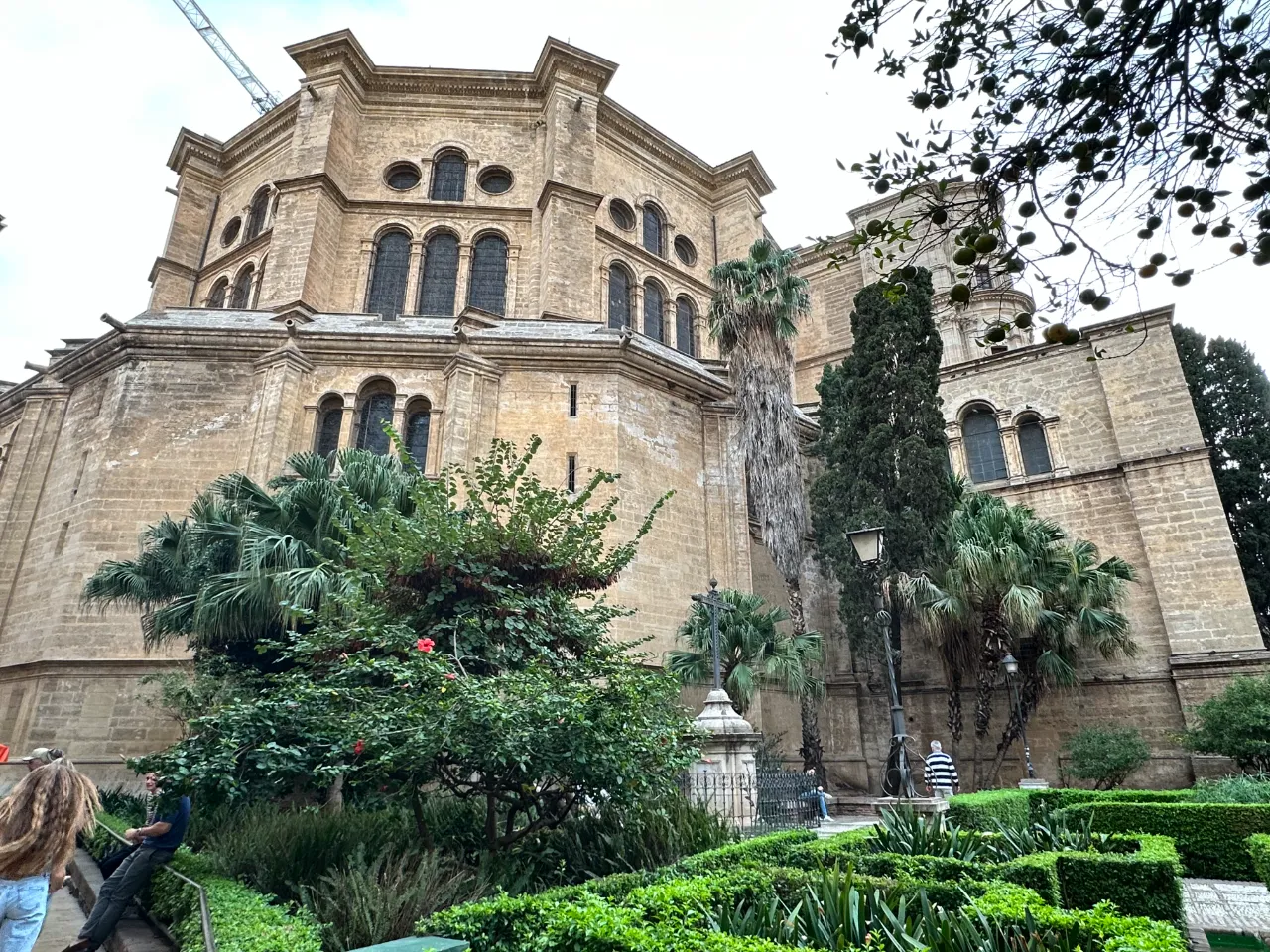
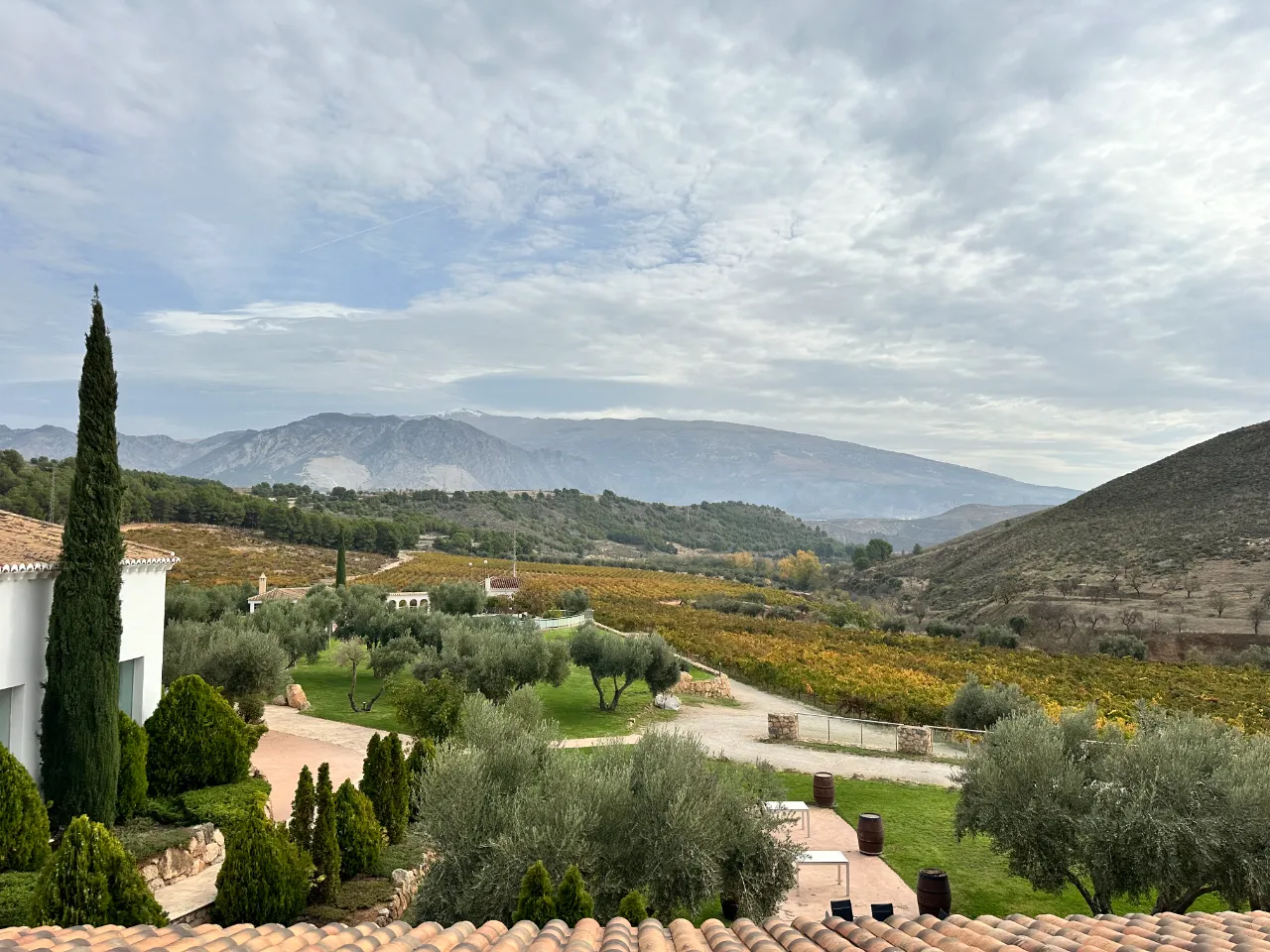
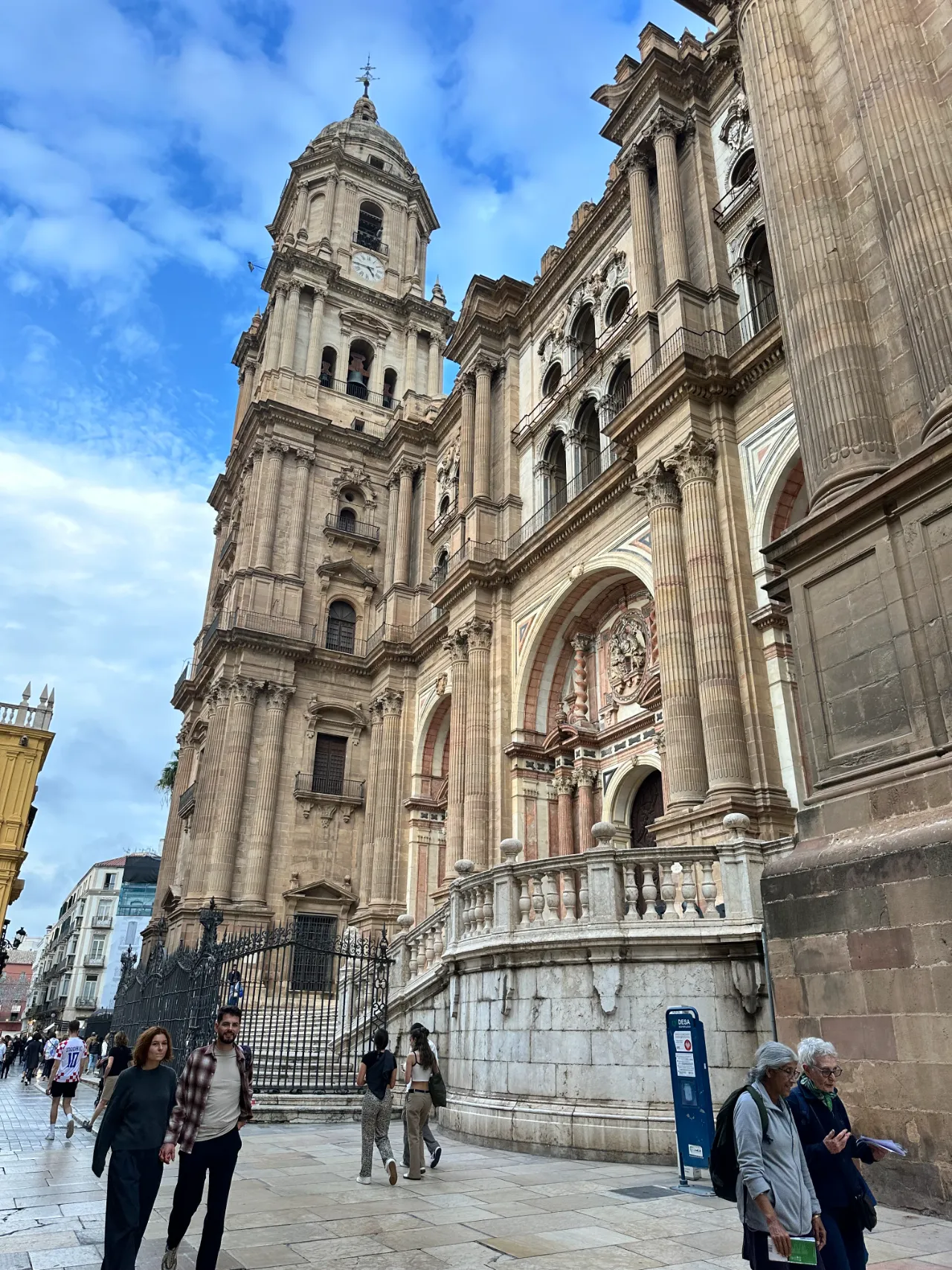
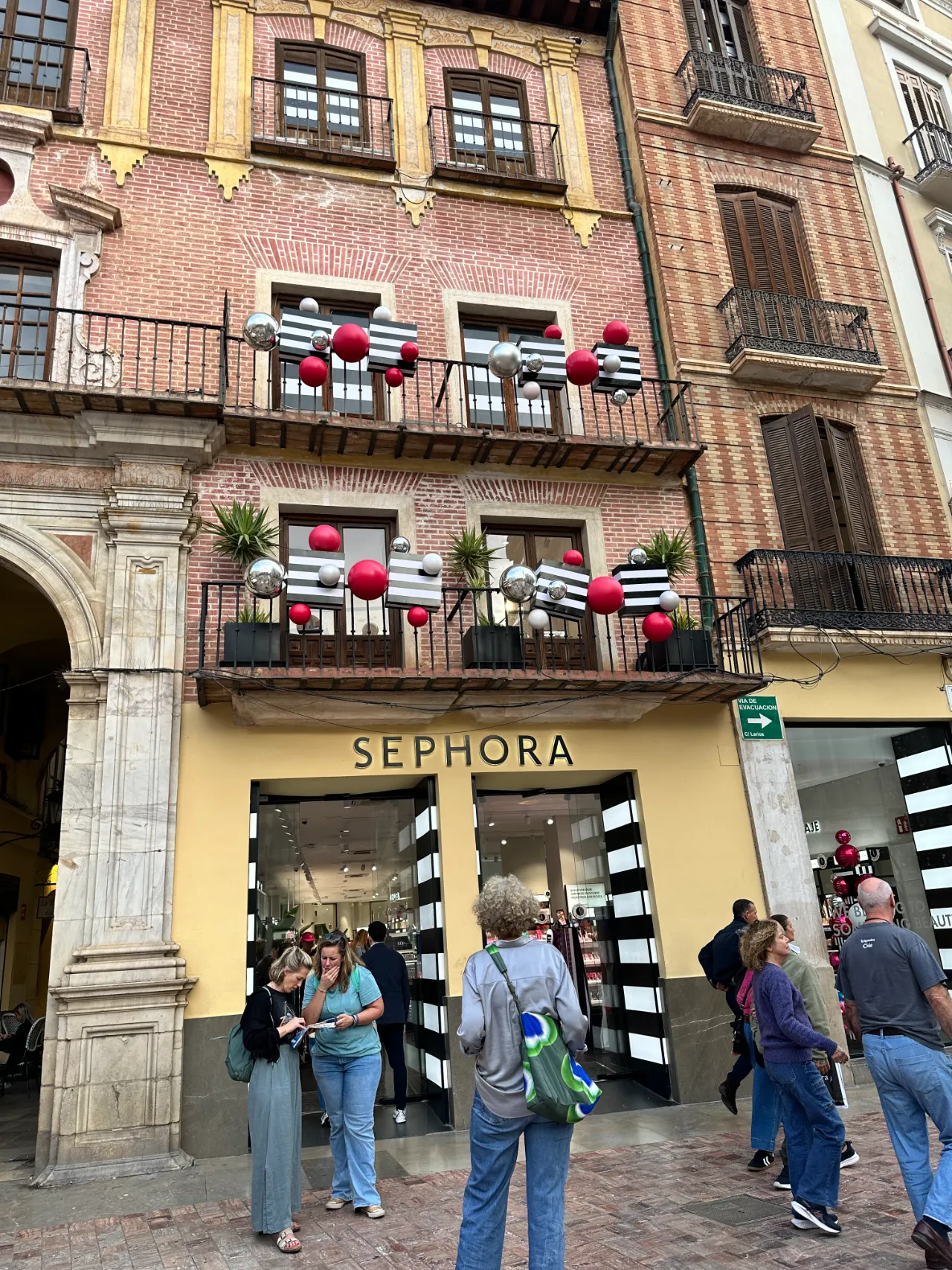
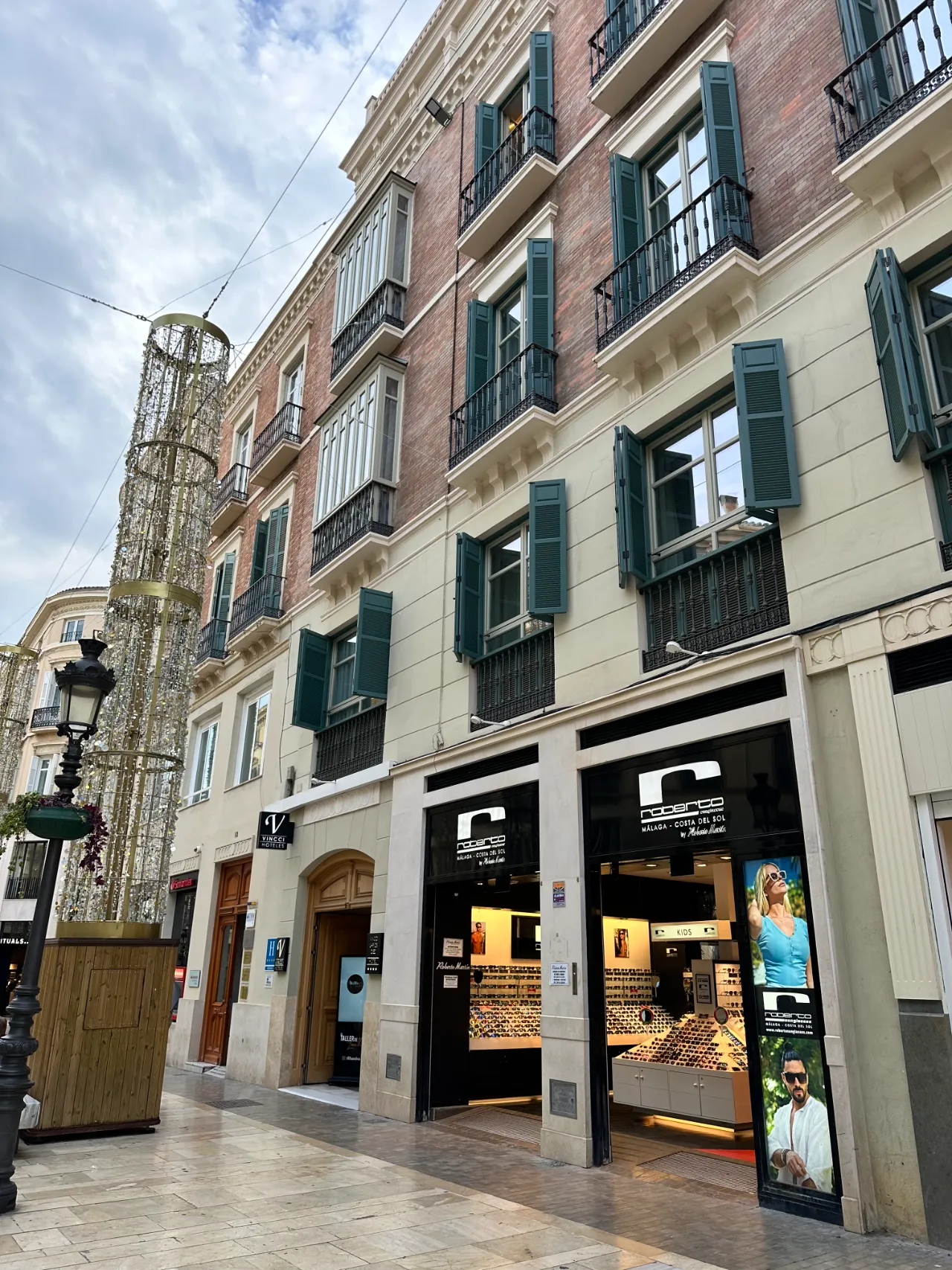
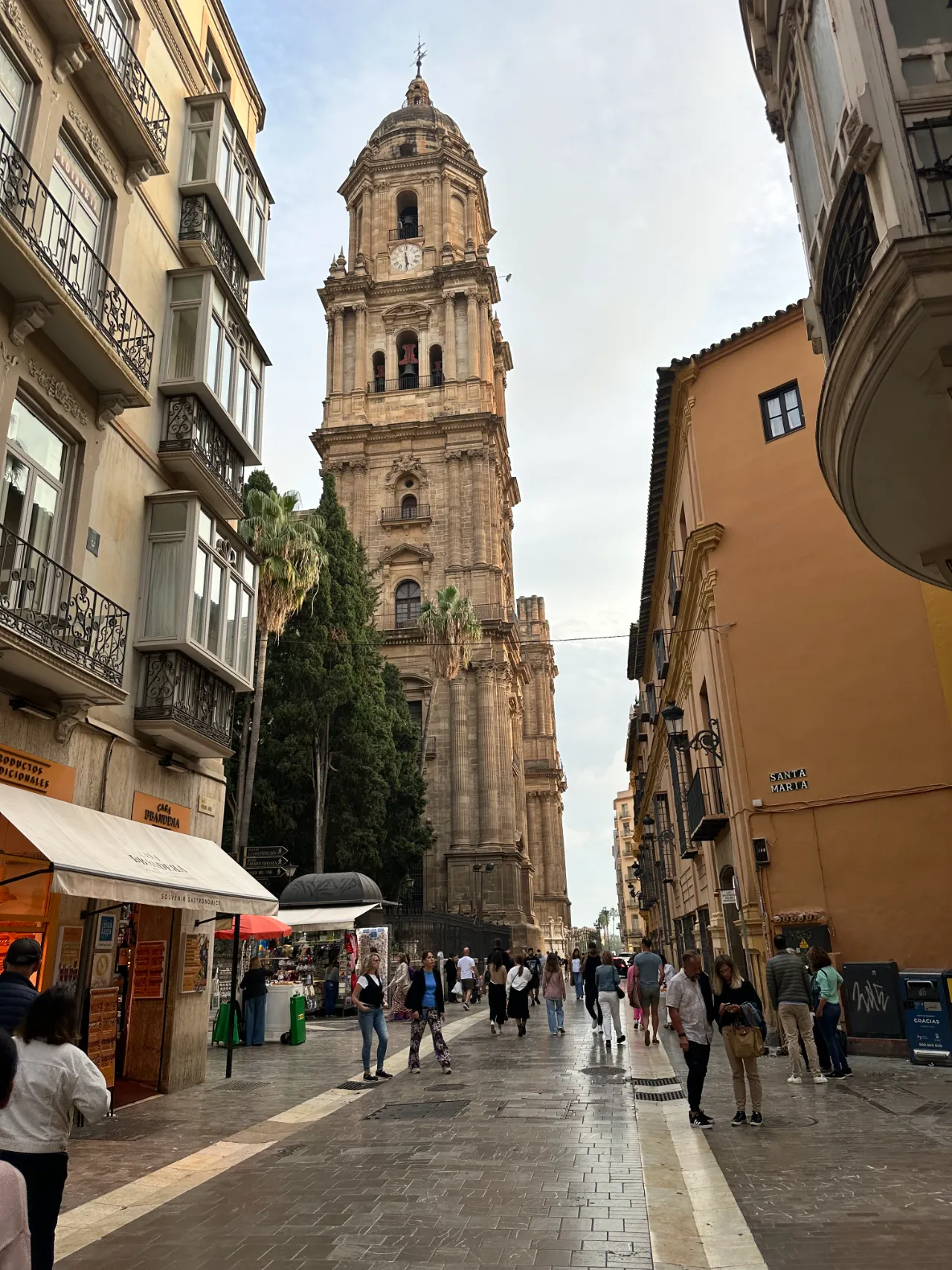
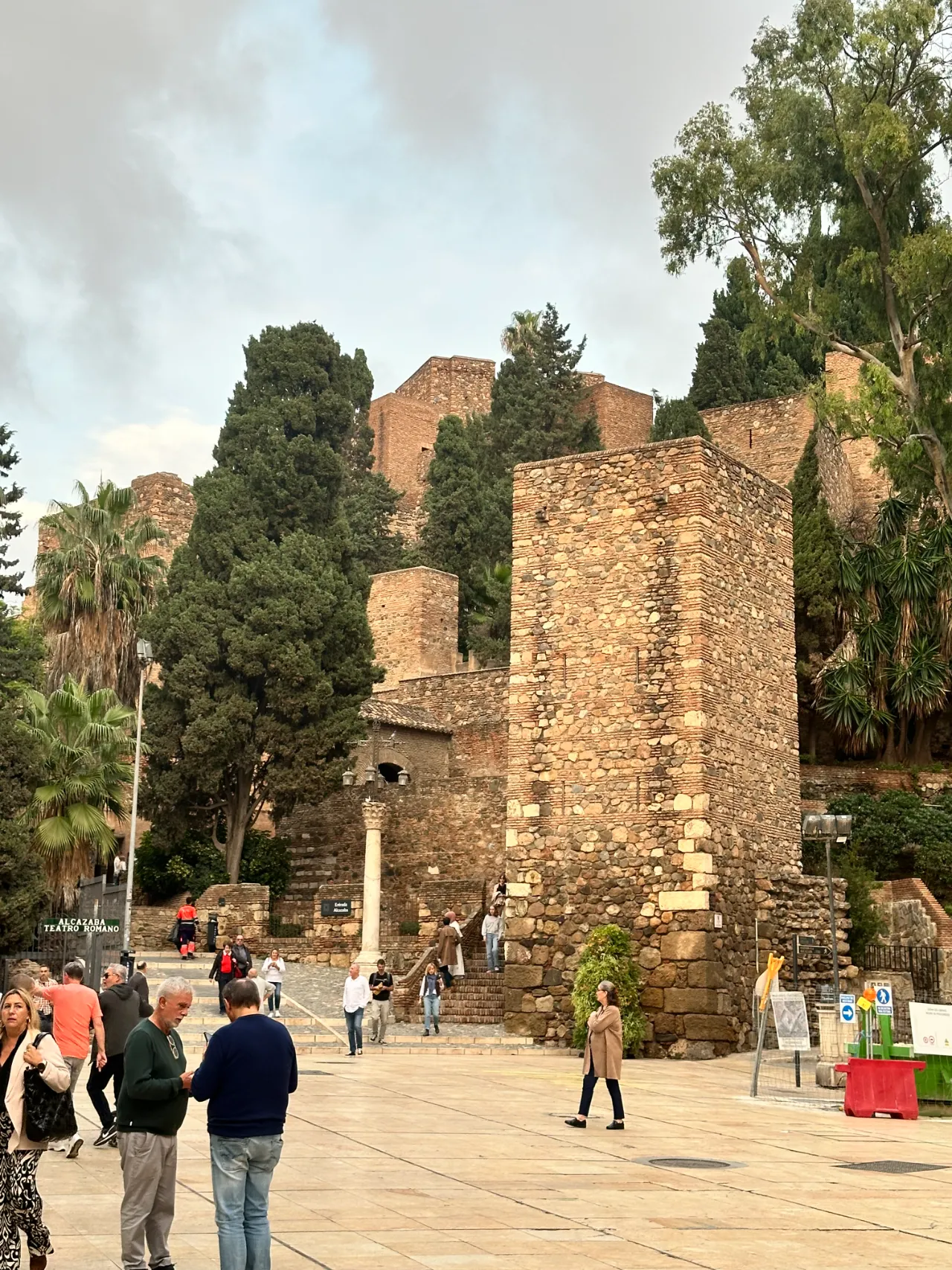
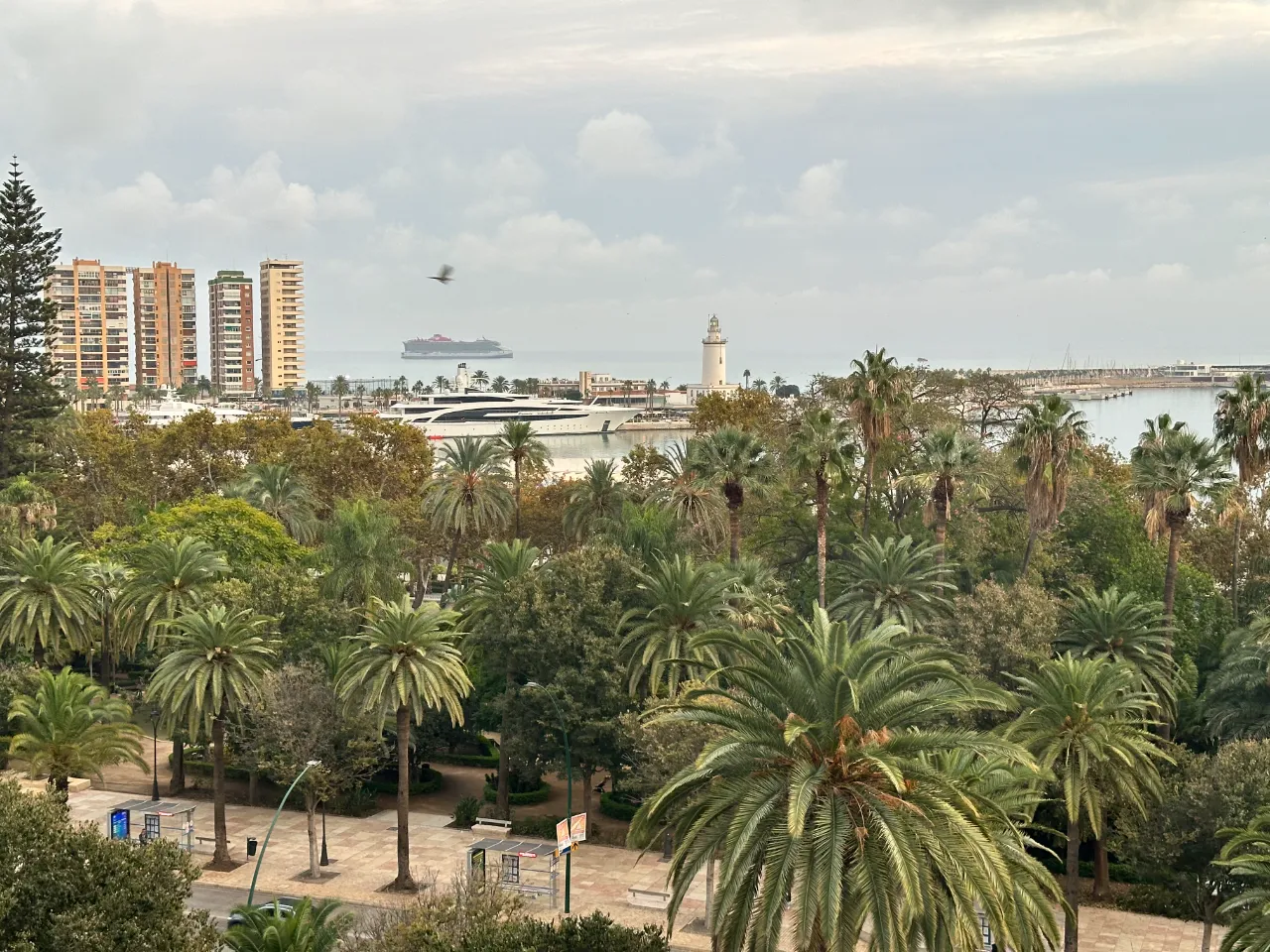
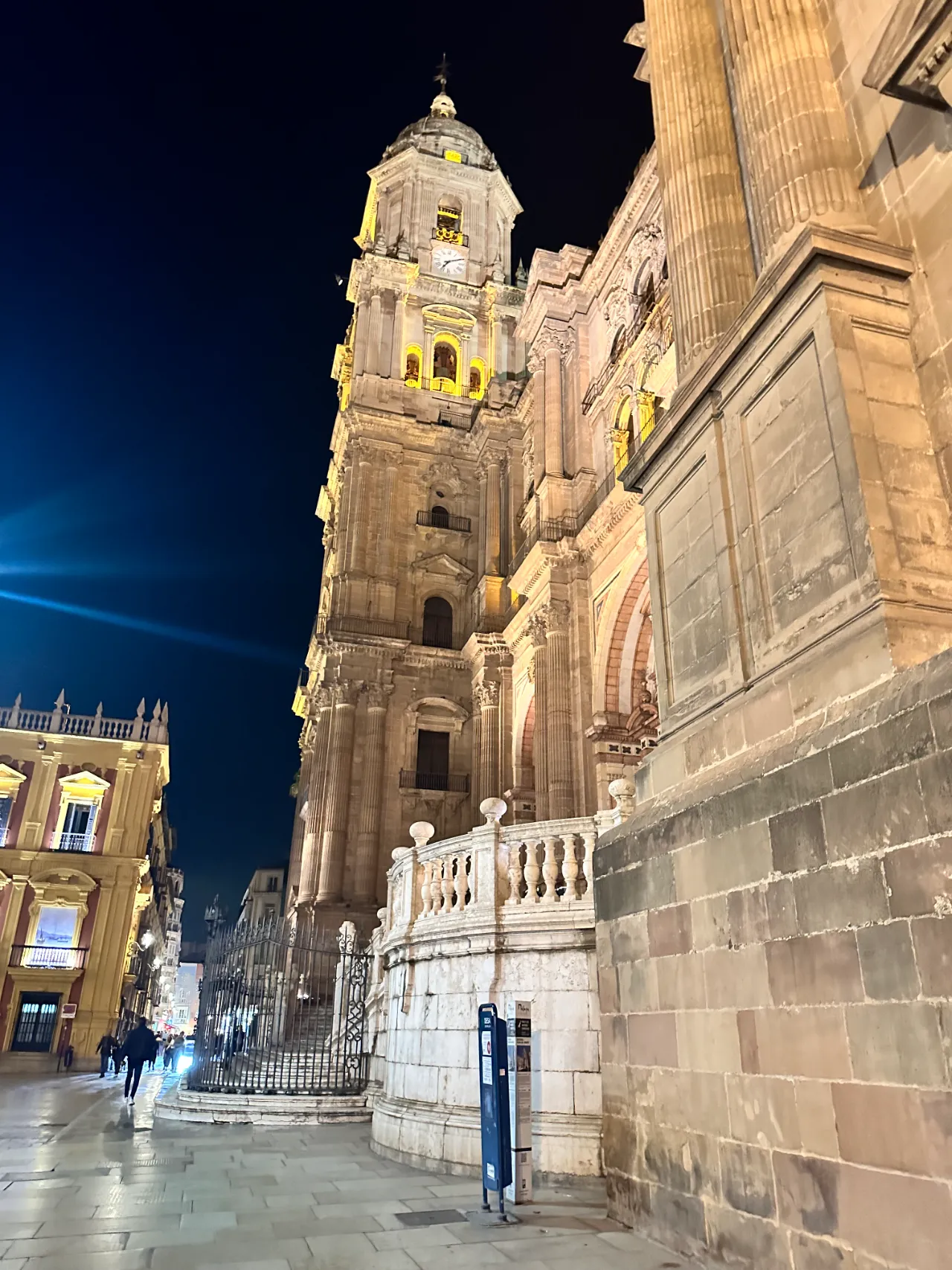
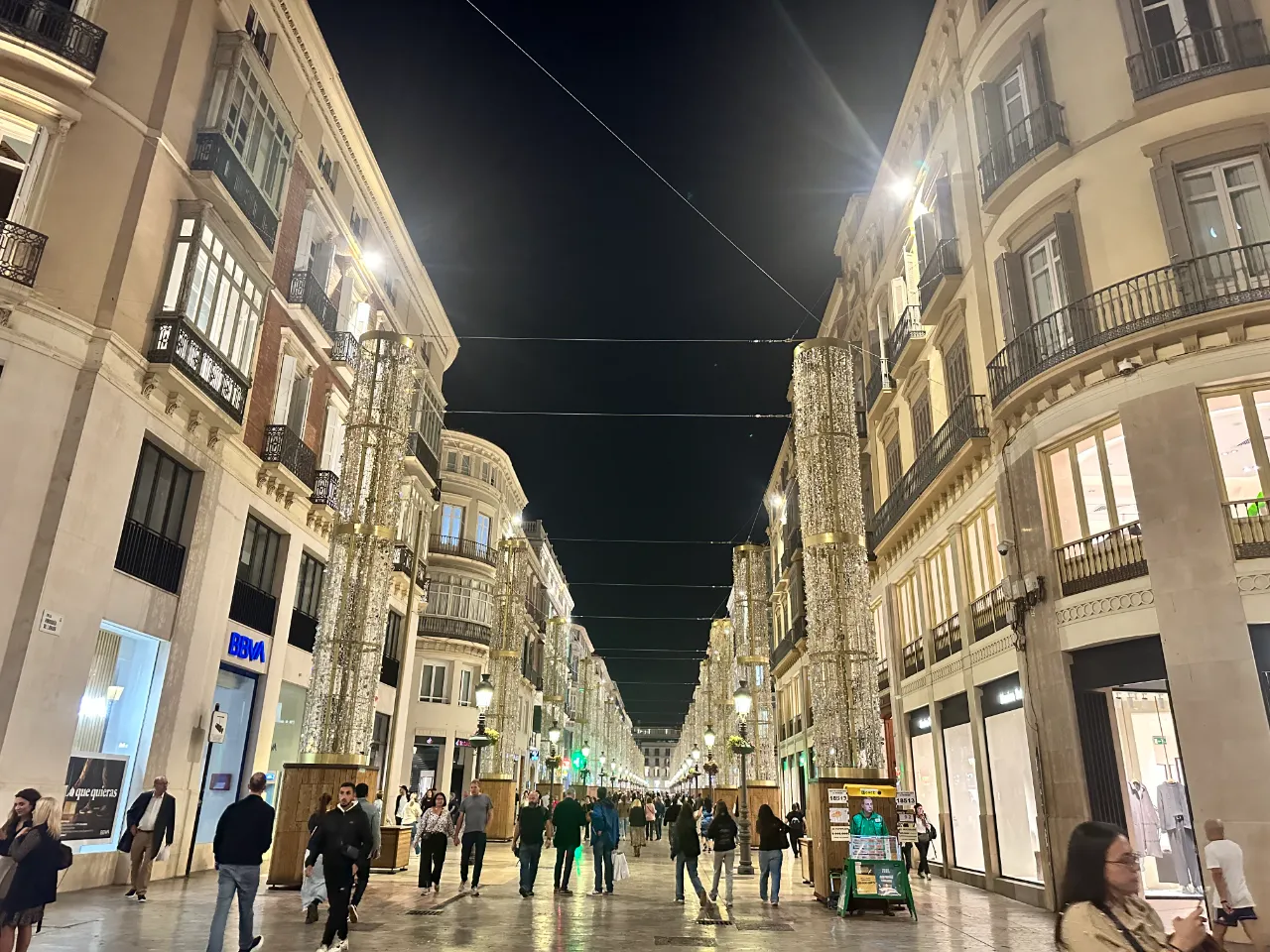
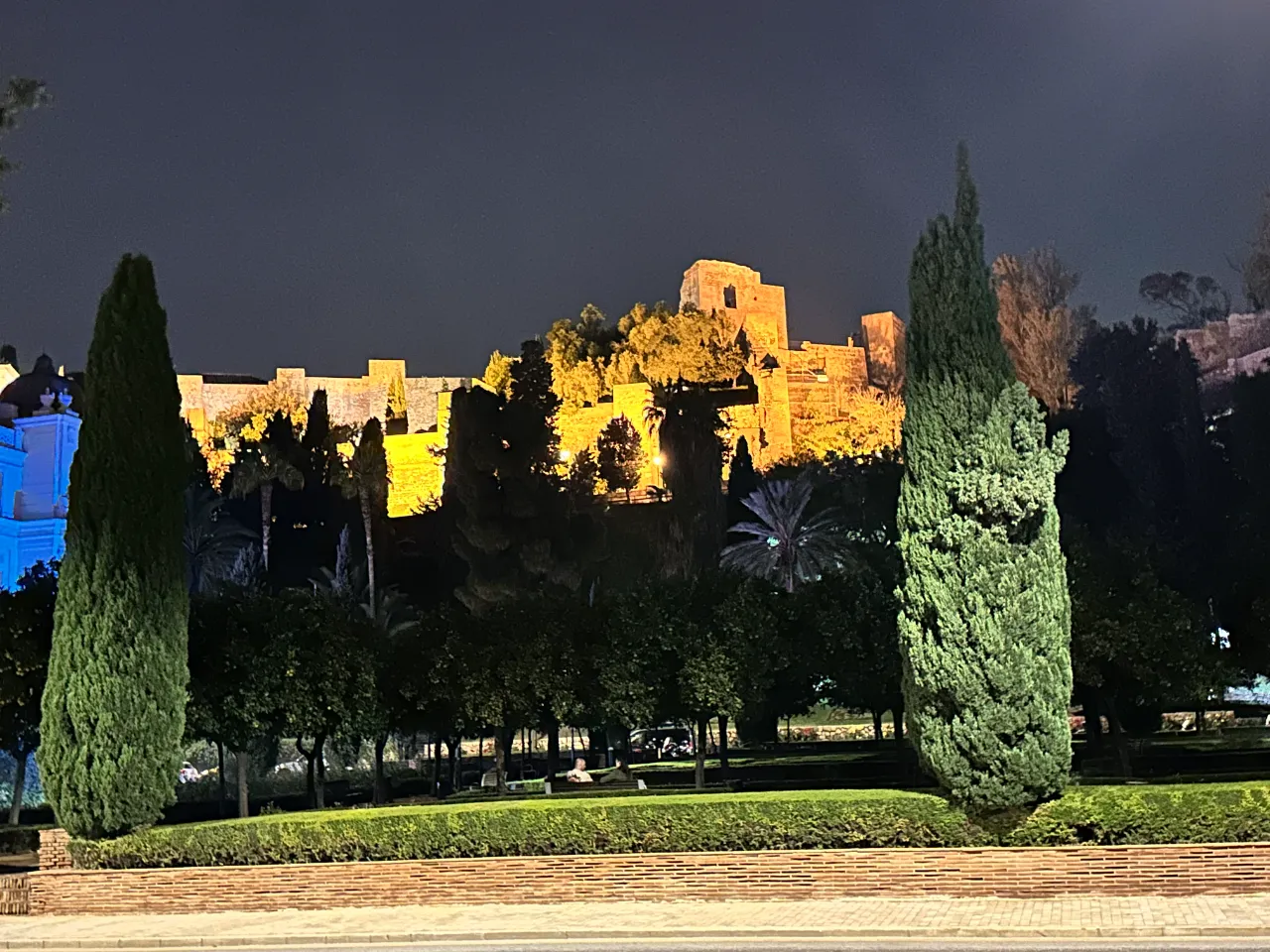
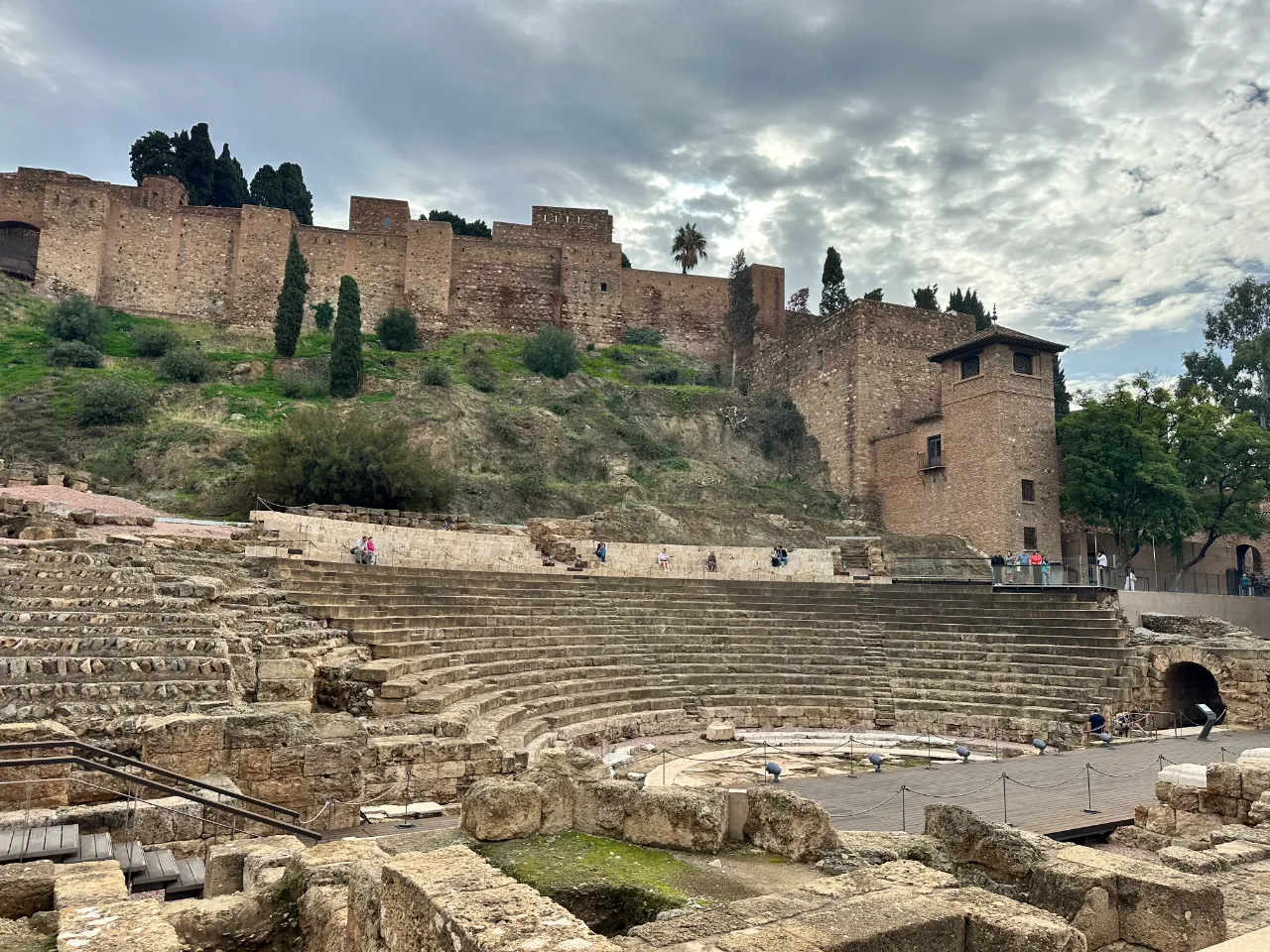
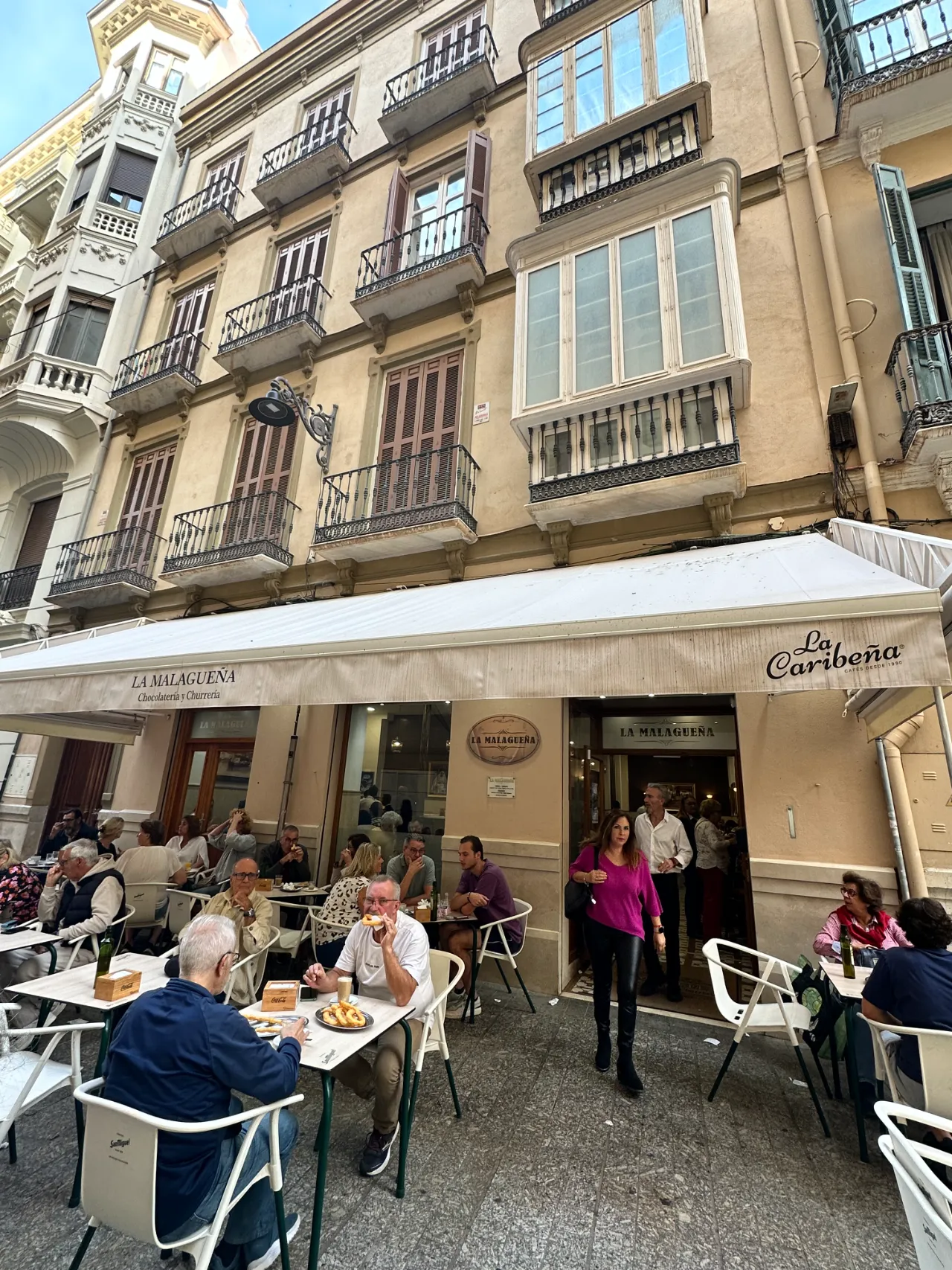
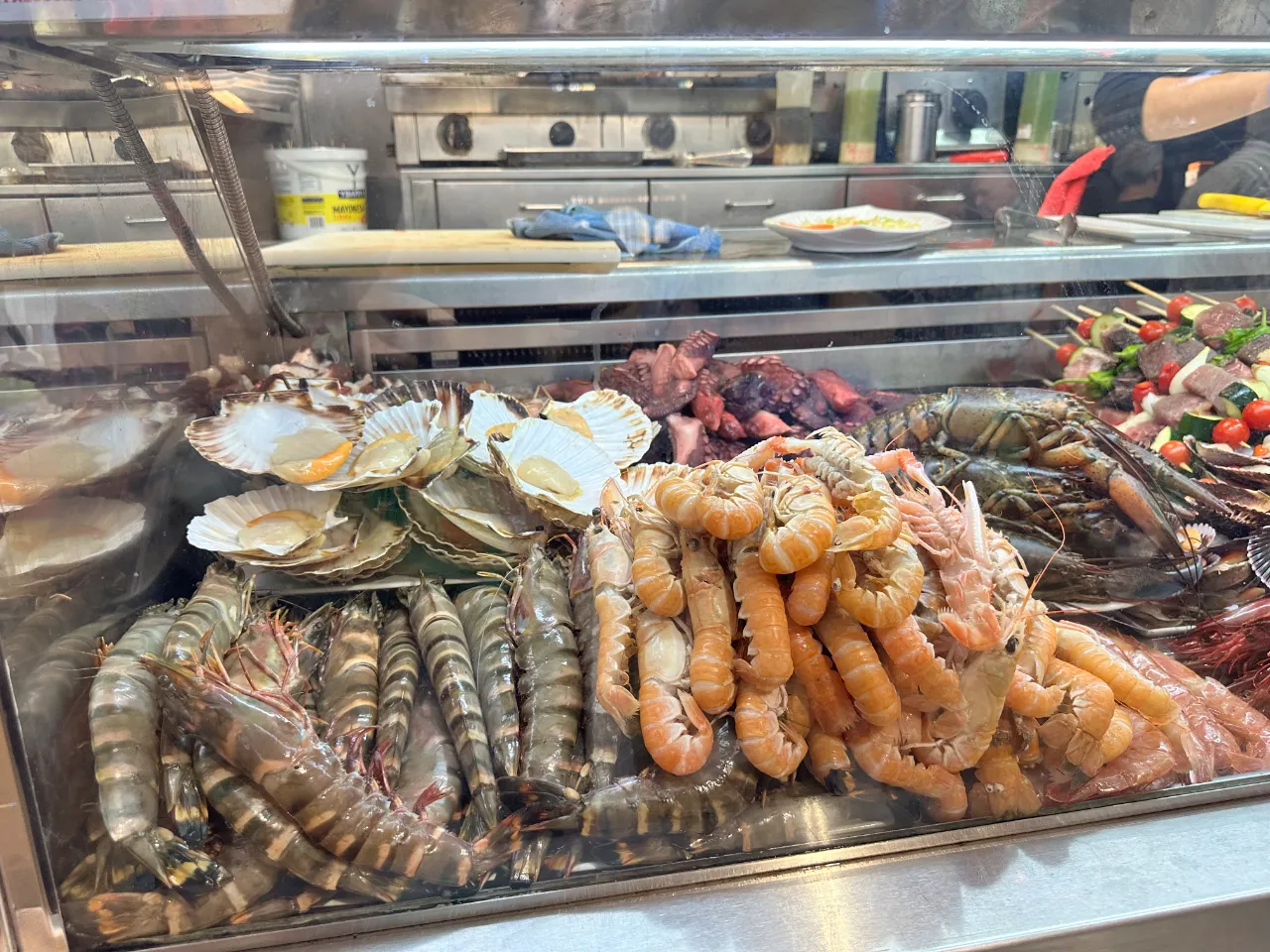
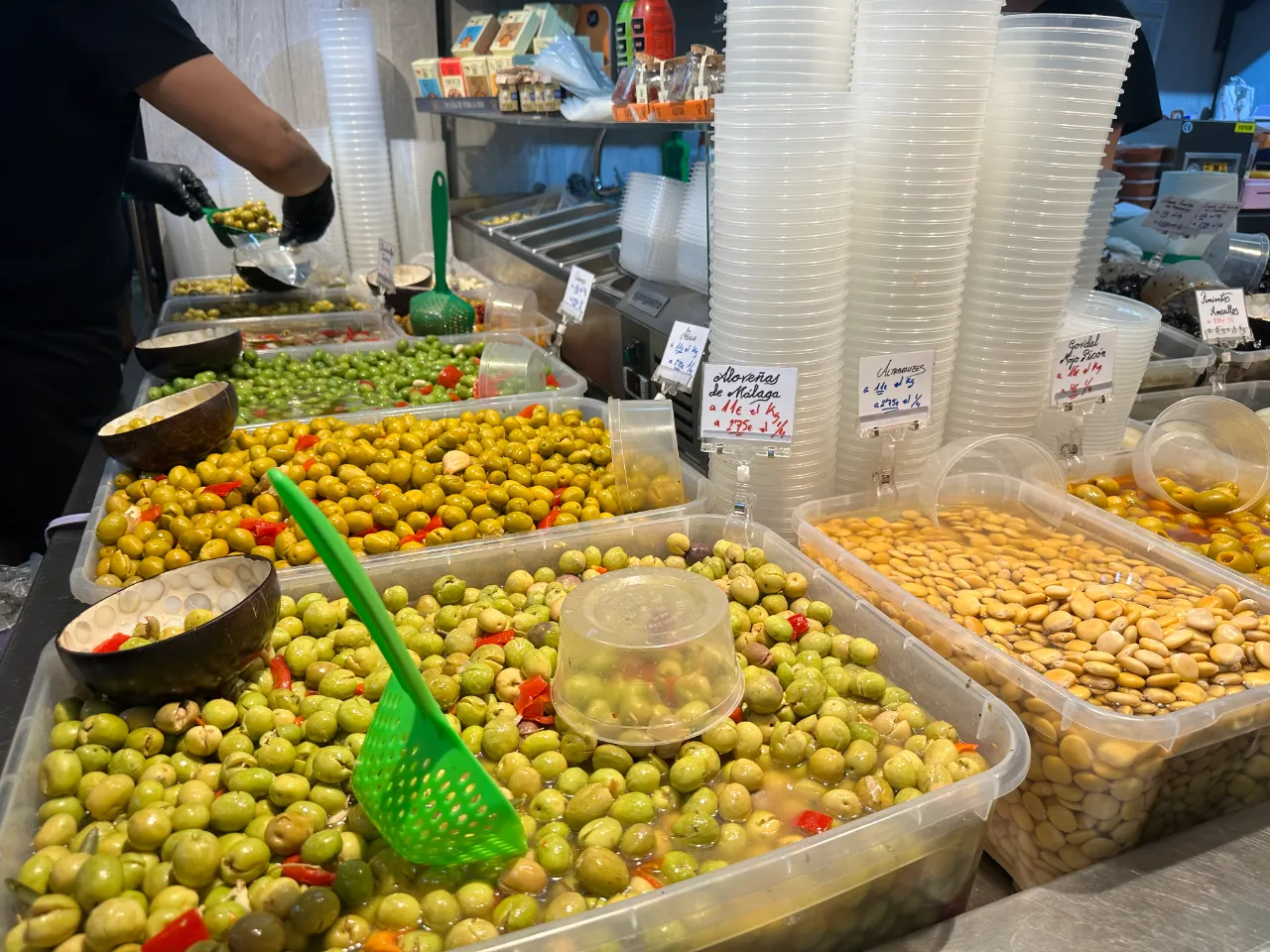
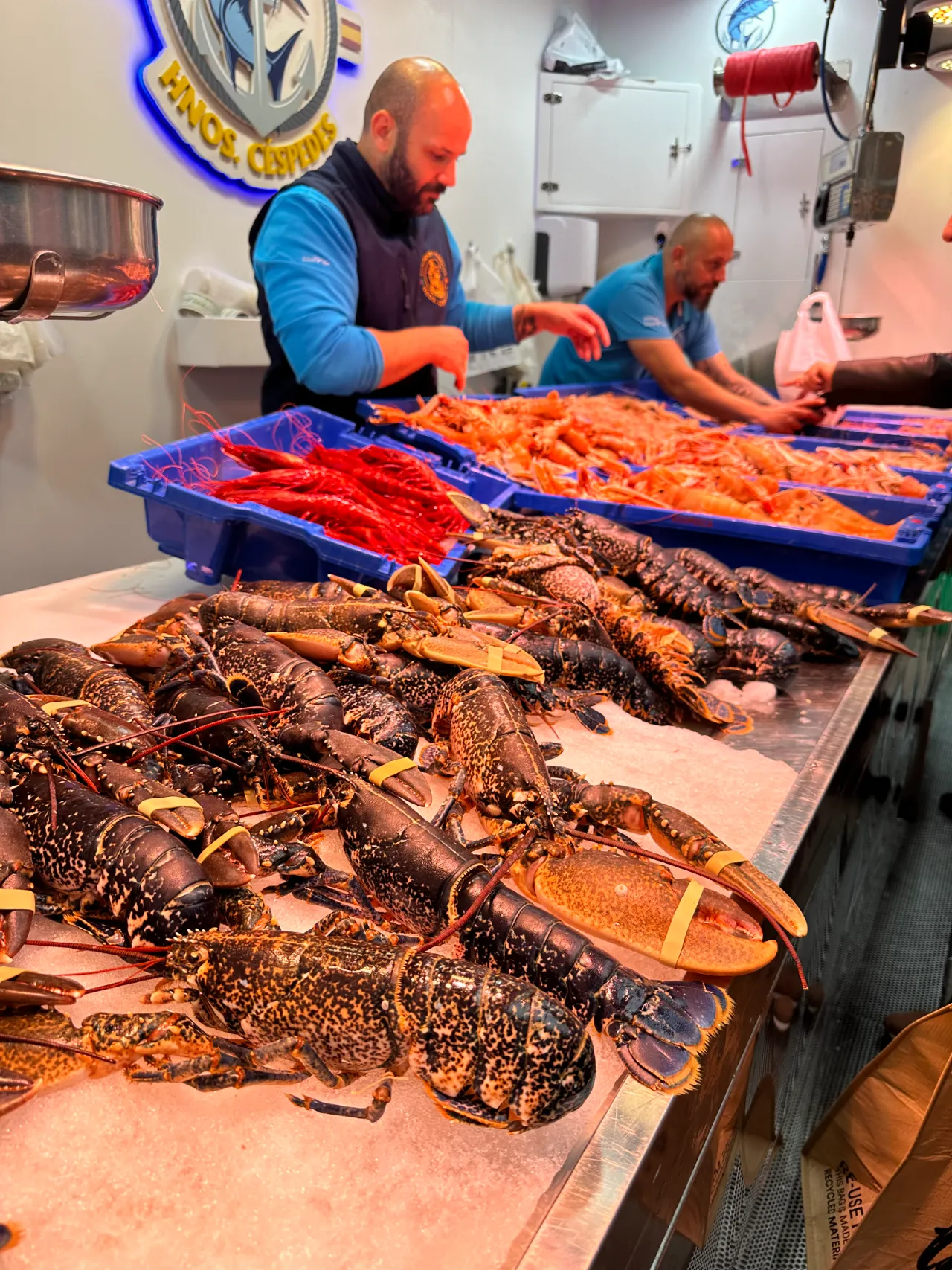
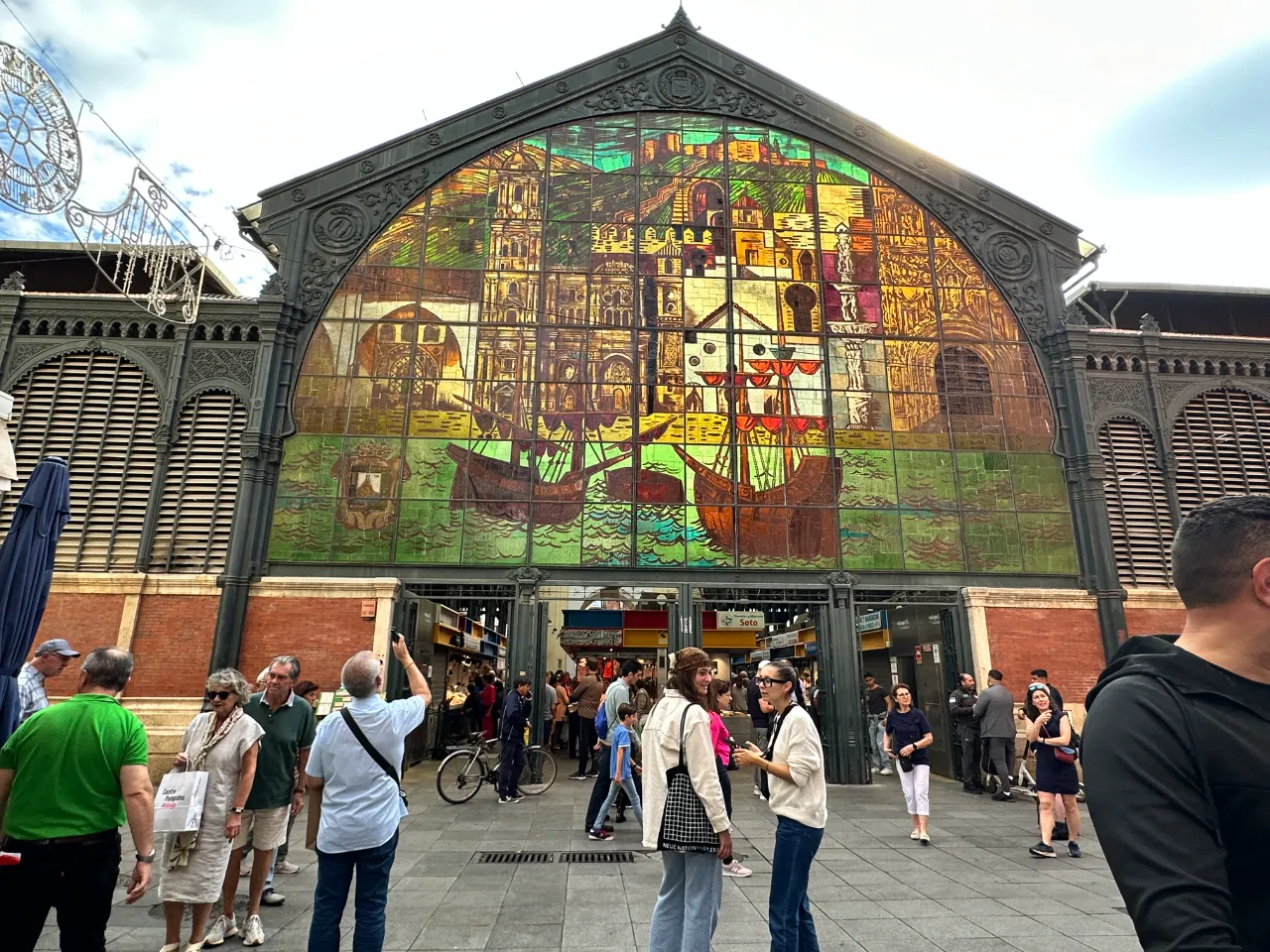
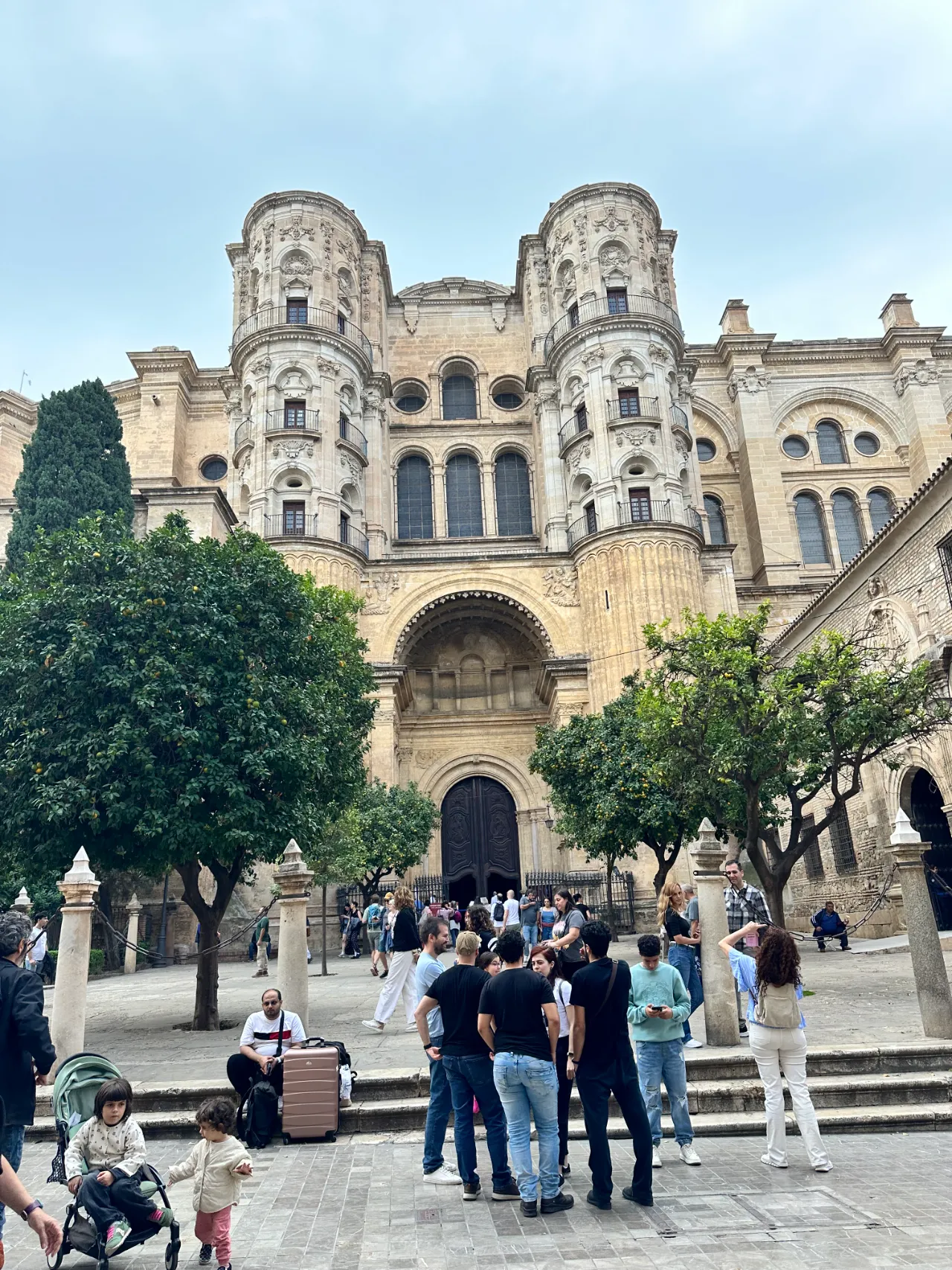
Malaga was the final stop on this adventure, and it’s one of those cities that just keeps surprising me. Third visit, and each time it feels bigger, shinier, and a little more fun.It’s got the beachy vibes you’d expect from a coastal city, but there’s also this beautiful blend of old town charm and modern swagger. Whether you want to lose yourself in history, shop 'til you drop, eat your body weight in tapas, or just sit by the sea with a glass of wine, Malaga’s got you covered.Safe to say, it’s earned a permanent spot on my recommended itineraries, and every client I’ve sent has come back happy (and maybe a little sun-kissed).
Final Thoughts
Andalusia is one of those places that has something for everyone, history nerds, hopeless romantics, foodies, families, groups of friends, solo adventurers... you name it. It’s a region full of hidden gems, soul-stirring history, and pinch-me moments, and somehow, it still feels like a fantastic deal for what you get.If Andalucia is calling your group for its next adventure, let’s make it happen. I’ll share my favorite spots, insider tips, and group-friendly ideas to make it truly unforgettable.







Final Thoughts
Andalusia is one of those places that has something for everyone, history nerds, hopeless romantics, foodies, families, groups of friends, solo adventurers... you name it. It’s a region full of hidden gems, soul-stirring history, and pinch-me moments, and somehow, it still feels like a fantastic deal for what you get.
If Andalucia is calling your group for its next adventure, let’s make it happen. I’ll share my favorite spots, insider tips, and group-friendly ideas to make it truly unforgettable.
Frequently Asked Questions
1. What is a trip through Seville, Cordoba, Granada and Malaga like?
The optimal way to experience the cultural triangle of Seville, Cordoba, and Granada is by utilizing Spain's high-speed AVE train network for inter-city travel, while reserving private transfers for the final leg to Malaga.
2. What is Seville like?
We kicked things off in Seville, my fourth time there (yes, fourth!). This time it was November, and let me tell you, visiting a familiar city in a different season completely changes the way you see it.
3. Is Cordoba worth more than a lunch stop?
Cordoba had always been a quick pit stop on my previous itineraries: pop in, see the Mezquita, maybe grab lunch, and then bounce. This time, we stayed overnight, and let me tell you, what a difference that made.The Mezquita-Catedral is still jaw-dropping, don’t get me wrong.
4. What is Granada like?
Granada always hits differently for me. Maybe it’s because as a kid, I devoured every fairytale I could get my hands on, and Granada feels like walking into a storybook.
5. What is Malaga like?
Malaga was the final stop on this adventure, and it’s one of those cities that just keeps surprising me. Third visit, and each time it feels bigger, shinier, and a little more fun.It’s got the beachy vibes you’d expect from a coastal city, but there’s also this beautiful blend of old town charm and modern swagger.