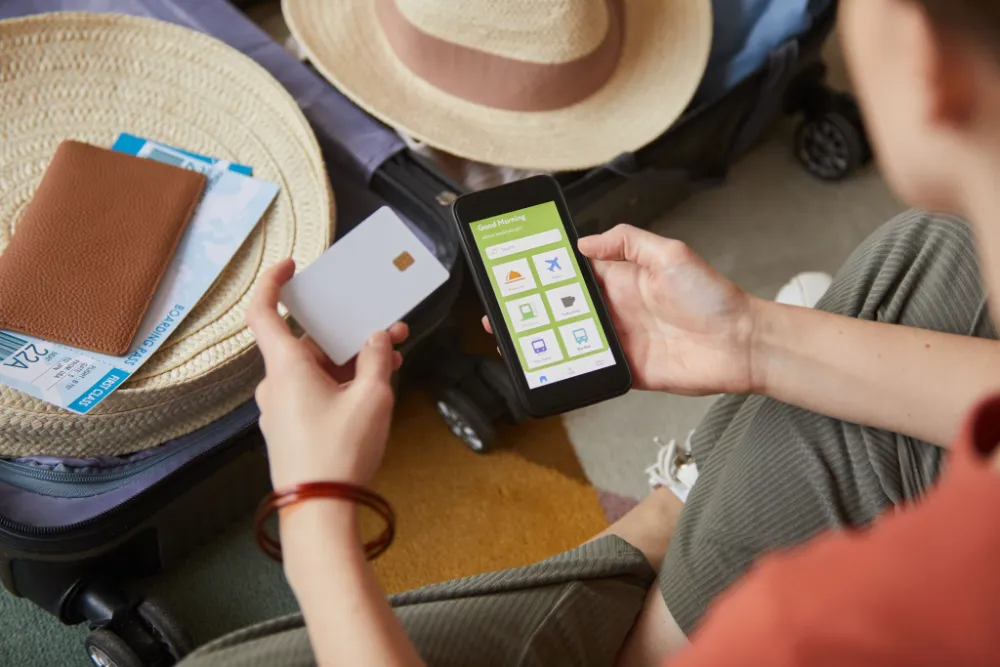
Managing money on an international vacation requires a strategy that prioritizes security and fee avoidance through a mix of local currency and specialized travel cards. The most cost-effective approach is to use a credit card with no foreign transaction fees for the majority of purchases and to withdraw local currency directly from bank-affiliated ATMs rather than using airport exchange kiosks, which often have high markups. Additionally, always choose to pay in the local currency rather than your home currency when prompted at card terminals to avoid expensive "dynamic currency conversion" rates.
Tips for cash and credit card handling abroad
International travel often brings about questions regarding money management. How much cash should you carry? Where can you exchange currency? Do you need cash or can you rely on credit cards? In this blog post, I'll share my favorite strategies for effectively managing your finances when traveling abroad.
Favorite App
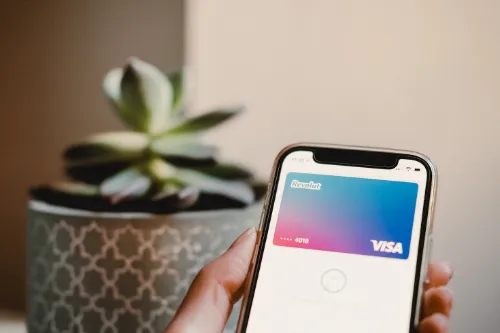
When it comes to managing my finances while traveling, the Revolut App is my top choice. This virtual banking solution simplifies currency exchange, cash withdrawals, and card payments, providing a hassle-free experience wherever you go.
Signing up for Revolut is as easy as with any other bank, but it's all done virtually. Simply download the free app and enter your personal information. Once you're set up, you can manage all your finances in one place.
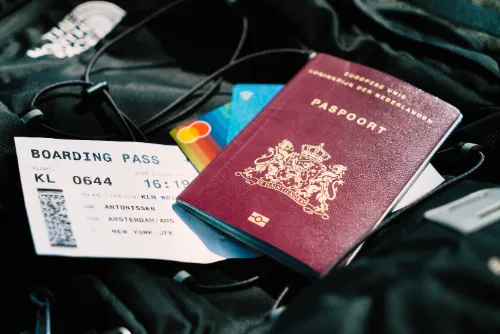

Travel Smarter with Revolut: Your All-in-One Solution for Currency Exchange, Spending, and Budgeting
With Revolut, you can instantly exchange currencies within the app, enjoying better rates than those offered by ATMs. You can also order a debit card to withdraw cash from ATMs abroad or make purchases in stores and online. For added security during online transactions, you can request a virtual credit card.
The beauty of Revolut is that you can load as much or as little cash as you need for your trip, reducing the need to access your personal checking accounts or worry about foreign exchange fees imposed by regular credit card companies.
The app provides easy access to all your transactions, regardless of the currency used in the country you're traveling in. You have complete control over your expenses, and you can add money to your account by linking a checking account or conducting ACH transactions from your personal accounts.
If you're interested in trying the Revolut App, you can use my referral code by clicking on the following link: https://www.revolut.com/referral/?referral-code=csilla739!JUN1-23-AR-L1



Using Credit Cards Abroad: Tips for Smart Spending and Avoiding Fees
What About the Credit Cards You Already Own?
Now, let's talk about using existing credit cards. If you plan to rely on your personal credit cards, it's advisable to choose ones that don't charge international transaction fees.
Additionally, remember to inform your credit card company about your travel plans to avoid any unexpected card blocks while you're abroad.
Major credit cards like Visa and Mastercard are widely accepted at most hotels and restaurants. However, smaller shops and local vendors usually prefer cash transactions only.
When it comes to exchanging money into local currencies, if you're not using Revolut, it's recommended to withdraw cash from a local bank ATM. Be mindful of any cash advance charges if you use your credit card, and pay attention to daily withdrawal limits if you use your debit card.
If you need to exchange cash, it's better to do so at a bank or even the post office, as currency exchange shops typically offer unfavorable rates and higher fees.



Mastering Your Travel Finances: Essential Tips for Currency Exchange and Smart Spending
Here's an important tip: When using a US credit card in an international country, always opt to pay in the local currency. This allows your bank to set the exchange rate, giving you a better deal. Paying in dollars gives the merchant the opportunity to set the exchange rate, often resulting in a less favorable rate.
The same principle applies to cash withdrawals from bank terminals. Always choose the local currency option, as the amount displayed in dollars tends to be higher due to the exchange rate set by the payment processor, rather than your bank.
Remember, conducting all financial transactions in the local currency is the best way to avoid unfavorable exchange rates and unnecessary transaction fees.
With the Revolut App or careful planning with your existing credit cards, you can navigate your travel finances with ease, ensuring a smooth and cost-effective experience throughout your journey.
I hope the tips and strategies shared in this blog post will prove valuable in your future adventures. Remember, smart money handling allows you to focus on immersing yourself in new cultures, exploring breathtaking landscapes, and creating cherished memories.
If you have other favorite apps or additional travel tips related to managing money while traveling, I encourage you to share them in the comments below. Your insights may help others navigate their own financial endeavors. Thank you.

Ready to Make Your Travel Dreams a Reality (Without Breaking the Bank)?
Managing your money on international vacations is key to enjoying a stress-free and rewarding experience. With a bit of planning and these smart strategies, you can focus on creating unforgettable memories without financial worries.
Let Evyssa Vacations help you plan a trip that aligns with your budget and travel style.
Frequently Asked Questions
1. How should you manage money on an international trip?
Managing money on an international vacation requires a strategy that prioritizes security and fee avoidance through a mix of local currency and specialized travel cards.
2. How can a multi-currency account help?
With Revolut, you can instantly exchange currencies within the app, enjoying better rates than those offered by ATMs. You can also order a debit card to withdraw cash from ATMs abroad or make purchases in stores and online. For added security during online transactions, you can request a virtual credit card.
3. How should you use credit cards abroad?
What About the Credit Cards You Already Own?Now, let's talk about using existing credit cards. If you plan to rely on your personal credit cards, it's advisable to choose ones that don't charge international transaction fees.
4. What are the key currency exchange tips?
Here's an important tip: When using a US credit card in an international country, always opt to pay in the local currency. This allows your bank to set the exchange rate, giving you a better deal.
5. What is the bottom line on managing money abroad?
Managing your money on international vacations is key to enjoying a stress-free and rewarding experience. With a bit of planning and these smart strategies, you can focus on creating unforgettable memories without financial worries.Let Evyssa Vacations help you plan a trip that aligns with your budget and travel style.

Csilla Dali
Founder & Lead Travel Advisor
Itineraries to consider
Are You Planning Your Next Vacation?
Check out our top recommendations!