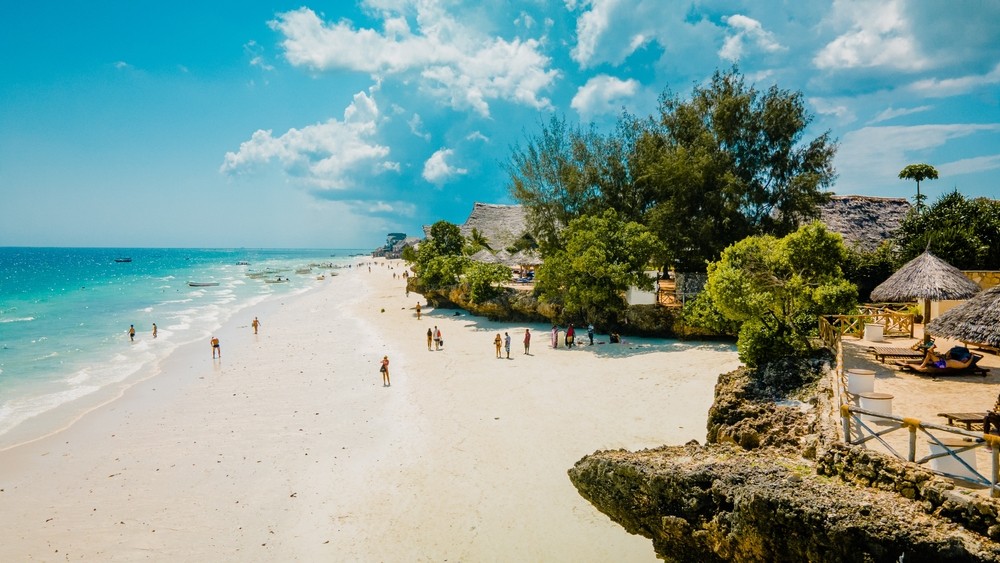
The coast and islands of Zanzibar reveal a different side of Tanzania’s beauty. Here, white-sailed boats glide over blue waters, and old stone towns tell stories of trade and exchange. For more than a thousand years, Persian, Indian, and Arab visitors arrived with the monsoon winds and mixed with local Bantu communities. This created the Swahili culture, seen in the carved doors of Stone Town and the layers of the Kiswahili language.
For the modern traveler, moving from the rugged bush to the refined coast has become seamless. As the country embraces digital transformation, logistical hurdles that once deterred the curious intellectual have vanished. Start planning your journey by learning how to apply for a Tanzania eVisa, often the first step to bridging these two worlds. This process lets you travel from a remote safari camp to the historic corridors of a Zanzibari riad with ease. Take this opportunity to experience Tanzania’s commitment to welcoming a global audience that values both its natural heritage and rich cultural history.
The Architecture of a Global Exchange
Walking through the narrow, winding alleys of Stone Town is an exercise in sensory history. The architecture is a physical manifestation of the Indian Ocean trade network. The "Zanzibar door" is an iconic feature, with designs that reveal the origins of the house's former owners: brass-studded points to ward off elephants, an Indian tradition, or intricate floral carvings inspired by Omani motifs. These structures, built from local coral stone and lime, stand as a testament to a society that has always looked outward toward the horizon.
The cultural exchange extended beyond aesthetics. It redefined the region's economy and social fabric. In the 19th century, Zanzibar became the world’s leading producer of cloves, an industry still central to the island's identity. This legacy is preserved through careful conservation. According to The African World Heritage Fund, protecting these coastal sites is essential for maintaining the link between the region's pre-colonial past and its modern economic aspirations. By integrating historical preservation with community needs, Tanzania ensures its heritage remains a living part of the landscape rather than a static museum piece.
The Culinary Alchemy of the Swahili Coast
If the architecture provides the skeleton of Swahili culture, the food is its soul. The "Spice Island" lives up to its name in every market stall. In the Forodhani Gardens at dusk, the air is heavy with the aroma of Urojo, a thick mango-based flour soup, and fresh seafood grilled over charcoal. This is culinary alchemy: African ingredients like coconut and cassava meet the warm spices of the East, such as cardamom, cinnamon, and saffron.
The culinary landscape also tells a story of resilience and adaptation. The influence of Indian laborers and traders brought the concept of the chapati and the samosa, which have been so thoroughly integrated into the Tanzanian diet that they are now considered staples. To understand the depth of this fusion, one can look to the British Museum's Africa Galleries, which showcase how trade and identity have shaped East African material and artistic traditions over millennia. These collections highlight how Swahili art forms reflect a lineage of global influence.

Responsible Travel in a Changing Landscape
As Tanzania grows in popularity among premium travelers, the conversation has shifted toward responsibility and impact. The "Inside the Travel Lab" ethos of slow, meaningful exploration is more relevant here than ever. Travelers are encouraged to look beyond the "all-inclusive" resort model and engage with local cooperatives, stay in restored heritage buildings, and respect local traditions. This engagement ensures the "Soul of Tanzania" remains intact for future generations.
Environmental stewardship has also moved to the forefront of the national agenda. Research published by National Geographic emphasizes that sustainable travel is a state of mind, urging visitors to choose activities that protect the biodiversity of the regions they visit. In Tanzania, this involves protecting thousands of miles of coastline that support over 1,500 fish species and vital mangrove ecosystems. Conservation groups such as the World Wildlife Fund (WWF) actively work in Coastal East Africa to protect these habitats from the impacts of climate change and over-exploitation.
Ultimately, exploring the Swahili Coast reveals that Tanzania's heart is defined by its continuous, creative blending of cultures, a testament to the enduring power of human connection. Whether you are sipping coffee with a local elder in a shaded piazza or watching the sunset from the bow of a traditional dhow, you participate in a story that began a thousand years ago, proving that disparate cultures can not only coexist but blend into something new. Ready to experience this purposeful journey for yourself? Discover more about intentionally framing your travels by exploring Abigail King's perspective on luxury travel as an experience centered on quality and understanding, not just cost.
Frequently Asked Questions
1. What is there to see in Tanzania beyond the Serengeti?
The coast and islands of Zanzibar reveal a different side of Tanzania’s beauty. Here, white-sailed boats glide over blue waters, and old stone towns tell stories of trade and exchange. For more than a thousand years, Persian, Indian, and Arab visitors arrived with the monsoon winds and mixed with local Bantu communities.
2. Why does Stone Town's architecture matter?
Walking through the narrow, winding alleys of Stone Town is an exercise in sensory history. The architecture is a physical manifestation of the Indian Ocean trade network.
3. Why does the food of the Swahili Coast matter?
If the architecture provides the skeleton of Swahili culture, the food is its soul. The "Spice Island" lives up to its name in every market stall. In the Forodhani Gardens at dusk, the air is heavy with the aroma of Urojo, a thick mango-based flour soup, and fresh seafood grilled over charcoal.
4. Why does responsible travel matter here?
As Tanzania grows in popularity among premium travelers, the conversation has shifted toward responsibility and impact. The "Inside the Travel Lab" ethos of slow, meaningful exploration is more relevant here than ever.
5. What does the Zanzibar coast add to a Tanzania trip?
The coast and islands of Zanzibar reveal a different side of Tanzania’s beauty. Here, white-sailed boats glide over blue waters, and old stone towns tell stories of trade and exchange. For more than a thousand years, Persian, Indian, and Arab visitors arrived with the monsoon winds and mixed with local Bantu communities.