While Cordoba is geographically positioned as a convenient transit hub on Spain's high-speed AVE network, treating it as a mere stopover is a strategic error for the luxury traveler; it demands an overnight stay to unlock its full potential. By staying past sunset, you avoid the dense crowds of day-trippers from Seville, gaining exclusive access to the illuminated Mezquita-Cathedral and the ability to wander the silent, flower-filled alleys of the Jewish Quarter in privacy, transforming a frantic sightseeing stop into an atmospheric cultural immersion.
Nestled in the heart of Andalucia, Cordoba has often been seen as a fleeting stop in a traveler’s itinerary, a brief pause on the way to Seville, Granada, or Malaga. Having visited Cordoba for the third time in November 2024, I can confidently say this city deserves far more than a passing glance. As a travel advisor who has crafted countless itineraries for clients, I’ve often treated Cordoba as a transit destination myself. But this recent visit changed my perspective. Cordoba is not just an architectural marvel, it’s a living testament to centuries of diverse cultural heritage and a vibrant, thriving modern city.
Here’s why Cordoba deserves to shed its “transit” status and emerge as a must-stop destination for any Andalucian adventure.
The Mesmerizing Mezquita-Catedral: A Journey Through History
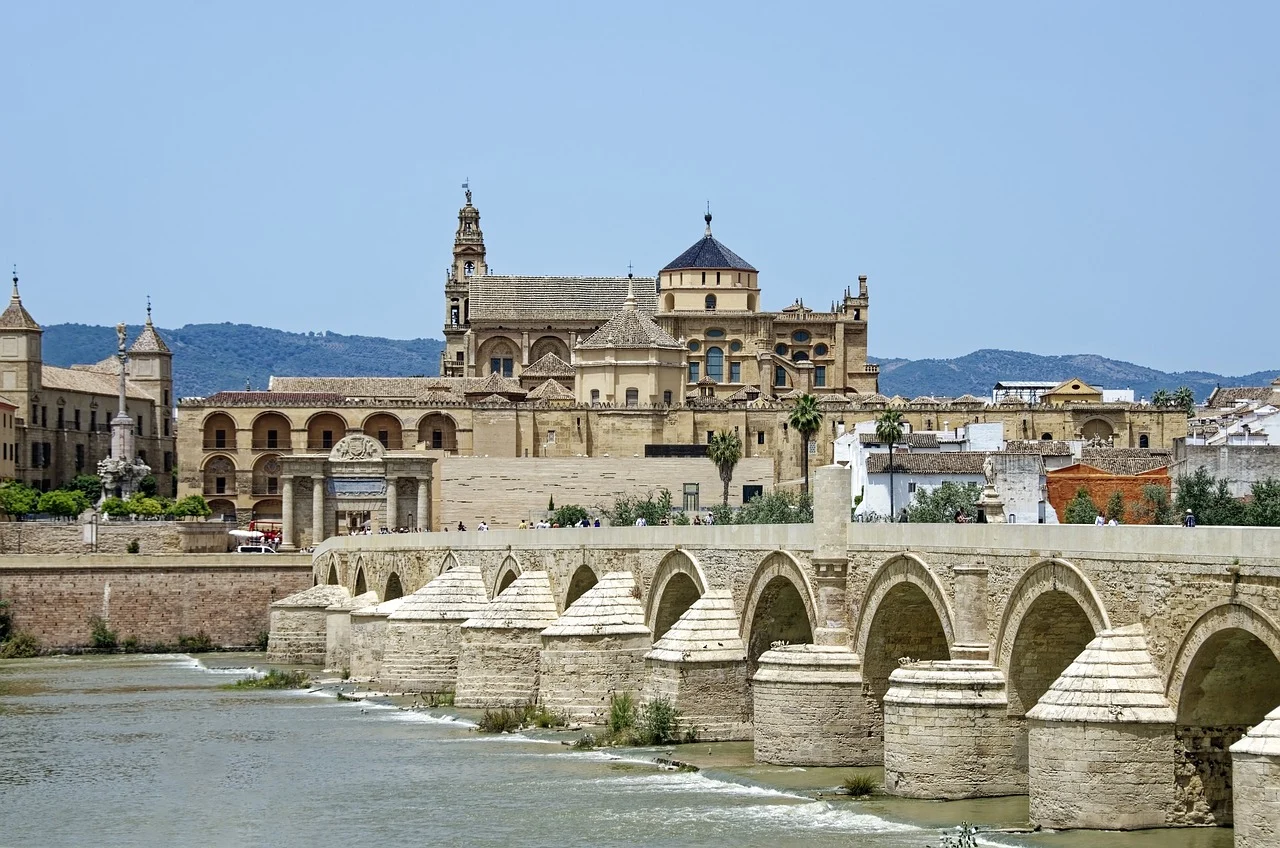
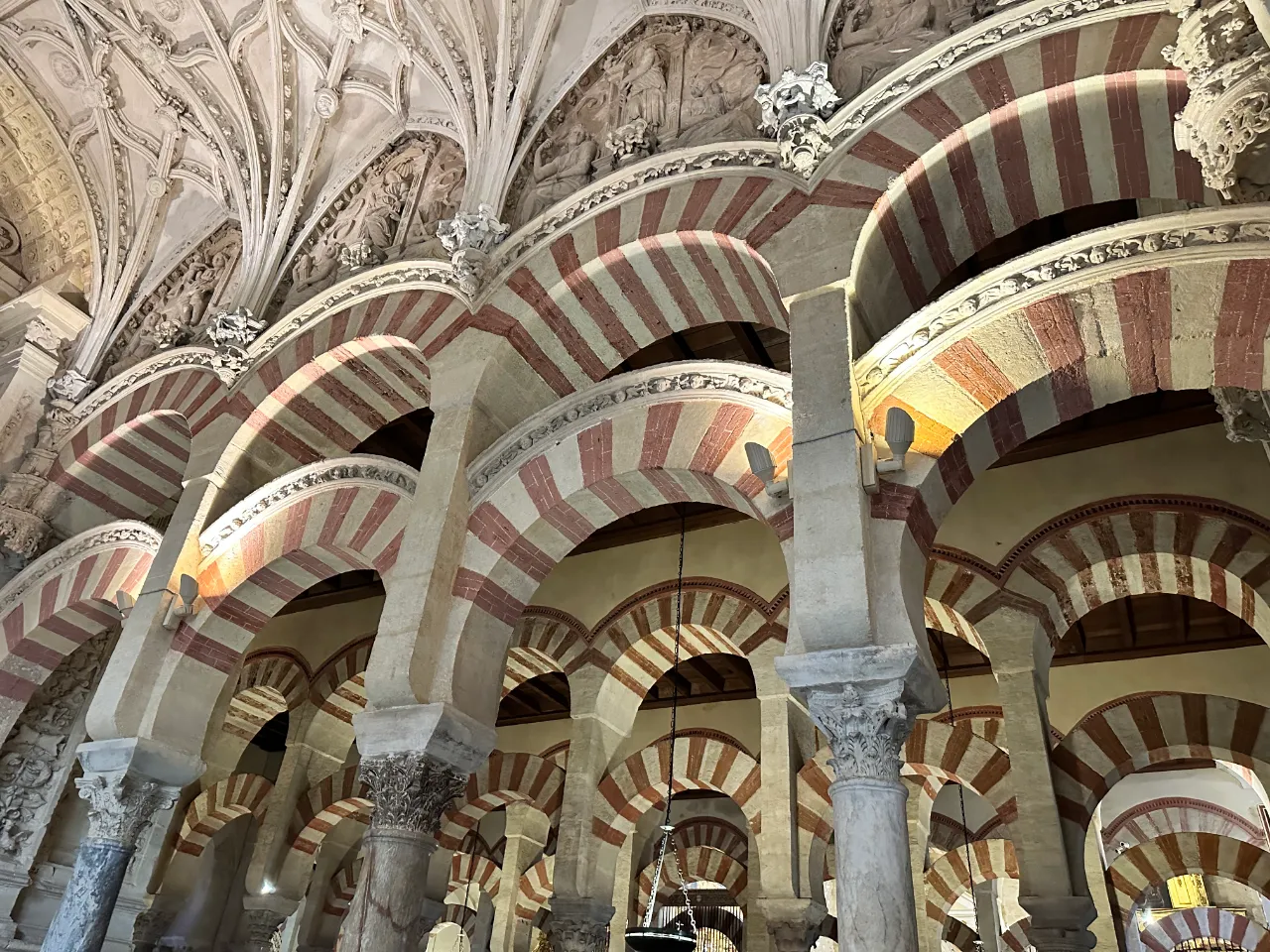
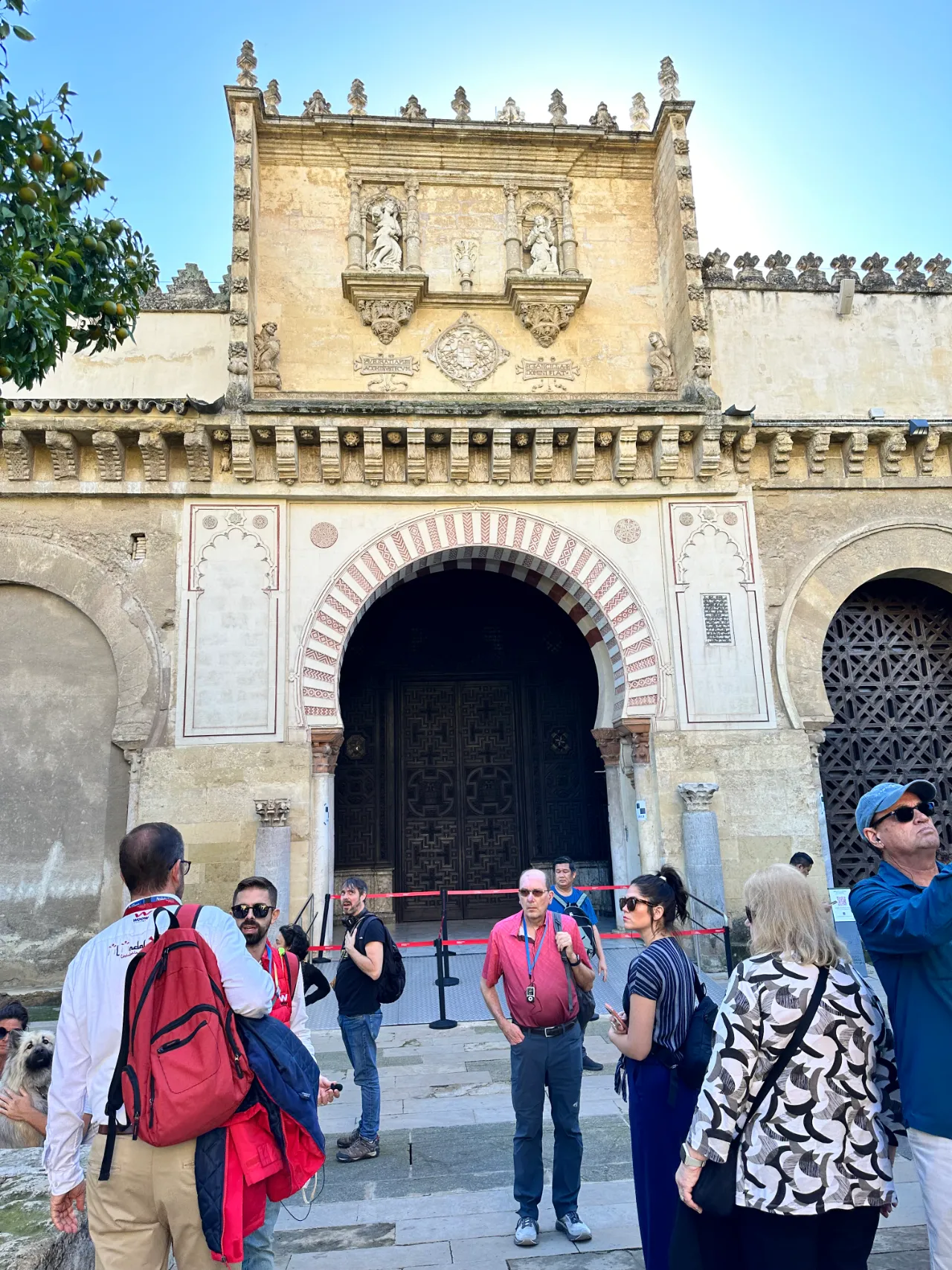
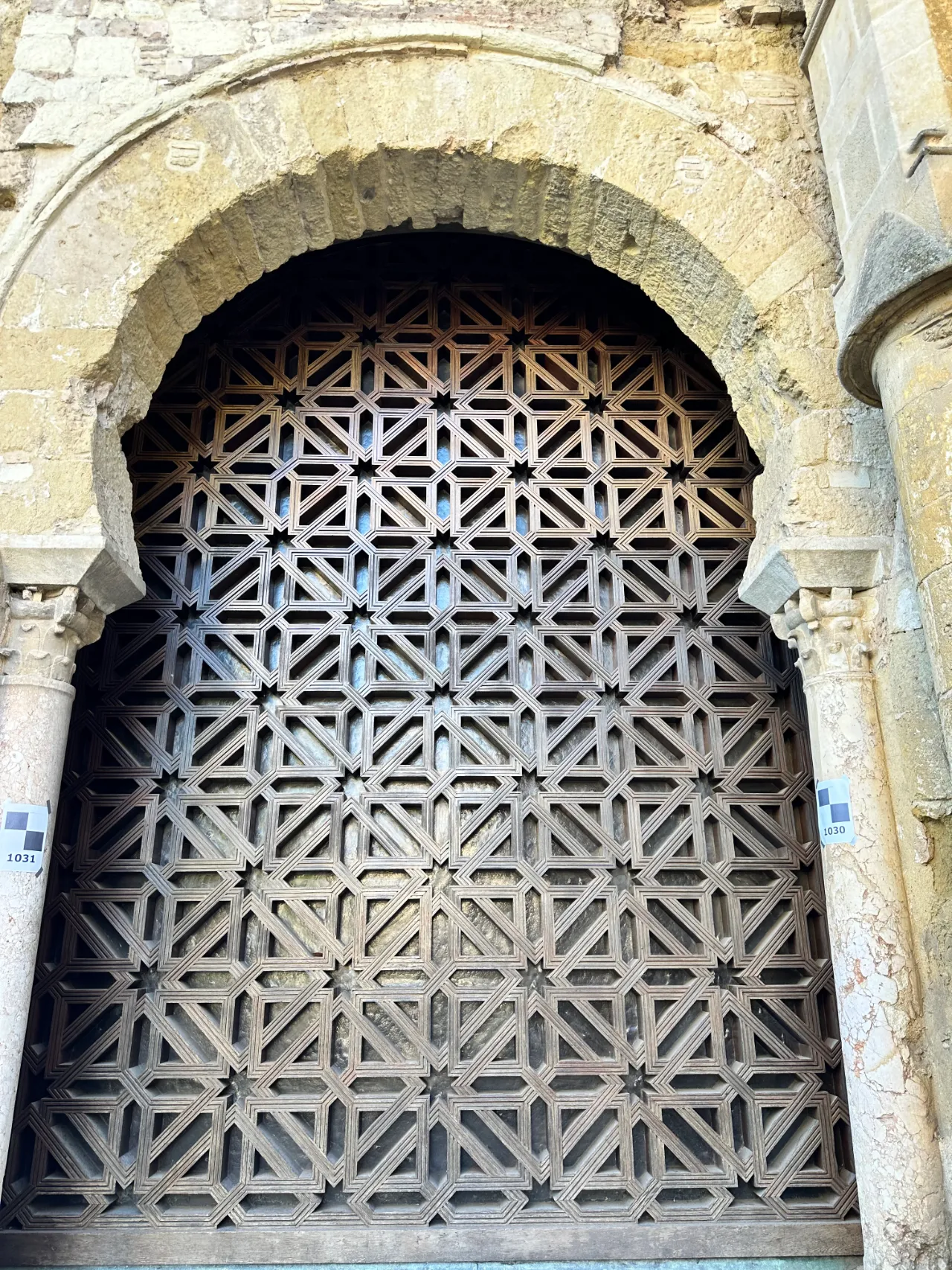
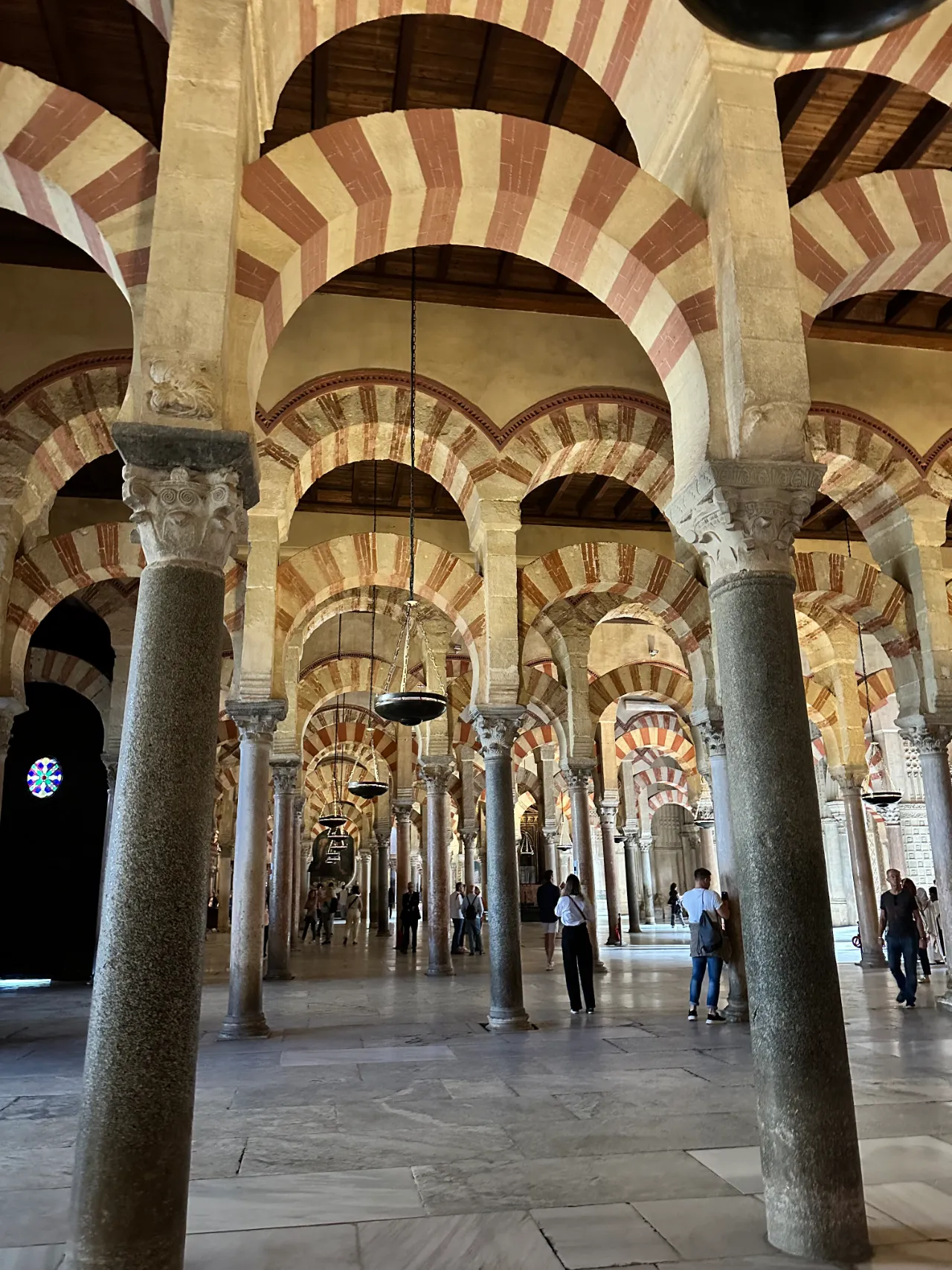
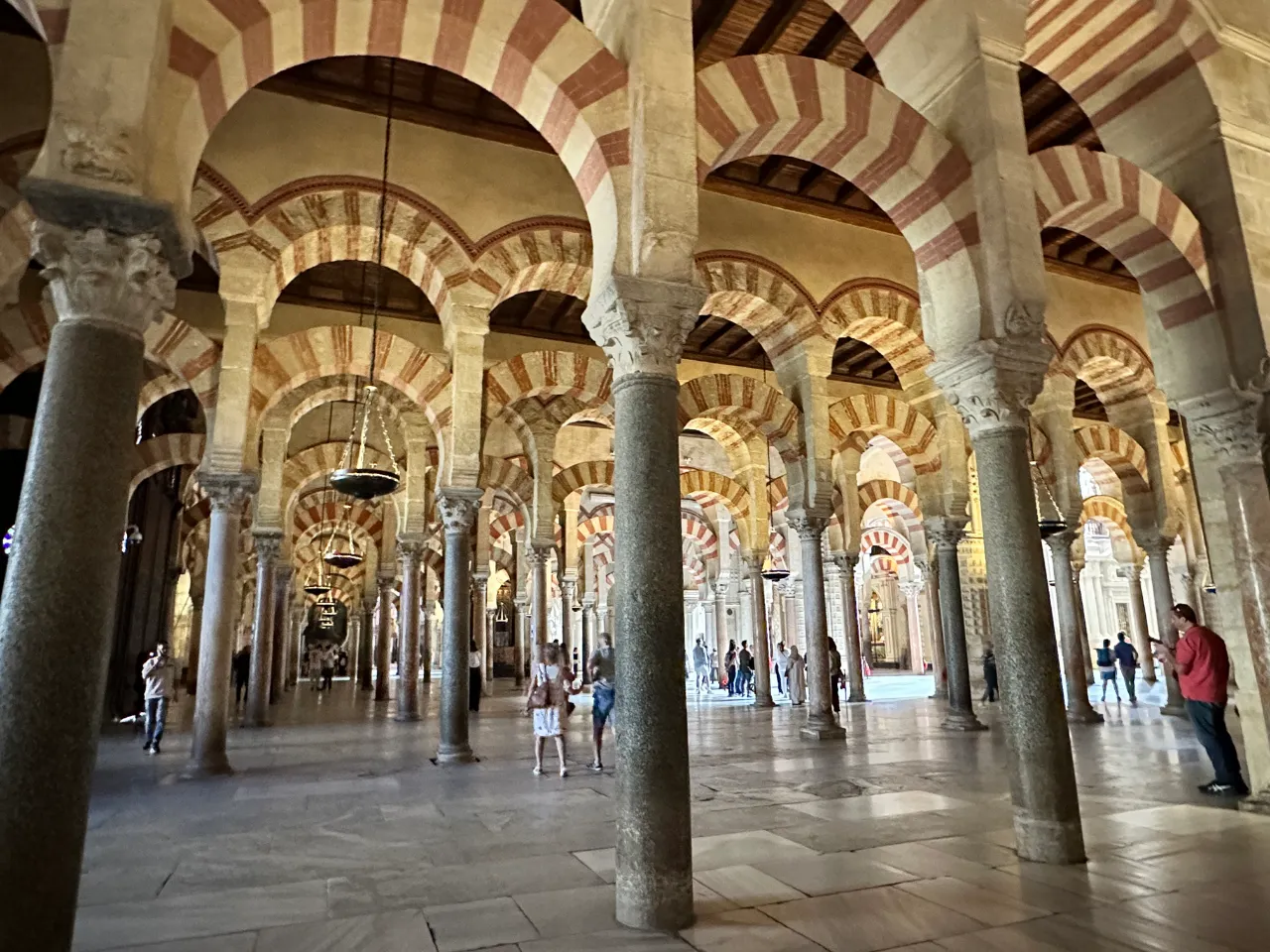
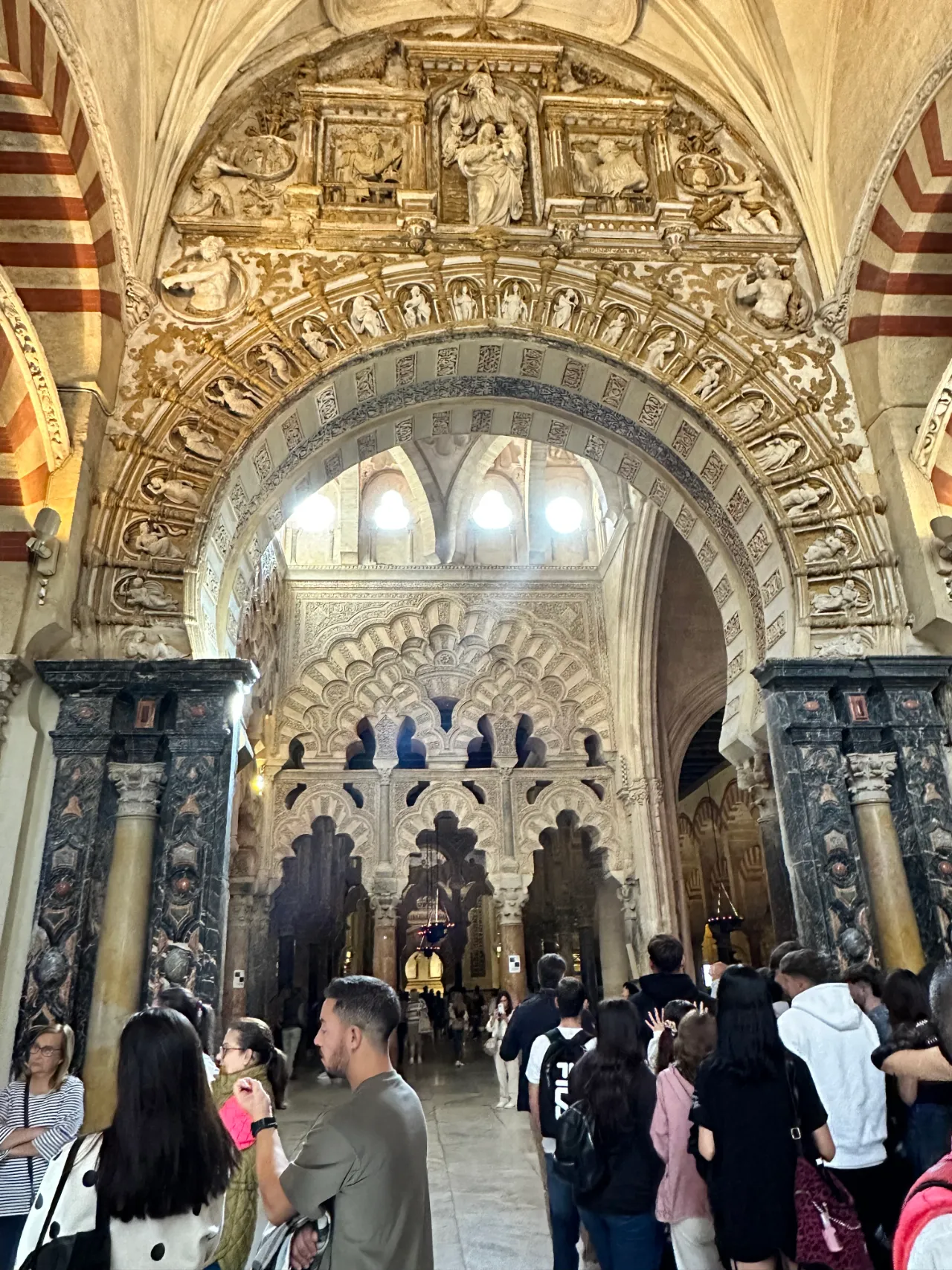
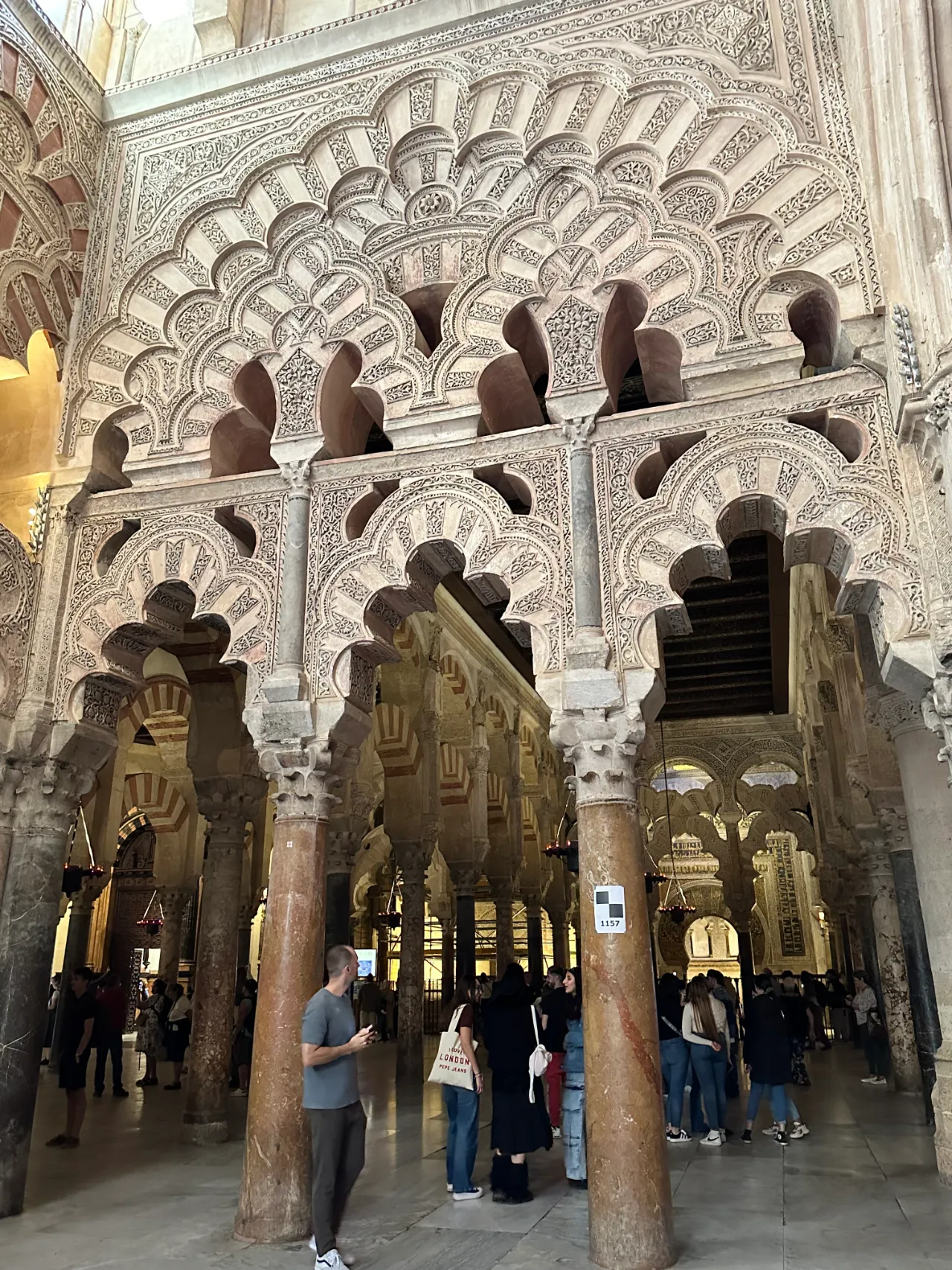
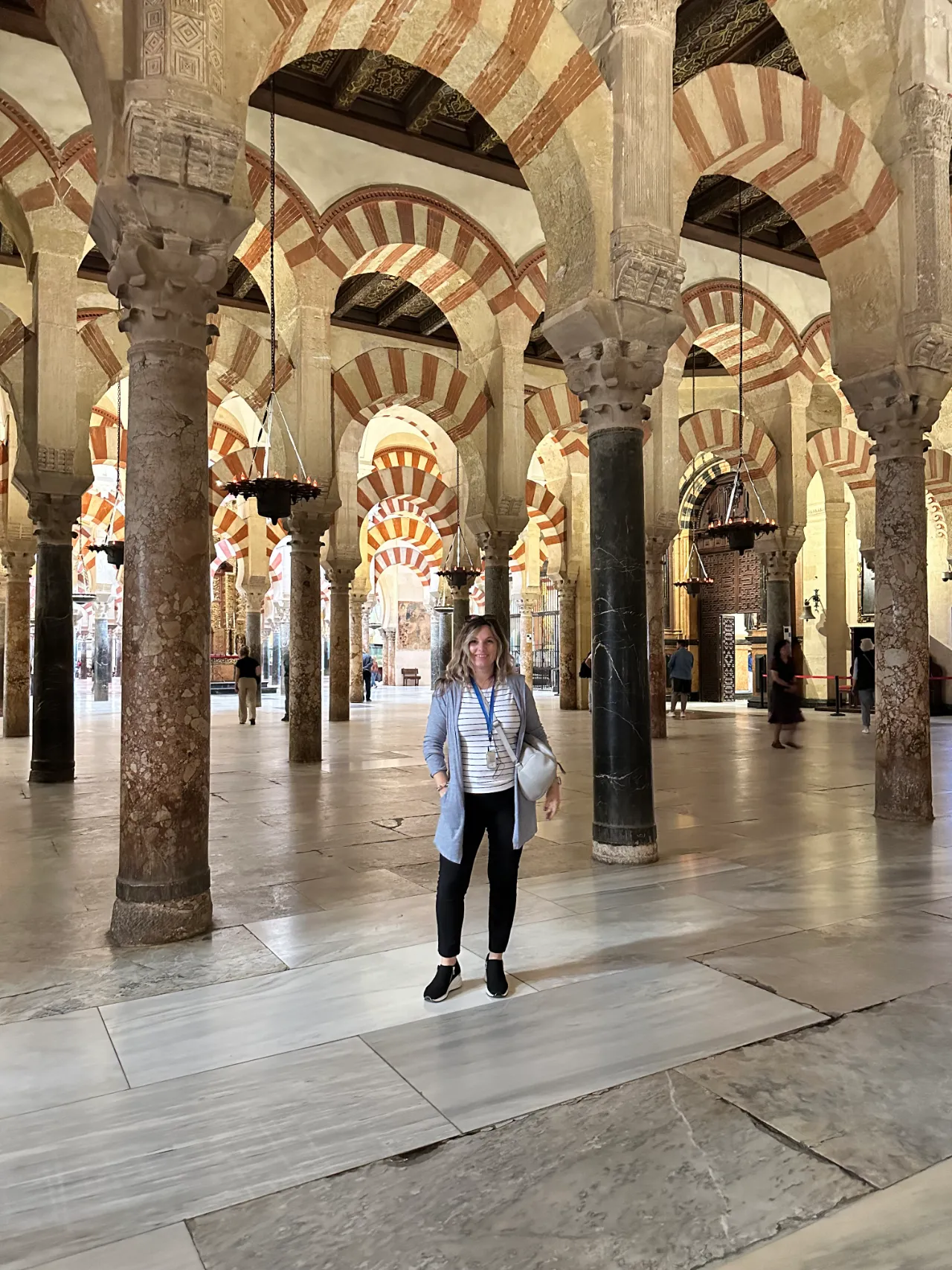
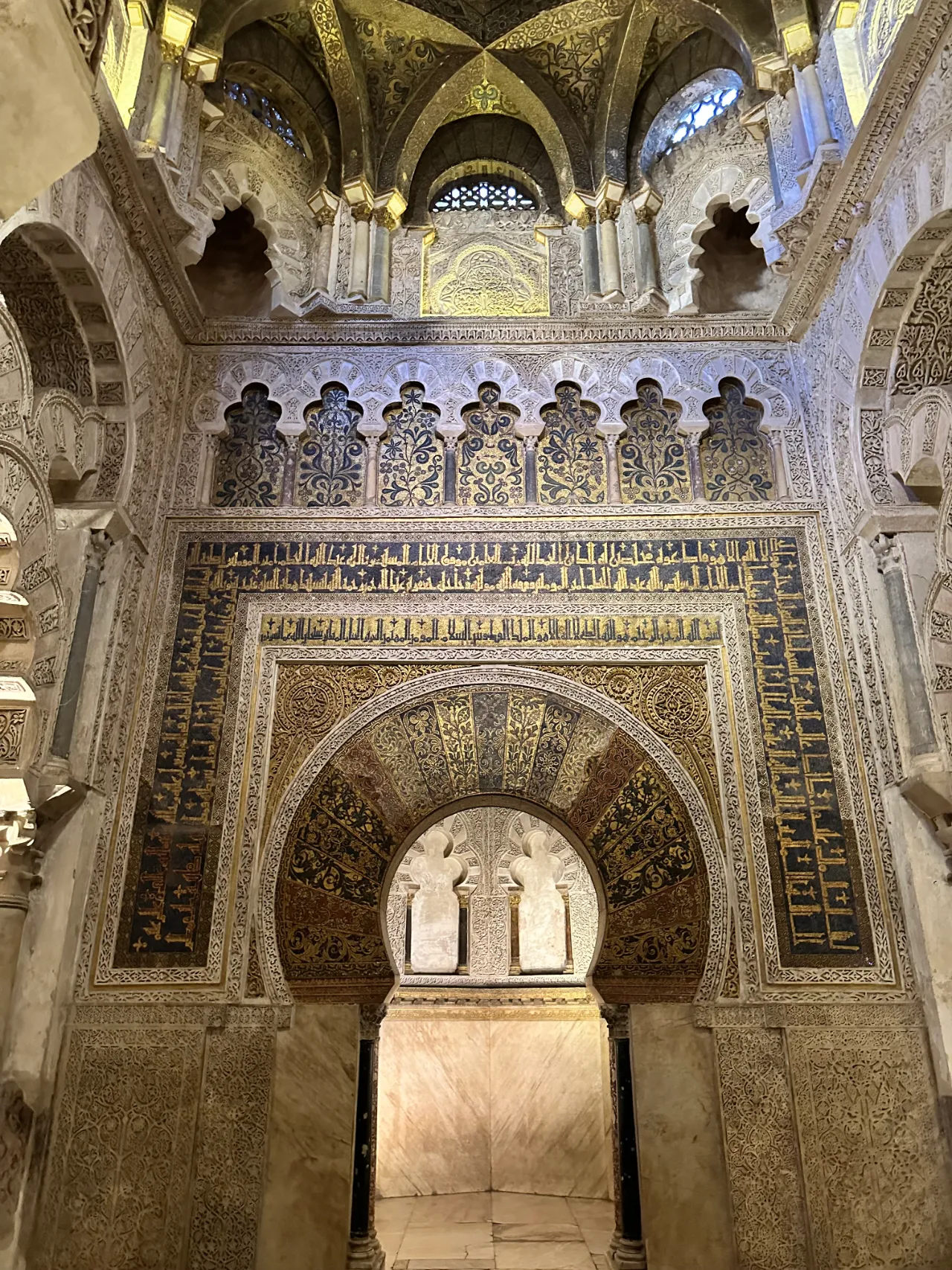
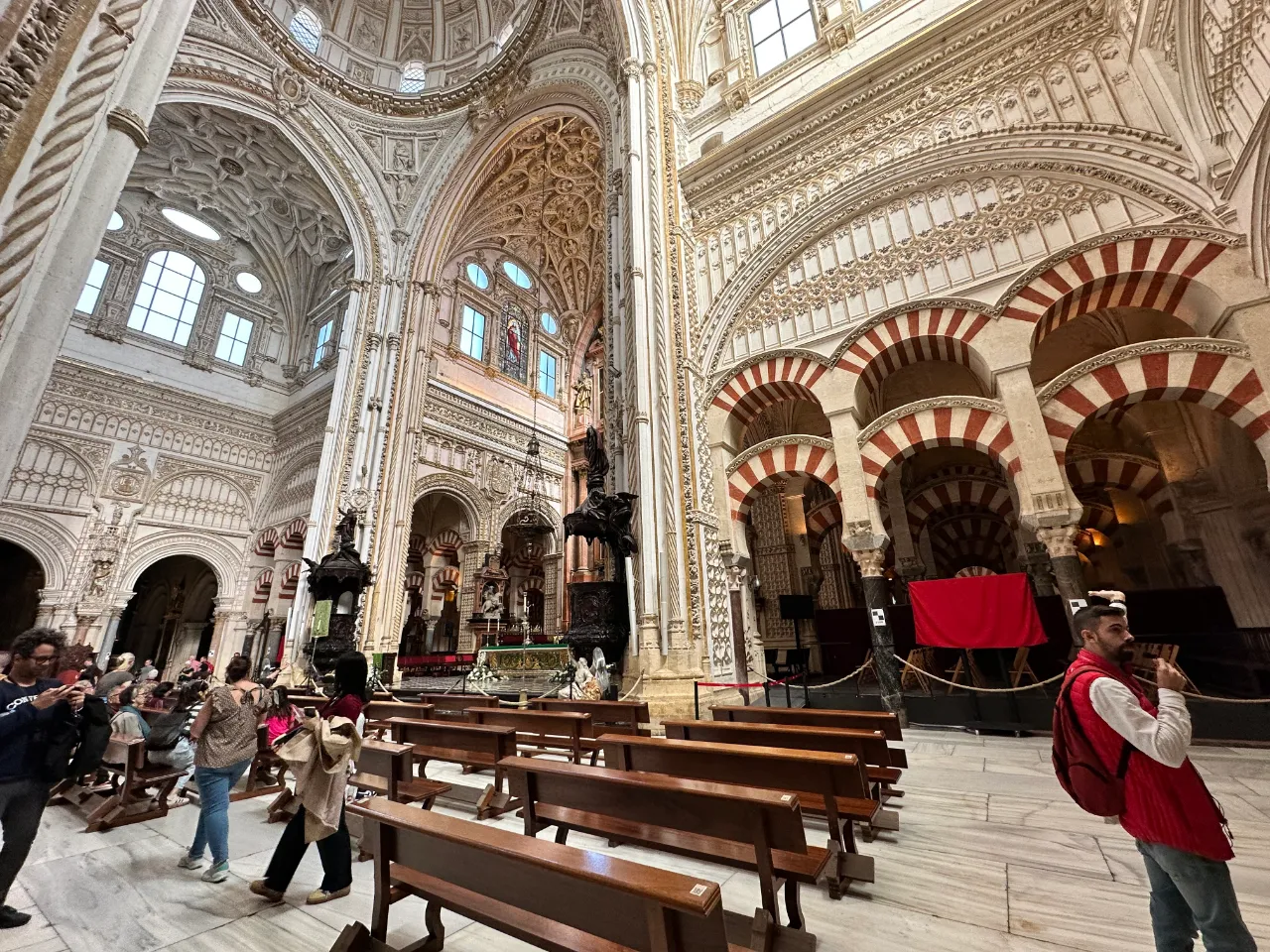
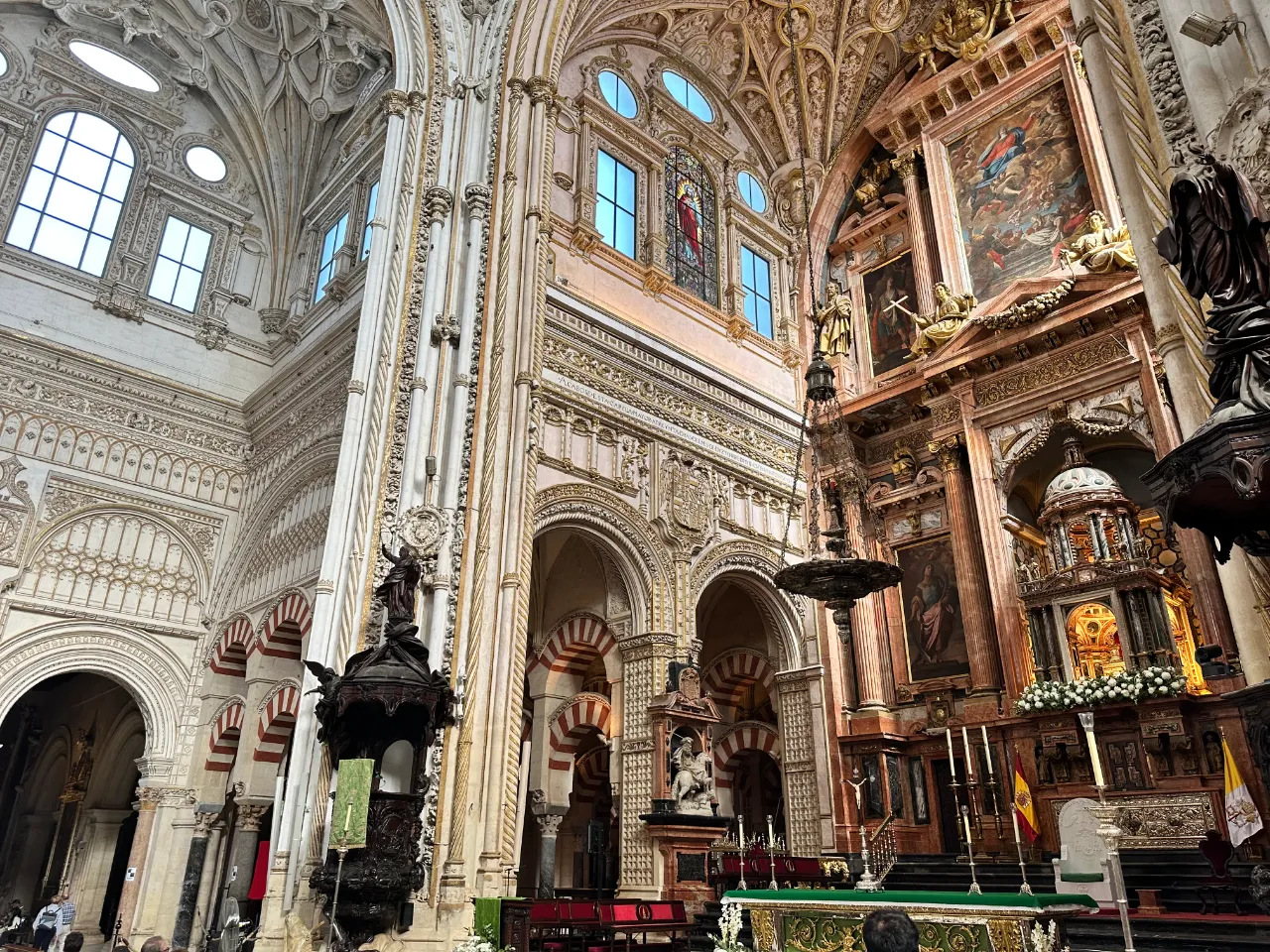
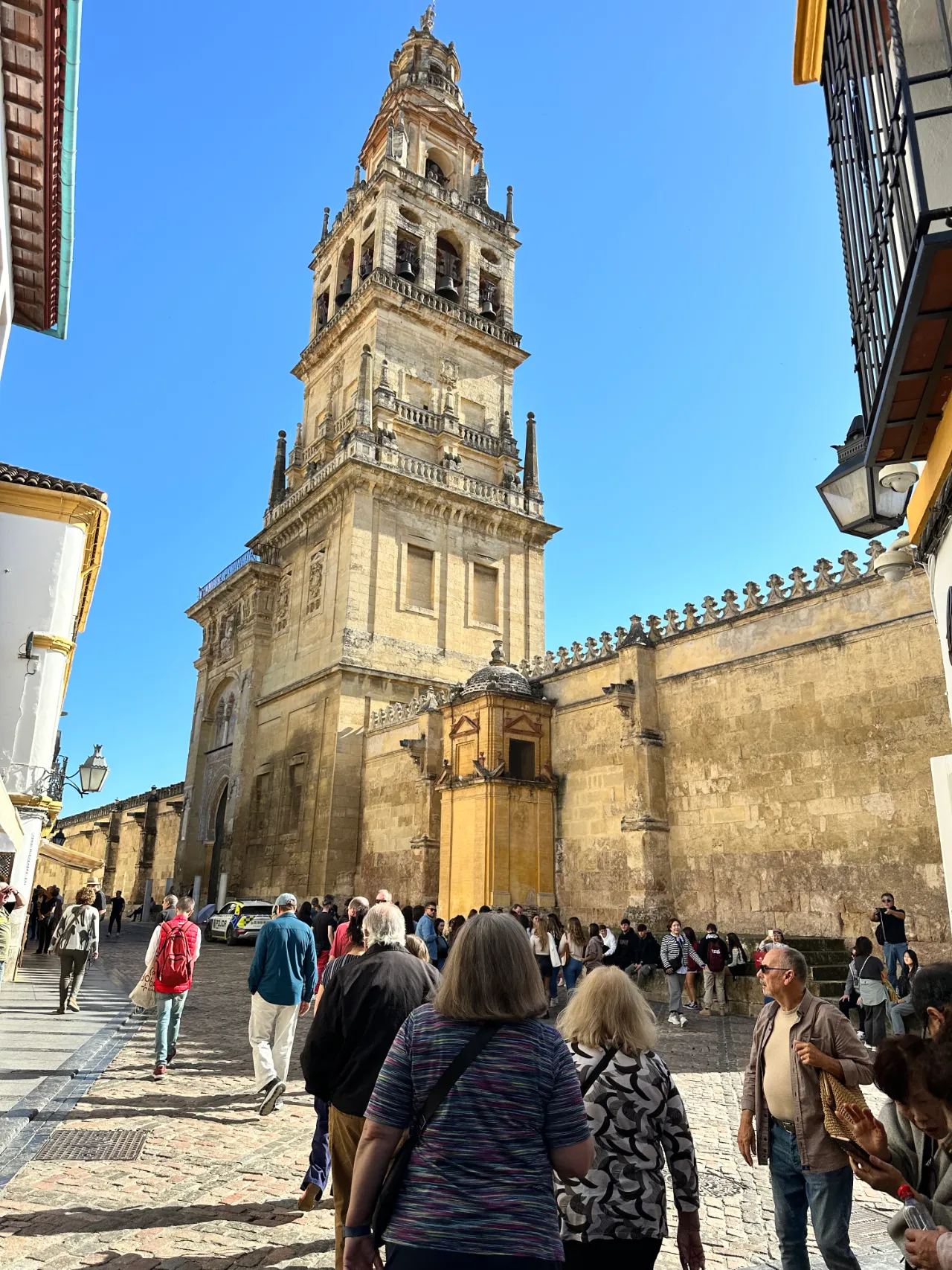
At the heart of Cordoba lies its most iconic attraction, the Mezquita-Catedral. This architectural masterpiece is more than just a tourist magnet—it is a journey through Cordoba’s layered history. Originally a Visigothic church, it was transformed into a grand mosque during the Muslim Caliphate and later reclaimed as a Catholic cathedral. Walking through its forest of red-and-white-striped arches, visitors can see how cultures and religions intertwined to shape this awe-inspiring structure.
The Mezquita-Catedral is not just a monument to history; it is a living, breathing place of worship and reflection. It stands as a symbol of Cordoba’s complex past, where Muslim, Christian, and Jewish influences coexist in harmony.
A City Built on Layers of History
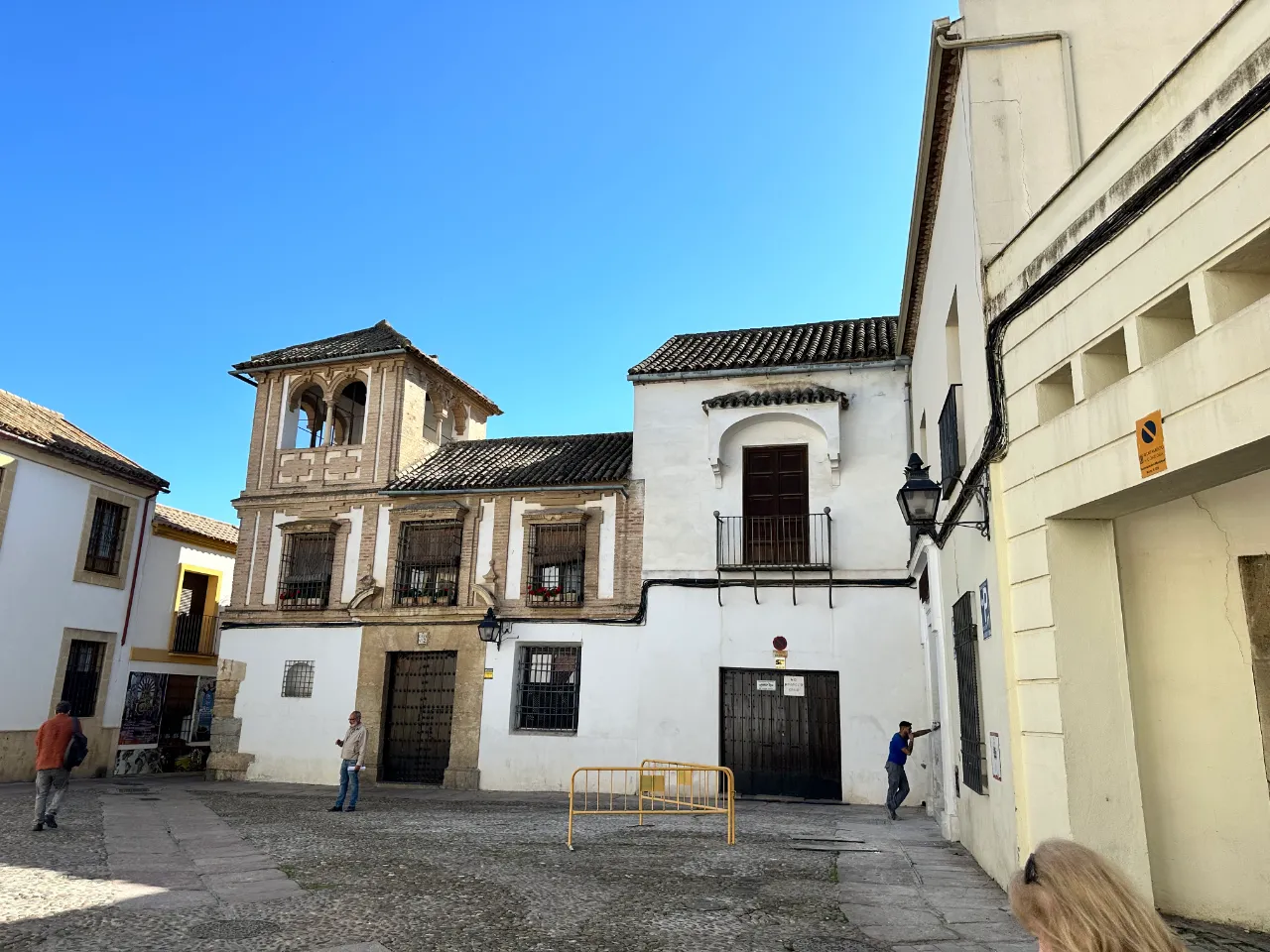
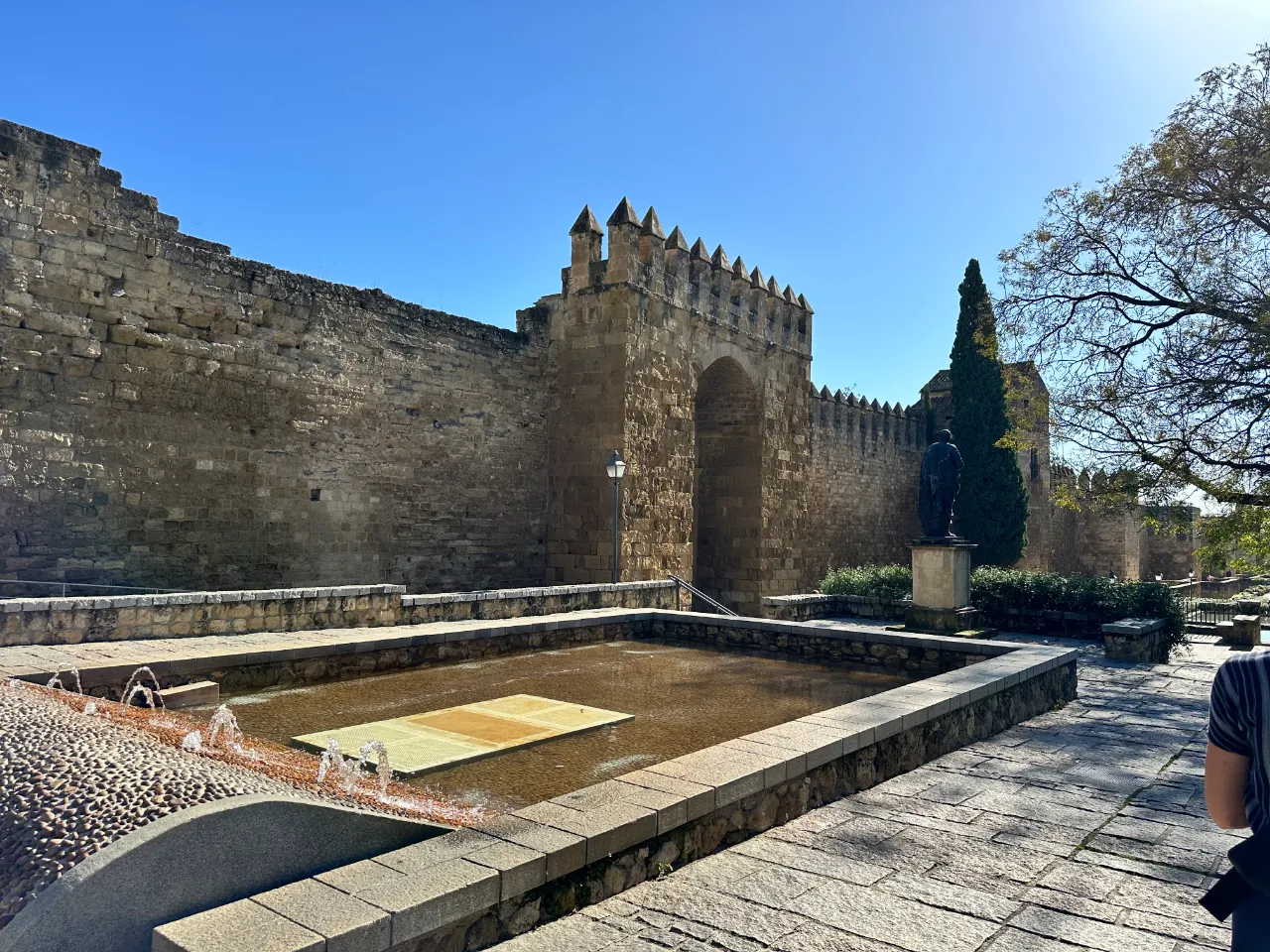
Cordoba’s charm extends far beyond its cathedral. This city, dating back to the 2nd century, wears its history proudly. From the Roman bridge that spans the Guadalquivir River to the remnants of the ancient city walls, Cordoba’s past is etched into every corner.
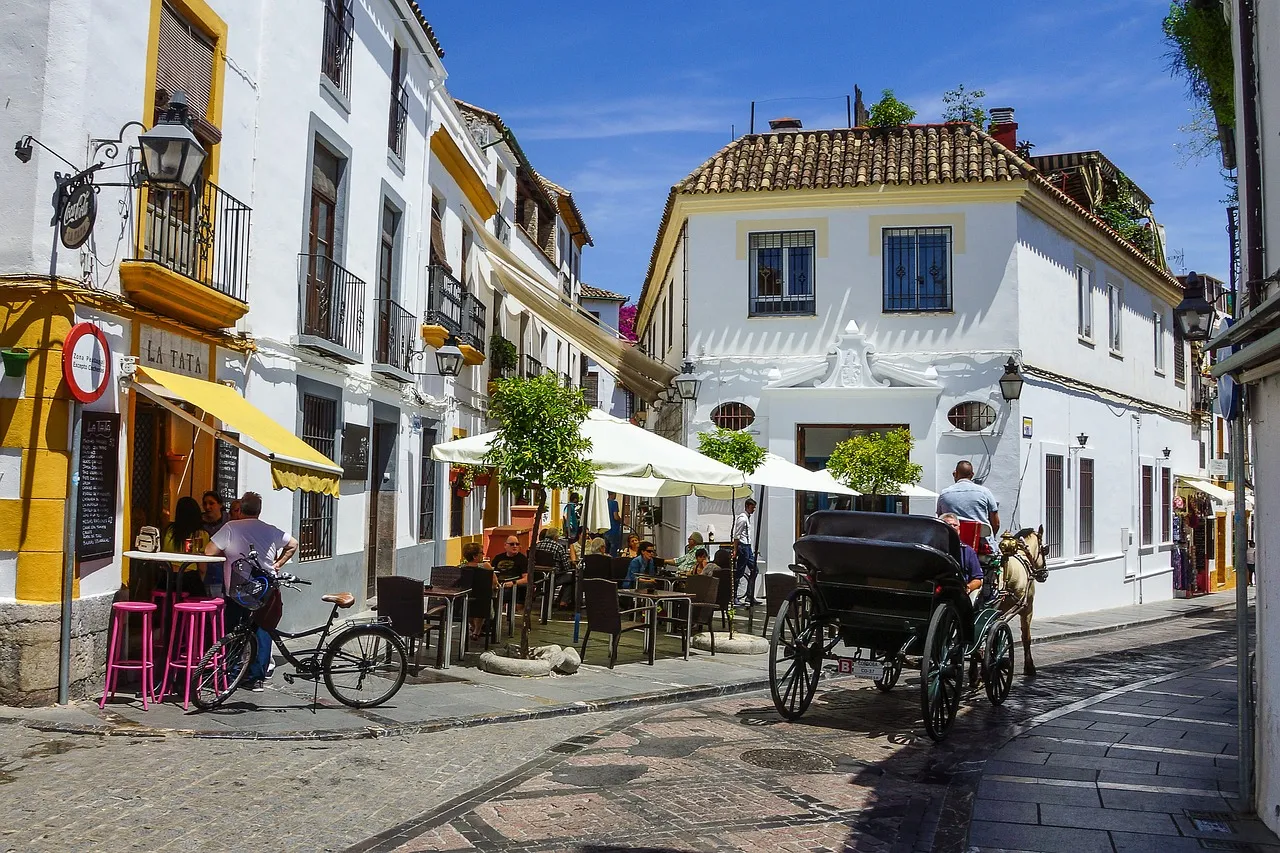
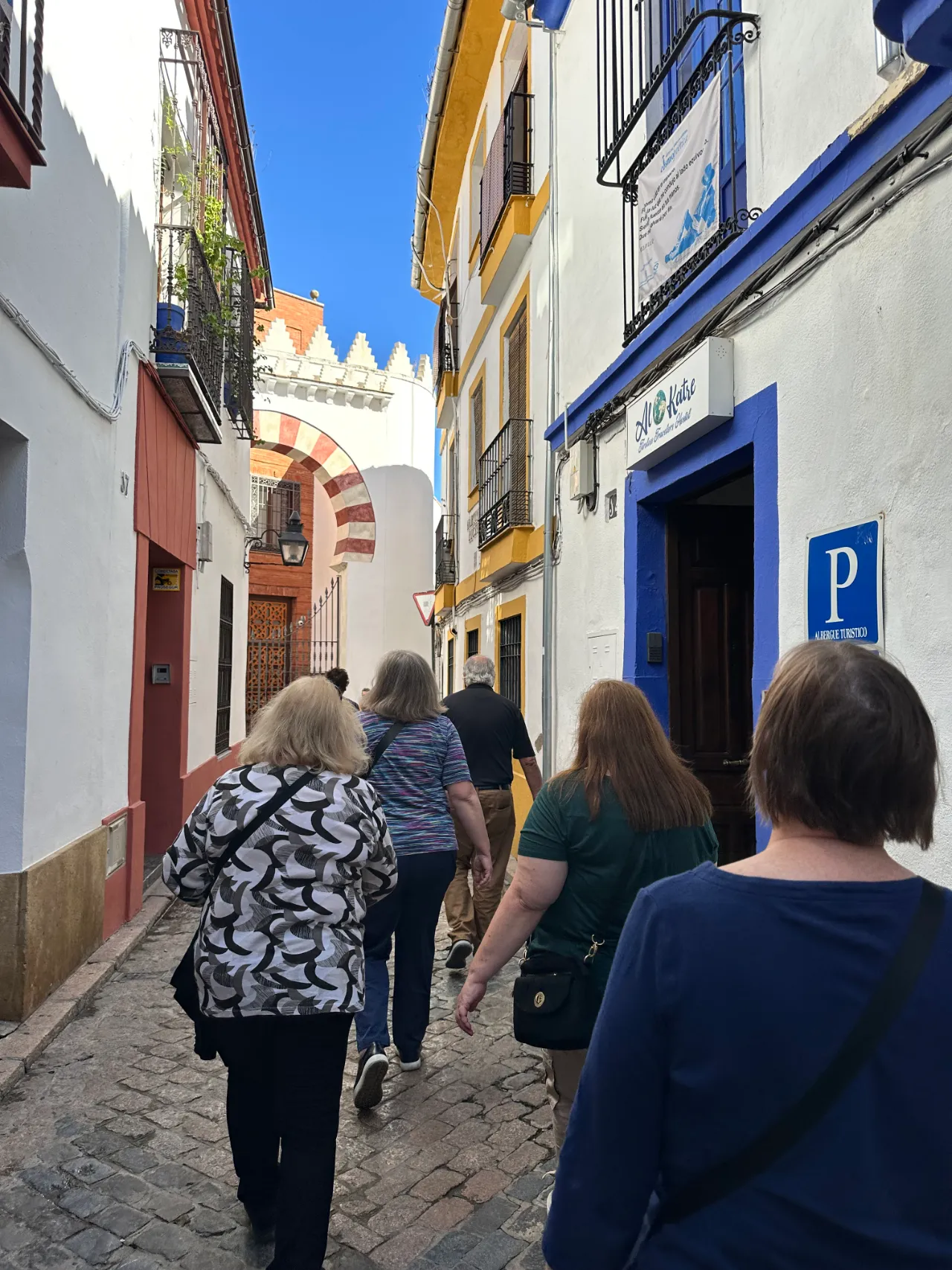
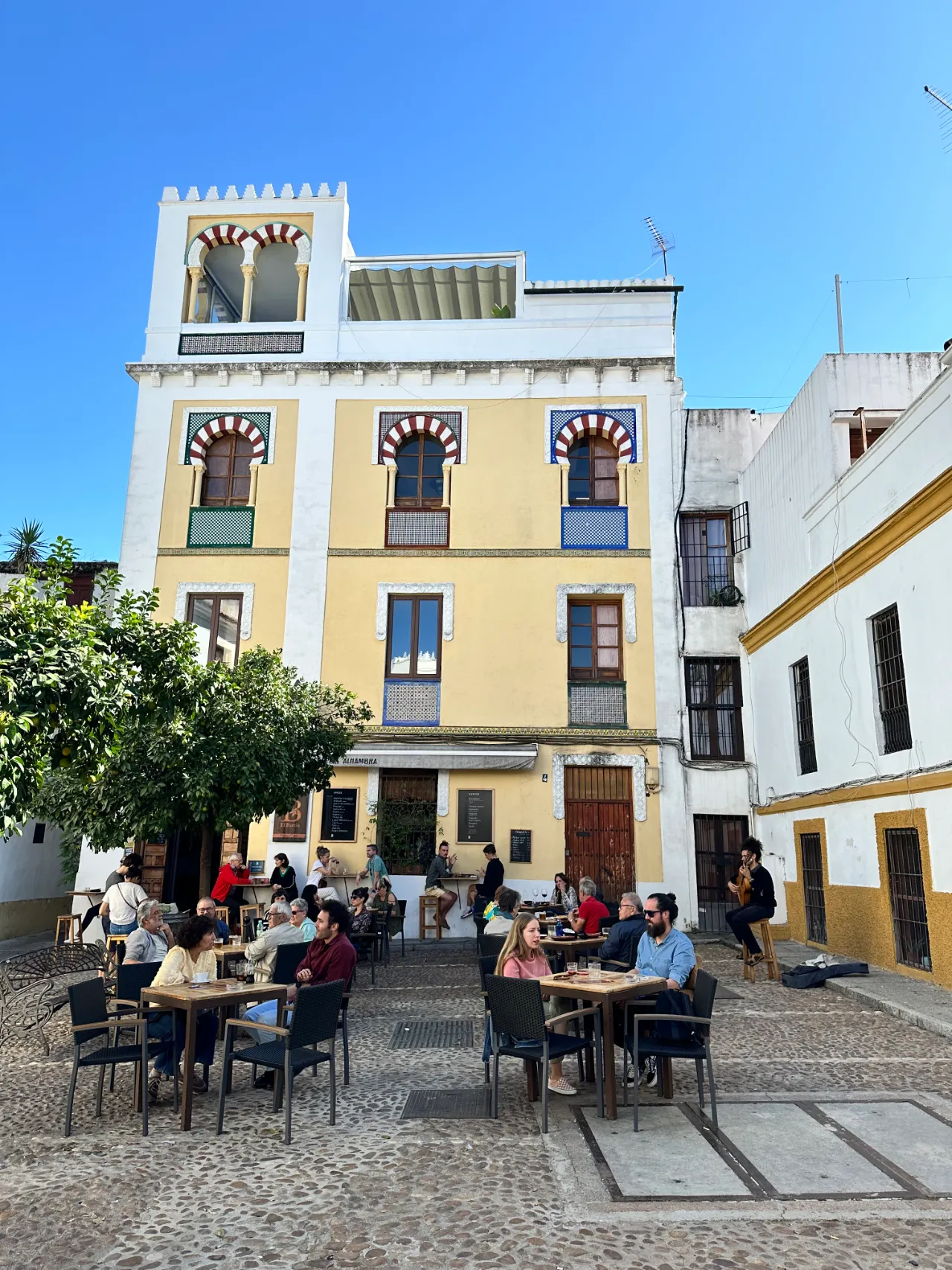
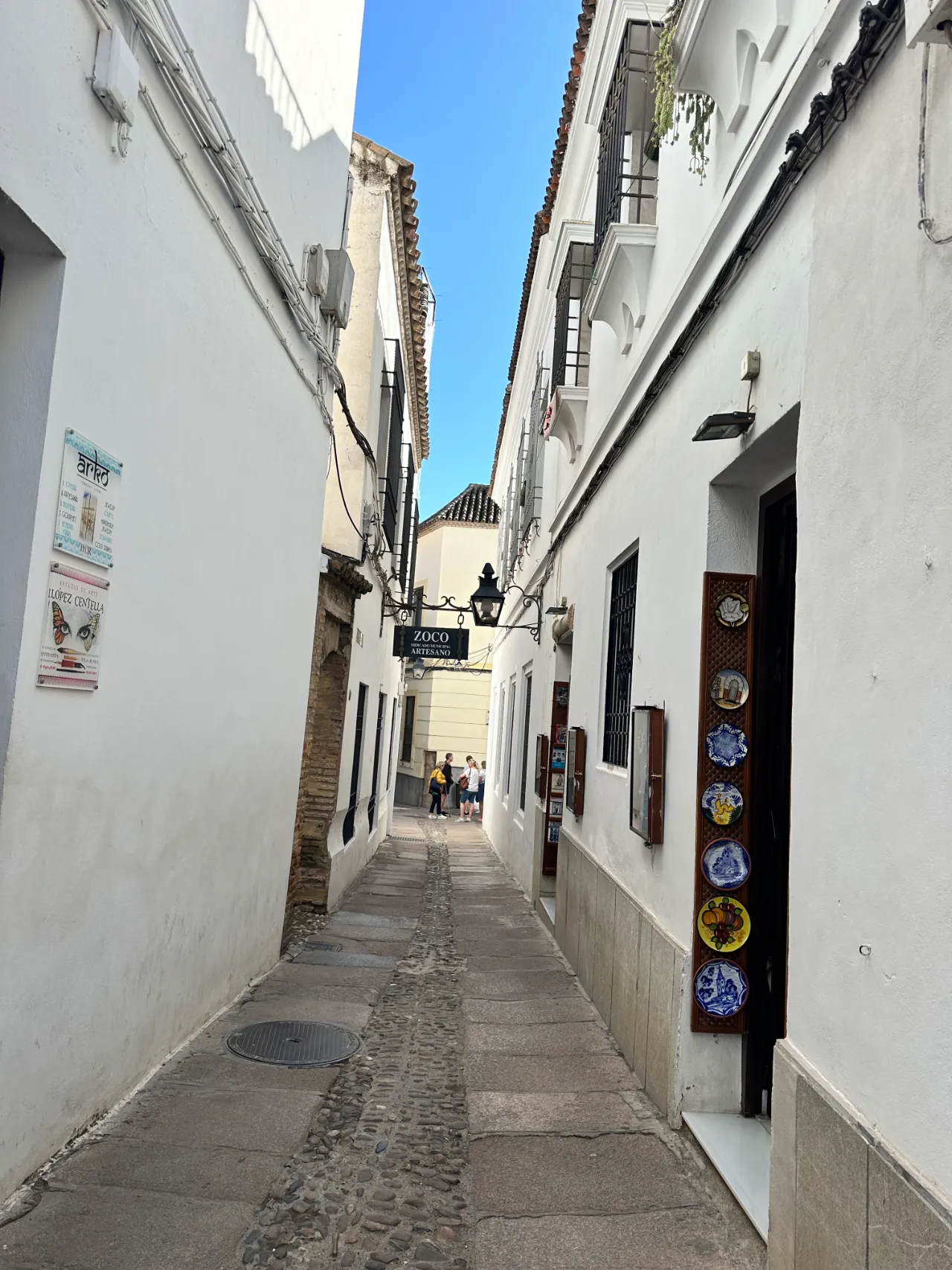
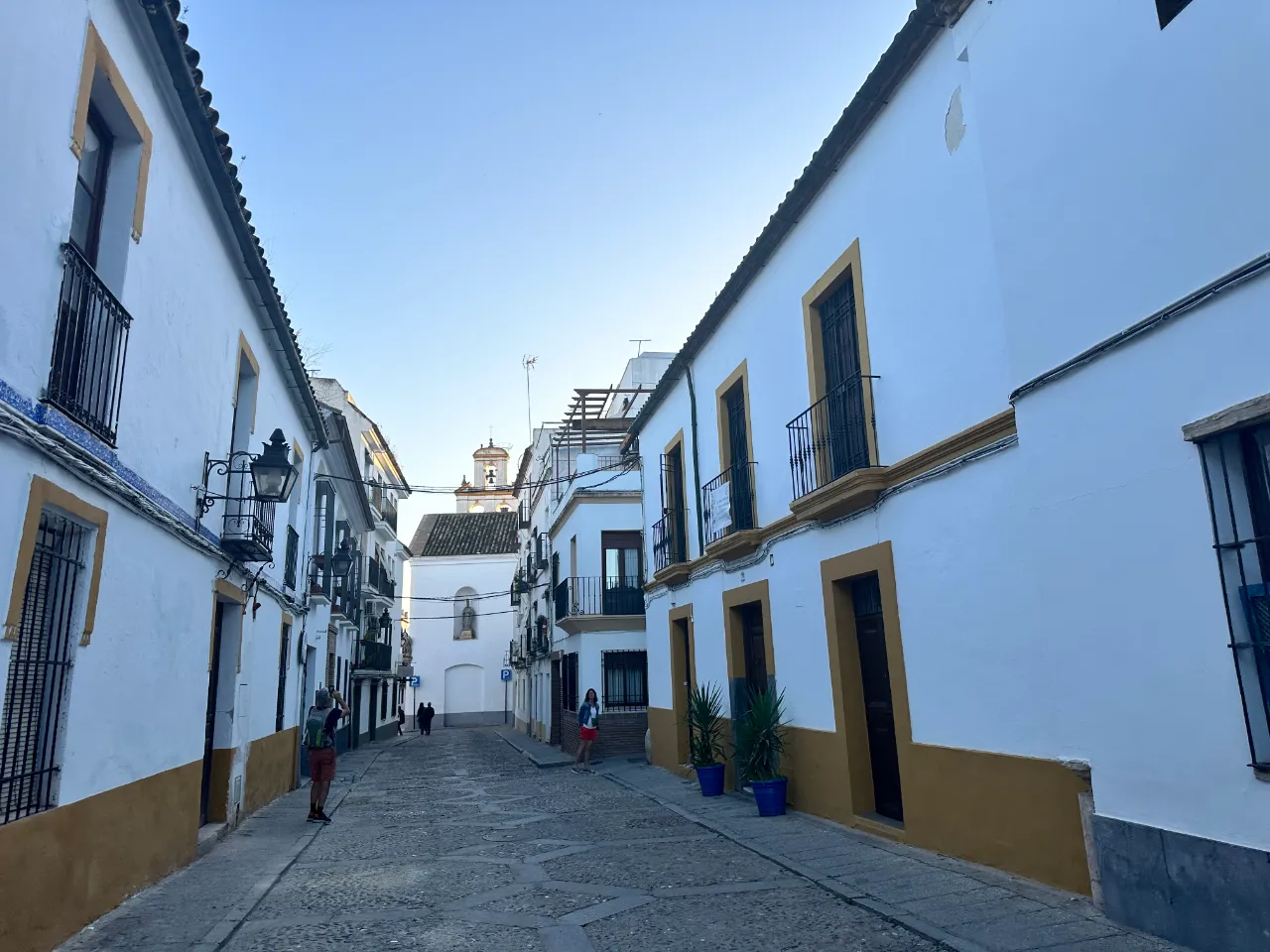
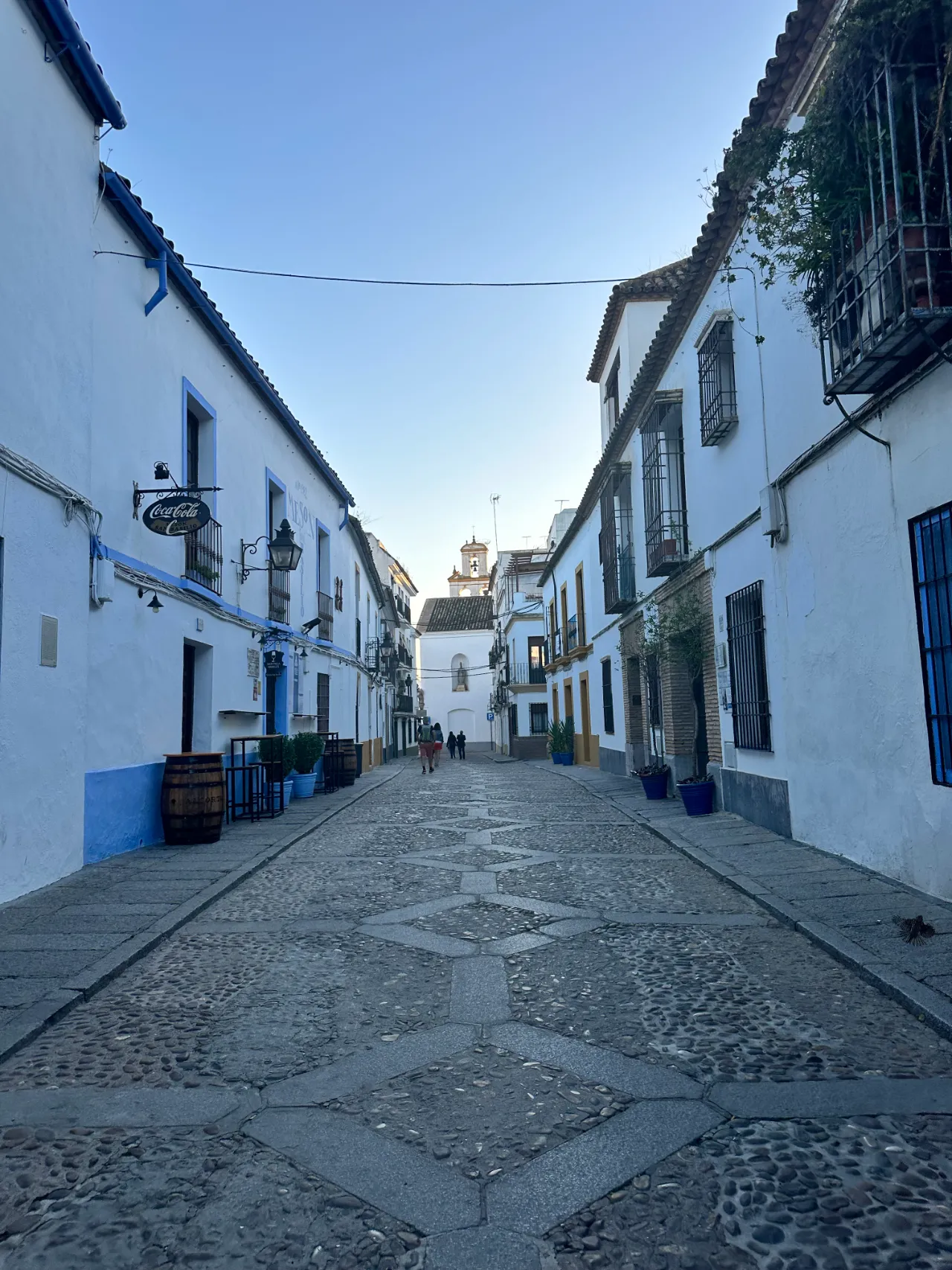
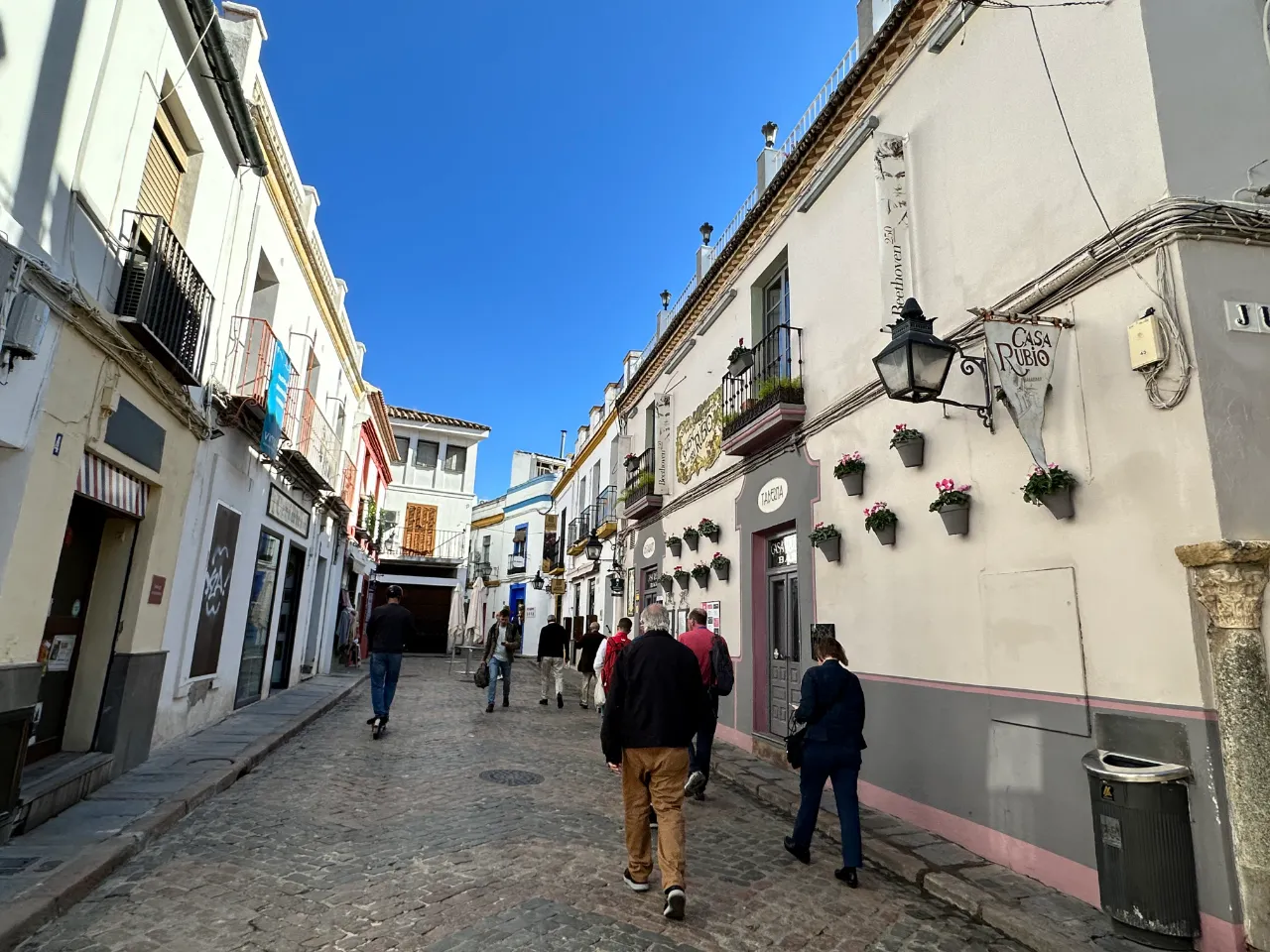
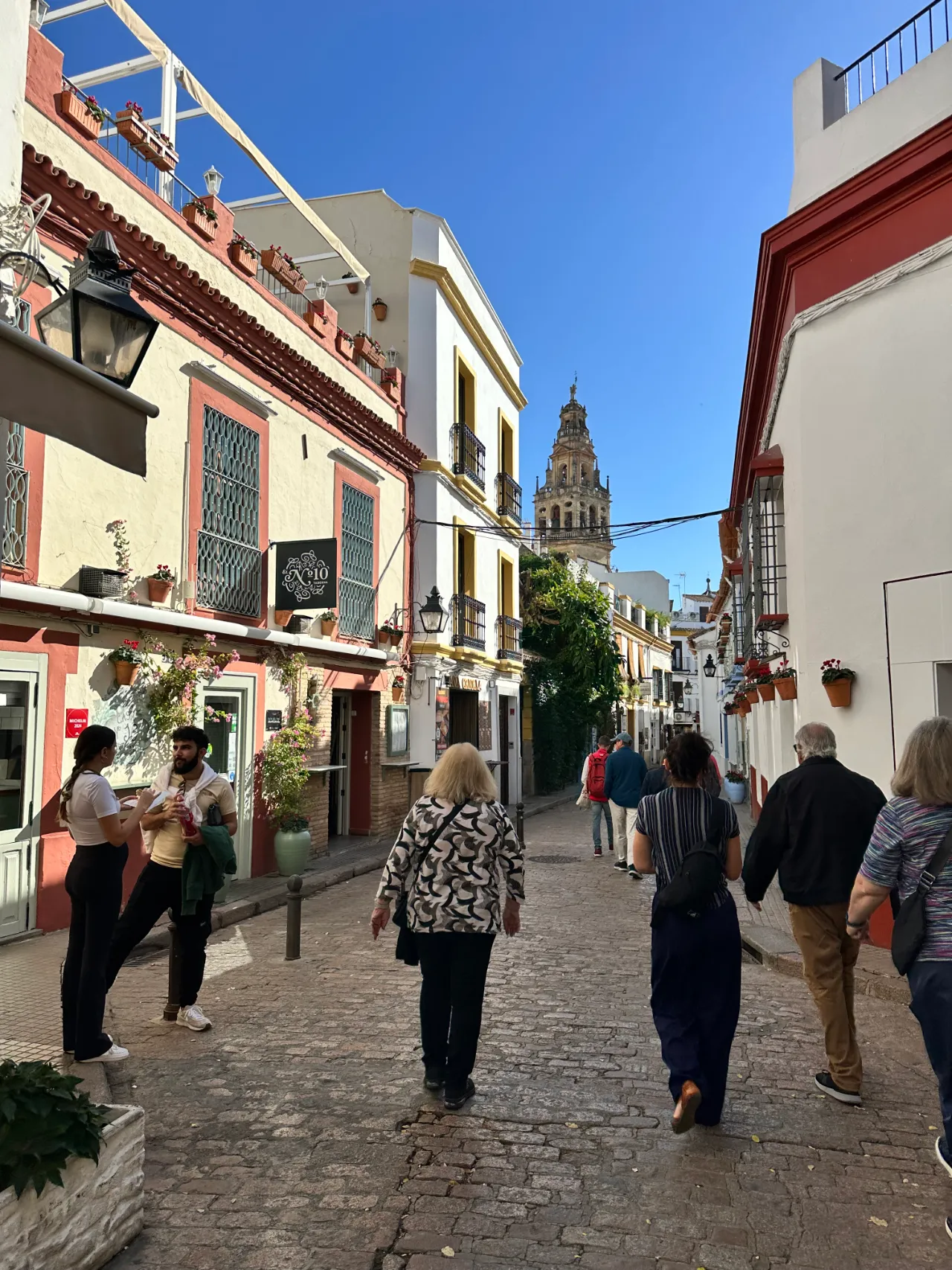
Yet, the city is not stuck in time. Its winding, narrow streets evoke a Middle Eastern medina more than a typical European city, with whitewashed walls and intricate ironwork. Every building tells a story—of merchants, artisans, and scholars who once called Cordoba home.
Walking these streets feels like stepping into a living museum, where the past and present coexist seamlessly.


Hidden Gems: Cordoba’s Culinary and Artistic Treasures
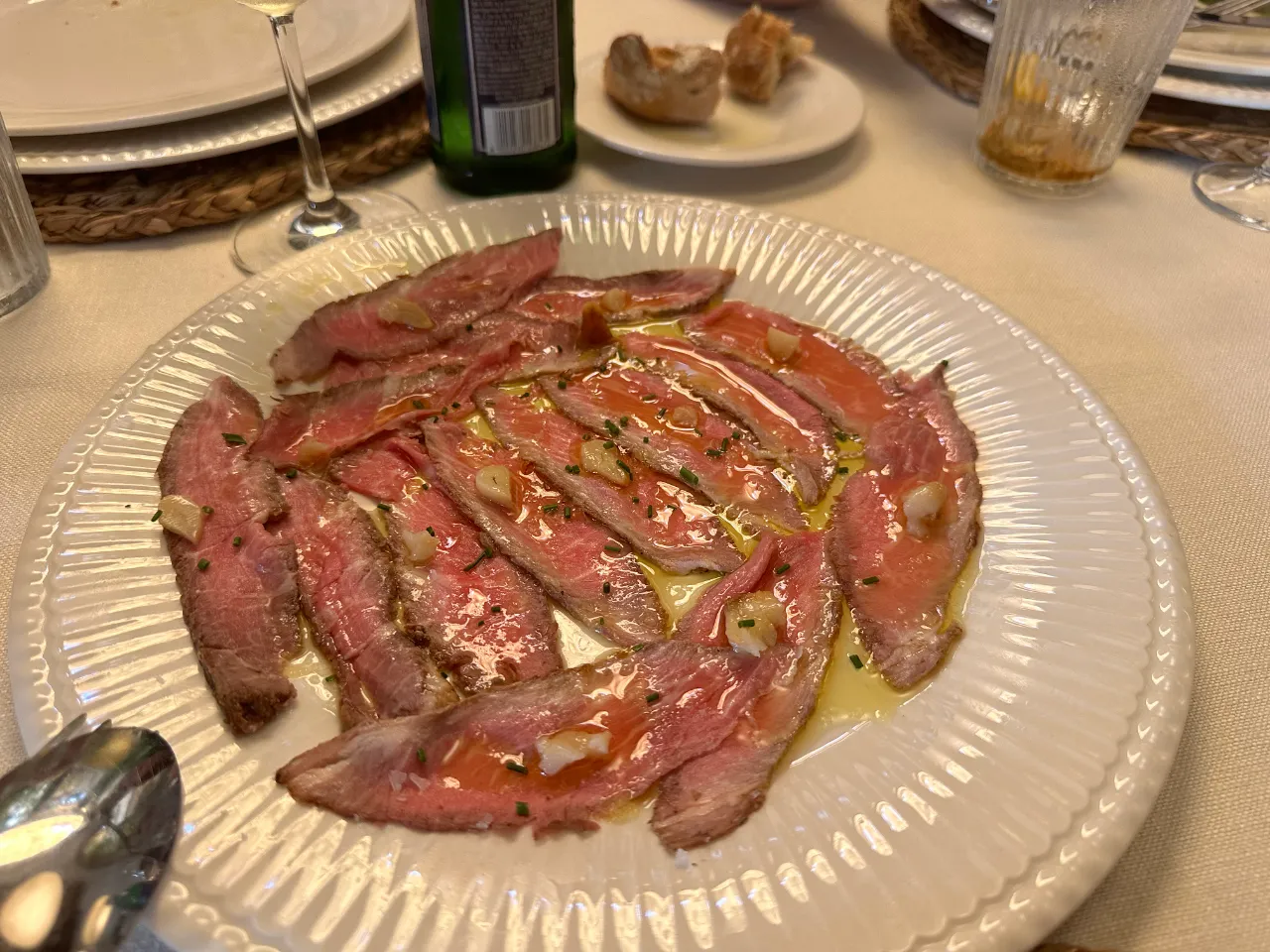
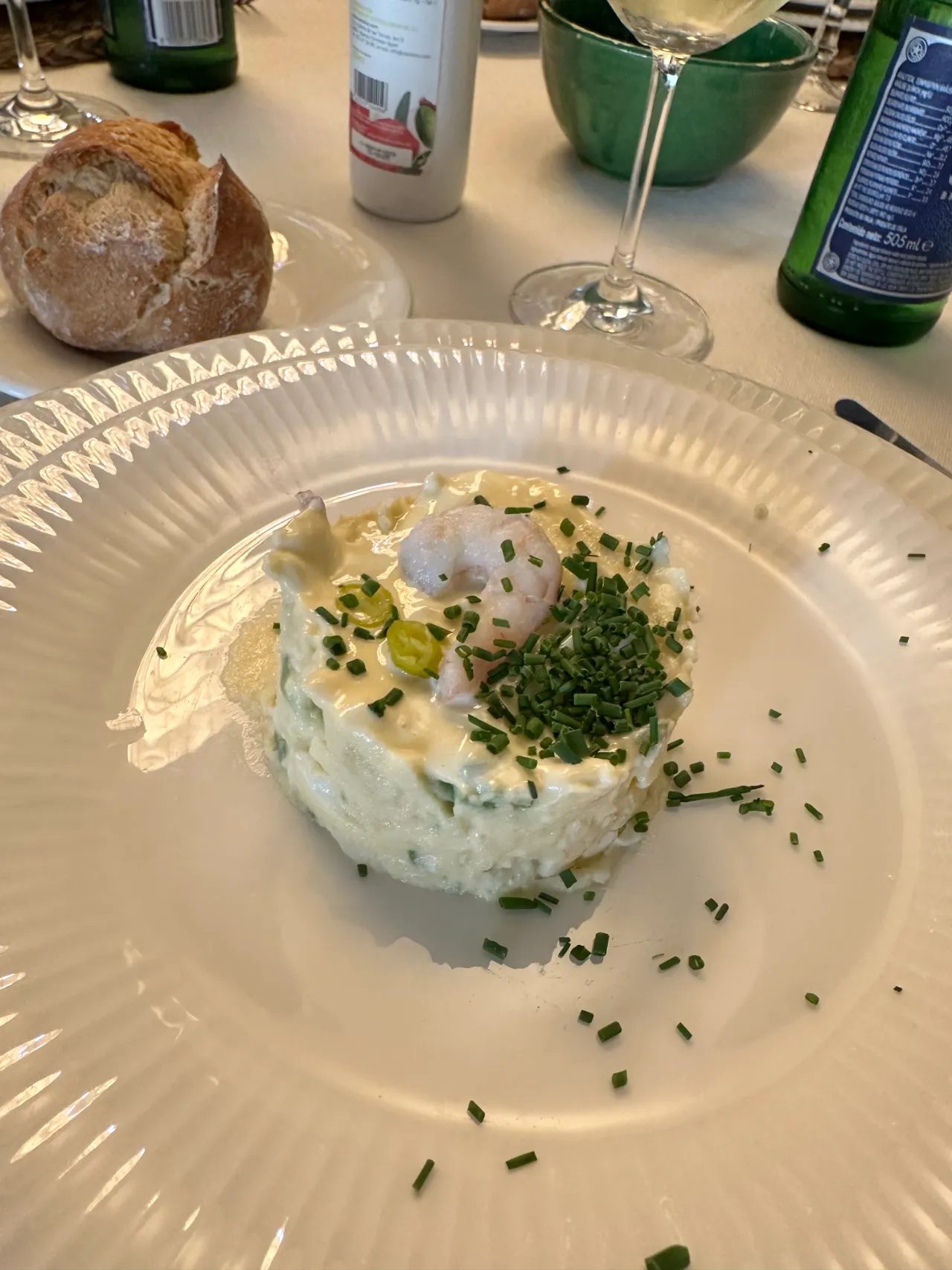
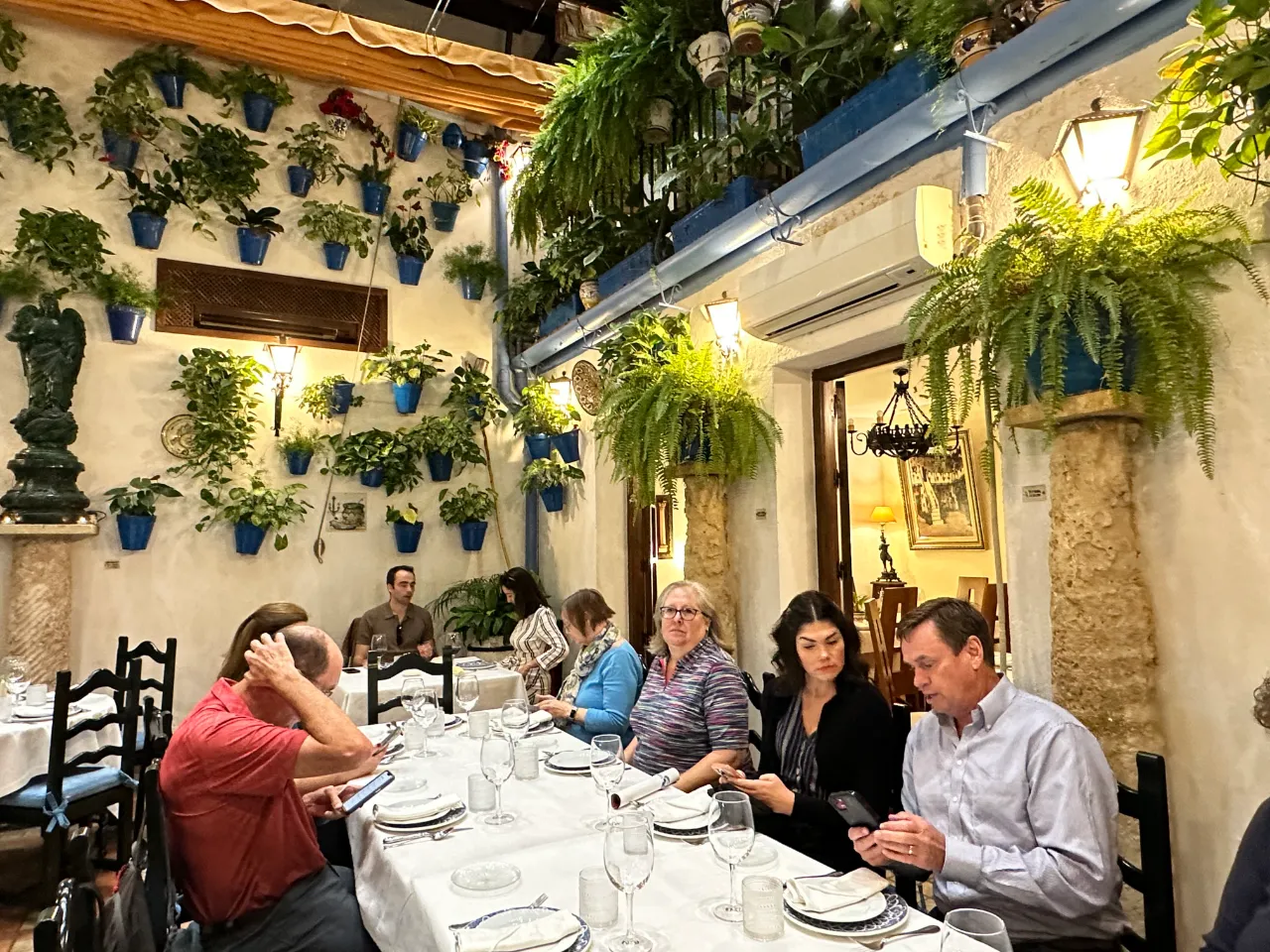
Cordoba’s dining scene is a revelation. Hidden within its labyrinthine streets are unassuming restaurants offering some of the best culinary experiences in Andalucia. Whether it’s a plate of salmorejo, a chilled tomato soup unique to the region, or rabo de toro (oxtail stew), each dish tells a story of local ingenuity and tradition.
The city’s artistry is equally captivating. Local artisans have honed their crafts for generations, creating exquisite works in leather, silk, and silver. Strolling through the artisan quarters, you’ll find workshops where masters transform raw materials into intricate treasures.


The Patios: A Celebration of Beauty and Ingenuity
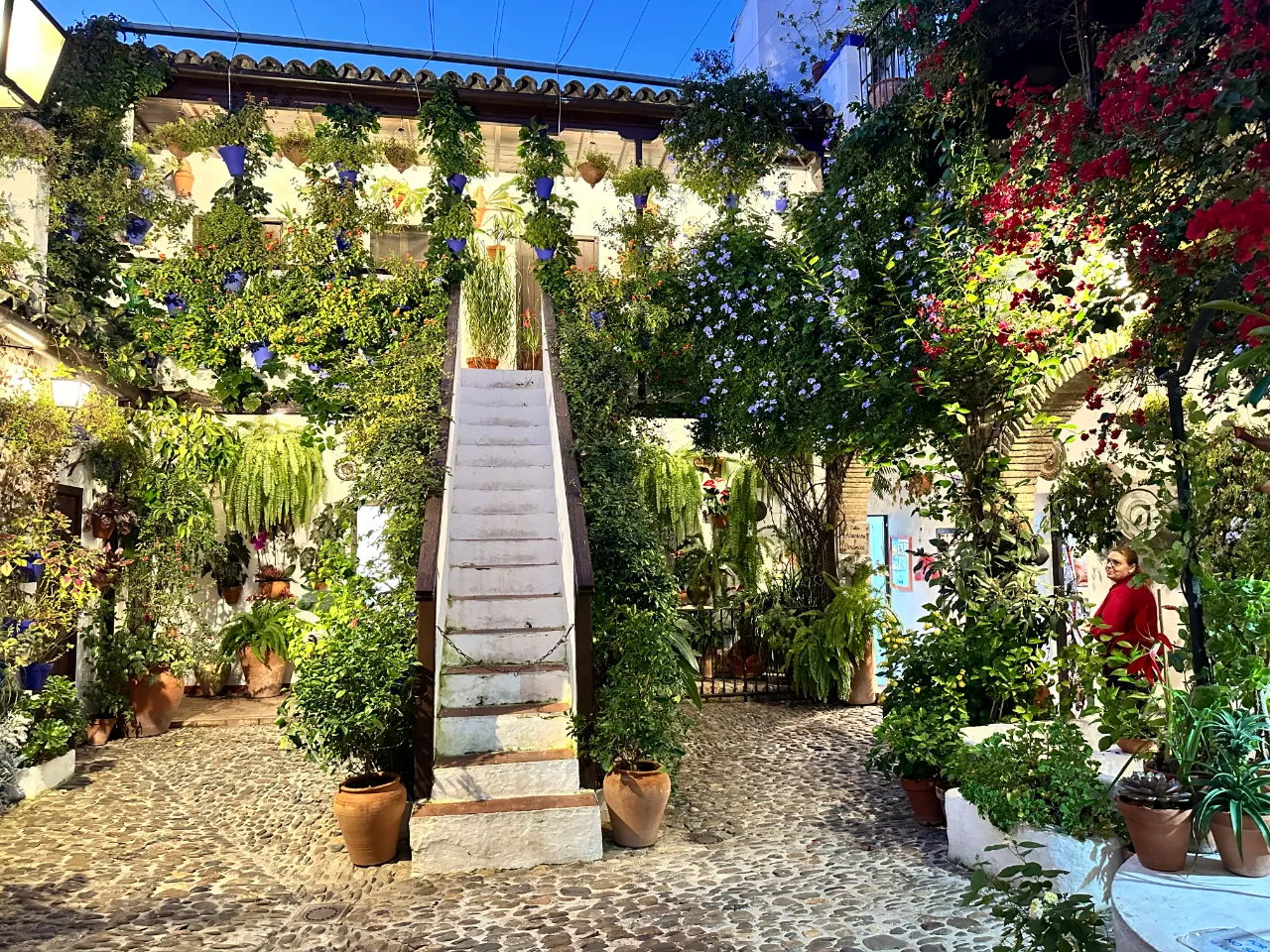
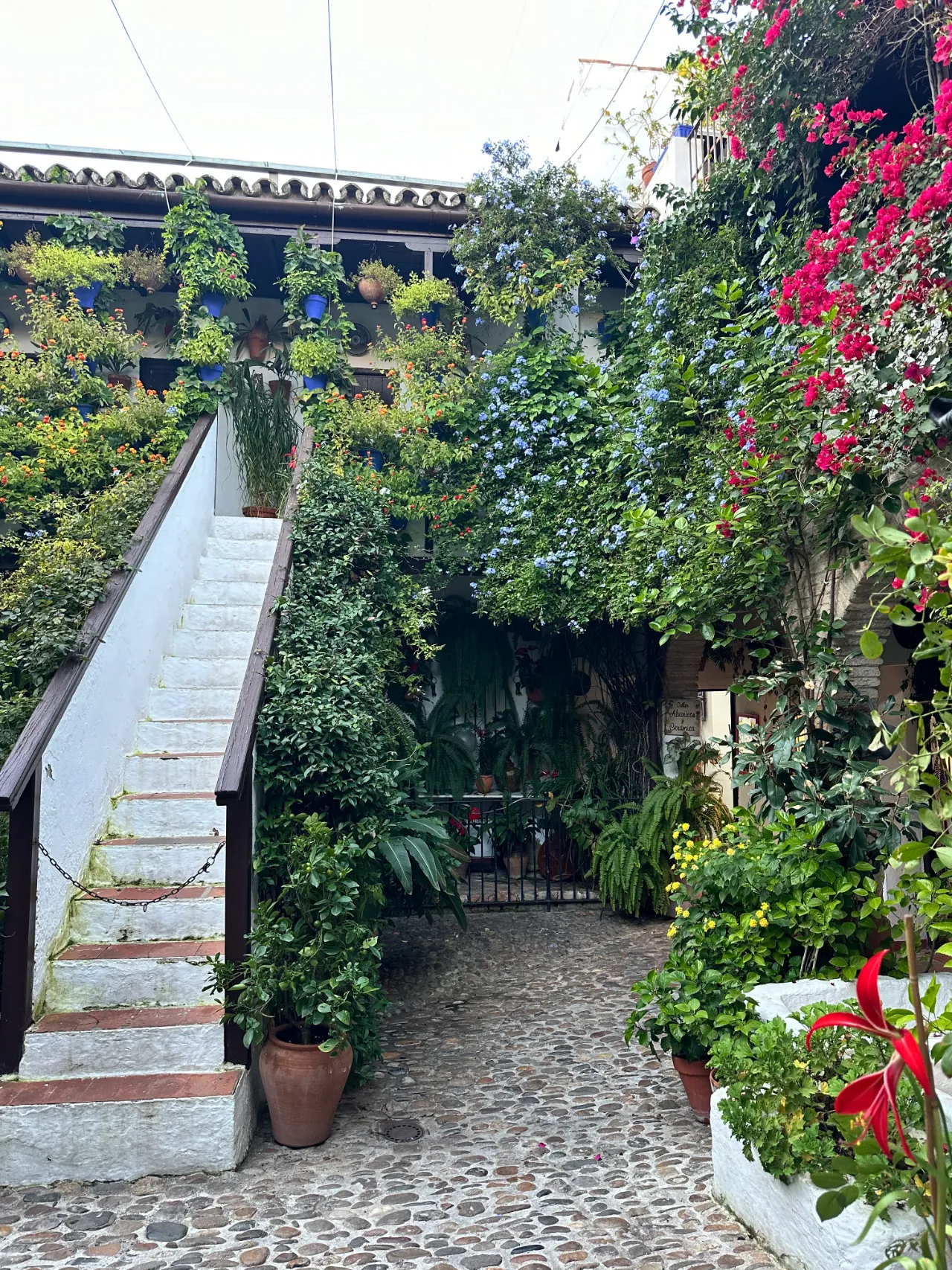
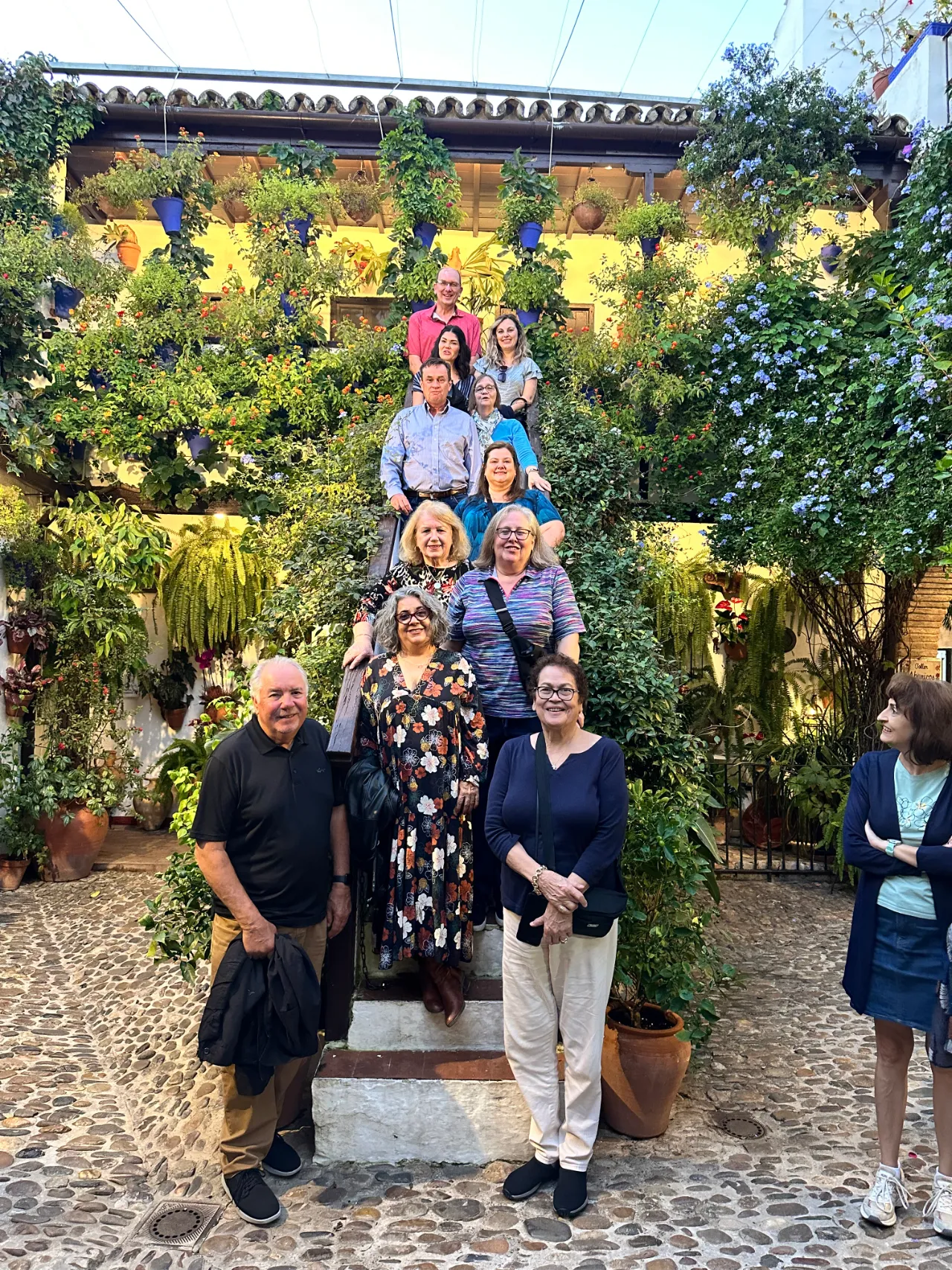
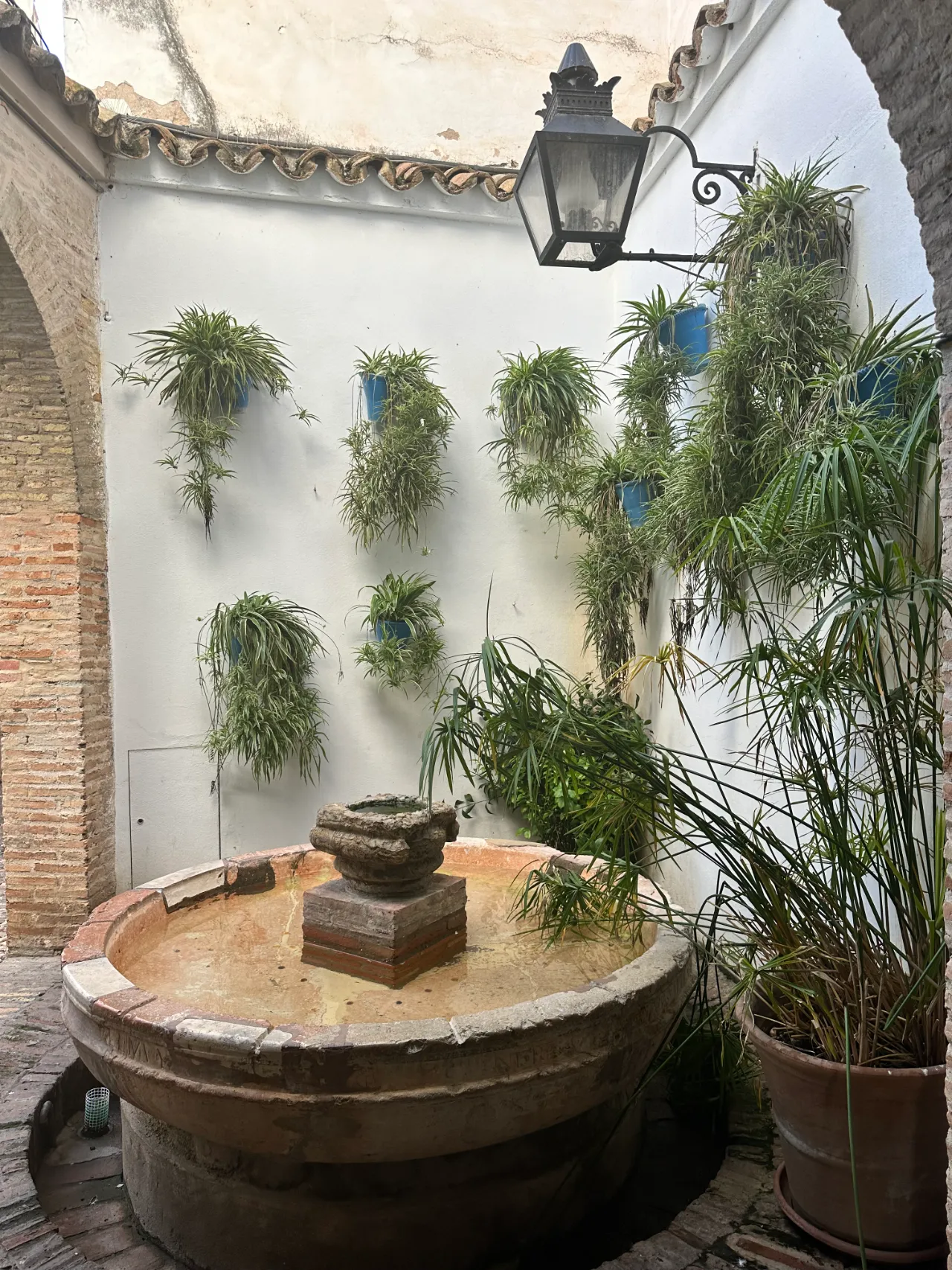
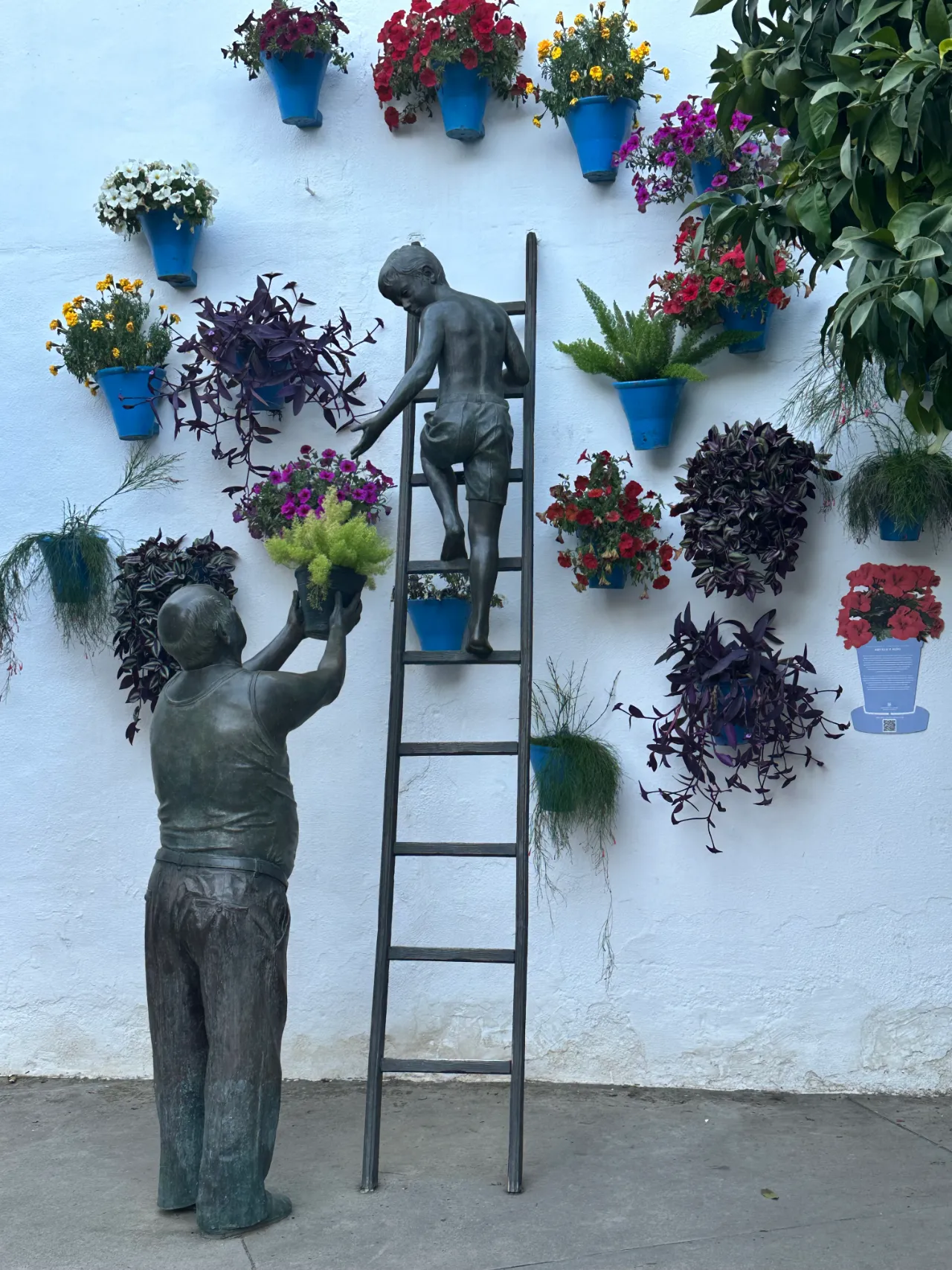
One of Cordoba’s most enchanting traditions is its Patios Festival, a UNESCO-recognized event where locals open their flower-filled courtyards to visitors. But these patios aren’t just for show—they’re also functional. Carefully chosen plants create shade and cool the air, making these courtyards an oasis during the sweltering summer months.
Even outside the festival, many patios remain open to the public year-round, offering a glimpse into the ingenuity and pride of Cordoba’s residents.
The Olive Oil Legacy
Cordoba’s significance as a producer of olive oil dates back to Roman times, and its legacy continues today. The rolling olive groves surrounding the city not only add to its picturesque beauty but also provide some of the finest olive oil in the world. A visit to a local olive mill is a must for any food lover, offering insight into an industry that has sustained the region for centuries.

Why Cordoba Deserves to Be a Stopover Destination
Cordoba is a city that defies easy categorization. It’s a place where ancient traditions meet modern innovations, where every alleyway and courtyard reveals a new story. It’s a destination to get lost in, to embrace local life, and to be touched by the tales of the past.
While the Mezquita-Catedral alone is worth a visit, Cordoba’s true magic lies in its ability to immerse you in a vibrant blend of culture, history, and art. For me, this visit solidified one thing: Cordoba is no longer just a transit point—it’s a destination in its own right.
I, for one, will start suggesting it to my clients as an essential stop in their Andalucian itineraries, especially those seeking a diverse, immersive experience. Cordoba is ready to take its place as a full-fledged star of Andalucia.
Cordoba is more than its cathedral, more than a brief stop on a crowded itinerary. It is a city that invites exploration, reflection, and connection. As someone who has experienced its charm firsthand, I urge travelers to linger a little longer. Cordoba is a destination that deserves to be savored, not rushed. Let’s give Cordoba the status it truly deserves. Will you?

FAQS
FAQs
What is the best time to visit Cordoba?
Spring and autumn are ideal, with pleasant weather and vibrant festivals like the Patios Festival in May.
How many days should I spend in Cordoba?
Two to three days allow enough time to explore the Mezquita-Catedral, wander the streets, and enjoy local cuisine.
What are some unique souvenirs to buy in Cordoba?
Look for handcrafted leather goods, silver filigree jewelry, and locally produced olive oil.
Is Cordoba family-friendly?
Yes, with its mix of historical sites, interactive museums, and welcoming atmosphere, Cordoba offers plenty for families.
Can I explore Cordoba on foot?
Absolutely! The city’s compact size and pedestrian-friendly streets make it perfect for walking.
Cordoba: Not Just a Stop, But a Story Worth Telling
Cordoba isn’t just a place to visit, it’s a city to experience, to feel, to remember. From its captivating history to its vibrant modern life, it’s the kind of destination that transforms a vacation into a lasting memory. Trust me, after walking its streets and soaking in its charm, you’ll leave inspired. So, are you ready to let Cordoba surprise you?
Frequently Asked Questions
1. Is Cordoba worth stopping for, or just passing through?
While Cordoba is geographically positioned as a convenient transit hub on Spain's high-speed AVE network, treating it as a mere stopover is a strategic error for the luxury traveler; it demands an overnight stay to unlock its full potential.
2. What is the Mezquita-Catedral like?
At the heart of Cordoba lies its most iconic attraction, the Mezquita-Catedral. This architectural masterpiece is more than just a tourist magnet—it is a journey through Cordoba’s layered history. Originally a Visigothic church, it was transformed into a grand mosque during the Muslim Caliphate and later reclaimed as a Catholic cathedral.
3. What history will you find in Cordoba?
Cordoba’s charm extends far beyond its cathedral. This city, dating back to the 2nd century, wears its history proudly. From the Roman bridge that spans the Guadalquivir River to the remnants of the ancient city walls, Cordoba’s past is etched into every corner.Yet, the city is not stuck in time.
4. What food and art is Cordoba known for?
Cordoba’s dining scene is a revelation. Hidden within its labyrinthine streets are unassuming restaurants offering some of the best culinary experiences in Andalucia.
5. What are Cordoba's famous patios?
One of Cordoba’s most enchanting traditions is its Patios Festival, a UNESCO-recognized event where locals open their flower-filled courtyards to visitors. But these patios aren’t just for show—they’re also functional.