For the majority of travelers visiting French Polynesia, Half Board (Breakfast and Dinner) is the superior choice over Full Board. This plan offers the best value while maintaining flexibility. Since luxury resorts provide extensive breakfast buffets that often keep guests full well past noon, a heavy three-course lunch (included in Full Board) is rarely necessary. Half Board allows you to enjoy a light poolside snack or explore local dining options during the day without feeling like you are "wasting" a pre-paid meal, while still securing your evening dinner costs at a favorable rate.
Choosing between half board and full board dining options at resorts can impact your vacation experience. This guide will help you understand the differences and make an informed decision based on your preferences, dining habits, and budget.
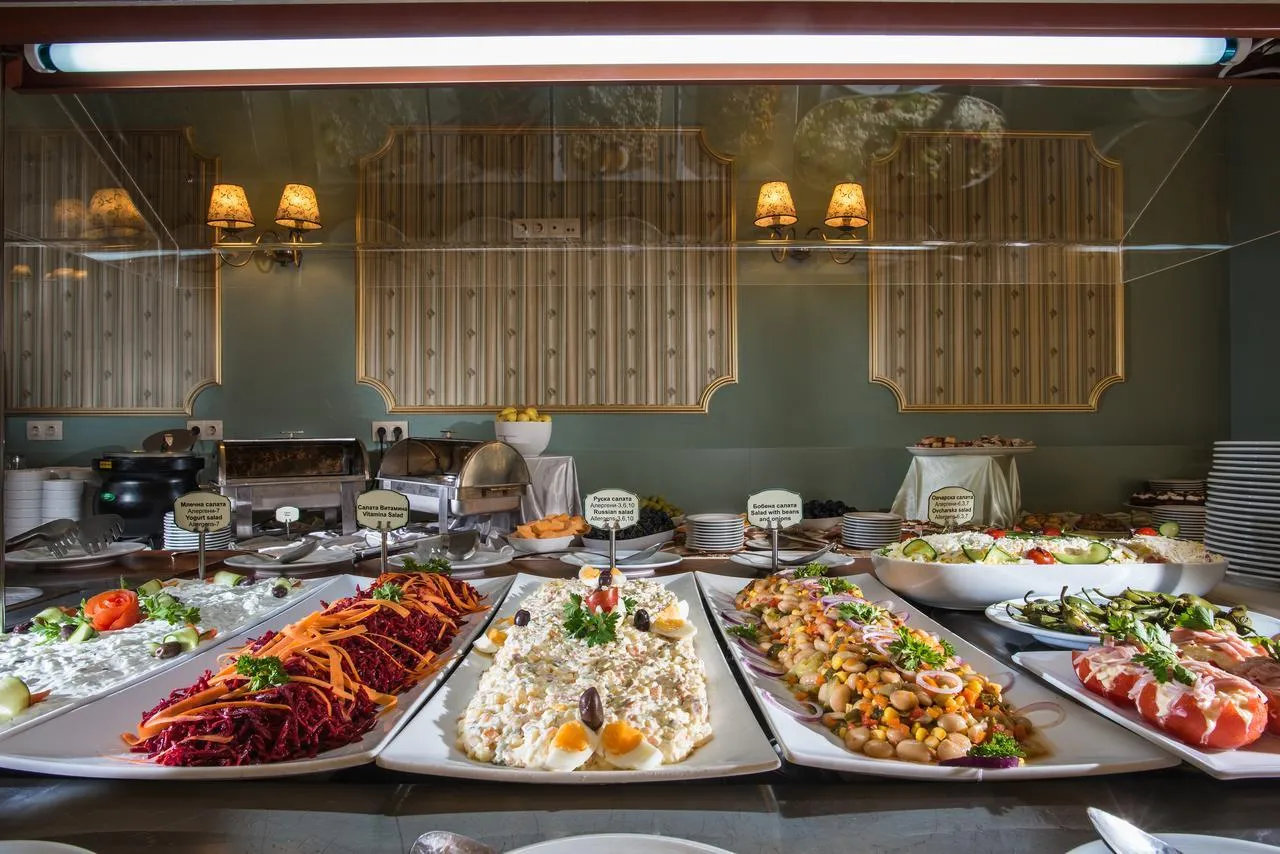
What is Full Board Dining?
A full board package includes breakfast, lunch, and dinner as part of your stay. This option is convenient if you prefer to enjoy all your meals at the resort without worrying about finding restaurants or managing meal expenses during your trip. Full board is perfect for a hassle-free dining experience.
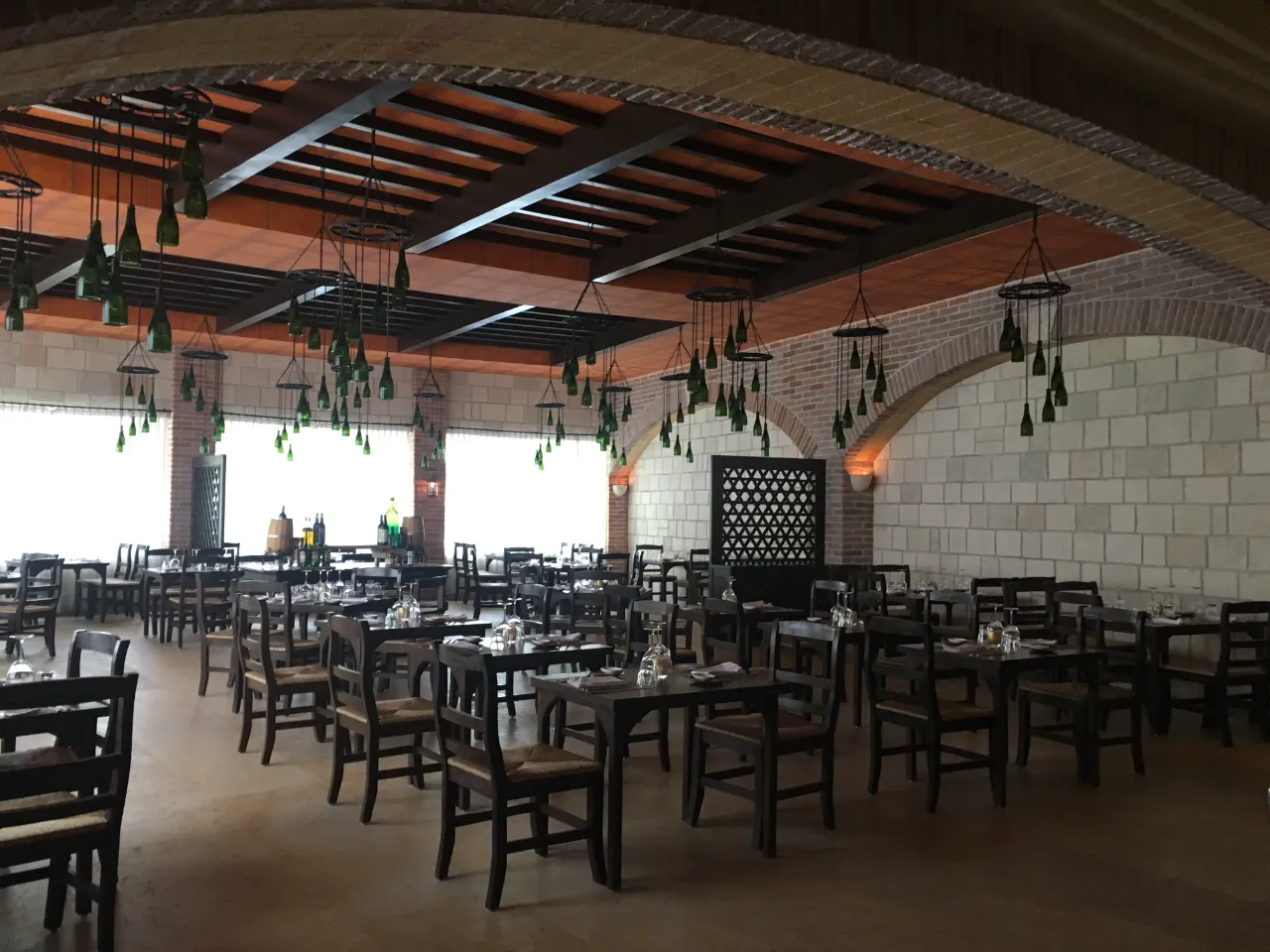

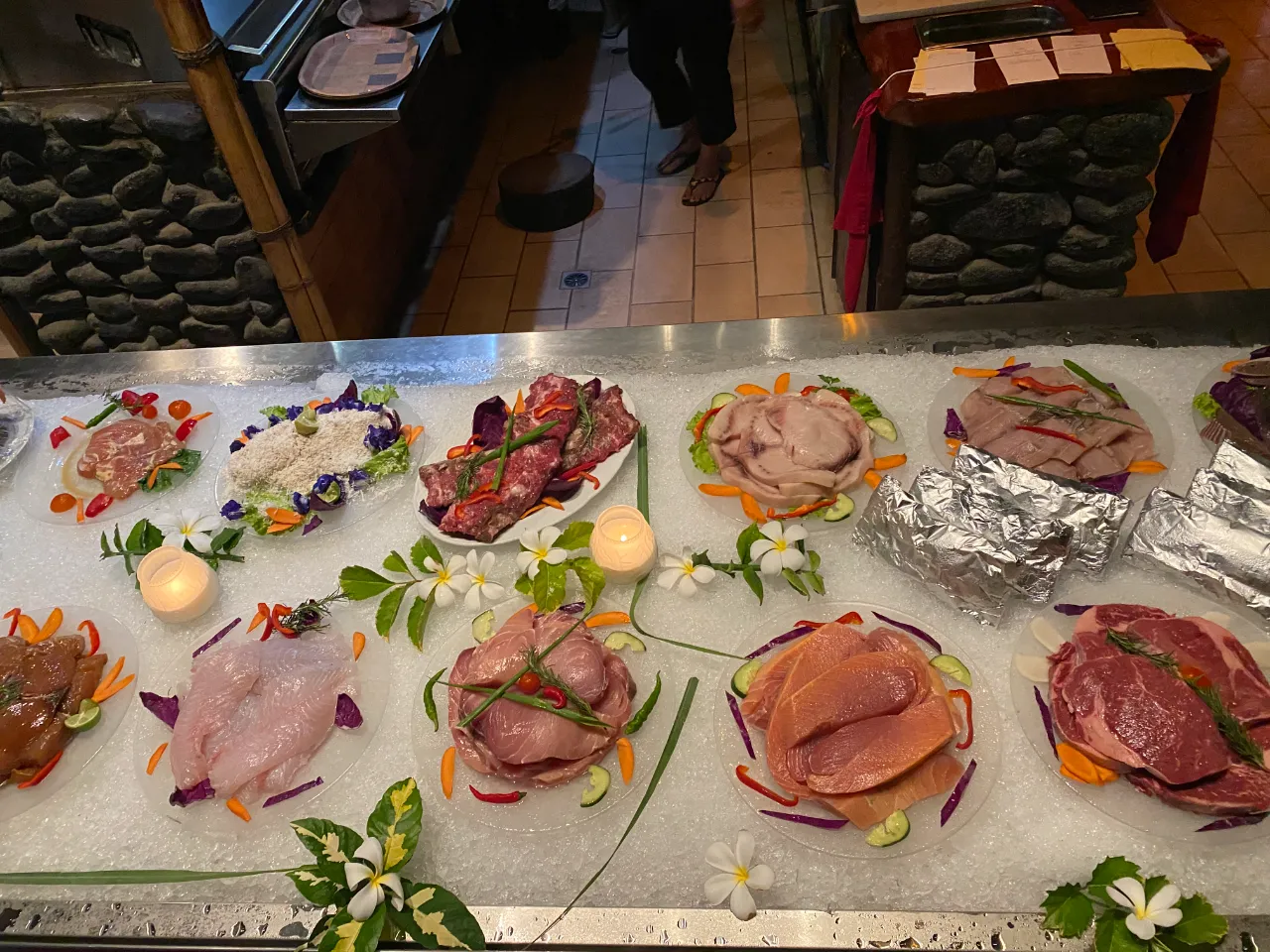
What is Half Board Dining?
With a half board package, your breakfast and dinner are included in your stay, but lunch is left open for you to explore. This option allows you to venture out and try local restaurants or different cuisines during lunch, giving you more flexibility in your daily dining routine.
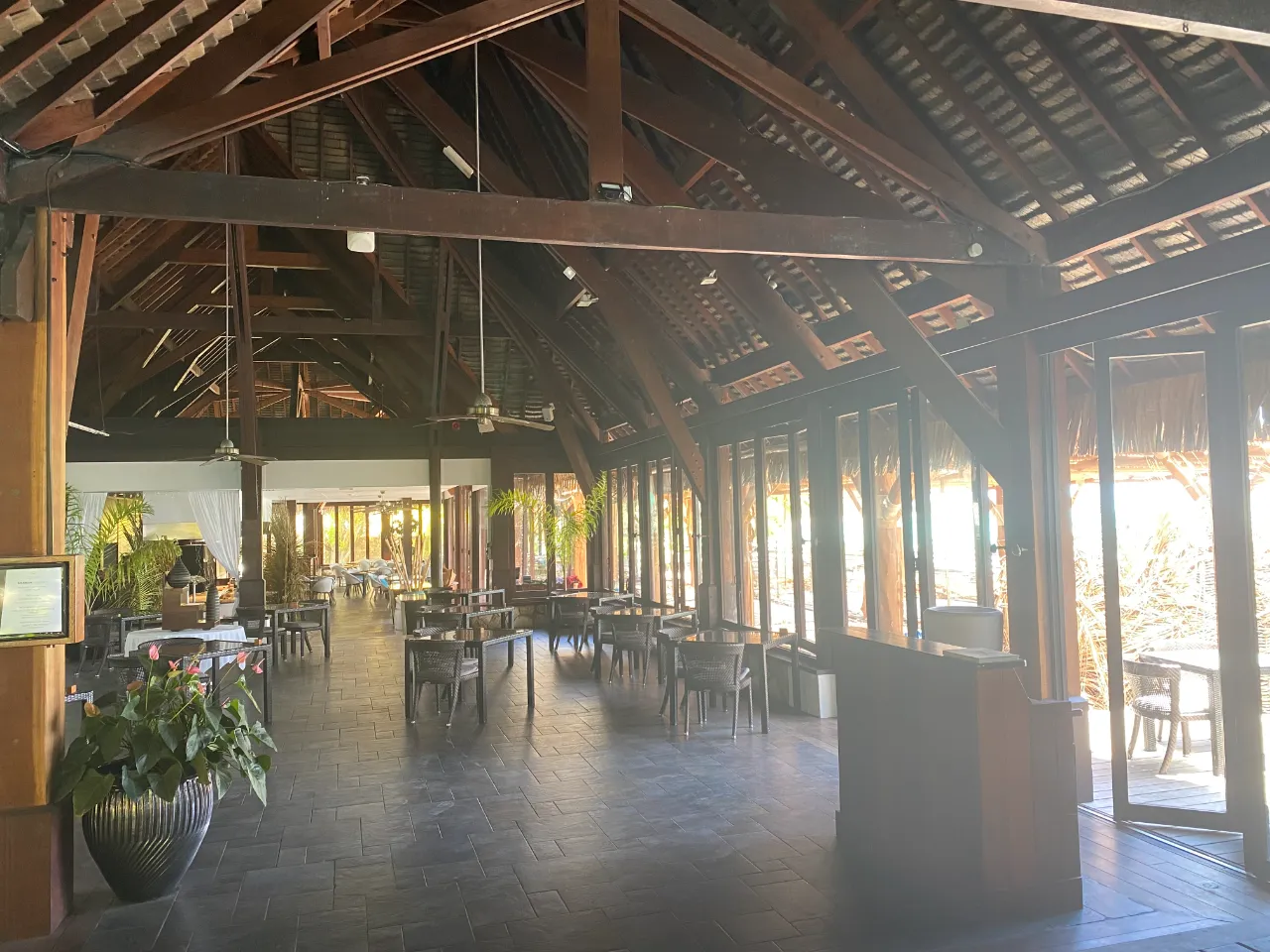
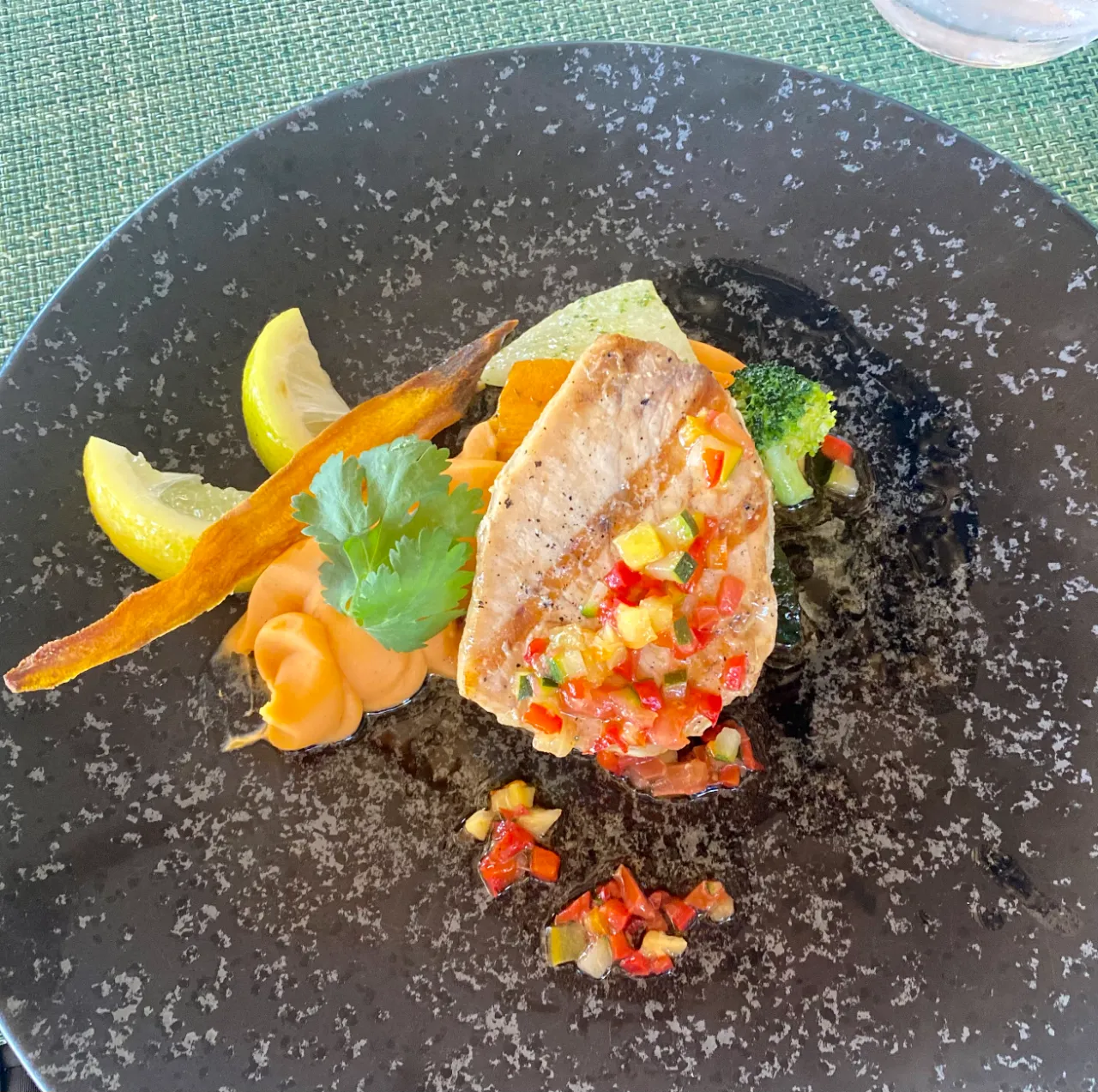

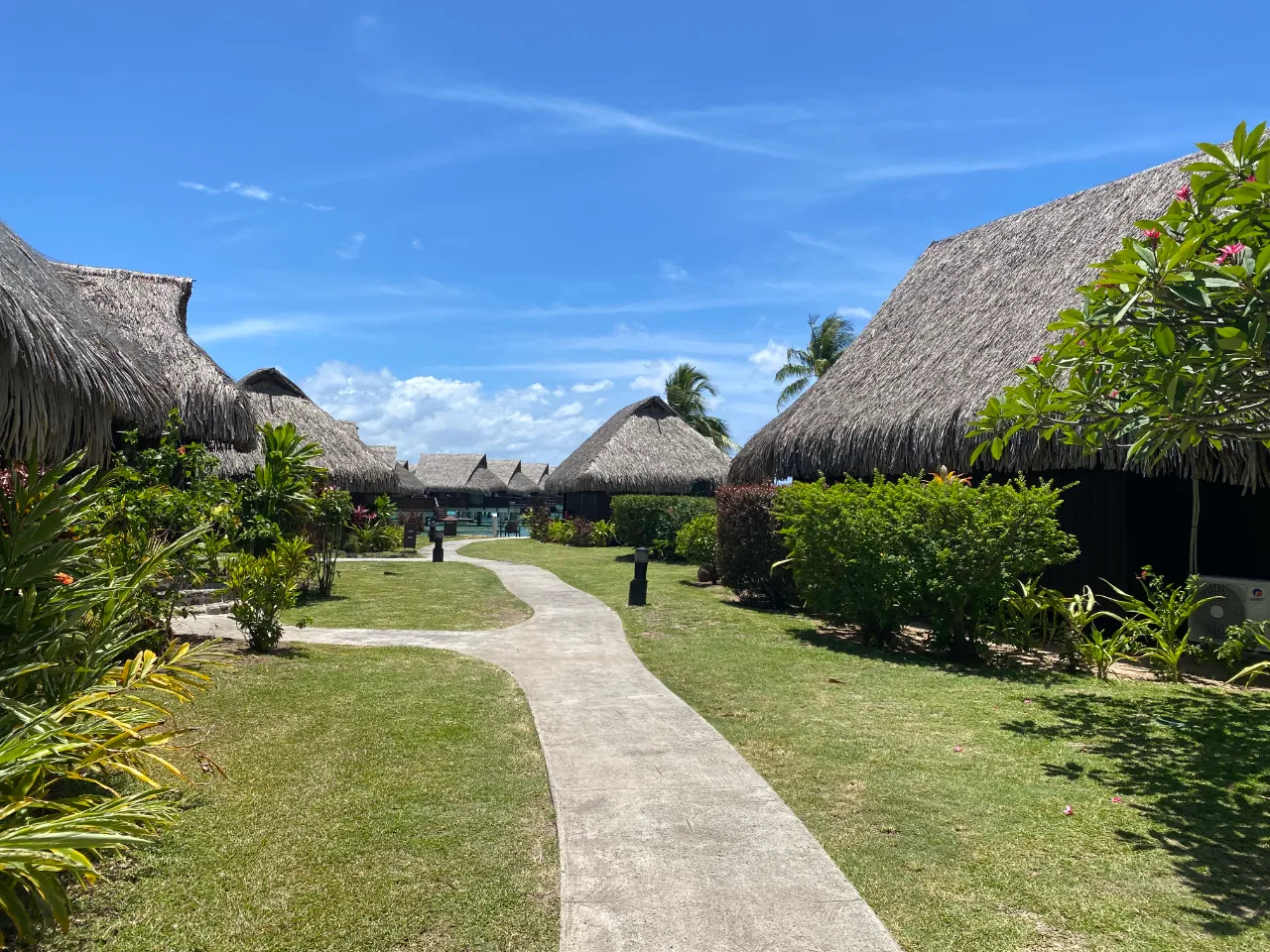
Factors to Consider
Here are the key factors to consider when deciding between full board and half board dining:
Dining Preferences: Do you prefer to have most meals at the resort, or would you rather explore local dining options?
Budget: Full board is typically more expensive because all meals are included. Decide if the convenience of inclusive dining is worth the extra cost.
Activities and Itinerary: If you plan to spend most of your day exploring, half board might suffice. However, if you'll be staying at the resort and want all meals covered, full board is ideal.
Additional Dining Options
Some resorts offer more than just full and half board options. You might also find all-inclusive packages that cover more than just meals or à la carte dining plans for more specific preferences. These options provide even more flexibility and might suit your personal tastes and budget better.
Making the Right Dining Choice for Your Stay
Ultimately, the choice between full board and half board depends on your personal preferences, dining habits, and overall budget. Take into account your daily itinerary and how much time you plan to spend at the resort versus exploring the area. With these factors in mind, you'll be able to choose the option that best suits your ideal vacation experience.
Frequently Asked Questions
1. Should you choose half board or full board?
For the majority of travelers visiting French Polynesia, Half Board (Breakfast and Dinner) is the superior choice over Full Board. This plan offers the best value while maintaining flexibility. Since luxury resorts provide extensive breakfast buffets that often keep guests full well past noon, a heavy three-course lunch (included in Full Board) is rarely necessary.
2. What is Full Board Dining?
A full board package includes breakfast, lunch, and dinner as part of your stay. This option is convenient if you prefer to enjoy all your meals at the resort without worrying about finding restaurants or managing meal expenses during your trip. Full board is perfect for a hassle-free dining experience.
3. What is Half Board Dining?
With a half board package, your breakfast and dinner are included in your stay, but lunch is left open for you to explore. This option allows you to venture out and try local restaurants or different cuisines during lunch, giving you more flexibility in your daily dining routine.
4. What should you weigh up before deciding?
Here are the key factors to consider when deciding between full board and half board dining:Dining Preferences: Do you prefer to have most meals at the resort, or would you rather explore local dining options?Budget: Full board is typically more expensive because all meals are included.
5. How do you decide between the two?
Ultimately, the choice between full board and half board depends on your personal preferences, dining habits, and overall budget. Take into account your daily itinerary and how much time you plan to spend at the resort versus exploring the area. With these factors in mind, you'll be able to choose the option that best suits your ideal vacation experience.

Csilla Dali
Founder & Lead Travel Advisor
Itineraries to consider
Are You Planning Your Next Vacation?
Check out our top recommendations!