The Mediterranean can hold three very different vacations inside the same blue horizon.
One traveler wakes on a large ocean ship with a choice of restaurants, a full theater and a family schedule that runs from morning to night. Another steps from a small ship into a harbor where the waterfront is already part of the day. A third spends the afternoon on a yacht-style terrace, letting the coast, not the entertainment program, set the pace.
All three can be luxurious. They simply place the luxury in different parts of the journey.
The short answer
Choose a luxury ocean ship for the greatest onboard choice, a small ship for intimacy and destination focus, or a yacht-style voyage when outdoor living and the relationship with the sea matter most.
For many travelers, late spring and early autumn offer a useful balance between touring comfort and an active Mediterranean season. July and August suit families tied to school holidays, warm-water lovers and guests who want the region at its liveliest. Weather, crowds and seasonal openings still vary by country, island and year, so no month is guaranteed.
Begin with the places you most want to experience. Then choose the ship that makes those places, and the time between them, feel right.
First decide which Mediterranean you mean
“A Mediterranean cruise” sounds specific until you put it on a map.
The Western Mediterranean may connect Barcelona, the Balearic Islands, Provence, the French Riviera, coastal Italy, Rome, Sicily and Sardinia. The Eastern Mediterranean can include Athens, the Greek islands, Turkey, Croatia, Montenegro, Slovenia and the Adriatic. Some longer voyages connect both, but a typical week requires choices.
Before comparing ships, answer a few human questions:
Are you dreaming of ancient sites, beaches, food or coastal scenery?
Do you want major cities, small islands, or a deliberate mix?
Is Italy the priority, or Greece and the Adriatic?
Would you enjoy staying ashore into the evening?
Do you want time in Spain, France, Italy, Greece or Turkey before or after the sailing?
How many long touring days will feel exciting rather than exhausting?
The itinerary should lead. The ship should support it.
Luxury ocean ship: the most choice onboard
A luxury or premium ocean ship works well when the vessel is meant to be a meaningful part of the vacation rather than only transportation between ports.
Depending on the line and ship, you may have:
several restaurants, lounges and bars;
theater, live music and later-night entertainment;
a large spa and a fuller fitness program;
several pools and more indoor public space;
children’s and teen programming;
a broad range of suites and connecting options; and
more alternatives when heat, wind or rain changes the day.
This flexibility is particularly helpful for multigenerational families and groups of friends. One person can tour ruins at sunrise, another can stay at the spa, and the group can meet for dinner without asking everyone to enjoy the same day.
The tradeoff is scale. Larger ships generally rely on major cruise ports and may tender at some islands. Elevators, gangways and popular venues can be busy. The ship may also be farther from the atmosphere you imagined when you pictured a Mediterranean harbor.
Do not reject a large ship automatically. A well-designed route with long calls or overnights can still provide meaningful time ashore. The useful comparison is the exact port schedule, not a simple large-versus-small label.
Choose a luxury ocean ship when:
the family needs different activities at the same time;
evening entertainment is part of the vacation;
several dining choices matter;
you value larger spas, pools and indoor spaces; or
the ship itself should feel like a resort.

Small ship: intimacy and destination focus
Small ships reduce the distance between you and the sea. They usually carry fewer guests, feel easier to navigate and create a more personal social atmosphere. Their size may allow them to visit boutique ports and yacht harbors that do not appear on large-ship itineraries.
Seabourn, Silversea, Windstar, SeaDream and other small-ship lines interpret the category differently. Some are all-suite and highly inclusive. Some are casual and outdoorsy. Some emphasize food, expedition capability or water access. “Small ship” describes scale, not one standard experience.
Evenings tend to be quieter. Dining, conversation and live music matter more than large productions. That can suit couples and curious travelers who expect the destinations to carry most of the day.
The tradeoff is range. There may be fewer restaurants, less nightlife, limited children’s programming and a smaller spa or pool area. A small ship can also tender when a port has no suitable berth. Mobility, steps, sea conditions and tender comfort should be discussed before booking.
Choose a small ship when:
the itinerary matters more than large-scale entertainment;
you prefer fewer guests and an easier-to-learn ship;
intimate dining and conversation sound appealing;
boutique ports matter; or
you are comfortable with a quieter evening rhythm.
Yacht-style voyage: the sea becomes part of the day
Yacht-style cruising has its own rhythm. Terraces, outdoor living, marina platforms and the movement of the coast can play a larger role than a formal activity schedule.
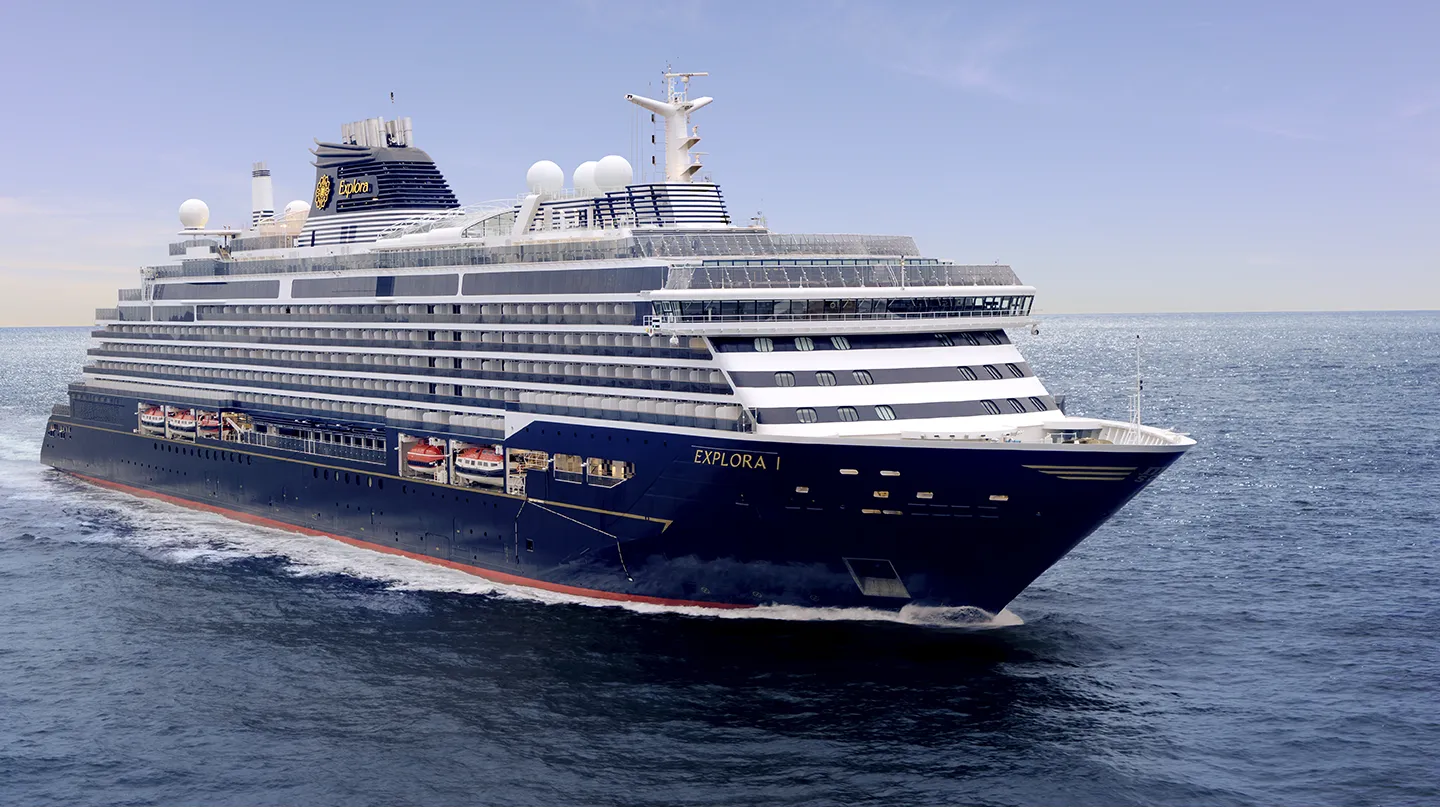
The Ritz-Carlton Yacht Collection, SeaDream, Windstar, Sea Cloud, Scenic Eclipse and other yacht or yacht-like products offer very different versions of the idea. Explora Journeys is larger but uses private-yacht-inspired design and spacious oceanfront living.
Some vessels feel like intimate hotels. Some sail. Some offer marina access or water sports when the yacht is at anchor and conditions and local rules allow. These features should always be treated as conditional, not promised parts of every day.
Yacht-style voyages are especially appealing along the Greek islands, Croatia, the French and Italian Rivieras, Sicily, Sardinia and the Balearic Islands. Smaller coastal stops and long outdoor evenings can make the sea feel like part of the destination.
The tradeoff is sensitivity. Tender operations, marina use, water sports and port calls depend on weather, sea state, local permissions and the exact voyage. A yacht-inspired design also does not guarantee a tiny guest count, so check the vessel rather than relying on the word “yacht.”
Choose a yacht-style voyage when:
terraces and outdoor life matter more than shows;
the coast and water are central to the trip;
you prefer cocktails and conversation to a large theater program;
smaller harbors are a priority; or
you want a luxury-hotel feeling at sea.
Which month is best for a Mediterranean cruise?
There is no single best month. There is a better month for your desired pace, temperature and reason for traveling.
April and early May
Spring can suit travelers interested in cities, archaeological sites, gardens and long walking days. Greece’s official tourism guidance describes a Mediterranean climate with local variation, while Italy’s tourism site highlights spring for favorable conditions and outdoor exploration.
The sea may still feel cool. Some seasonal island businesses can be quiet, and weather can change quickly. This is a touring choice more than a guaranteed beach vacation.
Late May and June
Days are longer, temperatures generally rise and more seasonal venues are open. For many travelers this period offers an appealing combination of active destinations and manageable touring conditions, although demand and heat build as June progresses.
It is a strong window for travelers who want both cultural days and time by the water. Popular suites, hotels and private guides can still sell early.
July and August
Peak summer is hot, busy and energetic. School calendars make it practical for many families, beaches are active and the warm sea becomes a larger part of the trip.
Historic sites and long inland excursions can be difficult in midday heat. Plan private touring early, build in shade and rest, and avoid treating every port as an endurance test. The right suite, transfer plan and pacing matter more than adding one more stop.
September
September often appeals because the sea may retain summer warmth while the sharpest heat can begin to ease. Destinations remain active, but the month is still popular; do not assume it will be empty or inexpensive.
Conditions vary across the region and from year to year. A late-September Adriatic voyage and an early-September Greek-island sailing are not the same weather decision.
October and later
October can be rewarding for food, culture and less pressured touring. Italy’s official tourism guidance describes spring and autumn as well suited to exploring Sicilian towns, landscapes and festivals in a calmer atmosphere.
Temperatures and rain become less predictable, daylight shortens and seasonal venues may wind down. Southern routes often remain warmer longer than the northern Adriatic. Cruises deeper into autumn and winter are best approached as cultural journeys, not guaranteed beach trips.
Western or Eastern Mediterranean?
Choose the Western Mediterranean when:
Barcelona, Provence, the French Riviera, Rome or Tuscany lead the wish list;
major art cities matter before or after the cruise;
you want urban culture, food and coastal glamour in one route; or
strong international air connections would simplify the trip.
Choose the Eastern Mediterranean when:
the Greek islands, ancient history and Adriatic scenery are priorities;
Istanbul, Ephesus, Athens, Dubrovnik or Kotor matter most;
island time and smaller harbors appeal; or
you are open to ferries, private transfers or domestic flights in a more complex extension.
Neither region is better. They are different journeys. A traveler dreaming of Santorini will not be satisfied by a beautiful itinerary that never leaves the Western Mediterranean.
How many ports are too many?
A new port every day looks impressive on a map. It can feel like a series of alarms once you are aboard.
Some Mediterranean calls lead to substantial overland travel. Ships use Civitavecchia as a gateway for Rome and Livorno or La Spezia for Florence and Tuscany. A tender adds another layer of time. The name in the brochure may be the destination you can visit, not the place where you step ashore.
Look for a rhythm that fits your energy:
a sea day after several intensive calls;
late departures where dinner ashore matters;
an overnight in a major city;
smaller coastal stops between long touring days;
private guides when pace control matters; and
permission to stay aboard when another full-day excursion would diminish the trip.
More ports do not automatically create more experience. Sometimes the most luxurious choice is enough time to notice where you are.
Which ship style fits your trip?
Honeymoon or anniversary
A small ship or yacht-style voyage can offer intimacy, terraces and a slower social rhythm. An all-suite luxury ocean ship can be equally compelling when fine dining, a larger spa and several evening choices matter.
Family with children or teenagers
A larger ocean ship often makes the vacation easier because youth programs, pools, entertainment and room arrangements provide more options. Explora Journeys is a more luxury-led family-capable choice, but the exact youth arrangements and connecting suites should be checked.
Food and wine travelers
Prioritize late stays, market access, strong culinary programs and land time in the right regions. Do not choose from a chef partnership alone. Check which restaurants are included, how often menus change and whether the itinerary leaves room for food experiences ashore.
Travelers who dislike crowds
A small ship or yacht-style route with boutique ports is the strongest starting point. Shoulder-season dates can help, but a small ship does not make a famous island empty. Port schedules and arrival timing still matter.
Friends who want nightlife
Celebrity, Virgin Voyages and other larger ships can provide more evening energy. A yacht-style ship works when the group prefers a sophisticated bar, conversation and time outdoors rather than a long entertainment schedule.
Build the land journey around the cruise
The Mediterranean deserves more than an airport-to-ship transfer.
A Barcelona sailing can pair with Madrid, Mallorca or the Catalan countryside. Rome can lead into Tuscany, Umbria or the Amalfi Coast. Athens can connect to a quieter island. Venice can be combined with the Dolomites, the lakes or Slovenia.
The best extension is not automatically the embarkation city. It should add something the cruise cannot provide, give your arrival breathing room and avoid repeating the same place in a rushed way.
For most long-haul travelers, arriving at least two or three nights before embarkation is sensible. It reduces the risk of a flight disruption causing a missed ship and gives the first destination the attention it deserves.
How Evyssa plans the Mediterranean
Evyssa compares the actual ship, suite, ports, docking or tender pattern, season and time ashore. We look at the whole party: who wants history, who wants water, who needs a slower day and who will be happiest when the ship comes alive at night.
Then we connect the voyage with flights, hotels, private transfers, guides and special arrangements. Explore Evyssa’s cruise planning, small-ship cruising, ocean cruises and European cruise ideas.
Tell us which Mediterranean places matter most and how you want the ship to feel. We will design the cruise and land journey around you.
What is the best month for a Mediterranean cruise?
May, June, September and early October suit many travelers, but there is no universal best month. Spring and autumn can be comfortable for touring. July and August are hotter and busier but practical for school holidays and warm-water time.
Is a small ship better in the Mediterranean?
It is often better for travelers who value intimacy and smaller ports. A larger ship is usually better for families, nightlife, entertainment and a wider range of dining and amenities.
Is September a good time to cruise the Mediterranean?
It can be. The sea may remain warm while peak heat begins to ease. September is still popular, and weather varies by region and year, so book desirable ships and hotels early and keep guidance qualified.
Which is better, the Eastern or Western Mediterranean?
Choose the Western Mediterranean for Spain, the French Riviera and western Italy. Choose the Eastern Mediterranean for Greece, Turkey, Croatia and Montenegro. Your priority destinations should decide.
Do Mediterranean cruises visit Rome and Florence directly?
Usually not. Ships use gateway ports such as Civitavecchia for Rome and Livorno or La Spezia for Florence and Tuscany. The road or rail time must be built into the day.
Are yacht-style cruises good for families?
Some are. Explora Journeys has structured youth spaces, while many smaller yacht-style products have a more adult-led atmosphere. Verify ages, facilities, room occupancy and sailing-specific programming.
Do small ships always dock in the center?
No. Smaller vessels can access more ports, but they may still anchor and tender. Berth assignment depends on the port, ship and conditions.
How long should I stay before a Mediterranean cruise?
At least two or three nights is sensible for most international arrivals. A longer stay works when you want a true land journey rather than only a buffer before embarkation.
---

Csilla Dali
Founder & Lead Travel Advisor
Itineraries to consider
Are You Planning Your Next Vacation?
Check out our top recommendations!