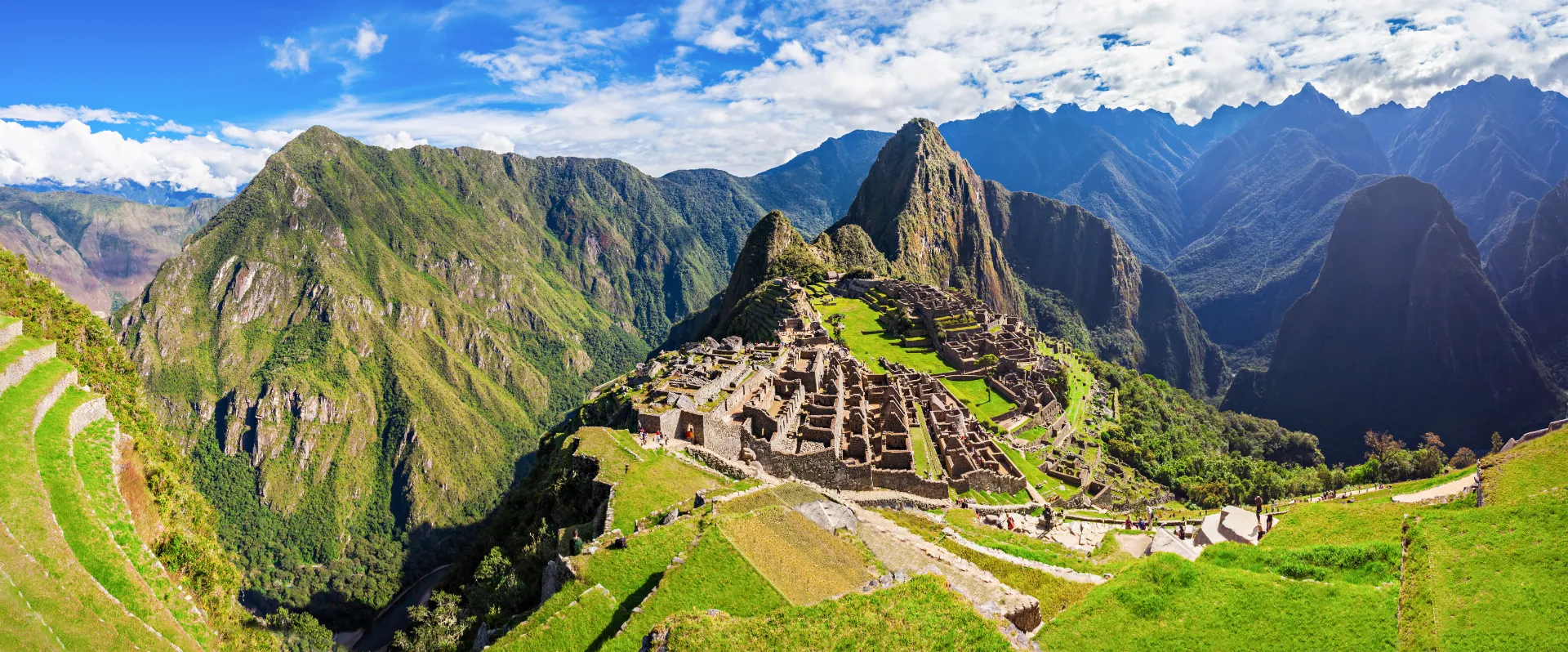
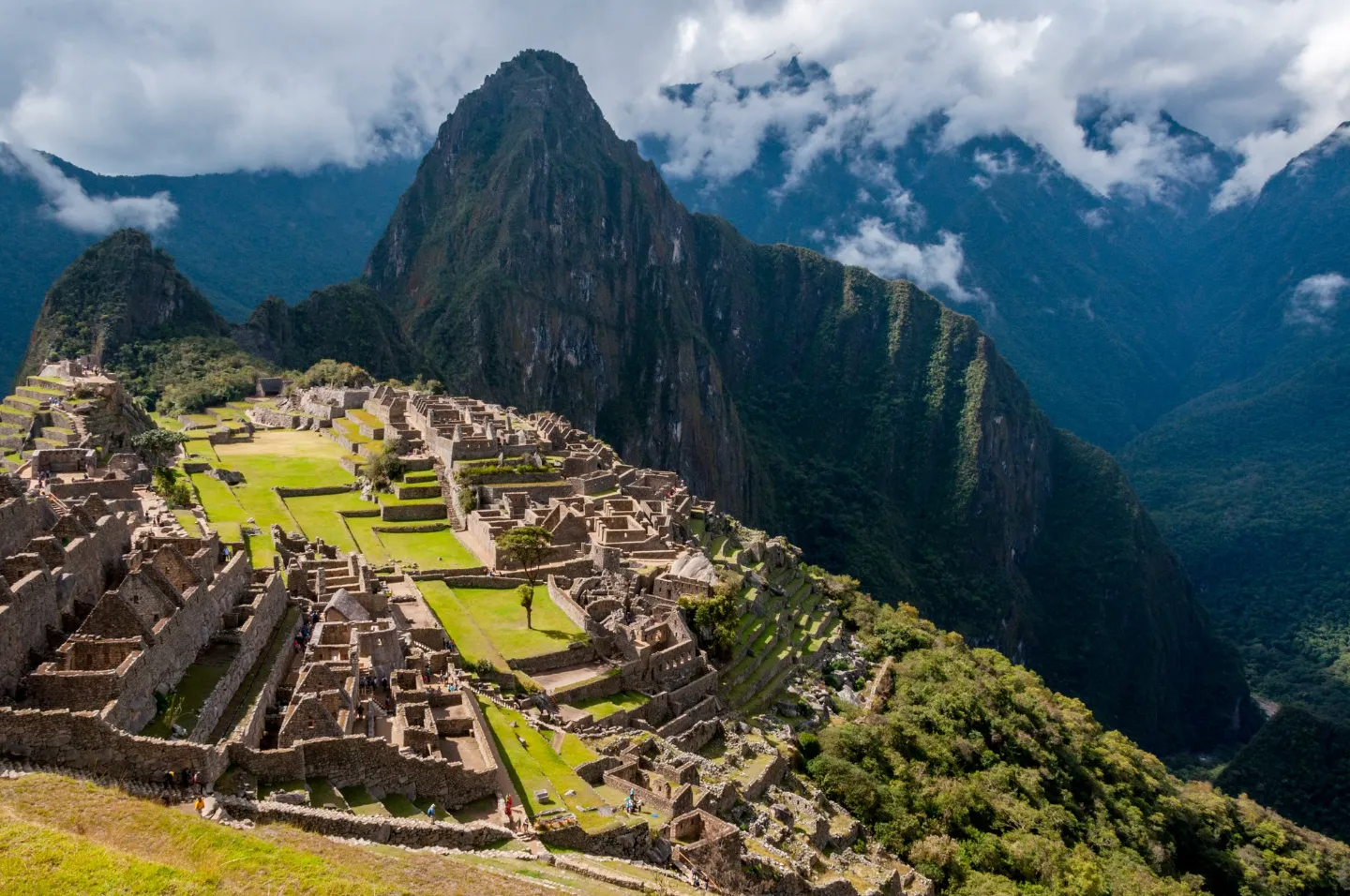
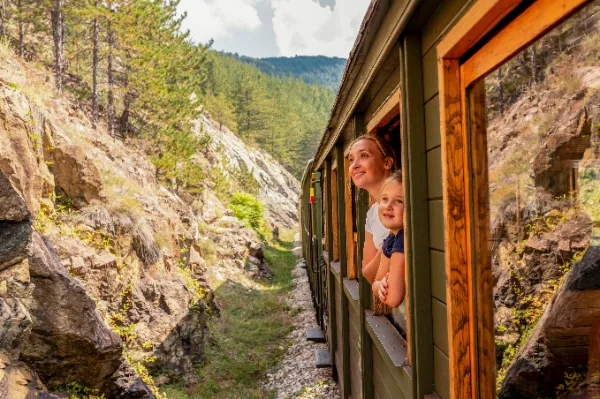
Hiram Bingham turns the railway to Machu Picchu into part of the celebration. Polished carriages, Peruvian dining, live music and an observation car can make the journey feel very different from ordinary transportation. Yet the train earns its place only when the complete Machu Picchu day works.
The glamorous details are easy to see. The harder questions concern entrance tickets, visitor circuits, station transfers, bus arrangements, guiding, luggage and how much time the selected journey allows. Those details decide whether the day feels beautifully composed or unnecessarily complicated.
The short answer
Hiram Bingham can be worth it for travelers who value the journey as much as the destination and will enjoy its dining, drinks, live entertainment and social atmosphere. It is less persuasive when the only goal is the fastest or most flexible transportation to Machu Picchu Pueblo.
Judge it as one part of a complete day. Belmond's current information says a Hiram Bingham train ticket does not guarantee entry to Machu Picchu. The entrance date, time, circuit and route must align with the exact train direction, bus, guide, hotel, luggage and transfers. Do not let the train's famous name hide an unfinished plan.
What the experience currently includes
Hiram Bingham is a luxury day train rather than a sleeper. Its current overview describes 84 seats, Peruvian fine dining and wines, an observatory carriage, live music and journeys departing from Cusco, Pachar or Rio Sagrado, depending on direction and date.
The current Cusco-to-Machu Picchu journey page gives a useful example. It lists brunch and cocktails aboard, live music and dance, an upbound bus from Aguas Calientes to the citadel, a guide for up to eight people in English or Spanish, VIP lounge access and a “Tea Time” experience at Sanctuary Lodge. Published rail timings are approximate.
That example should not be treated as a universal inclusion list. A return journey may have a different meal, bus direction, timing or program. A departure from Pachar or Rio Sagrado is not the same as one from Poroy. Confirm the written itinerary for the exact journey before describing what the traveler will receive.
The experience is deliberately social. Dining, beverages and music are not background extras; they are part of the value. Travelers who would prefer quiet, privacy or an entirely independent day should compare the real format with other rail choices rather than paying for elements they do not want.

Where the value comes from
The first source of value is time aboard that feels purposeful. Instead of treating the railway as a gap between hotel and ruins, Hiram Bingham creates an occasion. The route through the Sacred Valley, the meal and the observation carriage give the transition its own identity.
The second is coordination. When transfers, rail, bus and guiding are confirmed as one coherent sequence, the day can carry fewer loose ends. That does not mean everything is automatically included. It means the right written arrangement can reduce friction.
The third is emotional. A milestone birthday, anniversary, honeymoon or long-awaited family journey may justify a more ceremonial arrival. Value is personal here. The same music and service that delight one traveler may feel excessive to another.
The fourth is fit within the entire Peru vacation. If Hiram Bingham connects the right hotel, direction and Machu Picchu plan without rushing, it can strengthen the itinerary. If it forces a weaker circuit, an inconvenient station, too little time at the site or an awkward hotel move, its prestige may not compensate.
Do not measure value only by what is served. Ask what the choice changes in the traveler's day and what else the trip must give up to accommodate it.
Machu Picchu admission is a separate decision
This is the most important fact in the article: the train ticket does not guarantee entrance to Machu Picchu. Belmond states it on the current Hiram Bingham page, and Peru's Ministry of Culture controls official admission.
Machu Picchu currently uses three principal circuits divided into multiple routes. They do not show the same terraces, viewpoints or archaeological areas. Some routes operate only in high season. Availability is limited by date and time.
The complete plan must name the exact entrance ticket rather than say only “Machu Picchu included.” Confirm:
the correct traveler name and passport details;
the date and entry time;
the circuit and route;
whether the route suits the traveler's interests and mobility;
the bus direction and timing;
the guide and language;
the meeting point after the visit;
what happens if rail timing changes.
The current official ticket system is Tu Boleto, run by Peru's Ministry of Culture. An advisor or operator may arrange the ticket, but the final travel documents should still state exactly what has been secured. A train seat and an entrance ticket are separate pieces even when sold inside a broader itinerary.
Choose the right direction and gateway
Hiram Bingham currently offers journeys in both directions and from different Sacred Valley or Cusco-area stations. This affects far more than the view.
An outbound journey can make the arrival at Machu Picchu feel like a crescendo. A return journey can turn the trip back into the celebration after the archaeological visit. Neither is inherently better. The right direction depends on hotel nights, the chosen circuit, how long the traveler wants at the site and what the next day requires.
The station matters too. Poroy, Ollantaytambo and Rio Sagrado sit in different places. A traveler staying in the Sacred Valley may not benefit from returning toward Cusco for a particular departure. A traveler based in Cusco may need a protected road transfer to another station. Confirm the exact departure point, collection location and travel time rather than using “Cusco” as a catch-all.
The current Belmond pages say transfers to and from the train are a feature, but the origin, destination and conditions belong in the written confirmation. Ask whether the transfer begins at a specific hotel, at a lounge, or at a defined meeting point.
Fit the train around time at the site
A premium train should not quietly reduce the part of the day that matters most. Compare the actual arrival, bus, entry and visit schedule with the traveler's priorities at Machu Picchu.
Some travelers want a guided first visit and a night near the site, followed by another entrance on a different route the next day. Others are comfortable with a well-structured day trip. A photographer may care about a particular viewpoint; a history-focused traveler may care more about the lower archaeological areas. A traveler with limited walking tolerance needs a route selected for reality, not popularity.
If the journey includes a guide, confirm how many guests share that guide and whether the circuit is predetermined. Belmond's current outbound page says a guide for up to eight people, subject to the exact journey. A private guide may still be preferable when pace, language, mobility or specialist interest matters.
Allow for approximate railway timing. Do not place a difficult-to-replace flight or another important fixed event immediately after the return. One quiet hotel night can protect an expensive day better than an ambitious connection.
Who is most likely to love Hiram Bingham?
It is a strong fit for travelers who enjoy polished service and social energy. They want the meal, music and carriage atmosphere to be part of the memory. They may be celebrating, introducing a family member to Peru or treating Machu Picchu as the emotional center of the vacation.
It can also suit travelers who value a more managed sequence. When the exact inclusions are clear, the combination of train, bus and guiding can make the day easier to understand. The traveler still needs a full written plan, but fewer unrelated bookings may reduce friction.
It may not suit someone who dislikes live entertainment, prefers silence, wants maximum schedule flexibility or would rather direct the budget toward private guiding and a longer stay. A less elaborate train can be the more luxurious choice when it creates a calmer, more personalized visit.
The decision should also respect the wider trip budget. No current supplier price should be copied into evergreen website copy. Compare the confirmed complete cost at booking time with the hotels, guides and experiences it displaces. A famous day is not good value if the surrounding itinerary becomes thin.
Practical details to confirm before booking
Ask for the exact journey name and direction first. Then request an itemized written description of the day. It should show the station, transfer, lounge, onboard meals and beverages, arrival, bus, entrance ticket, circuit, guide, Sanctuary Lodge component, return and final transfer.
Discuss diet early. A luxury train kitchen has limits, and an allergy or strict dietary requirement should never be left to the day of travel. Obtain written confirmation of what can be accommodated.
Check mobility across the whole chain. The challenge may be the station, carriage steps, bus, site route or uneven ground rather than the train seat. A general claim that assistance is available is not enough; describe the actual aid and the traveler's needs.
Plan luggage before leaving the hotel. Larger bags may need to transfer separately to the next property. Keep passports, entrance documents, medication, valuables, weather layers and essential items with the traveler.
Finally, recheck all timings when final documents arrive. Railway operations can change. A good plan has enough space to absorb an adjustment without losing the entrance or onward hotel arrangement.
Treat every inclusion as a line in a chain. If a package says “transfer,” identify the starting hotel and final drop-off. If it says “guide,” record the language, group size, meeting point and circuit. If it says “bus,” confirm whether it is upbound, downbound or both. A complete written day should make sense to someone who did not design the trip.
Build a weather plan without promising control. Rain, sun and temperature can change clothing, walking comfort and photographs. Keep a light layer, rain protection, sun protection, water and essential medication accessible. The chosen Machu Picchu route may have limited shelter or uneven steps, so packing should reflect the site rather than the dining car alone.
Consider whether one or two entrances best serve the traveler. A single well-guided visit can be enough. A second entry on another day can give more time or a different route, but it adds ticket, hotel and physical demands. Never imply that a second ticket is automatically available; it requires its own government-controlled reservation.
Keep passport details consistent across the rail, admission and hotel records. Machu Picchu tickets are name-sensitive, and a small mismatch can create a serious problem. Review final documents line by line while there is still time to correct them.
The return needs the same care as the arrival. Confirm who meets the guest after the train, where luggage has gone and whether the hotel is prepared for a late check-in. A celebratory day should end at a protected room, not at an uncertain curb.
Ask what happens if one piece changes. If the train timing moves, who protects the entrance? If a bus is delayed, how is the guide contacted? If weather makes the selected route uncomfortable, is there any permitted alternative? Not every risk has a flexible solution, but knowing who holds responsibility is better than discovering a gap on the platform.
Give every traveler a simple day summary with the essential times, documents, meeting points and contacts. Keep the supplier's full confirmation available, but make the immediate next step easy to find. Luxury is not more paperwork; it is fewer moments of uncertainty. That matters.
Decide from the complete Machu Picchu day
Hiram Bingham is worth it when its food, atmosphere and service are things the traveler genuinely wants—and when the ticket, circuit, bus, guide and transfers form one protected sequence.
Evyssa can compare the current directions and build the hotels, admission, guiding and luggage plan around them. Explore Evyssa's custom rail vacations.
Does Hiram Bingham include a Machu Picchu ticket?
Do not assume so. Belmond states that a Hiram Bingham train ticket does not guarantee entrance. Confirm the separate government-controlled ticket, including circuit, route, date and entry time, in writing.
Is Hiram Bingham a sleeper train?
No. It is a luxury day train with reserved seating, dining, drinks, live entertainment and an observation carriage. Andean Explorer is Belmond's sleeper train in Peru.
Does the train go directly to the citadel?
No. The rail journey reaches Aguas Calientes, also called Machu Picchu Pueblo. Travelers then use a bus to reach the citadel. Confirm whether the correct bus direction is included for the selected journey.
Should we travel outbound or return on Hiram Bingham?
Choose the direction that best protects the Machu Picchu visit and hotel plan. Outbound builds anticipation; return can create a celebratory finale. The selected circuit, entry time, gateway hotel and station may decide more than mood.
Can Hiram Bingham work for travelers with reduced mobility?
Possibly, but the whole route must be checked. Ask about station access, carriage steps, bus boarding, the selected Machu Picchu circuit, walking surfaces, rest opportunities and the exact assistance available.

Csilla Dali
Founder & Lead Travel Advisor
Itineraries to consider
Are You Planning Your Next Vacation?
Check out our top recommendations!