And I think more Americans should know about it.
I went to Évian to stay at Hôtel Royal and came home wondering why I hadn’t been putting the town into more of my clients’ European itineraries. Considering how many times I’ve seen its name on a bottle of water, I can hardly claim I’d never been given a clue.
Yes, that Evian. There is an actual town behind the label: Évian-les-Bains, on the French shore of Lake Geneva. The water comes from here, and you can visit the spring. You can also stay nearby, spend a few days by the lake and take a boat to Switzerland for lunch. Somehow, that part of the story gets considerably less shelf space.
My stay made the place feel relevant to trips I’m planning now. I could see families settling in for a few days after a busy stretch of Europe, with enough to do that nobody would feel they were being sentenced to relaxation.

Where is Évian-les-Bains, and is it in France or Switzerland?
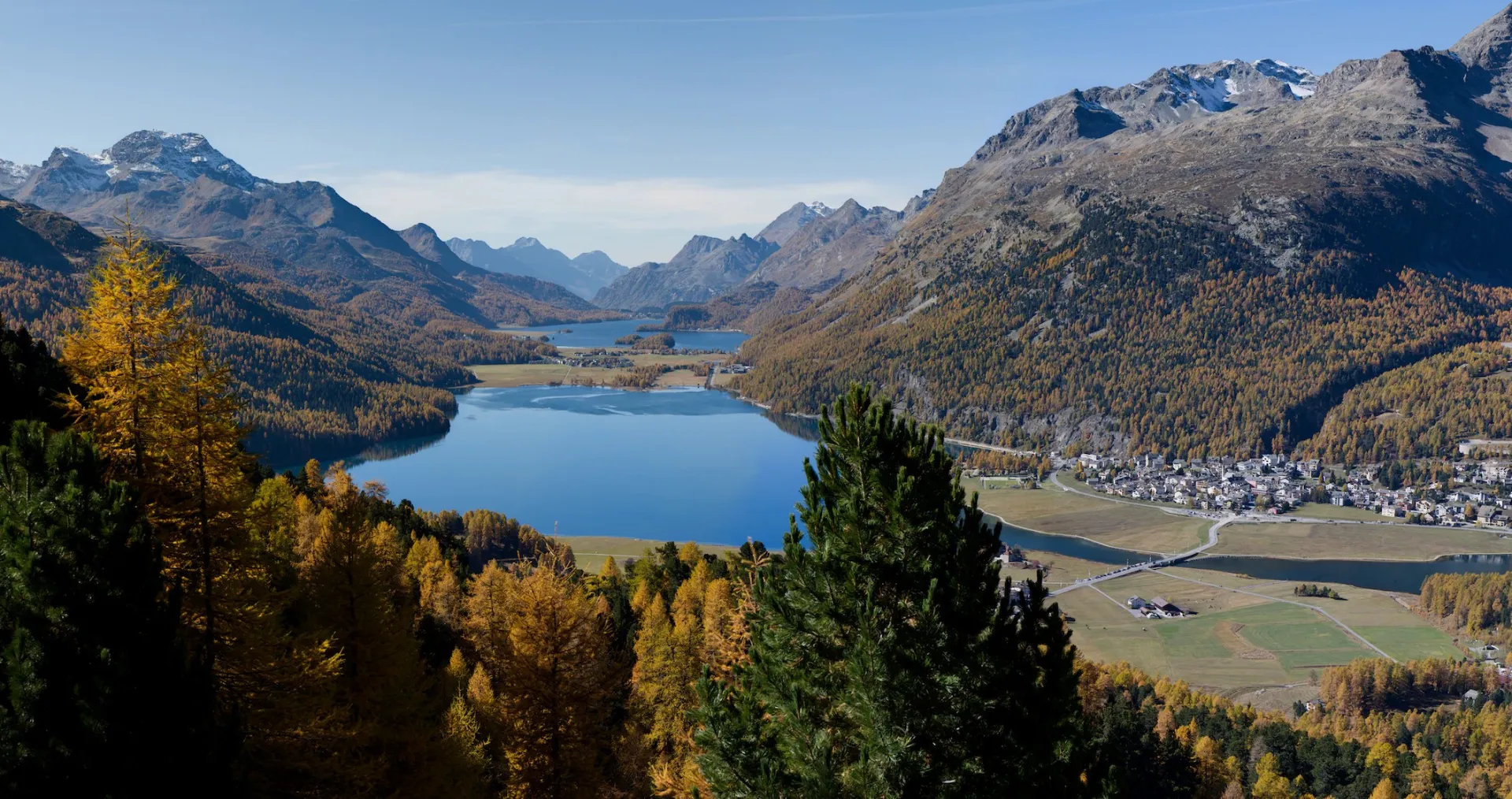
Évian-les-Bains is in Haute-Savoie, France, on the southern shore of Lake Geneva, also called Lac Léman. Lausanne is directly across the lake in Switzerland, while the French Alps rise behind the town.
That geography explains much of the appeal. You have a French lakeside town as your base, with mountain outings close by and Switzerland within reach by passenger ferry. It gives you options without requiring a different hotel every night. Anyone who has repacked a family’s suitcases halfway through a European trip will understand why I appreciate that.

Can you visit the source of Evian water?
Yes. The Cachat Spring, on Avenue des Sources in Évian-les-Bains, is free to visit and open daily throughout the year. The water flows at a constant 11.6°C, about 53°F.
This is the source associated with the Evian water sold around the world. I love that such a familiar name leads you to a spring in a French town. Most of us encounter it somewhere between a restaurant table and an airport shop; here, you can put an actual place to it.
The spring and the nearby Buvette Cachat are different stops. The Buvette is the historic drinking pavilion, with its Art Nouveau architecture and the social history of people coming to take the waters. Check its current visiting arrangements separately; year-round access to the spring doesn’t mean every heritage building keeps the same hours.
Where does the water come from before it reaches the spring?
Evian begins as rain and snow on the Gavot Plateau above the town. It spends more than 15 years filtering naturally through the area’s glacial geology before reaching the source. As it moves through those underground layers, it picks up its characteristic mineral composition.
The plateau is part of the story, too: a protected catchment where the water’s journey begins, shaped by the glaciers that once occupied this Alpine landscape. Knowing that makes the mountains behind Évian rather more interesting than a backdrop for your photographs.
More than fifteen years is a remarkably patient route to a glass of water. I have clients who would like their entire European itinerary confirmed by Thursday.
As for the benefits, the sensible answer is hydration, with naturally occurring minerals. Evian lists 80 milligrams of calcium and 26 milligrams of magnesium per liter. Those minerals are acquired along the way, rather than added for taste. Drinking water helps meet your fluid needs; a mineral profile is no reason to promise a cure, a detox or better hydration than other safe drinking water. The geology is interesting enough on its own.

Why did Évian become a spa town?
Évian’s spa reputation grew around the spring and the belief that drinking its water could improve health. Its reputation took hold in the late eighteenth century, and the water was being analyzed by 1807. Those historical beliefs helped bring visitors here; they shouldn’t be read as modern medical advice.
The visitors needed places to stay and somewhere to spend their days. Over time, that spa culture helped shape the town’s Belle Époque character. You can still follow the connection in its architecture: the Buvette Cachat and the Palais Lumière, a former thermal establishment built in 1902 that now hosts exhibitions.
There is something appealing about a town whose history gives you permission to take your time. I can understand the attraction of coming for a stay, dressing for dinner and considering a walk by the lake a perfectly respectable afternoon plan. We could use a little of that thinking in some of our modern itineraries.
Hôtel Royal, where I stayed, belongs to that history. It opened in 1909 and is part of Evian Resort, close enough to the source for the connection between the water, the town and the hotel to make sense. I’ll give the hotel and its family experience their own article. Évian deserves a little attention beyond the hotel gates.

Can you have breakfast in France and lunch in Switzerland?
You can. CGN’s N1 passenger ferry connects Évian with Lausanne in about 35 minutes, with service throughout the year. Breakfast in France followed by lunch in Switzerland is an entirely reasonable day out.
This is the sort of detail I want people to know before they dismiss a lakeside stay as too quiet. You can spend the morning in Évian and cross the lake for a change of scene, then come back to the same room. The border does rather more work than you do.
Dinner in Lausanne can work as well, but I would check the return ferry before booking the table. Evening departures vary by day and season, and some return options are much earlier than you might expect. I’d prefer your last course to be dessert, not a hurried discussion about how to get back to France.
When is the best time to visit Évian?
Summer makes sense for lake activities and mountain walks; winter brings the possibility of skiing and snowshoeing in the nearby mountains. Spring and fall suit a stay built around the town, the lake and time to unwind, with activities chosen for the dates.
In summer, a family can spend time swimming or trying paddleboarding and kayaking when the seasonal facilities are open, then head toward Thollon-les-Mémises or Bernex for a different kind of day in the mountains. That combination interests me far more than filling every hour with something organized.
I wouldn’t overlook winter. Évian is a lakeside base, so you travel to the nearby ski areas rather than step out of your hotel onto a piste. With the right snow conditions, a day in the mountains followed by a warm evening and raclette sounds very persuasive to me. I suspect the raclette would survive almost any revision to my plans.
Year-round appeal does require a little seasonal planning. Lake rentals, mountain lifts and heritage attractions have their own calendars. I would choose the experience first and check the dates around it, especially outside summer. The winter and summer family guides will get into those details.

Is Évian worth adding to a European itinerary?
For travelers who want a few days by the lake with access to the Alps and Switzerland, I think it is. After staying here, I’ll be considering Évian much more often when I plan European trips for our Evyssa clients.
It has been flying under the radar for many of our American clients, and my suspicion is that the bottle is partly responsible. We recognize the name so readily that we don’t ask much about the place. When France comes up in a planning conversation, Paris and the Riviera tend to arrive before a spa town on the Swiss border. Familiar routes have a way of becoming the only routes we consider.
A few nights here could be particularly useful within a France-and-Switzerland trip, provided the connections work. I would look at what comes before and after, how much moving around the family wants to do, and whether these days give everyone something they’ll enjoy. I’ll work through the practical combinations in a separate itinerary article.
For now, what I keep coming back to is how much there is here beyond the name I already knew. My stay at Hôtel Royal gave me a reason to come; Évian gave me reasons to send people back. The next time we’re planning Europe together, don’t be surprised if I bring it up. You’ve probably already had the water. I think you should know where it’s been.


Csilla Dali
Founder & Lead Travel Advisor
Itineraries to consider
Are You Planning Your Next Vacation?
Check out our top recommendations!