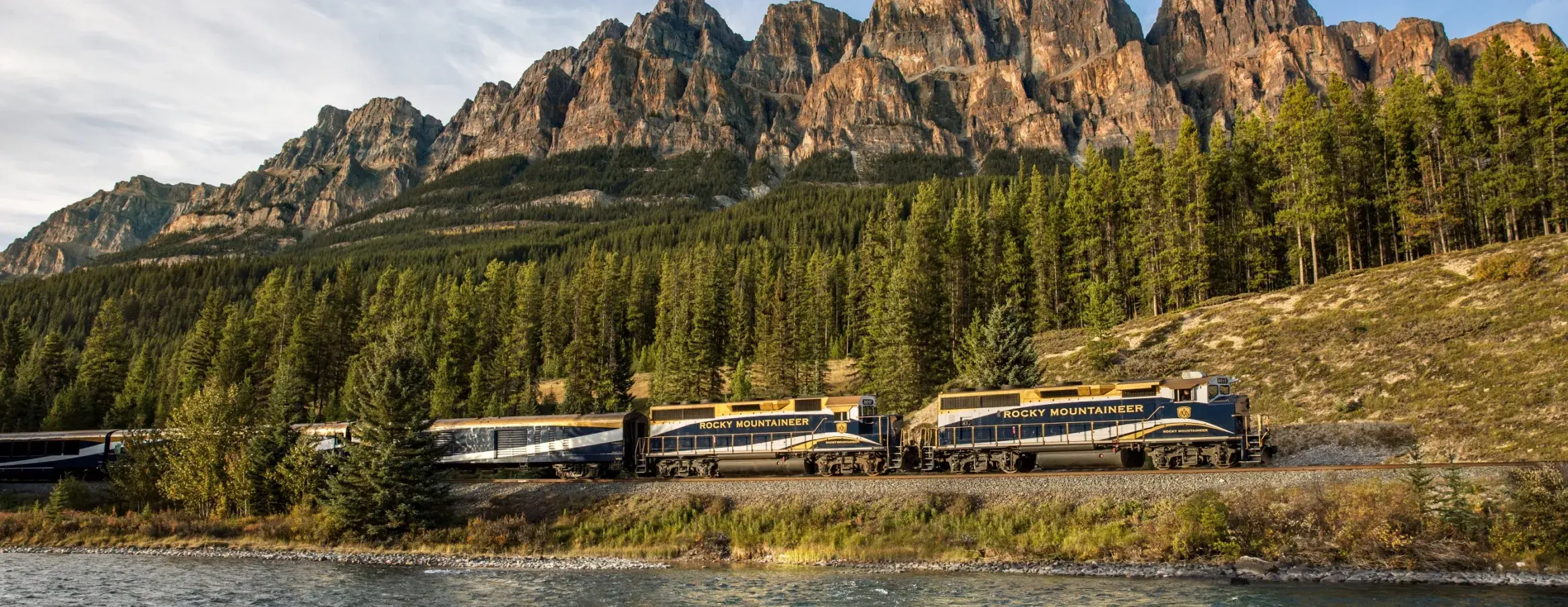
The first surprise is how quickly the world slows down.
There is no rush to a gate and no need to make the landscape disappear beneath the wing. Mountains gather beyond the glass. Lunch arrives. A conversation stretches because, for once, the hours between two places are not something to get through.
That feeling can make a luxury train unforgettable. It can also be expensive, highly structured and far less spacious than its photographs suggest.
Value comes down to a specific decision: does this train, on this route and in this cabin, belong in the journey you want?
The short answer
A luxury train journey is worth it when the train itself is part of the destination and you value the route, time aboard, dining, service and social atmosphere as experiences in their own right.
The fare is harder to justify when you are paying mainly for a famous name, expect hotel-size space, dislike the dress or dining culture, or must weaken the rest of the vacation to afford the train.
Some luxury trains are overnight hotels on rails. Others are daylight sightseeing journeys with hotel stays off the train. Compare what you are actually buying before comparing fares.
What are you really paying for?
A luxury rail fare can combine several forms of value:
access to a route designed around scenery rather than speed;
a restored historic train or highly engineered panoramic carriage;
a private cabin or a reserved seat with wide views;
meals prepared and served while the landscape moves past;
personal service and a small guest community;
guided off-train experiences;
accommodation, beverages, transfers or luggage handling; and
the simple privilege of giving the journey time.
No single train includes all of these. Rocky Mountaineer is a daylight sightseeing experience: guests sleep in hotels between rail days. The Venice Simplon-Orient-Express is an overnight icon with cabin categories ranging from compact historic cabins to suites with private bathrooms. Royal Scotsman is a small overnight train with en-suite cabins and guided exploration of Scotland. The Ghan combines long-distance rail, meals and off-train experiences across Australia.
All can be described as luxury rail. They are not the same product.

Four kinds of value
1. The landscape is difficult to experience another way
The strongest rail journeys make the view part of the architecture of the day.
Rocky Mountaineer’s SilverLeaf service uses a single-level glass-dome coach with meals brought to the seat. GoldLeaf uses a bi-level coach, with dome seating above and a separate dining room and outdoor viewing platform below. The service choice changes how guests see, eat and move through the train.
The value is not reaching a city faster. It is having the mountain passage interpreted, served and protected from the usual logistics of driving.
2. The train is a living setting
On historic overnight trains, the carriages, dining ritual and service are part of the story.
The Venice Simplon-Orient-Express asks guests to enter that world deliberately. Its current guidance calls for smart daywear and formal evening attire; jeans are not accepted. A Historic Cabin has period atmosphere and a washbasin, with shared restrooms at the end of the carriage. Current Suites and Grand Suites add private en-suite bathrooms and more living space.
For one traveler, dressing for dinner and sleeping in a compact historic cabin is the romance. For another, it is a costly mismatch. Both reactions are reasonable.
3. The journey removes practical work
Some trains bundle dining, excursions, drinks, luggage movement and accommodation into one carefully timed experience.
Royal Scotsman currently carries a very small number of guests in 18 sleeper cabins, with two dining cars, an observation car and guided off-train experiences. Its journeys return to Edinburgh and combine life aboard with Scottish landscapes, castles, gardens, whisky and walking.
The Ghan is a different scale and geography, linking Australian landscapes with all-inclusive rail and off-train experiences. In both cases, part of the value is not having to build every day separately.
4. The time together matters
Luxury rail can create a rare social rhythm. There is time to share a table, watch the view, dress for dinner or step onto an observation deck without another transfer interrupting the day.
That can make a train especially meaningful for an anniversary, milestone birthday or multigenerational journey. The emotional value is real, but it should still be supported by the practical details. A celebration is not improved by a cabin arrangement that makes someone uncomfortable.
When is a luxury train worth it?
The train earns its place when the hours aboard add real value to the vacation, not merely a famous name.
When a luxury train earns its place
The strongest case is both emotional and practical.
The route belongs naturally in the vacation. The train adds landscapes or access you genuinely want. The cabin fits your privacy and mobility needs. The dining and social style sound pleasurable. The cost still leaves enough room for the hotels, guides and destinations around it.
Luxury rail is often worth considering when:
the train itself is a long-held dream;
a landmark route is central to the trip;
you value slow travel and time together;
dining and service are part of the pleasure;
you enjoy meeting other travelers;
the included experiences reduce planning work; or
the train creates a natural bridge between two parts of a longer journey.
The key phrase is “natural bridge.” A rail journey should strengthen the itinerary, not send it in the wrong direction merely because the name is famous.
When the name is doing too much work
An iconic brand can carry a century of romance. It cannot change the measurements of a cabin, add a private shower where none exists or make formal dining enjoyable for someone who dislikes dressing up.
Be cautious when:
you are choosing the train mainly for social proof;
the route does not connect places you want to visit;
the entry cabin lacks the privacy you expect;
the schedule forces you to drop a more important experience;
you dislike communal dining or a formal atmosphere;
limited storage, stairs or narrow passages will be difficult; or
the fare consumes so much of the budget that every other part of the trip becomes a compromise.
A less famous train that fits beautifully can deliver more value than an icon forced into the wrong vacation.
How does the experience differ from one train to another?
Cabin design, dining, formality, privacy, accessibility and sleep quality can turn the same broad idea into very different trips.
Daylight sightseeing train or overnight train?
This is the first major decision.
Daylight sightseeing rail
The purpose is to see the landscape while it is visible. Guests usually have assigned panoramic seating, meal service and narration, then sleep in hotels.
This model can suit travelers who want:
excellent daytime views;
a full-size hotel room and bathroom at night;
less concern about sleeping on a moving train;
a casual or smart-casual atmosphere; and
a journey organized around photography and scenery.
The tradeoff is that the hotel may change and luggage transfers become part of the operation. You are buying rail days rather than a continuous hotel on wheels.
Overnight luxury rail
The train becomes accommodation, dining room, lounge and transport in one.
This model can suit travelers who want:
the romance of sleeping aboard;
an intimate social setting;
evening rituals and formal dining;
a small guest community; and
the feeling of waking in a new landscape.
The tradeoffs can include compact rooms, narrow corridors, train movement, night noise and cabin-specific bathroom arrangements. A suite can reduce some compromises but not make the train feel like a large hotel.
Cabins: where value is often won or lost
Photographs usually show the most beautiful category. Your decision must begin with the one you will actually book.
On the Venice Simplon-Orient-Express, current Historic Cabins have a washbasin and shared restrooms, while Suites and Grand Suites add private en-suite bathrooms. The difference changes both price and personal comfort.
Royal Scotsman publishes private cabins with en-suite shower rooms, while its newer Grand Suites add considerably more living space. Other trains may offer daytime seats that convert into beds, compact twin berths or hotel accommodation off the train.
Ask:
Is the bed fixed or converted from daytime seating?
Is the bathroom fully private, partly private or shared?
Is there a shower?
Can both travelers stand and dress comfortably?
How much luggage can stay in the cabin?
Are there stairs or narrow passages?
Is the cabin en route to a busy public car?
What happens if one person wakes at night?
Luxury is personal. For some travelers, craftsmanship and service outweigh limited space. For others, a private bathroom is the beginning of comfort, not an upgrade.
Dining and formality
Meals can be one of the strongest reasons to choose a luxury train. The pleasure comes from more than the plate: the dining car, changing landscape, service and shared occasion all matter.
But dining culture varies.
Rocky Mountaineer’s SilverLeaf meals are served at the seat so guests can stay with the view. On Canadian routes, GoldLeaf uses a lower-level dining room, with two meal seatings. Venice Simplon-Orient-Express turns dinner into a formal evening. Royal Scotsman centers menus on Scottish ingredients and pairs days ashore with social meals aboard.
Before booking, check:
which meals and beverages are included;
whether tables are shared;
dress expectations;
how dietary needs are handled;
meal seating and timing;
whether drinks outside meals cost extra; and
whether you enjoy the social style.
The best cuisine will not feel luxurious if the setting makes you tense.
How much privacy do you want?
Luxury trains tend to be social. Dining cars, lounges and observation spaces encourage conversation. That is part of their charm.
Travelers who value privacy should look at suites with a separate sitting area, private dining possibilities and a full en-suite bathroom. Even then, the train remains a shared, narrow environment.
If you prefer to dine alone, avoid formal conversation and spend most evenings privately, a great rail journey may still work, but the correct cabin and train matter more. A scenic daylight service followed by a private hotel may fit better than an overnight icon.
Accessibility, sleep and motion
Rail journeys should be discussed honestly when mobility, balance or sleep are concerns.
Historic trains can have steps, narrow corridors and compact bathrooms. A moving train sways and makes sound. Boarding platforms can vary. Excursions may involve uneven ground.
Rocky Mountaineer’s current GoldLeaf information notes an elevator within the bi-level coach, but travelers needing support should arrange it in advance. That does not prove the entire journey is step-free. Every transfer, hotel, station and excursion still needs review.
Ask for the exact accessibility information in writing and recheck it for the operating train. “Luxury” does not automatically mean physically easy.
What is included, and what still needs planning?
The headline fare rarely tells the whole story.
Possible inclusions include meals, drinks, excursions, hotel nights, station transfers, luggage movement, gratuities or pre- and post-train services. Possible extras include premium drinks, spa treatments, special excursions, private transfers, hotel upgrades and independent meals.
Also price the complete trip:
international and regional flights;
hotels before and after the train;
station transfers;
luggage storage or forwarding;
visas and entry requirements;
travel protection;
private touring; and
the cost of reaching the route’s actual beginning and leaving its end.
A rail fare can look self-contained while creating an expensive chain of surrounding logistics.
Five questions that decide whether it is worth it
1. Which part would make the fare feel worthwhile?
Name the value clearly: scenery, history, dining, privacy, service, celebration or access. If you cannot name it, the brand may be doing the work.
2. Would you choose the hours aboard without the famous name?
Look at the actual route, timetable, cabin and dining culture. Imagine the same product with a blank logo.
3. Does the route belong in your wider vacation?
The train should connect destinations you care about or create an experience you could not sensibly add another way.
4. Which compromises are acceptable?
Decide your limits on bathroom privacy, space, formal clothing, social dining, motion and mobility before paying a deposit.
5. What does the fare make you give up?
If the train means downgrading every hotel, dropping private touring or cutting a destination you value more, the full trip may be weaker.
A simple value test
Luxury rail is more likely to be worth it when all four statements are true:
The route matters. You want to see this landscape or make this passage.
The onboard life fits. The cabin, dining, service and social style appeal.
The timing belongs. The train strengthens the itinerary rather than distorting it.
The complete trip remains healthy. The fare leaves room for the rest of the journey to feel like yours.
If only the first statement is true, consider a good daytime train, private guide or scenic route without the full luxury product. If only the brand excites you, wait until the right itinerary makes it meaningful.
How Evyssa plans luxury rail
Evyssa does not judge a train by fare or fame alone. We compare the operating train, route, direction, cabin, bathroom, dining, dress, luggage rules, mobility, inclusions and how the rail chapter fits the complete vacation.
Then we plan the flights, hotels, transfers and private experiences around it. Explore Evyssa’s Rail Vacations.
Tell us what would make the hours aboard feel valuable. We will shape the train journey, and the vacation around it, to match.
Who is a luxury train journey best for?
It is strongest for travelers who want the journey itself to earn a place in the vacation. They value scenery, dining, service, history or time together rather than treating the train as a faster transfer.
Are luxury train cabins like hotel rooms?
Usually not. Cabins can be beautifully designed but compact. Bathroom, bed and storage arrangements vary greatly by train and category. Compare the exact floor plan and current details.
Is an overnight luxury train better than a daylight train?
Not automatically. Overnight trains offer romance and continuity. Daylight trains can deliver better scenic viewing and full hotel rooms at night. Your sleep, privacy and route priorities should decide.
What is the difference between Rocky Mountaineer GoldLeaf and SilverLeaf?
On current Canadian routes, GoldLeaf uses a bi-level dome coach with an upper seating area and lower dining room. SilverLeaf uses a single-level glass-dome coach with meals served at the seat. Exact route availability should be checked.
Do all Venice Simplon-Orient-Express cabins have private bathrooms?
No. Current Historic Cabins have a washbasin and shared restrooms at the end of the carriage. Current Suites and Grand Suites provide private en-suite bathrooms.
Are luxury trains formal?
Some are. Venice Simplon-Orient-Express currently requests formal evening attire and smart daywear. Other trains are more relaxed. Check the exact dress guidance rather than assuming.
Are luxury train journeys all-inclusive?
Some include many meals, drinks, excursions and services, while others use a different structure. Read the current departure inclusions and price the surrounding hotels and transfers too.
Which details need a fresh check before booking?
Confirm the operating train, route, direction, cabin, bathroom, service level, meals, drinks, dress, luggage, mobility, entry requirements, transfers and final timings for the exact departure.

Csilla Dali
Founder & Lead Travel Advisor
Itineraries to consider
Are You Planning Your Next Vacation?
Check out our top recommendations!