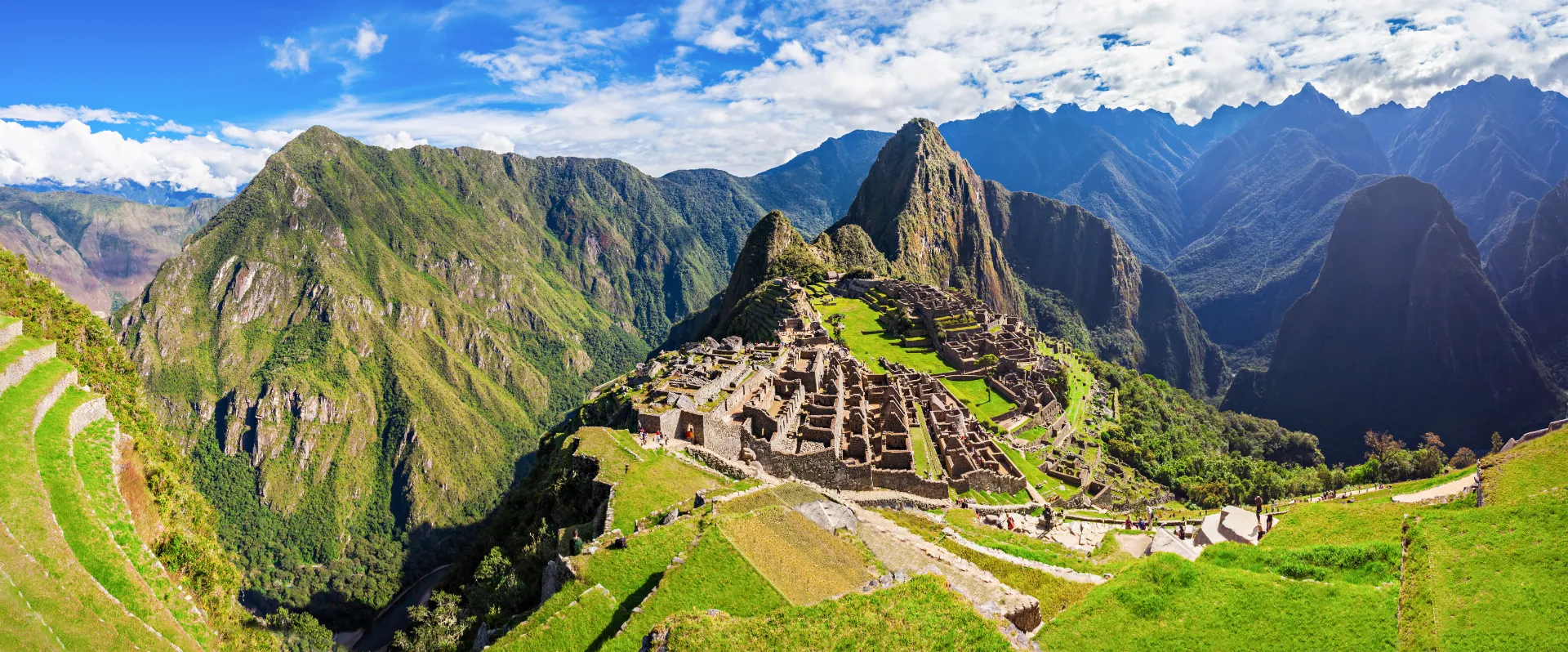
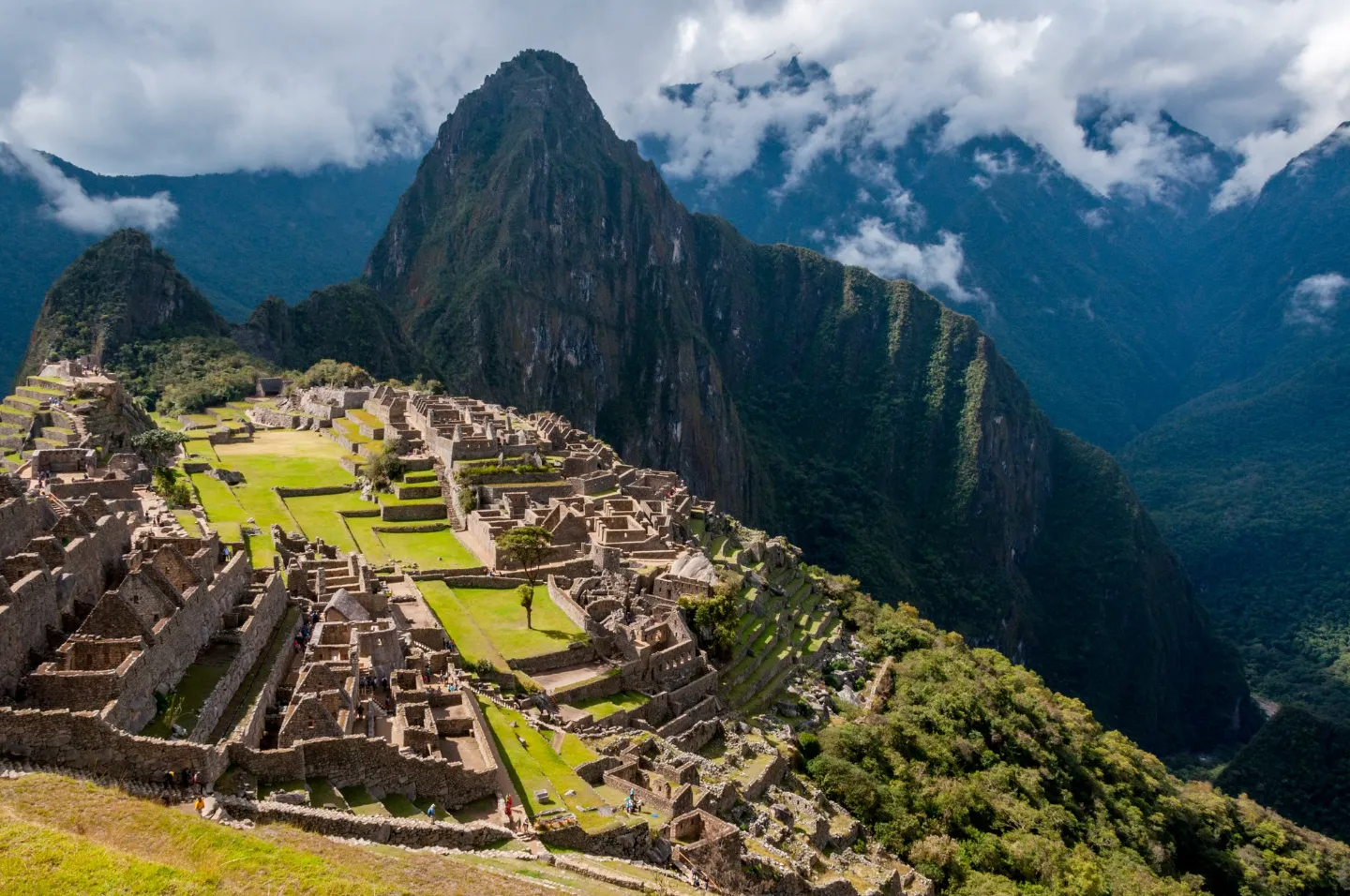
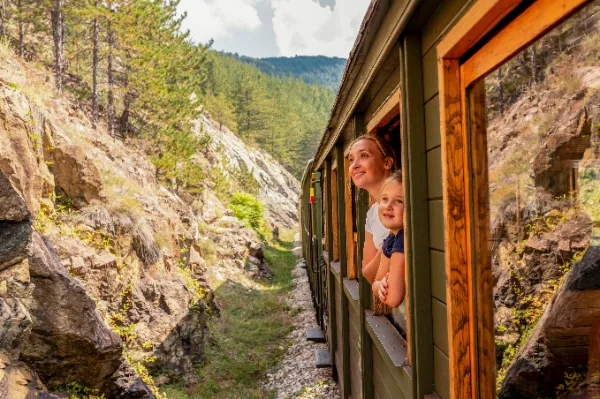
These two Belmond trains are often compared because both travel in Peru, but they do completely different jobs. Andean Explorer is an overnight journey across the high southern Andes. Hiram Bingham is a luxury day train tied to a visit to Machu Picchu. One can anchor several days of a Peru itinerary; the other can turn an important destination day into part of the celebration.
That is why the best answer is sometimes both. The right question is not which train is more luxurious. It is which part of Peru each train should handle, how the altitude sequence works, and whether the complete arrangements around Machu Picchu are genuinely secure.
The short answer
Choose Andean Explorer when you want the train itself to be an overnight destination, with sleeper cabins, high-altitude landscapes, dining, public cars and guided stops between Cusco, Puno and Arequipa. Choose Hiram Bingham when you want a social, dining-led day journey to or from Machu Picchu Pueblo, with live entertainment and a more ceremonial sense of arrival.
Use both when the itinerary has enough time and a sensible altitude progression. Hiram Bingham does not replace a Machu Picchu entrance ticket, chosen visitor circuit, confirmed guide, bus plan, hotel or luggage arrangement. Andean Explorer does not replace careful acclimatization. Each train works only when the less glamorous details around it are protected.
Compare the role each train plays
The clearest differences are practical, not decorative.
Decision point | Andean Explorer | Hiram Bingham |
|---|---|---|
Format | Luxury sleeper train with one- and two-night journeys currently offered | Luxury day train to or from Machu Picchu Pueblo |
Geography | High southern Andes between Cusco, Puno and Arequipa, depending on route | Cusco/Sacred Valley-area stations to Aguas Calientes near Machu Picchu, depending on journey |
Private space | Bunk, Twin and Suite cabins, all currently en suite | Reserved day-train seating rather than sleeper cabins |
Experience | Scenic immersion, nights aboard, dining, observation and guided off-train experiences | Dining, beverages, live music, observation space and a celebratory destination day |
Main planning risk | Altitude, route direction, station logistics and approximate timings | Treating the train as proof of Machu Picchu entry, circuit, guiding or every transfer |
Best use | A central rail chapter in a broader southern Peru journey | A memorable way to frame the Machu Picchu visit |
The comparison changes once those roles are clear. Choosing between them solely by brand, photographs or price ignores what each train actually contributes.

Choose Andean Explorer for an overnight Andean chapter
Andean Explorer is the stronger fit when sleeping aboard is part of the dream. Its current overview presents 35 sleeper cabins, two dining cars, an open-air observation car, piano bar, spa carriage and guided off-train experiences. The cabin becomes a private base while the train crosses remote highland scenery.
Current journey options connect Cusco, Puno and Arequipa in different combinations. Some are one night; others are two. Direction changes the gateway, order of landscapes and the way the train sits beside Lake Titicaca, Cusco, the Sacred Valley and Arequipa. It can also change which end of the journey needs a protected hotel night.
This is rail as a destination. Travelers who enjoy slow scenery, shared meals and the ritual of sleeping on a moving train are more likely to value it. Travelers who dislike compact rooms, communal rhythms or high-altitude conditions need a more candid fit conversation.
Andean Explorer is not simply transport between famous places. Its value is in the hours aboard and the progression across the Andes. If the itinerary treats it as a shortcut, the train may be an expensive answer to the wrong question.
Choose Hiram Bingham for a memorable Machu Picchu day
Hiram Bingham is a day train with a different emotional purpose. Current official information describes Peruvian dining and wines, an observatory carriage, live music and departures from Cusco, Pachar or Rio Sagrado, depending on the journey. The experience turns the approach to Machu Picchu Pueblo into part of the occasion rather than a neutral transfer.
Current outbound journey information may include brunch, cocktails, a bus up to the citadel and a guide for a small group. These details are journey-specific. The official page also states clearly that a Hiram Bingham train ticket does not guarantee entry to Machu Picchu, because entrance tickets are managed by Peru's Ministry of Culture.
That distinction matters. A beautiful rail booking is not a complete Machu Picchu plan. The entrance date, time, circuit and route must match the train and the traveler's interests and mobility. Bus arrangements, guiding, luggage, station transfers and any overnight stay must fit the same day.
Hiram Bingham is most compelling for travelers who will enjoy the dining, music and social energy, not merely tolerate them. If the priority is the most flexible schedule or the longest possible time at the site, compare the whole day rather than assuming the premium train automatically serves that goal.
Build the altitude sequence before adding both
Both experiences sit in a high-altitude country, but Andean Explorer spends more of its route in the high southern Andes. A sound itinerary should not leap from an international arrival into the most demanding elevation simply because the train has availability.
Many Peru journeys begin gently in the Sacred Valley before moving to Cusco or higher terrain, but the right sequence depends on flights, health, interests and the exact rail direction. This is a planning principle, not medical advice. A traveler with relevant health concerns should speak with a qualified clinician before booking.
If both trains are used, give each a clear place. One possible rhythm is Sacred Valley time, Machu Picchu with Hiram Bingham in the appropriate direction, time in Cusco, then Andean Explorer toward Lake Titicaca and Arequipa after acclimatization. Another direction may work better when flights, hotel availability or the selected Andean Explorer route point the other way.
Avoid stacking the trains simply because they share a brand. The combined itinerary needs breathing room, private touring and hotel nights that let Peru feel like more than a sequence of reserved seats.
Protect Machu Picchu as its own set of bookings
Machu Picchu currently uses three main visitor circuits containing multiple routes. The selected ticket controls what the traveler can see and where they can walk. Some routes are seasonal, and capacity is limited. Peru's Ministry of Culture opened the 2026 ticket process in advance and directs buyers through the official Tu Boleto system.
This means “Machu Picchu ticket” is not a complete description. The plan should name the date, entrance time, circuit, route and passport details. It should also show how the train arrival, bus to the citadel, guide and any Sanctuary Lodge or Aguas Calientes arrangements connect.
The current Hiram Bingham overview says private bus transfer between Aguas Calientes and the citadel is included for its journeys, and some journey pages list a bilingual guide subject to availability. Confirm those inclusions in writing for the exact direction and date. Do not assume an outbound description applies unchanged to a return journey.
Luggage needs its own plan. A day visit may require a separate transfer of larger bags to the next hotel while the traveler carries only essentials. If an overnight stay is involved, decide which items go to Machu Picchu Pueblo and which continue elsewhere. Documents, medication and valuables should remain with the traveler.
Decide by pace, privacy and purpose
Andean Explorer creates a multi-day social environment. Travelers share dining and observation spaces, return to compact cabins and wake within the landscape. The pace is immersive. There is time for the train to become a place rather than an event.
Hiram Bingham concentrates the theatre into one day. The dining, music and observation carriage are part of the way to or from Machu Picchu. It suits travelers who enjoy a celebratory atmosphere and want the journey to carry emotional weight.
Privacy differs too. Andean Explorer provides a private cabin and bathroom, although public life is central to the experience. Hiram Bingham offers reserved seating within day carriages, not a bedroom. Neither format is universally better. The better fit depends on how much private retreat, social contact and structure a traveler wants.
Budget should be considered at the complete-trip level without estimating supplier prices. A choice that absorbs funds needed for the right hotel, private guide or safer transfer may weaken the trip. Conversely, a train that creates one of the journey's most meaningful chapters can be a good use of the budget when the rest remains balanced.
When using both makes sense—and when it does not
Both make sense when the traveler genuinely wants two different rail experiences, the itinerary has enough time, and the altitude progression is comfortable. Hiram Bingham can serve the Machu Picchu chapter. Andean Explorer can then connect the highlands, Lake Titicaca and Arequipa in a slower overnight experience.
Using both is less persuasive on a short trip. Every fixed train date reduces flexibility. Add entrance times, station transfers, hotel changes and internal flights, and the itinerary can become a chain of deadlines.
Pause when a traveler has unresolved altitude or mobility questions. Pause when Machu Picchu entry is not yet secured. Pause when the route requires same-day connections that depend on approximate rail timings. And pause when the main attraction is simply saying both names were booked.
The most luxurious version of Peru is not necessarily the one with the most premium products. It is the one in which each reserved experience has a reason and the traveler still has time to notice the country.
Read the calendar as a sequence of energy, not only locations. Andean Explorer includes nights aboard and high-altitude days with guided stops. Hiram Bingham is a long, social destination day whose success depends on protected Machu Picchu entry. Placing them back to back can turn two anticipated experiences into one stretch of constant movement.
A stronger sequence may use several nights in the Sacred Valley before Machu Picchu, then time in Cusco before an Andean Explorer departure. Another may begin farther south and let the overnight train move toward Cusco, followed by a restorative hotel stay before the Machu Picchu day. The correct order depends on the exact live routes and qualified altitude advice; no general article can prescribe it for every traveler.
Luggage also reveals whether both fit. Each train has different handling, access and day-use needs. Confirm where the main cases travel while guests carry only what is needed, and make sure medicine, passports and entry documents never disappear into inaccessible storage. A rail-heavy trip should not require frantic repacking every morning.
Finally, compare what two premium rail bookings displace. A second train is worthwhile when its role is distinct and wanted. If it removes a private guide, a meaningful hotel stay or enough time at Machu Picchu, one beautifully integrated train may be the more luxurious answer.
Check fixed dates before promising the sequence. Andean Explorer journey days, Hiram Bingham directions and Machu Picchu entry inventory may not align in the order first imagined. Start with the hardest confirmed element, then build generous hotel nights around it. Do not use a same-day road, rail or air connection to rescue a calendar that does not naturally work.
The final documents should name every station and transfer point. “Cusco” can describe different rail arrangements, while Sacred Valley hotels sit at very different driving times. Ask who meets the traveler, what vehicle is used, where the main luggage travels and what number is called if the rail schedule changes.
Plan the Peru journey, not two isolated trains
Start with the places, pace and altitude progression. Then decide whether one train or both deserve a role. The answer should protect Machu Picchu, sleep, transfers and the days on either side.
Evyssa can compare the current journeys and arrange the rail, hotels, private guides and transfers as one coherent Peru vacation. Explore Evyssa's custom rail vacations.
Is Andean Explorer a train to Machu Picchu?
No. Its current journeys operate among Cusco, Puno and Arequipa. Hiram Bingham is the Belmond day train linked to Machu Picchu Pueblo. The two belong to different parts of a Peru itinerary.
Can we take both trains on one vacation?
Yes, if the trip has enough nights and the sequence supports acclimatization. Confirm the exact Andean Explorer direction, Hiram Bingham journey, Machu Picchu ticket and all station and hotel transfers before committing to the combined plan.
Does Hiram Bingham include Machu Picchu admission?
Do not assume it does. Belmond explicitly says the train ticket does not guarantee entrance. Peru's Ministry of Culture controls admission, and the exact circuit, route, date and time must be secured separately or confirmed in the complete written arrangement.
Does Hiram Bingham have sleeper cabins?
No. It is a luxury day train with reserved seating, dining and social spaces. Andean Explorer is the sleeper train with Bunk, Twin and Suite cabins.
Which train is better for a milestone trip?
Either can be. Andean Explorer suits a milestone built around nights aboard and highland scenery. Hiram Bingham suits a celebratory Machu Picchu day. The better choice is the one whose format and geography fit the people celebrating.

Csilla Dali
Founder & Lead Travel Advisor
Itineraries to consider
Are You Planning Your Next Vacation?
Check out our top recommendations!