Belmond, Orient Express and Rocky Mountaineer are often placed in the same luxury-rail conversation, although they ask very different things of a traveler. One journey may turn dinner and sleeping aboard into theater. Another keeps the landscape in daylight and sends guests to a hotel each evening. A third builds several days around rail, remote places and guided time off the train.
There is no single best luxury train. The right choice matches the landscape you want, the way you want to spend a day, the cabin and social atmosphere you will actually enjoy, and the vacation that must fit around it.
Start with rhythm and geography. Brand recognition should confirm the choice, not make it for you.
The train name is not the decision
A famous name can tell you something about design, heritage or service. It cannot tell you whether you will sleep well in the cabin, enjoy a formal dinner, welcome shared conversation or like the places at either end of the route.
Before comparing trains, decide which basic format sounds appealing:
Historic overnight train: the carriages, turndown and evening ritual are central to the experience.
Contemporary overnight train: sleeping aboard remains important, but the design language and private spaces feel more modern.
Daylight scenic train: the rail day protects the views, while a hotel provides the bed and bathroom at night.
Multi-day touring train: days aboard alternate with guided off-train experiences, so the route feels like a moving land journey.
Panoramic scheduled train: a reserved premium seat elevates a daylight route within a larger independent vacation.
All can be luxurious. They solve different travel wishes.
A quick fit guide
This table is a starting point, not a league table. Current routes, carriages and programs change, so the exact departure must still be checked.
Experience | Basic rhythm | Strong starting point | Think twice if |
|---|---|---|---|
Venice Simplon-Orient-Express by Belmond | Historic overnight rail with formal evening atmosphere | You want European rail romance, restored carriages and ceremony | You expect every cabin to have a private bathroom or dislike formal dress |
Royal Scotsman by Belmond | Small overnight train with en-suite cabins and guided Scottish experiences | You want an intimate house-party feeling and Scotland beyond the window | You want anonymity, a casual dining culture or a large hotel-style room |
Eastern & Oriental Express by Belmond | Overnight Southeast Asian rail with private en-suites and off-train experiences | You want tropical scenery, dining and a cabin-based journey | Humidity, steps, compact cabins or a social onboard rhythm would be difficult |
Orient Express La Dolce Vita | Contemporary Italian sleeper with design-led cabins and suites | You want Italy, refined evenings and modern glamour | Your priority is wilderness, very casual travel or long hours of outdoor viewing |
Rocky Mountaineer | Daylight scenic rail with hotel nights | You want mountain views without sleeping on a moving train | The nighttime life of a sleeper is the main dream |
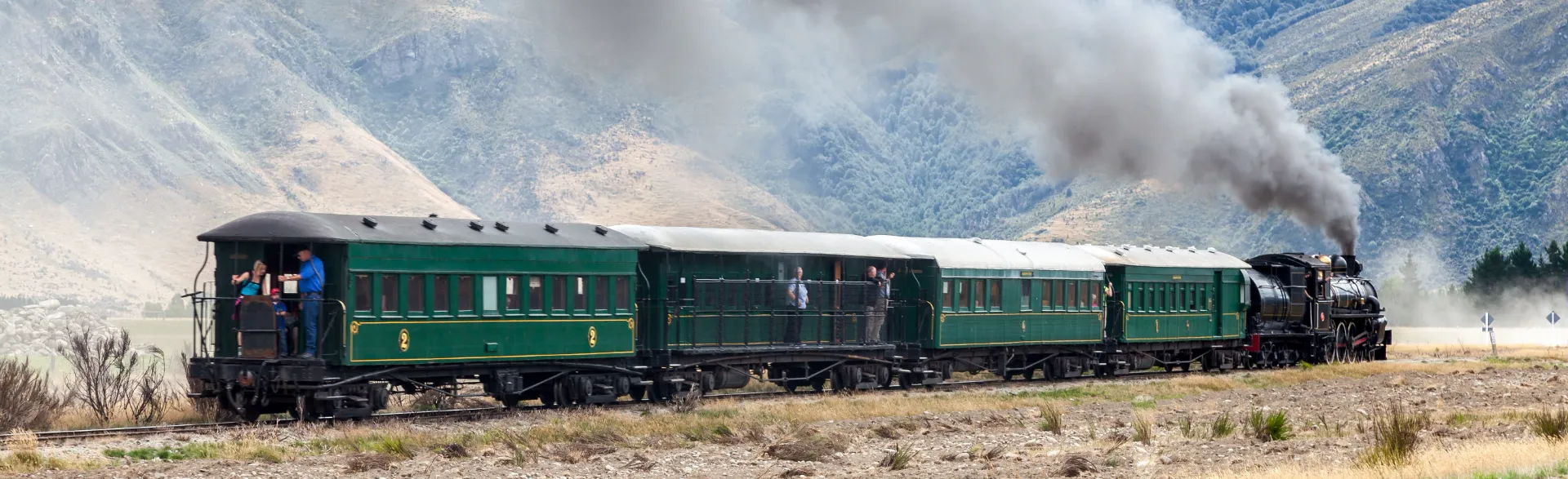
The Ghan | Multi-day Australian rail with meals and off-train experiences | You want a destination-led crossing and organized exploration | You want independent days or a short rail transfer rather than a program |
Rovos Rail | Classic African sleeper with more formal evenings and longer routes | You value slow travel, private cabins and an old-world social atmosphere | Formality, train motion or extended time aboard would feel restrictive |
Glacier Express or Bernina Express | Swiss panoramic day rail | You want Alpine scenery inside a broader land itinerary | You want a private cabin, turndown or an overnight luxury-train ritual |
Belmond and Orient Express are different choices
The Venice Simplon-Orient-Express, Royal Scotsman and Eastern & Oriental Express belong to the same hospitality collection, but their geography, cabins and days feel distinct.
Venice Simplon-Orient-Express
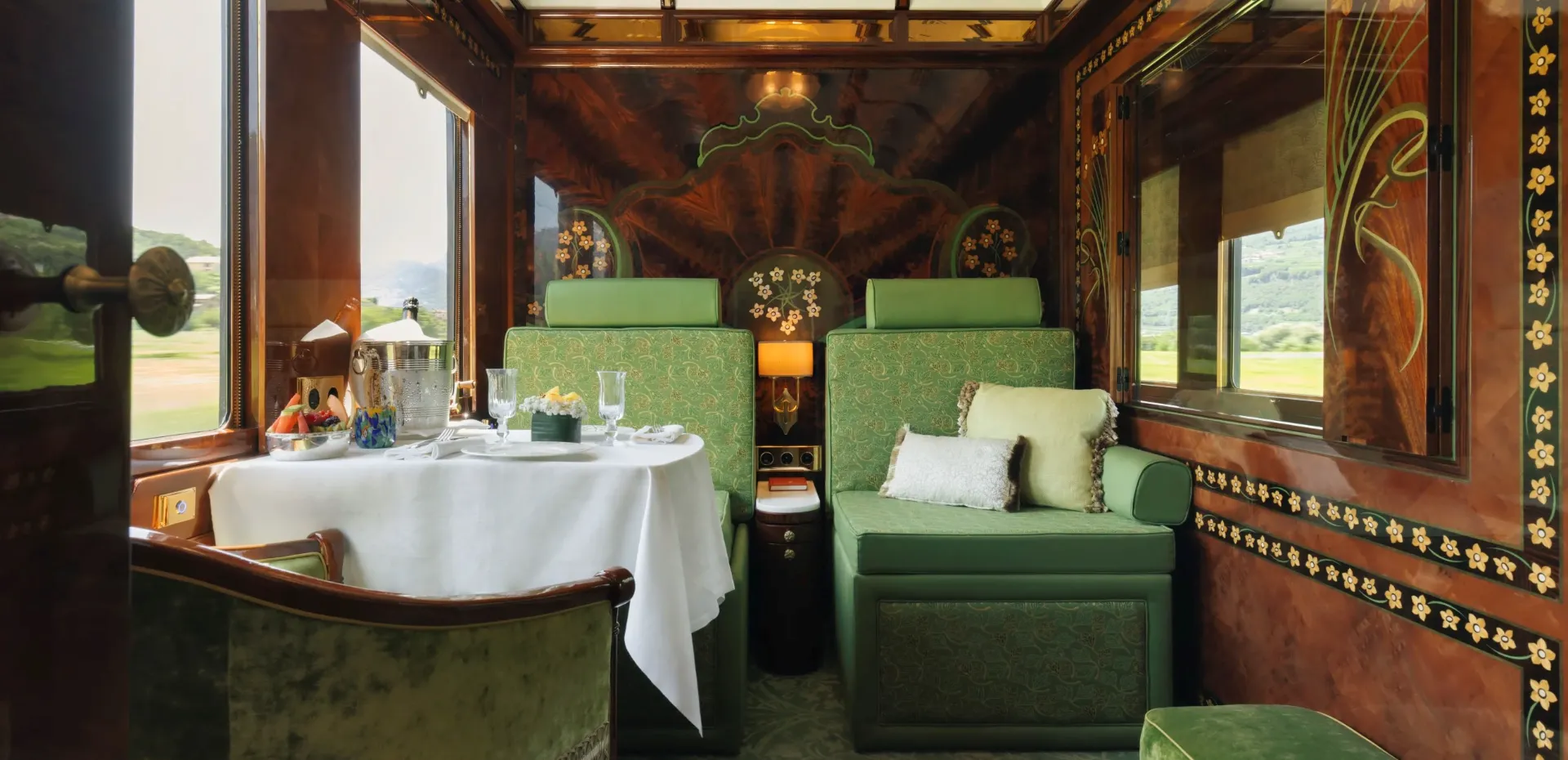
This is the strongest match for travelers who want the train itself to be a historic setting. Current guidance asks for smart daywear and formal evening attire, and jeans are not accepted. Historic Cabins convert from daytime seating to upper and lower berths and use shared restrooms, while current Suites and Grand Suites provide private bathrooms.
Choose it for the ritual only if the real cabin and dress culture appeal. A traveler drawn mainly to the photographs may be surprised by the compact historic arrangements.
Royal Scotsman
Royal Scotsman is smaller and tied closely to Scotland. Days can combine life aboard with guided visits and countryside, while evenings return guests to a private en-suite cabin and shared dining atmosphere.
It can suit travelers who enjoy an intimate group, hosted experiences and a journey where the train and Scotland share the lead. It is less natural for someone who wants to disappear into a large resort-style setting or control every hour independently.
Eastern & Oriental Express
Eastern & Oriental Express brings the sleeper format into Southeast Asia. Its current Pullman, State and Presidential categories all list private shower and toilet facilities, although the bed layouts and published space differ.
It is a useful reminder that the collection name does not predict the bathroom. The entry arrangements on one Belmond train are not the entry arrangements on another.
Orient Express La Dolce Vita: contemporary Italy aboard
Orient Express La Dolce Vita is a different brand and a different design proposition from Belmond’s Venice Simplon-Orient-Express. The name “Orient Express” in both conversations can create confusion, so identify the exact train before comparing anything else.
La Dolce Vita currently presents a modern Italian overnight experience. Its published fleet configuration lists Deluxe Cabins, Suites and one larger La Dolce Vita Suite, all with private shower and toilet facilities. The atmosphere favors elegance aboard, refined eveningwear and more comfortable clothing for excursions.
This may suit travelers who want Italy to shape both the landscape and interior design.
It is not simply a modern replacement for a historic train. The visual language, routes, cabin layouts and sense of occasion are different. Choose between them by asking which version of rail travel belongs in your vacation—not which name sounds grander.

Rocky Mountaineer: scenery by day, hotels by night
Rocky Mountaineer changes the central question. Instead of choosing a sleeper cabin, travelers choose a daytime service level and sleep in hotels between rail days.
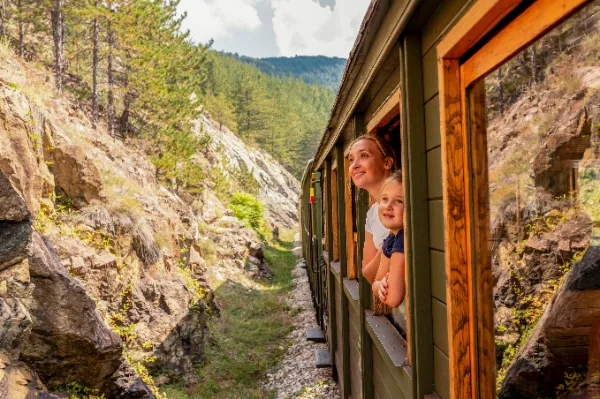
That format can be ideal for people who want mountain views, photography and meal service without the motion, sound or compact bathroom of an overnight train. It also keeps the scenery in the hours when guests can see it.
The tradeoff is operational. Hotel nights, luggage movement and transfers become part of the journey. The train is the focus by day, but it is not a self-contained hotel on wheels.
Rocky Mountaineer can be a strong starting point when:
the Canadian Rockies or American Southwest lead the wish list;
a full hotel room at night is important;
panoramic viewing matters more than evening life aboard;
the travelers prefer a relaxed scenic day to formal dinner ritual; and
the rail segment can connect sensibly with the surrounding cities, parks or touring.
It is a weaker fit when sleeping aboard is the emotional heart of the dream. No level of daytime service can supply a night that is not part of the product.
The Ghan and Rovos Rail: longer sleepers with different social codes
Both experiences use the train to tell a larger story about a continent, but they should not be treated as interchangeable.
The Ghan
The Ghan links Australian landscapes with meals and off-train experiences that vary by itinerary. The program is destination-led: the time away from the train is part of what guests are buying.
It can suit travelers who want a structured passage across large distances and prefer to have key experiences organized.
Cabin category still matters. Current Journey Beyond Gold Twin accommodation converts from daytime seating to upper and lower berths and has a compact private en-suite. Gold Single uses a single bed that converts to a seat and shared facilities at the end of the carriage. The experience name does not settle the night.
Rovos Rail
Rovos Rail leans into slow travel, classic interiors and a more formal evening atmosphere. Current suite descriptions range from compact en-suite arrangements to Royal Suites occupying half a carriage, with a private lounge and a bathroom that includes both a bath and separate shower.
It can suit travelers who want several days to unfold through conversation, dining and changing landscapes. It asks for comfort with a social train culture, train motion and a rhythm that is deliberately unhurried.
Route, number of nights, off-train program, season, cabin and gateway logistics all shape the actual journey.
Glacier Express and Bernina Express: rail as a brilliant day
Switzerland’s panoramic trains are often included in luxury-rail lists, but they belong to the daylight category.
Glacier Express connects St. Moritz and Zermatt across a full scenic day. Its Excellence Class is a premium reserved-seat experience, not a sleeper cabin. Bernina Express is also built around panoramic daytime scenery and can be integrated into a hotel-based itinerary.
These trains can suit travelers who want:
Alpine views without sleeping aboard;
a rail day between destinations they already want to visit;
hotel choice and private time at night;
a more independent land itinerary; and
scenery to take precedence over formal onboard ritual.
They may be a better fit than an overnight icon for travelers who need more space, dislike train motion at night or value the destination hotels as much as the rail journey.
The label express is not a promise of speed, and premium class is not a private room. Compare the actual day and seating product.

Use the complete vacation as the tiebreaker
A train can be perfect in isolation and wrong in an itinerary.
Plot the real beginning and end, not just the marketing map. Then account for arrival times, gateway hotels, station transfers, luggage, flight connections and the places you want before and after the rail portion.
Geography
The train should connect destinations worth visiting or give access to a landscape that is difficult to experience another way. Adding multiple flights merely to reach a famous route can weaken the vacation.
Pace
Allow time before departure. A delayed same-day flight should not be allowed to threaten a tightly controlled rail journey. After the train, decide whether the travelers need energy and contrast or a quiet place to absorb the experience.
Luggage
Onboard storage may be limited, and checked luggage may travel separately or remain inaccessible. A route that crosses climates needs a realistic packing and forwarding plan.
Season
The best month depends on more than rail operations. Daylight, weather, heat, excursion conditions and the appeal of gateway destinations all matter.
Budget balance
The train should not force every surrounding hotel, guide or destination into compromise. A less famous rail journey that leaves room for a thoughtful complete trip can offer greater satisfaction.
Choose by traveler fit—and be willing to exclude
Choose a formal historic sleeper when
You enjoy dressing for dinner, welcome a social atmosphere, accept the real cabin layout and want the carriages to be part of the story.
Exclude it when formality feels like work, shared facilities are unacceptable or the brand is the only reason the route is being considered.
Choose a contemporary sleeper when
You want the intimacy of sleeping aboard with modern design and private facilities, and its geography already belongs in the trip.
Exclude it when the destination is secondary or the onboard mood matters less than outdoor exploration.
Choose a daylight scenic train when
Views lead the decision and a full hotel room at night would improve sleep, mobility or privacy.
Exclude it when turndown, dinner and waking aboard are the essential dream.
Choose a multi-day touring train when
You want rail, dining and organized off-train experiences to form one continuous program.
Exclude it when independent time, private dining or spontaneous days matter more than the hosted structure.
Seven questions that reveal the right train
Which landscape or destination would you choose even without the famous train name?
Do you want to sleep aboard, or would a hotel make the journey better?
Which exact cabin, bed and bathroom arrangement is comfortable?
Do formal dinners and shared conversation sound enjoyable or tiring?
How much guided time versus independent time do you want?
Does the route strengthen the hotels, cities and experiences around it?
What would this choice make you give up elsewhere in the vacation?
If the answers point in different directions, protect the non-negotiables first. A rail journey should not require a traveler to pretend that a bathroom, sleep or social preference does not matter.
Let the right train earn its place
Luxury rail works best when the train, landscape and wider vacation tell the same story. The goal is not to select the most famous name. It is to find the journey whose real day, real night and real geography feel right for you.
Evyssa can compare the operating train and cabin, then shape the flights, hotels, transfers and private experiences around it. Explore Evyssa’s Rail Vacations and tell us which part of the journey you most want to remember.
Is there one luxury train that is best overall?
No. Historic sleepers, contemporary sleepers, touring trains and panoramic day services answer different wishes. The best train is the one whose real route, cabin and daily rhythm fit the traveler and the wider trip.
Are Belmond and Orient Express the same company?
No. Belmond operates trains including Venice Simplon-Orient-Express, Royal Scotsman and Eastern & Oriental Express. Orient Express La Dolce Vita is an Orient Express-branded Italian train. Always use the complete train name when comparing them.
Which luxury train is best if I do not want to sleep onboard?
A daylight scenic train may fit better. Rocky Mountaineer uses hotel nights between rail days, while Swiss panoramic options such as Glacier Express and Bernina Express can be built into hotel-based land itineraries.
Which train has the best cabins?
There is no universal best cabin. Compare the actual bed, bathroom, floor space, storage and number of nights. A private en-suite may matter more to one traveler than a separate lounge or historic detail.
Are all luxury trains formal?
No. Venice Simplon-Orient-Express currently has a distinctly formal evening code, while other trains recommend smart casual clothing or function as relaxed daytime scenic journeys. Check the exact operator guidance.
Should I choose by route or by train?
Use both, but let geography lead. A beautiful train should connect places you want to experience. If it creates awkward flights or removes a more important destination, the complete vacation may suffer.
How far in advance should I choose a luxury train?
Decide early enough to protect the right route, direction and cabin, but only after checking the full itinerary. Current availability, schedules and booking terms must be confirmed for the exact departure.
Can a travel advisor compare trains from different brands?
Yes. A useful comparison should cover route, operating format, cabin, bathroom, dining, dress, luggage, mobility, inclusions and gateway logistics—not just brand reputation.

Csilla Dali
Founder & Lead Travel Advisor
Itineraries to consider
Are You Planning Your Next Vacation?
Check out our top recommendations!