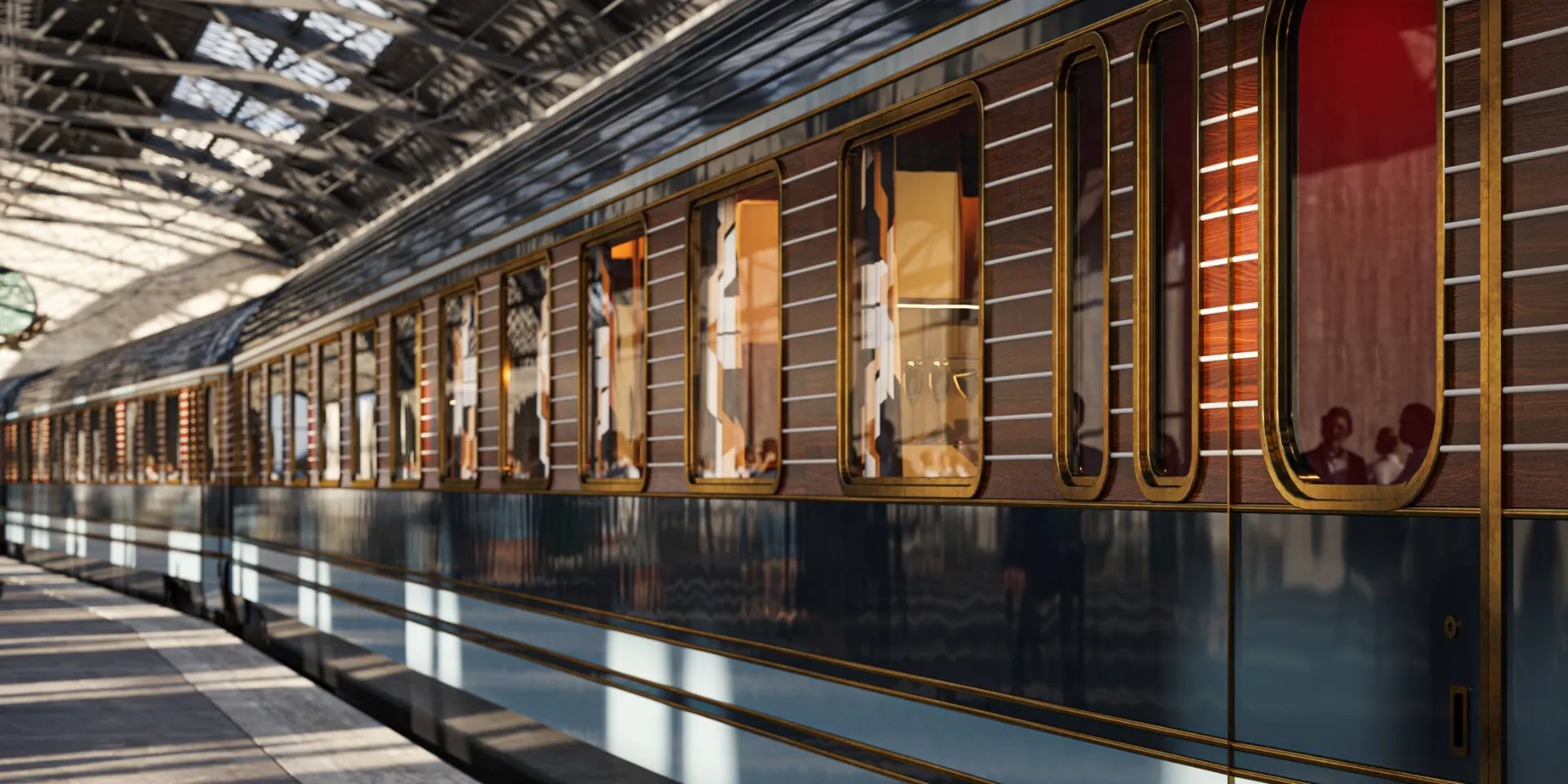
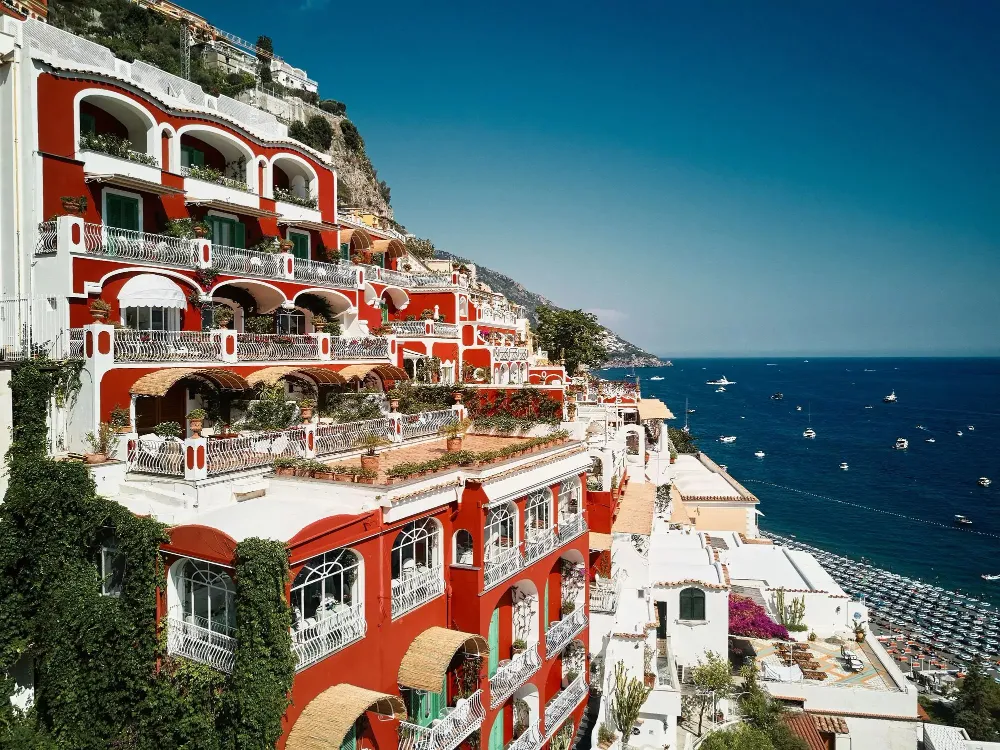
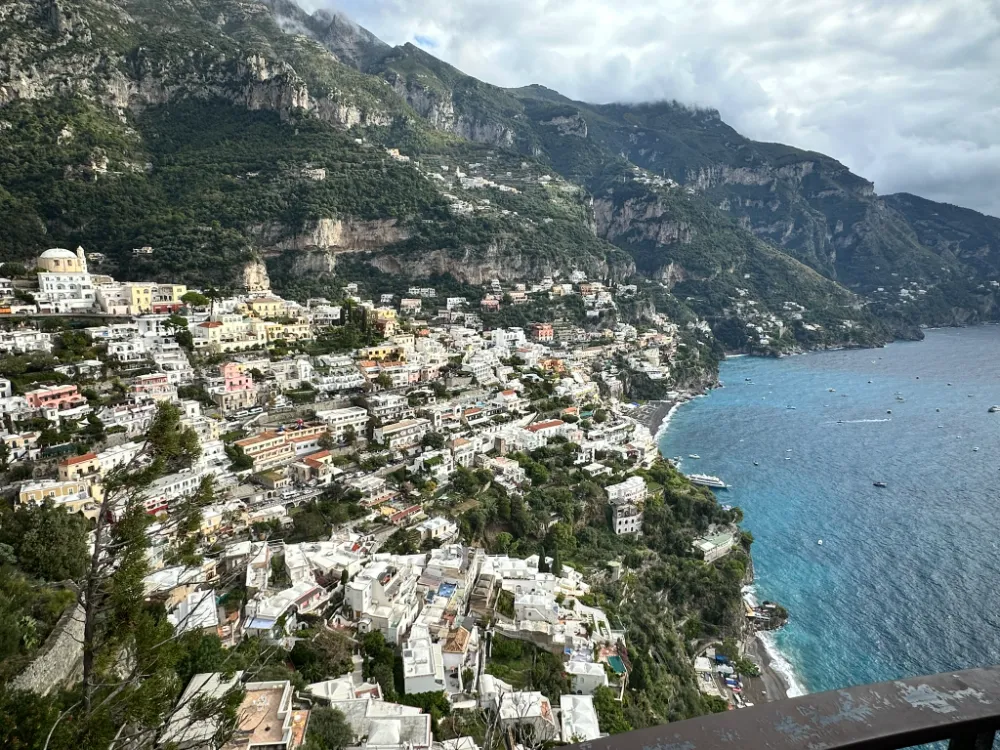
Italy already offers more possibilities than one vacation can hold. A luxury train should not become one more famous thing forced into a crowded map. La Dolce Vita Orient Express works best when its route creates a useful bridge: Rome to Venice, a slower passage through Tuscany, an introduction to Matera, a culinary chapter, or a longer international arc that could not be achieved as elegantly another way.
The train's live program is varied. It includes short gourmet experiences, one- and two-night domestic journeys, longer Italian itineraries and selected international departures. That variety makes the decision more interesting—and makes an old route list unreliable. Choose from the current schedule only after deciding what the rest of the trip needs.
The short answer
Choose the La Dolce Vita route that adds a place or theme your Italy journey does not already cover. Rome–Venice can connect two essential cities; a Tuscany- or Matera-led itinerary can deepen one region; a gourmet escape can place the food and train at the center; a longer journey, including a current Rome–Istanbul possibility, belongs in a rail-focused trip with more time.
Do not choose by route name alone. Direction changes the gateway hotel, flight logic, off-train order and emotional shape. The exact stops, excursions and inclusions vary by departure, so the current written itinerary—not a general map—must control.
Start with the gap in your Italy itinerary
Imagine the trip without the train. What is missing?
If Rome and Venice are already priorities, a route between them can replace a simple transfer with an experience. If the trip feels too city-heavy, a journey through Tuscany may introduce landscape, food and smaller places. If southern Italy is the emotional goal, a Matera-centered departure can help the rail chapter lead toward that part of the country. If the traveler has visited Italy several times, a longer or thematic journey may give the return trip a stronger reason.
This “gap” test prevents duplication. A train stop in a place where the traveler already has three hotel nights may add little. An off-train tasting may feel repetitive inside a vacation already built around private culinary touring. The correct route creates contrast or connection.
It also protects time. Italy rewards staying long enough to understand a place. The train should not turn Florence, Venice and Rome into a procession of luggage handoffs. Count complete days on land after the rail dates are added. If every gateway becomes only one night, the route may be consuming the journey rather than strengthening it.
Use traveler energy as another filter. A departure filled with late dinners, entertainment and off-train experiences can be stimulating even when the route looks effortless on paper. Place it after enough recovery time, and avoid following it with an early flight or an ambitious private tour. The route belongs where the travelers can enjoy its rhythm.
For a couple with different priorities, ask each person to name one non-negotiable place and one preferred pace. A route that connects both interests can become the shared center of the vacation. A route that serves only one traveler may need a stronger land chapter for the other.
This simple test often removes an attractive departure that would have weakened the trip. That is a useful answer too.
Compare the main route personalities
Route personality | What it can contribute | Best suited to | Main planning question |
|---|---|---|---|
Rome and Venice connection | A designed passage between two major gateways, sometimes with regional stops and experiences | A first or milestone Italy trip that already needs both cities | Does the exact direction improve flights, hotels and time in each city? |
Tuscany and central Italy | Countryside, food, wine and a slower contrast to urban stays | Travelers who want regional depth without adding another flight | Does the train complement or duplicate planned touring? |
Southern Italy or Matera focus | A meaningful transition toward a very different landscape and culture | Travelers willing to give the south enough nights before or after | Are transfers and the onward hotel sequence calm and direct? |
Gourmet or themed escape | A short, concentrated rail experience with cuisine or culture as the organizing idea | Travelers whose land itinerary is already complete | Is the train itself worth the time and gateway nights? |
Longer Italian or international journey | More nights aboard and a stronger rail-centered narrative | Repeat visitors and travelers for whom the route is a central ambition | Are passports, borders, duration and cabin life right for the whole party? |
These are planning families, not permanent products. The operator's current search page changes as departures are released or withdrawn. Always compare live itinerary names, dates and directions.

Rome and Venice: let direction solve a real problem
Rome and Venice make natural bookends because both can support international arrivals, important hotels and several days of private touring. A current route linking them can remove a routine travel day and replace it with a one- or multi-night experience.
Direction should follow the whole trip. Rome first can give travelers time to arrive, recover and enjoy the city before boarding. Venice first can create a quieter, water-level beginning before moving toward Rome. Flight schedules, hotel availability and the dates of private visits may decide more than the scenery.
Ask where the train actually begins and ends, not just which cities appear in the title. Confirm lounge or check-in location, station transfer, approximate departure and final arrival. Current La Dolce Vita guidance recommends arriving in the gateway at least a day early. That buffer is particularly important when an international flight would otherwise connect directly to the train.
Review every off-train experience. A stop in Siena or another regional place may be the reason to choose a particular direction, but only if the current itinerary includes the activity and pace the traveler wants. A route title does not guarantee the same program across all dates.
Tuscany, Matera and regional routes: choose depth over collection
A regional journey can add the Italy many travelers imagine between the famous cities: cultivated landscapes, local cooking, historic towns and a slower social rhythm. It is strongest when the land itinerary leaves that region otherwise unexplored.
Tuscany works well as contrast after Rome or before Venice, but it can become repetitive if the traveler already has a villa stay, winery visits and several days in Florence. Decide whether the train supplies a new perspective or simply another tasting.
Matera and southern routes require more commitment. The reward is a distinct geography and atmosphere; the responsibility is to give the south enough time. Do not arrive, take one excursion and leave the next morning merely to place Matera on a list. The train can become the threshold to Puglia, Basilicata or another carefully chosen land chapter.
The exact transport after the rail segment matters. Italy's map can make short distances look easy even when road and rail handoffs are awkward. Protect the final arrival with a private transfer and avoid a same-day flight unless the operator and airline timings leave a genuinely safe margin.
Gourmet and short escapes: let the train be enough
La Dolce Vita currently publishes experiences of very different lengths, including short culinary formats as well as overnight journeys. A gourmet escape can suit a traveler who wants the design, restaurant and social atmosphere without reorganizing an entire Italy vacation around several nights aboard.
The danger is judging a short journey only by duration. It may still require a gateway hotel, early check-in and a large part of the day. Compare the complete door-to-door time with the experience received. A nine-hour program can be valuable when the train itself is the occasion; it is less useful if it fragments a rare full day in Rome.
Short journeys can be excellent for a celebration. They also work for travelers unsure about sleeping on a train. Yet accommodation, transfers, meals and off-train activities differ by itinerary. Do not assume that a daytime gourmet experience includes the same services as an overnight reservation.
If the wider trip already contains destination dining, ask whether this menu adds a distinctive chapter or merely repeats the tone. The most luxurious plan may alternate a formal rail experience with simpler, place-led meals on land.
Longer and international routes: make rail the spine
The current schedule includes longer journeys, including a published Rome–Istanbul itinerary. A route of this scale should not be added casually to a standard Italy trip. It changes the vacation's center of gravity.
Longer journeys reward travelers who like the daily rhythm of a train: waking in a new landscape, dressing for meals, returning to the same cabin and sharing public spaces. More nights make cabin choice, luggage and private time more important. The traveler must enjoy the onboard format, not only the endpoints.
International travel adds border and document responsibilities. Verify passport validity, visas according to nationality, station arrangements and the exact route. The operator's current FAQ says international itineraries require travelers to manage the documents needed for border crossings. Requirements can change and should be checked with official authorities for each passport.
Place land nights around the journey. Rome deserves an arrival buffer; Istanbul or another endpoint deserves enough time that the train does not end in an immediate airport transfer. A long rail story needs a graceful beginning and conclusion.
Let cabin, luggage and excursions influence the route
The route decision cannot be separated from the room. A one-night trip may be comfortable in a Deluxe Cabin for travelers who spend most waking time in the Bar and Restaurant Cars. A longer journey may make the standard Suite's extra space and flexible bed arrangement more valuable. The separately marketed La Dolce Vita Suite requires its own written checks because current official details conflict.
Luggage should follow the route. The current FAQ recommends one cabin bag and says stored luggage will not be accessible aboard. On a one-way journey, confirm where larger luggage travels and when it is returned. The bag needed in Venice may be different from the bag needed after an international arrival in Istanbul.
Off-train experiences also shape physical demands. The operator says passengers may be required to leave the train during stops. Ask about walking surfaces, steps, vehicles, climate and alternatives. A route chosen for its destinations is only right if those destinations are accessible to the traveler.
Dining preferences belong in the same discussion. Published reservations include set-menu dining and selected beverages, while optional dishes, premium beverages and off-train experiences may carry different terms. Confirm dietary needs early and review what is included on the exact journey.
Build the gateway nights before choosing the departure
Every route has an invisible first night: the hotel before boarding. That night absorbs flight disruption, allows luggage to be reorganized and gives the travelers a calmer beginning. It should be part of the route comparison, not an afterthought.
The final night matters too. A late or approximate arrival should lead to a hotel, not a difficult flight. If the train ends in Venice, consider how guests and luggage move from the arrival point to the hotel. If it ends in Rome, check whether the next day's touring allows enough rest.
Compare route options as complete sequences:
arrival city and recovery nights;
train check-in and direction;
nights aboard and off-train program;
final transfer and endpoint hotel;
onward private touring or flight.
Often the best route becomes obvious only when these five pieces are placed on a calendar. A glamorous itinerary that creates two one-night hotel stays may lose to a quieter route with better flow.
Let the train make Italy clearer
The right La Dolce Vita route does not prove how many places can fit into a trip. It gives the journey a clearer shape. It connects two meaningful chapters, introduces a region that deserves attention or makes the train itself a deliberate destination.
Evyssa can compare current departures and then design the gateway hotels, private transfers and Italy touring as one continuous story. Explore Evyssa's custom rail vacations.
What is the best La Dolce Vita Orient Express route for a first Italy trip?
A route connecting places already essential to the trip, such as Rome and Venice, is often easiest to integrate. The live direction, stops and dates still need to support enough time in both cities.
Does every route include the same excursions?
No. Stops, off-train experiences, inclusions and timings vary. Use the current written itinerary for the exact date, not a general description of the train.
Should we choose a one-night or two-night journey?
Choose by how much time you want aboard and what the train replaces. One night can deliver the atmosphere with less schedule impact; two nights give cabin choice and private space more weight.
Is Rome–Istanbul an Italy add-on?
It is better treated as a major international rail journey. It needs its own document, gateway, cabin and endpoint planning rather than being squeezed into a standard Italy itinerary.
Which direction is better?
The direction that creates the calmer arrival, stronger hotel sequence and safer onward plan is usually better. The map alone cannot decide.

Csilla Dali
Founder & Lead Travel Advisor
Itineraries to consider
Are You Planning Your Next Vacation?
Check out our top recommendations!