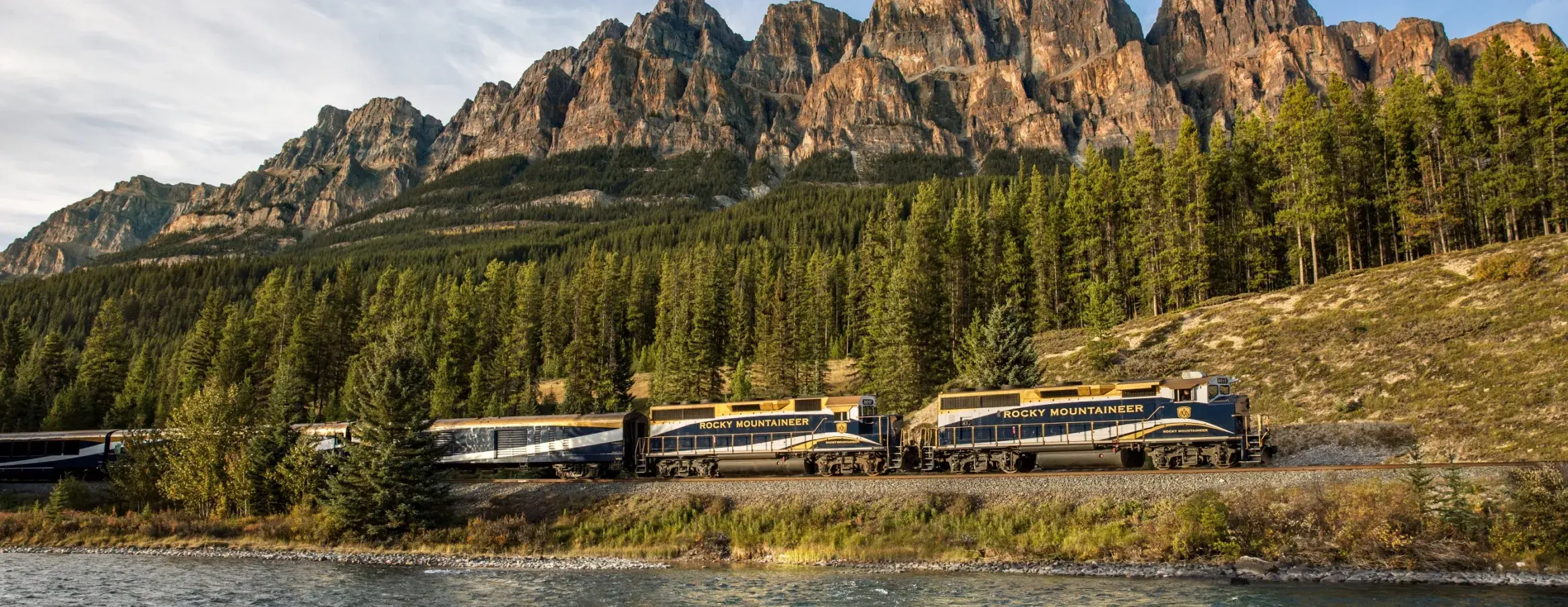
Two reservations bearing the same train name can produce different rooms, nights, meals and routes. Before a deposit is paid, the practical facts need to come out of the small print and into one clear decision.
The aim is not to remove every surprise from travel. It is to make sure the surprise is the light on the landscape, not a shared bathroom the traveler expected to be private or a connection that never had enough time.
The short answer
Before booking a luxury train, confirm seven areas: the exact product and route; date and direction; cabin, bed and bathroom; inclusions and exclusions; luggage, dress and dining; mobility, health and entry needs; and every hotel, transfer and flight around the train.
Put the answers in writing for the exact departure. If any answer materially changes comfort, access, timing or cost, keep the booking flexible until it is resolved.
1. The exact train, route and operating format
A brand name is not a complete itinerary. Confirm the operating train, journey name, boarding station, arrival station and every non-rail portion.
Some products are daylight trains with hotels at night. Others are true sleepers. Some routes include coach, ferry, hotel or private-transfer segments. A journey may use a famous name while operating a shorter route or a different seasonal program.
Ask:
What is the exact train and journey name?
Where does it board and arrive?
How many nights are on the train?
Are any hotel nights included in the program?
Does any portion operate by road, water or ordinary rail?
Which excursions form part of the itinerary?
Read the day-by-day schedule rather than relying on the headline. If a particular landmark, border crossing or stretch of scenery is central to the traveler, confirm that it belongs to the chosen departure and direction.
Keep the current operator confirmation with the proposal. Older articles and social posts can help generate questions, but they do not prove what runs now.

2. The date, direction and real timing
The same route in reverse can change the flights, gateway hotels, onward geography and emotional shape of the vacation. Direction should therefore be selected as part of the complete trip.
Confirm the local departure and arrival dates, check-in time, boarding deadline and current approximate arrival. Note every time-zone change. If the journey crosses a border, understand when entry formalities occur and which documents the traveler needs.
Then test the edges. Is there a protected night before boarding? Can the arrival connect to the next hotel without rushing? Is anyone proposing a same-day international flight that depends on the train being exactly on time?
Published schedules can change. Avoid making the surrounding plan needlessly brittle. A calm gateway night is often worth more than extracting one additional destination from the calendar.
If one direction offers the better cabin but the other creates a much stronger vacation, compare the whole value. The right departure is not decided by the train alone.
3. The cabin, bed and bathroom you will actually use
Cabin names can hide the physical experience. Ask for the exact category, layout and occupancy on the confirmed departure.
Record:
cabin dimensions and daytime setup;
fixed bed or evening conversion;
twin, double, bunk or another arrangement;
bed access and height;
private or shared toilet;
private, shared or no shower;
storage for luggage;
connecting door, if required and truly available;
distance to public rooms;
any steps or narrow corridors.
A private cabin does not guarantee a private bathroom. An ensuite does not guarantee generous space or an accessible layout. A “double” category may not mean one double bed.
For a couple, confirm whether the bed arrangement supports both travelers. For solo travel, distinguish a purpose-built single from sole use of a double cabin. For a family, do not assume rooms connect or that a child can share any category.
If the traveler has limited mobility or needs help at night, trace the route from bed to bathroom while the train is moving. Photographs are useful, but written dimensions and operator confirmation are stronger evidence.
4. What is included and what remains outside the fare
A luxury rail price may include accommodation, meals, beverages, excursions and some transfers. The exact bundle varies by product, category and departure.
Create two columns: included and still to arrange. Check:
meals and beverages;
premium drinks or special orders;
off-train excursions;
hotels within the advertised route;
station or airport transfers;
gratuities;
laundry, spa or personal purchases;
visas, permits or entry charges;
travel insurance;
flights and ordinary rail;
pre- and post-train hotels and touring.
Avoid using a supplier-controlled starting price as if it were a current final fare. The confirmed proposal should show the date, cabin, occupancy, currency, taxes, deposit and cancellation conditions.
If an amenity or affiliated benefit is mentioned, record the exact qualifying stay or departure and current terms. A general partnership is not proof that every booking receives the same value.
Compare complete-trip cost. A sleeper may replace hotel nights and include meals. A daylight train may require hotels and transfers outside the ticket. One line item rarely tells the whole story.
5. Luggage, dress and dining details
These three practical areas shape daily comfort more than travelers expect.
For luggage, confirm the current number, size and weight of bags, where large cases are stored and what remains accessible aboard. If luggage moves separately, identify who collects it, where it goes and when it returns.
Keep passports, medication, chargers, valuables and the clothing needed during the rail segment in the personal bag. A split-luggage plan works only when custody is documented.
For dress, turn guidance into an evening-by-evening list. Ask whether any meal is formal, whether daytime excursions require practical shoes, and how the weather changes across the route. Do not force the traveler to pack for a staged photograph.
For dining, confirm:
meals included;
seating times and shared-table format;
private or in-cabin dining, if important;
dietary requests and allergy process;
beverages included;
food available outside meal hours.
Provide dietary information early and in precise terms. Vegetarian preference, intolerance and severe allergy require different answers. Never promise safe accommodation until the operator confirms it in writing.
6. Mobility, health, equipment and entry needs
Assess the traveler, not an abstract idea of the “average guest.” A luxury train can involve steps, narrow corridors, moving floors, compact bathrooms, long platforms and uneven excursion terrain.
Share practical details with permission:
walking and standing tolerance;
steps that can be managed;
balance and transfer needs;
wheelchair, scooter or walker dimensions;
bathroom requirements;
assistance a companion can provide;
medical equipment or medication storage;
dietary or sensory needs.
Ask each provider what it can support and what staff cannot do. Station help does not prove cabin access. An elevator in one coach does not prove the hotels, vehicles and excursions will work.
Travel fitness and clinical advice belong with the traveler’s qualified healthcare professional. The advisor’s role is to describe the trip accurately, gather provider confirmations and avoid medical promises.
Check passports, visas, entry rules, insurance and any route-specific documents from current official sources. Requirements can depend on nationality, residence, transit point and date. Recheck close to travel rather than treating an earlier answer as permanent.
7. Every connection around the train
The reservation is not complete until the train can operate gracefully inside the vacation.
Protect the departure with an appropriate gateway stay. Confirm the hotel, exact station, vehicle, pickup time, meeting point and luggage plan. If a transfer is included, read the area and timing conditions.
At arrival, decide whether the traveler needs rest, a private tour or an onward connection. Avoid a tight flight simply because the timetable looks possible on paper. Calculate station exit, luggage, vehicle, airport, check-in, security and border time.
Give each handoff an owner:
arrival airport or station;
gateway hotel;
driver to the train;
station and boarding assistance;
onboard host;
excursion guide and vehicle;
arrival station and driver;
next hotel, flight or rail service.
Put local contacts and backup instructions in one chronological traveler document. When a time changes, review all later segments. A corrected train line is not enough if the driver and hotel still hold the old arrival.
Use one final pre-booking record
Before payment, read the seven areas in order. Mark each answer as confirmed, awaiting confirmation or not applicable. Do not let a vague reassurance sit beside a hard requirement.
The record should identify the evidence: current proposal, operator email, official page, hotel confirmation or transfer instruction. It should also show the date checked and the person responsible for any open item.
Then ask three final questions:
Does the traveler understand the actual room and daily rhythm?
Can the complete route work with the traveler’s body, luggage and priorities?
If one important detail changes, what is the acceptable alternative?
The purpose is not to make the journey feel bureaucratic. It is to keep the practical work behind the scenes so the traveler can step aboard with confidence.
Use the same record to compare two shortlisted options. Place the facts side by side without letting cabin names or supplier adjectives decide the answer. A smaller room on the better route may win. A daylight train with a hotel bathroom may suit the traveler better than an overnight suite. The checklist turns “luxury” into a usable decision.
Separate a request from a confirmation. A preferred table, celebration amenity, adjoining room or adapted excursion can be requested without being confirmed. Mark it as pending until the provider accepts it for the exact booking.
Read all costs in one currency when comparing, but preserve the supplier’s original currency and terms. Exchange rates can move, and card or transfer fees may apply. Treat a converted total as an estimate unless your written quote confirms a fixed amount.
Before paying, ask your advisor to check the final proposal for station mismatches, missing bathroom details or transfer gaps, and make sure any correction appears in your booking confirmation.
Keep the evidence dated. An official page checked today is not permanent proof for travel months later. Recheck changing details before final payment and again before departure, while preserving the earlier answer so any change can be understood.
Ask for a short travel summary naming the train, date, stations, cabin, bathroom, luggage, dress, key inclusions and every transfer. Keep it with your final travel documents.
If the trip involves several currencies, confirm when and how each payment is due. Do not assume a deposit protects a rate, tax or exchange value beyond the written terms.
Review accessibility, dietary and medical equipment confirmations separately from general service notes. These are not preferences to be buried in a welcome message. They should have a responsible provider, written answer and recheck date.
Check the names on tickets and confirmations against passports exactly. This simple step can prevent a difficult correction close to travel. Also confirm which documents must be printed and which can be shown electronically.
Ask which details are still pending before paying. A preferred table may remain unconfirmed; a fact that determines safety, access or cabin suitability needs a clear answer before you commit.
Before travel, check that you can identify the correct station, room, bathroom and luggage plan without reading several proposals. Confirm what to wear, where meals happen and who meets you after arrival. If any answer is unclear, ask your advisor to complete the travel instructions.
Keep a dated copy of the final itinerary and compare later changes against it so a revised time, cabin or inclusion does not create a gap elsewhere in the trip.
What is the most important detail to confirm first?
Confirm the exact train, route, date, direction and operating format. Every cabin, hotel, flight and transfer decision depends on that foundation.
Does a private cabin include a private bathroom?
Not in every case. Confirm the exact toilet and shower arrangement for the named category. “Private cabin” and “ensuite bathroom” are separate facts.
Are meals and excursions included with every journey?
No universal rule applies. Inclusions vary by train, cabin, itinerary and departure. Use the current written proposal.
Should you book flights as soon as you choose the train?
First secure the rail date and cabin, then build protected flights and gateway stays around them. Avoid inflexible connections while important train details remain unresolved.
When should these facts be checked again?
Recheck before final payment and again before travel. Schedules, rolling stock, policies, entry rules and service details can change.
Make confidence part of the luxury
Luxury is not the absence of practical questions. It is the result of answering them before they become the traveler’s problem. Seven clear confirmations can protect the cabin, the connection and the meaning of the entire trip.
Evyssa can compare the exact options, close the open details and build the complete vacation around the rail journey. Explore Evyssa’s custom rail vacations.

Csilla Dali
Founder & Lead Travel Advisor
Itineraries to consider
Are You Planning Your Next Vacation?
Check out our top recommendations!