A porter at the platform can solve one part of a journey. It cannot tell you whether the carriage corridor is wide enough, whether the bed is reachable, whether the bathroom works for you or whether tomorrow’s excursion crosses steep stones. Luxury rail with limited mobility has to be examined as one continuous physical path.
Historic trains were often built long before modern access standards. Newer trains can still involve steps, compact rooms and moving floors. A famous name, a station-assistance service or an elevator in one carriage does not prove that the complete vacation is suitable.
The short answer
Luxury train travel may work for a person with limited mobility when the exact departure is checked from hotel door to station, platform, carriage, cabin, bathroom, public rooms, excursions and the next hotel. Share specific needs early and ask each provider for written answers.
Do not rely on the single word “accessible.” Describe walking tolerance, steps, balance, transfers, equipment dimensions and the help a companion can or cannot provide. Then identify who is responsible at every handoff.
This is trip-planning guidance, not medical advice. A traveler should discuss health and travel fitness with an appropriate clinician when needed, while the advisor confirms the physical details with operators.
Start with what the traveler actually needs
“Limited mobility” can mean many different things. One traveler can walk slowly but cannot stand for long. Another uses a folding wheelchair for distance. Someone may manage two steps with a rail but not a flight of stairs. Balance on a moving train can be harder than walking through a hotel.
Prepare a short, factual access profile:
maximum comfortable walking distance;
whether standing in a queue is difficult;
number and height of steps that can be managed;
need for a rail, companion or staff assistance;
wheelchair, scooter or walker dimensions and weight;
ability to transfer into a seat, bed or vehicle;
bathroom and shower requirements;
relevant sensory, fatigue or dietary needs;
assistance the traveling companion can safely provide.
Use plain measurements and actions. “Cannot climb more than two steps” gives an operator something to evaluate. “Needs an easy journey” does not.
Ask the traveler’s permission before sharing personal details, and disclose only what providers need to assess the trip. Keep medical records private unless a specific, legitimate process requires them.

Trace the path from curb to cabin
Begin at the gateway hotel, not on the train. Can the vehicle take the mobility equipment? Is there step-free access at the hotel? How far is the walk from the vehicle drop-off to the assistance meeting point? Who carries the luggage while the traveler uses a rail or walking aid?
At the station, confirm:
where assistance begins and how far in advance it must be arranged;
whether a lift, ramp or boarding aid is available for the exact platform and train;
whether the traveler must transfer from a wheelchair;
who handles equipment and luggage;
what happens if the platform changes;
where the traveler waits and boards.
Then move through the carriage. Measure or obtain written information about the entrance, corridors, cabin doorway, bed, bathroom and route to the dining and observation cars. A train may provide boarding help while leaving a passenger unable to reach a public room comfortably.
The motion of the carriage matters. Someone who walks independently on firm ground may need a handhold or companion between cars. Ask about thresholds, doors and stairs.
Inspect the cabin and bathroom honestly
Cabin photographs can make spaces look larger than they feel. Request the exact floor plan or measurements when access depends on clearance.
Confirm whether the traveler can:
enter and turn with the mobility aid;
reach the bed and get in safely;
use the toilet at night;
reach a shower, if one is present;
call for assistance from the cabin;
store equipment without blocking the exit;
reach clothes and essential medication.
Some categories use shared facilities. Others have an ensuite bathroom that is private but very compact. “Private bathroom” does not mean an accessible bathroom. A cabin upgrade may add space, yet even a suite can retain narrow doors, fixed furniture or steps.
If a traveler cannot transfer independently, ask exactly what staff are trained and permitted to do. Do not assume hospitality staff can provide lifting, personal care or medical support. If a companion must assist, decide whether the cabin layout makes that practical.
Check every public room and excursion
The rail experience often lives outside the cabin. Dining cars, lounges and observation areas need their own access check. A beautiful bar is not a benefit if the traveler cannot reach it.
Off-train excursions can be the deciding factor. Historic streets, rural paths, safari vehicles, boats, platforms and older attractions may introduce surfaces or steps not obvious from the itinerary title. Ask for walking distances, terrain, vehicle height, seating, rest points and bathroom access.
Confirm whether an activity can be adapted privately, whether an alternative exists and whether the traveler may stay aboard safely. Never promise that an excursion can be skipped or modified until the operator has confirmed it.
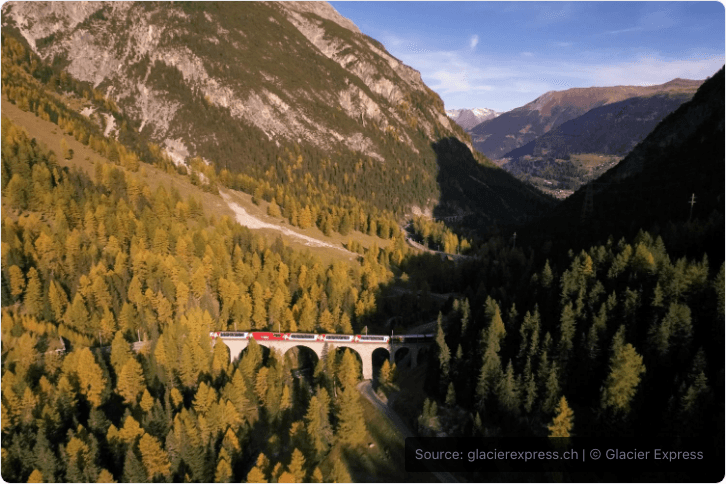
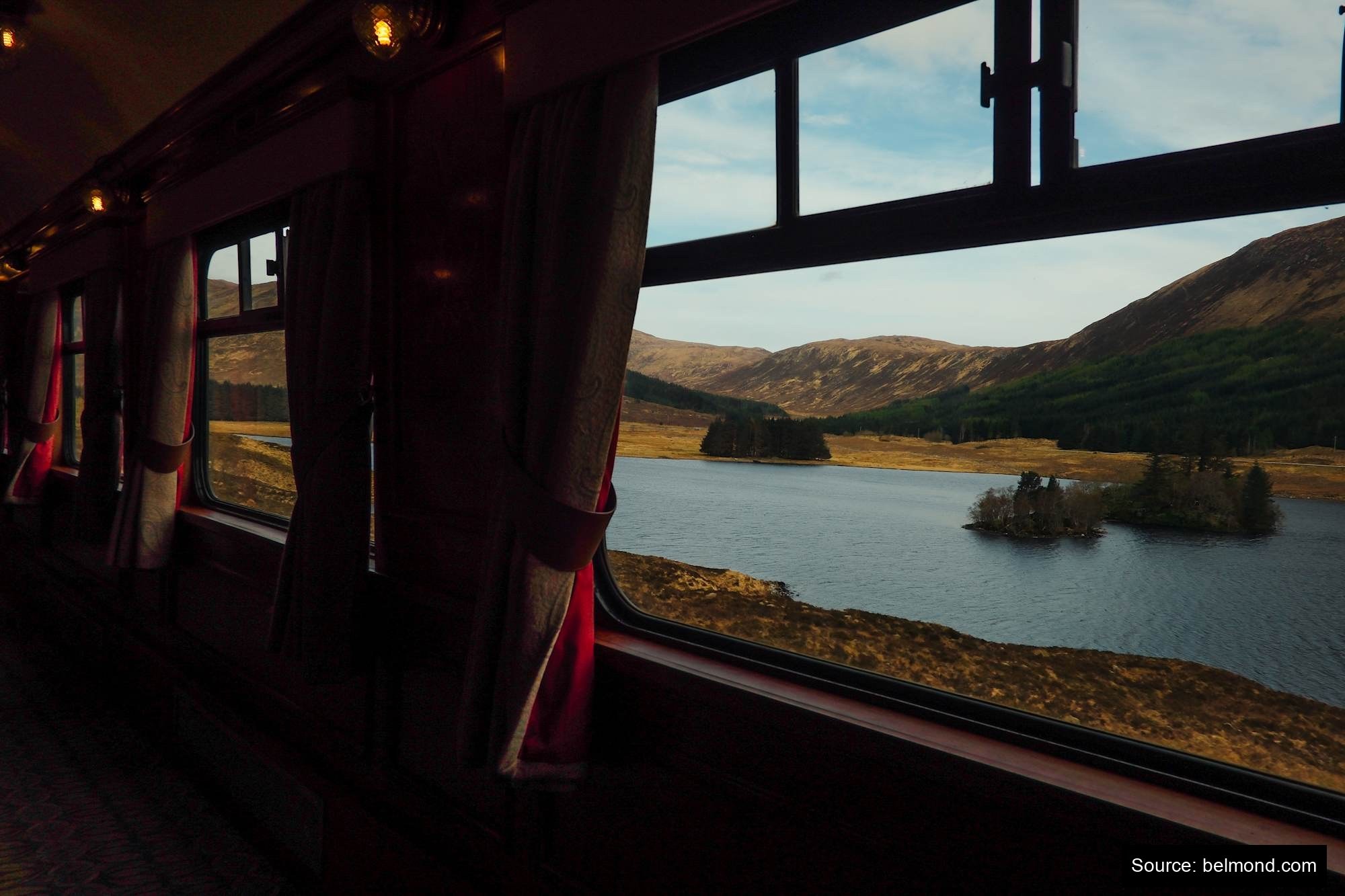
Current official examples show why detail matters. Journey Beyond says its Gold Access cabins are subject to availability and uses a fitness-for-travel assessment. Glacier Express directs wheelchair reservations to Railservice for individual arrangements. Royal Scotsman asks guests with mobility questions to contact its team. Rocky Mountaineer describes an elevator in GoldLeaf coaches, but that feature alone cannot prove that the stations, hotels, motorcoach transfers and entire route are accessible.
These examples are not rankings. They show that each product uses its own process and that a traveler-specific conversation is necessary.
Give each transfer a named owner
A complete access plan should name who is responsible for every movement:
hotel staff at departure;
private driver and suitable vehicle;
station assistance team;
train staff at boarding;
onboard host during the journey;
excursion guide and vehicle provider;
arrival station team;
next driver and hotel.
Record meeting points, phone numbers and time windows in one traveler-facing document. If equipment travels separately, name who receives it and when it returns.
Build margin into the schedule. A traveler who moves slowly should not be forced to hurry because a transfer was calculated for an able-bodied passenger with a small bag. Protect the night before a fixed rail departure and avoid a tight flight connection after arrival.
Contingency planning should be equally specific. If a lift fails or an excursion vehicle changes, who decides the alternative? If the traveler becomes too tired for the planned activity, is there a safe place to rest? Insurance should be chosen with the traveler’s circumstances and trip terms in mind.
Ask for written, departure-specific confirmation
Phone reassurance is not enough for a high-value journey. Ask providers to confirm the exact date, route, carriage or cabin category and the assistance promised. Save the answers with the booking.
Use a checklist that covers:
station, platform and boarding method;
wheelchair or equipment acceptance;
cabin and bathroom measurements;
bed and transfer needs;
movement between carriages;
dining and lounge access;
excursion terrain and vehicles;
adapted alternatives;
staff assistance limits;
emergency and medical arrangements;
hotels and private transfers;
current entry and insurance requirements.
Recheck close to departure. Equipment, platforms, rolling stock and excursion details can change. A plan that worked last season is evidence to ask better questions, not proof for this departure.
Read the answers together rather than as isolated permissions. A ramp at the station has limited value if the traveler cannot reach the bathroom. An adapted cabin does not solve an excursion vehicle that requires a high step. The trip passes only when the complete sequence works.
Ask who supplies each piece of equipment. If a ramp, wheelchair, oxygen arrangement or adapted vehicle is important, the provider, model or dimensions and backup plan should be documented. Do not assume the train, hotel and transfer company use the same definition of assistance.
The companion’s role deserves its own check. A partner or adult child may be willing to help with luggage or steady a hand, but may not be able to lift, push long distances or provide personal care. The plan should never assign physical duties by implication. Record what the companion can safely do and what professional support must cover.
Fatigue can change during a multi-day trip. A traveler who can manage the first excursion may need a quieter second day. Confirm whether there are genuine choices, whether rest is possible and how the traveler rejoins the program. Do not advertise flexibility until the operator has explained it for that departure.
Hotels before and after the train need the same detail. A room labeled accessible may still have a bed height, bathroom setup or entrance that does not work for this traveler. Ask for measurements or photographs when the fit depends on them, and confirm the route from vehicle to room.
Keep the traveler’s own instructions simple. One page should show the assistance meeting points, contact numbers, equipment plan and who takes over at every transfer. The working file can hold the detailed evidence; the traveler should not have to search through it while standing on a platform.
If any critical answer remains vague, hold the booking or choose another format. The pressure of limited inventory does not make an unsupported access assumption safer.
Include bathroom stops and rest opportunities in transfer and excursion planning. A vehicle can be technically suitable while the route remains too long without a practical stop. Ask where facilities are located and whether the traveler can reach them, rather than assuming every station or attraction provides the same access.
Weather and surface conditions deserve a current check. Rain, ice, heat or altitude can change the effort required for a platform or excursion. Describe normal conditions carefully, avoid guarantees and prepare an alternative that the provider has actually accepted.
If equipment uses power, confirm charging, voltage, storage and transport rules with each provider. Keep essential medication and small aids with the traveler. Never place a necessary device in baggage that may be unavailable during the day unless an approved backup exists.
Allow more time without turning the traveler into a problem to be hurried. Early boarding, a calmer transfer and a well-placed room can protect dignity. These choices should be built into the schedule rather than offered as last-minute favors.
Record the difference between independent use and use with assistance. A doorway may be passable only after a transfer from the wheelchair; an excursion may work only with a companion. The final suitability statement should say under which conditions the journey works.
Before final payment, ask the traveler to review the written access plan in their own words. If their understanding differs from the supplier confirmation, resolve the gap before the reservation becomes harder to change.
Keep a dated copy of every answer and identify the person or team who confirmed it for the exact journey.
The conditions should remain clear in the final traveler summary.
Know when the better answer is another journey
Not every luxury train will be a good fit. That does not mean rail itself is impossible.
A daylight train with a proper hotel at night may suit someone who needs a larger bathroom and a stable bed. A shorter route may deliver the landscape without several nights of compact cabin living. Private touring around a scenic rail day may provide more control than a fixed multi-day excursion program.
The goal is not to make the traveler fit a famous train. It is to find a format that respects the body, energy and comfort of the traveler. A confident “this option is not suitable” is more valuable than an elegant itinerary built on hope.
Choose dignity over the famous name
A luxury rail journey succeeds when the traveler can use it with comfort and confidence. That requires more than a promise at the platform. It requires one verified path through every door, corridor, room, vehicle and excursion.
Evyssa can help ask those questions early, compare realistic rail formats and coordinate the hotels and private transfers around the chosen journey. Explore Evyssa’s custom rail vacations.
Are luxury trains wheelchair accessible?
Some journeys can support some wheelchair users, but no universal answer is safe. The exact stations, boarding method, carriage, cabin, bathroom, public spaces, excursions and equipment must be confirmed for the traveler and departure.
Is station assistance enough?
No. It may help the traveler reach or board the train, but it does not prove that the cabin, bathroom, dining car, excursions, hotels or transfers will work.
Does an ensuite cabin mean an accessible bathroom?
No. An ensuite can still be compact, with a narrow door, fixed furniture or a step. Ask for the precise layout or measurements.
Can staff lift or provide personal care?
Do not assume so. Ask what staff are trained and permitted to do. Personal or medical care may require a capable companion or specialist support.
What information should you give the operator?
Share the practical facts needed to assess the journey: walking tolerance, steps, balance, transfer ability, equipment type and dimensions, bathroom needs and the help available from a companion.