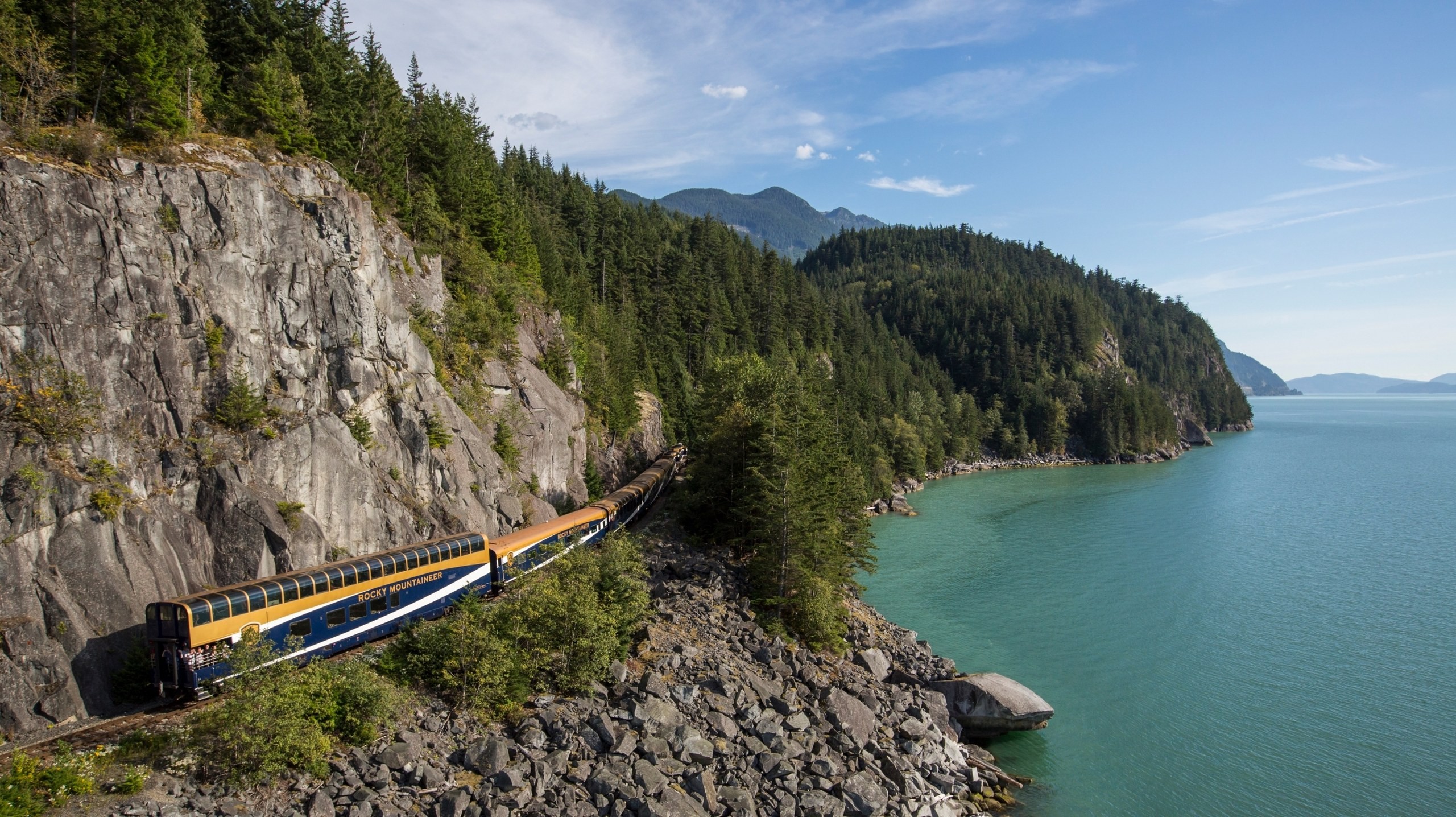
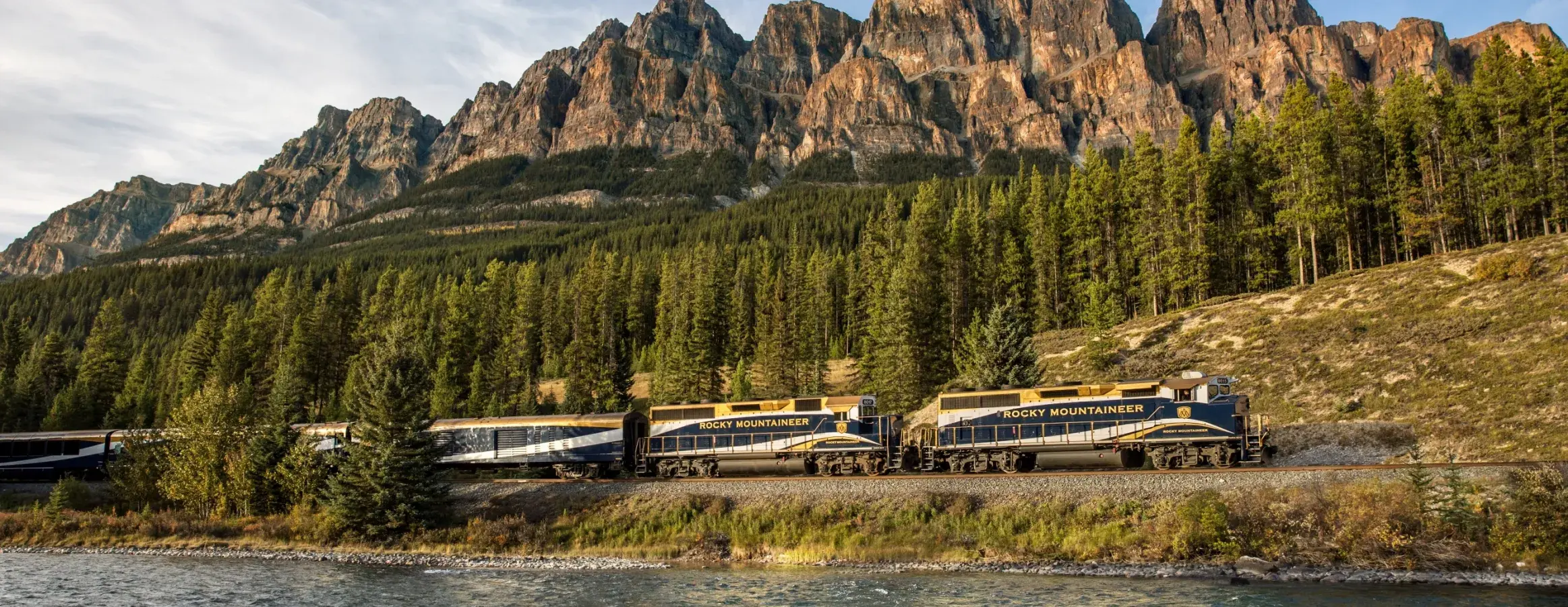
A Rocky Mountaineer package can look like one seamless vacation on the booking page. In practice, it is built from several layers: a daylight rail journey, an onboard service level, hotel nights, transfers and any land touring added before or after the train. Those layers do not always rise or fall together.
That is why the best package is rarely the one with the most impressive label. It is the one whose rail route, hotels and time in the Canadian Rockies support the trip you actually want.
The short answer
Rocky Mountaineer is a daylight train, not a sleeper. Guests watch the scenery and dine aboard during the day, then stay in hotels at night. Current packages may combine rail travel, selected meals, luggage handling, station transfers, hotel nights and specific activities, but the details vary by route and product.
Compare the complete itinerary line by line. Confirm the train service, hotel category, number and location of hotel nights, transfers, included touring, meals and exclusions. Then decide whether the whole journey gives Banff, Lake Louise, Jasper or Vancouver enough time.
Start by separating the five parts of the package
A package name can hide decisions that deserve separate attention.
Package layer | What to confirm | Why it matters |
|---|---|---|
Rail route | Gateways, direction and number of rail days | It determines which part of the Rockies fits naturally afterward |
Onboard service | SilverLeaf or GoldLeaf where offered | It changes the viewing and dining experience, not the destination hotels |
Accommodation | Number, location and category of hotel nights | A practical midpoint room and a destination stay serve different purposes |
Transfers | Station, hotel, airport and park connections | A missing handoff can create cost or an awkward travel day |
Land program | Tours, admissions, meals and free time | It determines whether the trip feels considered or simply transported |
Rocky Mountaineer’s current Canadian products show why this separation matters. Some combine two days of rail with a hotel night in Kamloops and several additional nights around Vancouver or the Rockies. Others add activities or extend the land itinerary. The presence of a hotel in one package does not prove that the same night, transfer or category appears in another.
The train date is only the spine. The vacation takes shape in the details around it.

What the rail portion usually means
Rocky Mountaineer’s defining feature is daylight travel. Instead of sleeping through part of the route, guests leave the train for a hotel overnight and return the next day. On the Canadian routes, the midpoint arrangement is designed to keep the rail journey moving while protecting daylight views.
That structure suits travelers who want scenery without a night in a compact sleeper cabin. It also creates more handoffs than a traditional overnight train. Larger luggage may travel separately during the rail day, while a smaller bag keeps medication, documents, valuables and anything needed before the main luggage returns.
Meals served aboard are tied to the rail journey and service level. SilverLeaf generally keeps guests in a single-level coach with dining at the seat. GoldLeaf uses a bi-level dome coach, with seating upstairs and a separate dining room below. That distinction affects how the day feels, but it does not automatically choose a better hotel after the train.
Use the written itinerary for the selected 2027 departure. Confirm the number of rail days, midpoint hotel, station transfers and named meals. A two-day Canadian rail sector is not the same as a two-day holiday: additional gateway and park nights may make the complete package much longer.
Hotel nights need their own review
The phrase “hotel included” is not enough. A midpoint hotel between rail days has a different job from a resort stay in Banff, Lake Louise or Jasper.
The midpoint property is usually practical. Guests arrive after a long scenic day, sleep, and return to the train the next morning. The exact hotel may be assigned closer to travel, and the emphasis is often smooth operation rather than a resort experience. A destination hotel, by contrast, shapes several days of the vacation. Its location, view category, dining access, room layout and proximity to touring can materially affect the trip.
Ask four simple questions:
Which hotel nights are confirmed and which are only described by category?
Is the room type guaranteed, requested or assigned later?
Does the hotel location support the planned touring without repeated transfers?
Are taxes, resort charges, breakfasts and luggage delivery included?
Hotel tier and train service are separate choices. A GoldLeaf booking does not automatically mean every destination hotel is the highest available category. Equally, a traveler may prefer SilverLeaf aboard and spend the difference on a better-positioned lodge, an extra night in Jasper or a private day through the parks.
The useful comparison is not “Which package has more nights?” It is “What purpose does each night serve?”
Transfers and touring can change the value
Current Rocky Mountaineer packages may include station transfers, luggage handling and selected activities. The exact boundary matters. A station-to-hotel transfer is not the same as an airport arrival, a private park transfer or a transfer between Banff and Lake Louise.
Map the trip door to door. Start with the international flight, then add the gateway hotel, station meeting point, midpoint hotel, rail endpoint, park transfers and final departure. If any segment is blank, it still needs a plan and a budget.
Touring deserves the same care. A package may include a gondola, sightseeing experience or motorcoach segment on a particular itinerary. That does not make the activity universal. It may also be scheduled at a pace that is convenient for the group but less flexible than private touring.
Travelers who value freedom may prefer a simpler rail-and-hotel package with carefully chosen private days. Others may appreciate having the major pieces arranged together. Neither is automatically more luxurious. Luxury is the version that reduces friction without filling every hour.
Allow breathing room in Vancouver and the Rockies. A same-day international arrival before the rail journey creates unnecessary exposure to flight delay. At the other end, a fixed flight immediately after the expected train arrival assumes a live rail network will behave like a private transfer. A hotel night can protect the connection and make the finish calmer.
What may remain outside the package
For 2027, read the inclusions and exclusions attached to the exact package. Items to check include airport transfers, meals not named in the itinerary, optional activities, personal purchases, gratuities, taxes or surcharges and travel insurance. Use this as a comparison list, not a claim that every package excludes the same things.
The surrounding vacation often adds more: international flights, gateway hotels, park stays, private touring, restaurant reservations, spa appointments and transport between Canadian destinations. Those are not small details. They can represent much of the trip’s comfort and cost.
This is also where a headline price can mislead. One package may look lower because it ends sooner, uses fewer destination nights or leaves transfers separate. Another may look higher because it includes arrangements the traveler would otherwise add. Compare both at the same finish line.
The complete-trip total should include:
the chosen rail service and exact route;
every hotel night before, during and after the train;
airport, station and park transfers;
touring and admissions that matter to the traveler;
meals and beverages not named as included;
insurance, gratuities, taxes and personal spending where applicable.
Only then can the package be judged fairly.
Match the package to the route and the traveler
First Passage to the West naturally supports Banff or Lake Louise. Journey Through the Clouds supports a Jasper-centered plan. Confirm the 2027 date, direction and service before adding the surrounding land itinerary. Routes found in older material, including Rainforest to Gold Rush, should not be offered as bookable alternatives until confirmed for the chosen year.
For a first Canadian Rockies journey, a two-day rail sector may leave more time for the parks. A traveler who tires easily may value fewer hotel changes. A multigenerational group may benefit from private transfers and flexible park days more than another packaged activity. Compare the confirmed whole trip with the travelers’ priorities.
Mobility also affects the service choice. GoldLeaf separates upper seating from lower dining; ask about elevator access in advance. SilverLeaf keeps the main experience on one level. Confirm boarding, restrooms, transfers and hotels for each traveler rather than treating either service label as an accessibility guarantee.
Dietary requests should be raised before travel, not at the first meal. Confirm what the operator can accommodate and repeat the request across destination hotels and private tours. A package is only as coherent as its handoffs.
If the preferred combination is unavailable, do not upgrade or substitute automatically. Revisit the priorities. A different direction may preserve the same parks. Another date may protect the desired hotel. A lower onboard category may free space for a more meaningful land chapter. The right answer depends on what the traveler would notice most.
A useful example for 2027 planning
The operator’s First Passage to the West Discovery material combines a two-day rail sector with a longer hotel-based holiday. This illustrates why rail days and vacation length must be compared separately. Confirm the exact 2027 direction, hotel nights, room categories, meals, transfers and activities in the written proposal; the example does not define what every Rocky Mountaineer package includes.
A practical way to compare two packages
Place the itineraries side by side and normalize them.
First, mark every rail day and hotel night. Then label each hotel as midpoint, gateway or destination. Add all transfers, including the ones that are not included. Highlight every named meal and activity. Finally, count the unstructured time in the places that motivated the trip.
This exercise often exposes the real difference. One package may include more but leave only one hurried night in the mountains. Another may look simpler but create three calm nights in Jasper. One may feature GoldLeaf yet use a hotel location that requires daily transport. Another may combine SilverLeaf with a stronger overall flow.
Ask what would be disappointing to lose. If it is the dome view and separate dining room, protect GoldLeaf. If it is a certain park, hotel or private experience, protect that first. If it is rest, choose fewer moves and longer stays.
Do not let “included” become the goal. An included activity that does not suit the traveler has little value. An extra unplanned afternoon in Lake Louise may be more valuable than another scheduled stop.
A final comparison should also test the shape of each day. A package can appear generous because it names several destinations while relying on late arrivals and early departures. Note when the traveler actually reaches the room, when luggage is returned and how much usable daylight remains. A hotel night is not equivalent to a full destination day.
Look for repeated packing. The rail midpoint requires one hotel handoff; a land program with a new room every night adds more. Travelers who value calm may prefer fewer places and deeper stays, even if the package list becomes shorter.
Finally, identify every part that is still “to be advised.” An unnamed hotel, unconfirmed transfer or optional tour is not necessarily a problem, but it is uncertainty. Record who will confirm it and when. The proposal should show what is booked, what is requested and what may change.
This last pass turns a collection of inclusions into a usable journey. It also gives the traveler a fair basis for choosing between packages that are not built the same way.
Keep both versions until the traveler can see the tradeoff in plain language. A comparison should make it obvious which package gives more rail comfort, which gives more destination time and which leaves more arrangements open. If that answer remains hidden, the package summary is not yet clear enough to approve.
Plan the complete journey, not only the train
Rocky Mountaineer can be a memorable centerpiece, but the vacation succeeds in the nights, transfers and park time around it. Read the exact package, protect a buffer at the gateways and spend where the difference will be felt.
Evyssa can compare the current rail options and build the hotels, transfers and Canadian Rockies itinerary around the right one. Explore Evyssa’s custom rail vacations.
Are meals included on Rocky Mountaineer?
Meals during the rail journey are included according to the current service and itinerary. Meals on hotel or land days vary. Check the exact package rather than assuming breakfast, lunch and dinner are covered throughout.
Does Rocky Mountaineer include hotels?
Rocky Mountaineer packages include specified hotel nights, including the midpoint night on multi-day rail journeys. The number, location and category of additional hotels depend on the package. Confirm the room and benefits that apply to the booked departure.
Are airport transfers included?
Not universally. Station transfers may be included while airport or private destination transfers remain separate. Map every arrival and departure before comparing the package total.
Is GoldLeaf linked to better destination hotels?
No automatic link should be assumed. GoldLeaf is an onboard service choice. Destination hotel category is a separate part of the package and should be confirmed independently.
Should we book a package or build the land trip separately?
Choose the structure that protects your priorities. A package can simplify logistics, while a custom land plan can create more control over hotels, pace and private touring. The best answer comes from comparing the complete journeys at the same level of comfort.

Csilla Dali
Founder & Lead Travel Advisor
Itineraries to consider
Are You Planning Your Next Vacation?
Check out our top recommendations!