The short answer: Greece is still one of the most requested luxury destinations in the world, but many travellers now want it without the busiest islands at their busiest time. The Peloponnese, Crete, and smaller Cyclades such as Milos and Paros offer the same sea, food and light, with more space. Santorini still has its place. It simply works better for a few nights, or outside high summer.

Why travellers are looking past the famous names
In the 2026 Virtuoso Luxe Report, Greece ranked third among the world's most popular destinations for affluent travellers and second for honeymoons. The same advisors named "avoiding over-touristed destinations" as the form of responsible travel their clients most want to support.
Put those together and you get the pattern we see in enquiries: people still want Greece, but they want to choose the right corner of it.
The Peloponnese: Greece with room to breathe
Costa Navarino is in the southwest Peloponnese on mainland Greece, with its resort areas about 40–45 kilometres from Kalamata airport. It suits travellers who want a resort base with golf, spa, beaches and day trips to ancient sites, without island ferries.
Costa Navarino is the best-known address here, with several hotels including Mandarin Oriental, Costa Navarino. We wrote about it in A Closer Look at Mandarin Oriental, Costa Navarino.
Best for: families, golfers, couples who want a spa week, anyone who prefers driving to ferries.
Crete: big enough to always find quiet
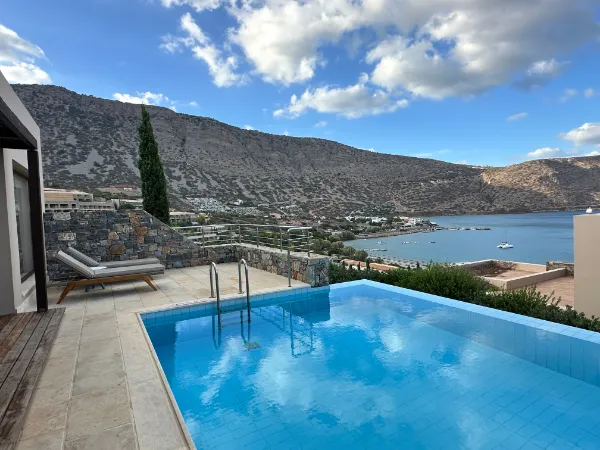
Crete is Greece's largest island, and that size is its strength. You can stay somewhere peaceful and still have mountains, gorges, villages and a serious food culture within reach.
Best for: longer stays, families with older children, travellers who like to explore by car.
Worth knowing: distances on Crete are real. Choose your base by what you want to do, not just by the hotel.

Milos: the island people keep recommending to each other
Milos is known for its coastline, with unusual rock formations and coves that are best reached by boat. It is smaller and less developed than Santorini or Mykonos.
Best for: couples, boat days, travellers who want a simpler, more natural island.
Worth knowing: the island has a smaller choice of top-tier hotels, so the best rooms go early.
Paros: polished but relaxed
Paros sits between the quiet islands and the famous ones. It has pretty villages, good restaurants and easy ferry links, without Mykonos-level crowds.
Best for: first-time island hoppers, friends travelling together, a base for day trips to Antiparos.
Where Santorini still fits
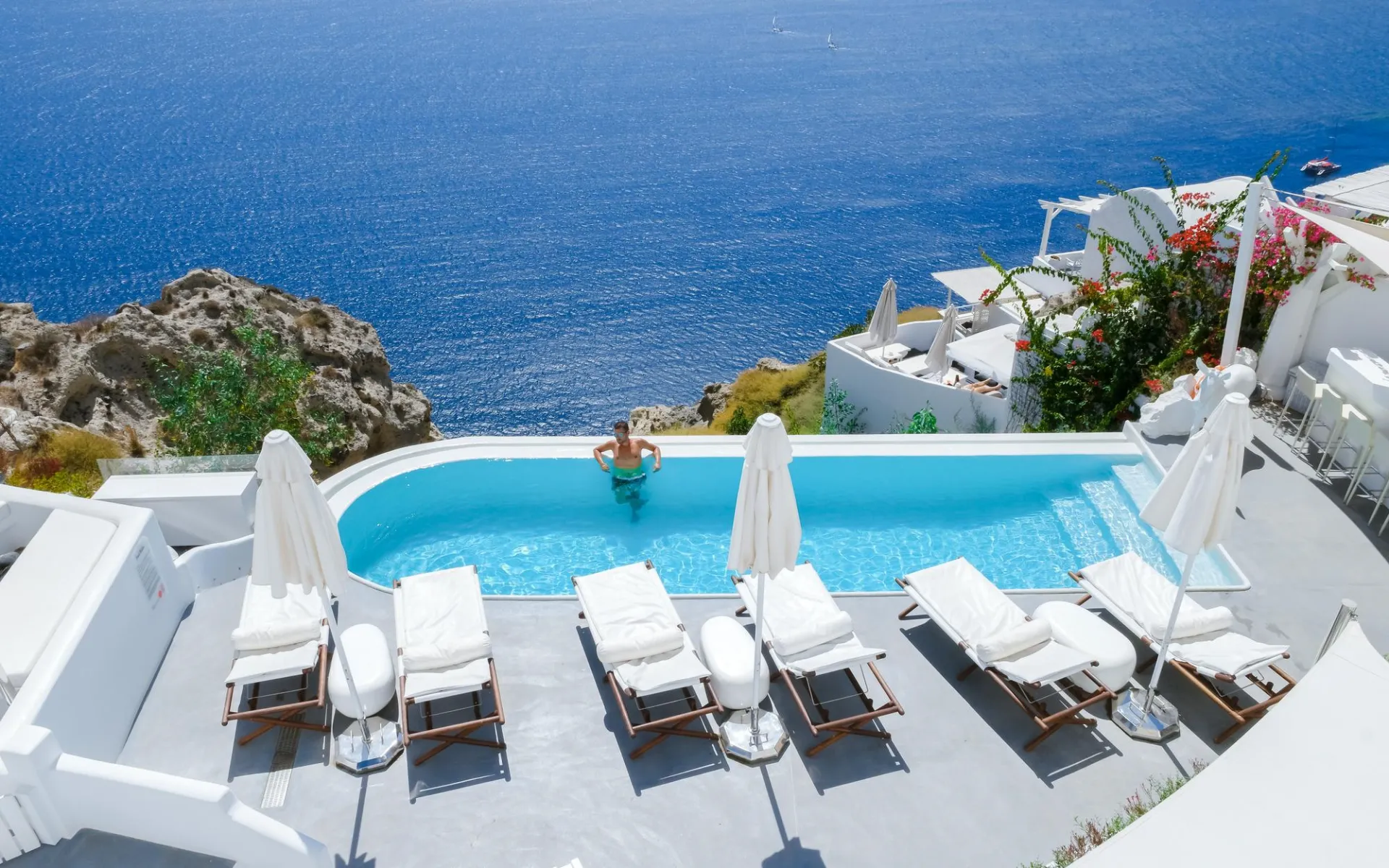
Santorini's caldera views are as striking as people say. We often suggest two or three nights there as part of a wider trip, rather than a full week, and avoiding the peak weeks of July and August when possible.
Our Santorini Ultimate Guide covers where to stay.

How to choose
If you want one base and no ferries, look at the Peloponnese.
If you want variety and space, look at Crete.
If you want a quieter island and boat days, look at Milos.
If you want an easy first island-hopping trip, combine Paros with Santorini or Naxos.
If you want total privacy, consider a yacht charter through the islands.

Choosing your corner of Greece
If you are deciding between islands, start with how you want the days to feel. The right island follows from that.
When is the best time to visit the quieter Greek islands?
Late May, June and September can offer a useful balance of open seasonal hotels and fewer crowds than July and August. Sea temperatures and hotel opening dates vary, so check the island and travel dates rather than assuming warm-water conditions in May.
Can we combine the Peloponnese with an island?
Yes. A common shape is Athens, then the Peloponnese, then one island, with a short flight or ferry in between.
Are these destinations suitable for families?
The Peloponnese and Crete usually suit families best, because of the space, resort facilities and shorter transfers.

Csilla Dali
Founder & Lead Travel Advisor
Itineraries to consider
Are You Planning Your Next Vacation?
Check out our top recommendations!