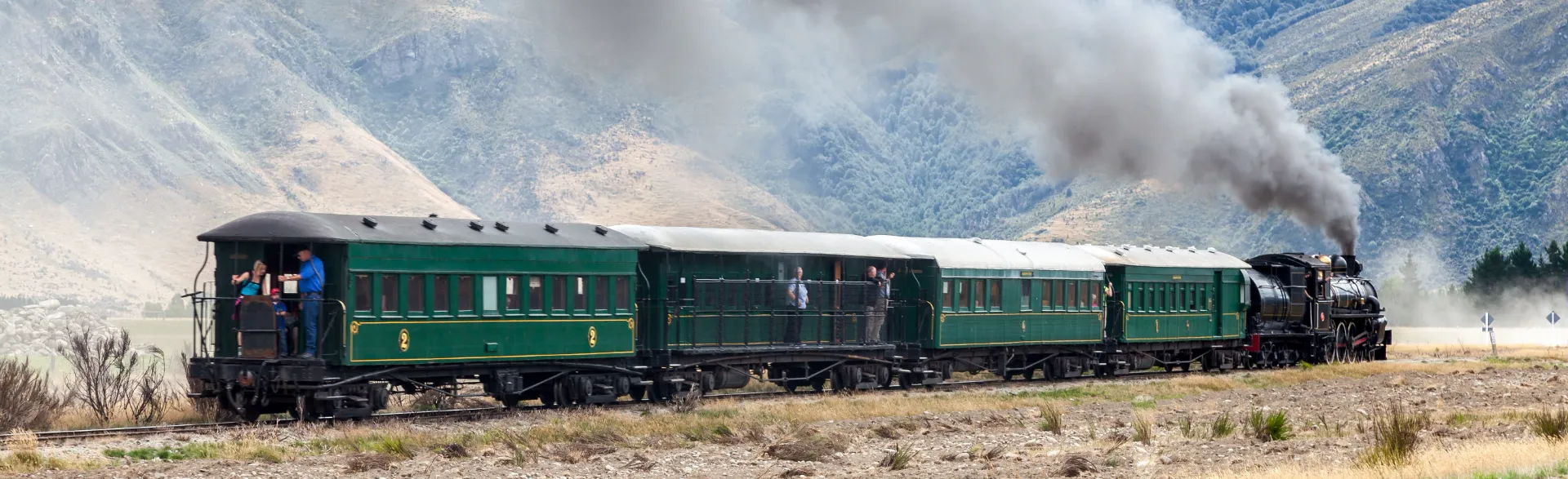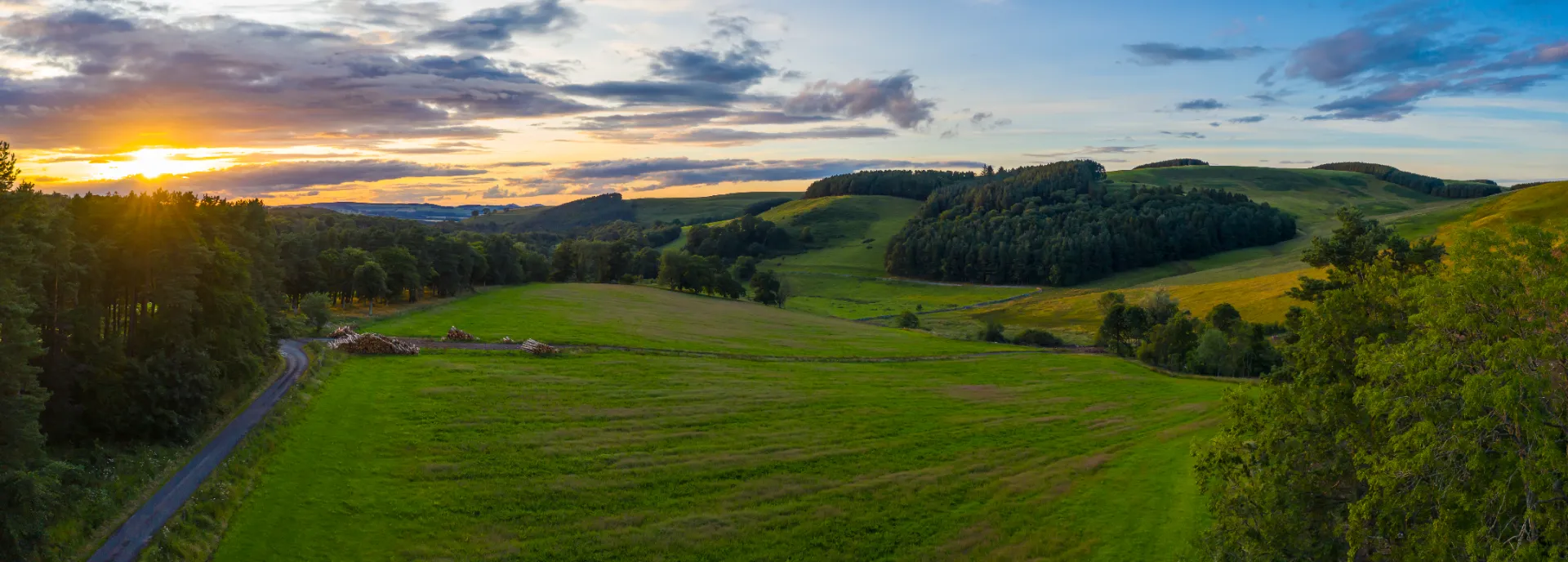
Royal Scotsman journeys share the same train and Edinburgh gateway, but they do not deliver the same version of Scotland. A two-night Highlands introduction, a four-night whisky departure and a seven-night circuit differ in geography, daily structure and the amount of vacation they occupy.
Counting nights is only the first filter. The better choice comes from matching the exact excursions, activity level, cabin commitment and land itinerary on either side of the train.
The short answer
Choose a two- or three-night Royal Scotsman journey when the train should be a concentrated chapter within a broader Scotland vacation. Choose four or five nights when you want more geographic depth or a theme such as whisky, gardens, estates, clans or islands to shape the trip. Choose seven nights when the train and its organized program should carry most of the Scotland itinerary.
Then compare the real days. The route name is only a label. A Highlands departure, a west-coast journey and a guest-chef program can use the same number of nights in very different ways.
Current Royal Scotsman journeys at a glance
The current official collection ranges from two to seven nights, round trip from Edinburgh Waverley. Availability changes, and not every journey operates on every date.
Current journey family | Examples on the current official collection | Best starting fit | Main tradeoff to examine |
|---|---|---|---|
Two nights | The Highlands; A Taste of Scotland with Tom Kitchin; A Taste of Scotland with Lorna McNee | First sleeper experience, short milestone or food-led departure | Limited time to settle into the train and a selective view of Scotland |
Three nights | The Highlands; Scotland: The West Coast; Wild Scotland on listed 2027 departures | A focused landscape or active route without giving most of the vacation to rail | Route differences are substantial despite the shared duration |
Four nights | The Highlands; Heritage Homes & Gardens; Scotch Malt Whisky Tour | More time in the Highlands or a clearly shared special interest | Cabin fit and enthusiasm for the theme matter for four consecutive nights |
Five nights | Clans, Castles & Isles; Scotland: The West and the Highlands | Wider geography, islands and historic content | More structured days and less independent Scotland time |
Seven nights | Grand Tour of Scotland; listed west-and-Highlands circuits | A rail-centered Scotland vacation with broad reach | The train takes a large share of the trip and requires confidence in the cabin and group rhythm |
Use this table to narrow the field, not to select a departure. Exact dates, stops, hosts, activities and timings should be checked again before booking. The current journey collection already carries a warning that engineering work can alter a displayed itinerary for a specific departure.

Two and three nights: choose concentration, not coverage
A two-night journey is enough to experience sleeping aboard, dining, the Observation Car and a compact excursion program. It is not enough to claim broad coverage of the Highlands. That limitation can be an advantage when Edinburgh and a private land itinerary already do most of the work.
The current two-night Highlands journey is designed around scenery, wildlife and outdoor activity. The two current A Taste of Scotland departures use the same length for guest-chef programs hosted by Tom Kitchin or Lorna McNee. A traveler drawn to food and a traveler drawn to outdoor time could therefore choose the same duration and still need different departures.
Three nights create a little more room, but the routes continue to diverge. The current Highlands journey highlights Tomatin Distillery, castles, villages and northern scenery. Scotland: The West Coast follows the West Highland Line and names Glenfinnan, Fort William and the Isle of Bute. Wild Scotland, listed for 2027, is built around skill-based outdoor activities with RVIVAL.
Choose two or three nights when:
the train is one highlight within a longer private Scotland trip;
the route contains one or two experiences that matter deeply;
one traveler is unsure about sleeping or dressing for several nights on a train;
Edinburgh and another Scottish region need protected time;
a shorter organized program suits the couple better than a week of shared activities.
Pause when the wish list includes several distant regions. A short train journey cannot replace a full Scotland itinerary. Trying to make it do so usually creates too many hotel changes or long drives before and after the rail segment.
Four and five nights: choose between depth and theme
Four nights are the point at which Royal Scotsman can carry a meaningful share of the vacation without automatically becoming the whole trip. The current collection offers three very different choices at this length.
The Highlands (four nights) is the broad classic option, currently naming Plockton, Kyle of Lochalsh, Boat of Garten and Dundee. Heritage Homes & Gardens focuses the program on estates, guided visits and garden interest. The Scotch Malt Whisky Tour travels with the Scotch Malt Whisky Society and is clearly designed around distilleries and whisky expertise.
These are not interchangeable departures. A gardens traveler may appreciate the classic route, but the specialist journey gives that interest more space. A whisky departure can be rewarding when both travelers care about the subject; it is a poor compromise when one companion would rather spend those days on landscape, art or outdoor experiences.
Five-night journeys widen the frame. Clans, Castles & Isles currently emphasizes battlegrounds, waterfalls, islands and Highland scenery. Scotland: The West and the Highlands names the Cairngorms, Culloden Battlefield and the Royal Yacht Britannia in its current highlights.
Choose four or five nights when:
Scotland is one of the main reasons for the vacation;
several included excursions earn their place;
the cabin works for repeated nights rather than a short novelty;
shared meals and organized days sound enjoyable;
the route replaces private touring that would otherwise require tiring transfers.
Compare what the train removes from the land itinerary. If it already supplies castles, estates and whisky, the private extension should add a different region or a slower kind of day.
Seven nights: let the train carry the trip
The seven-night Grand Tour of Scotland currently names Orkney, the Isle of Skye and Loch Lomond. That reach is materially different from adding two nights to a short Highlands introduction. It uses the train as the organizing structure for a large part of the vacation.
A week aboard may suit travelers who like unpacking once, shared dining and a planned excursion sequence. It can also simplify movement through regions that would otherwise involve multiple hotels, drivers or internal transfers.
The same duration can feel restrictive for someone who values spontaneous restaurants, private touring, long quiet mornings or hotel-size rooms. Seven nights also make the cabin category more consequential. A traveler who spends most waking time in the public cars may be comfortable in a Double or Twin Cabin. Someone who needs private space between group activities may use the additional room in a Grand Suite every day.
Choose seven nights only after reading the itinerary line by line. Broad reach is valuable when the named places match your priorities. It is less useful when the route spends time on regions that sit low on the wish list while a favorite island or city remains outside the program.

Use the excursions as the main selection filter
Scenery alone cannot separate the journeys. Most departures include memorable views, and supplier descriptions tend to make every landscape sound essential. The daily program gives a clearer answer.
Start by marking the two excursions each traveler would be genuinely disappointed to miss. Then mark any activity that creates doubt because of walking, uneven ground, weather exposure, alcohol focus or limited independent time.
Ask these questions for every shortlisted departure:
Which experiences are confirmed for this exact date rather than described at collection level?
How much time is spent off the train, and how much of that time is guided?
Which days involve steps, docks, estate paths or uneven outdoor terrain?
Are alternatives available when an included activity is unsuitable?
Does a themed departure interest both travelers for several days?
Which experiences duplicate hotels or private guides already planned?
Will the train pass an important landscape in daylight?
Does the program leave room to enjoy the Observation Car, cabin and meals without rushing?
This is also where special-interest journeys either become the clear choice or fall away. The Heritage Homes & Gardens departure earns its place through access and focus, not because it is four nights. The Scotch Malt Whisky Tour earns its place when whisky is a shared priority. Guest-chef departures work when the host and food program matter more than broad geographic reach.
Cabin comfort becomes more important with every added night
Royal Scotsman currently lists 18 sleeper cabins: five Double Cabins, nine Twin Cabins and four Grand Suites. The current accommodation pages describe Double and Twin Cabins at 7.9 square meters and Grand Suites at 14 square meters. All current categories are described with en-suite bathrooms.
The numbers help, but they do not answer the personal questions. Confirm bed type, bathroom layout, storage, cabin position and nighttime movement for the exact category.
Luggage is limited by cabin space. The current guidance recommends one suitcase and one carry-on per guest. Twin Cabin under-bed storage is also described with specific dimensions, and The Balmoral Hotel can store luggage during the journey when needed. This can be useful for travelers continuing to another climate or carrying a larger wardrobe for a longer vacation.
Evenings add another packing layer. Smart casual is appropriate for regular dinners. Formal and gala dinners call for more formal clothing under the current guidance. Day excursions may require waterproof layers and walking shoes. A seven-night route can therefore require more wardrobe planning than the cabin comfortably holds.
Wi-Fi is available only in the Observation Car and only for portions of the journey because many routes enter remote areas. Anyone who needs reliable work access should solve that before choosing a longer departure.
Build the Scotland itinerary around what the train does not cover
Every current Royal Scotsman journey is presented as a round trip from Edinburgh Waverley. That makes the gateway simple, but it does not eliminate arrival risk or the need for a considered land itinerary.
Protect the departure with a buffer after an international flight. Check-in currently involves depositing luggage at The Balmoral Hotel before boarding, so an Edinburgh stay can make the first day calmer. After the train, avoid an onward plan that depends on an exact railway arrival because published timings are approximate and subject to rail constraints.
Use the land portion for contrast:
After a short Highlands introduction, add a region the train did not reach and allow it several nights.
After the West Coast journey, decide whether an island stay adds depth or repeats scenery already seen quickly.
After Heritage Homes & Gardens, choose city culture, food or private time rather than another sequence of estates.
After the Scotch Malt Whisky Tour, avoid adding distillery visits simply because they are familiar Scotland activities.
After a seven-night grand tour, leave breathing room before another tightly scheduled program.
The surrounding hotels can break a tie between similar departures. A route may become more attractive because its date works with a desired Edinburgh stay, island hotel or private guide. Another may create rushed transfers or duplicate a region already secured.
Who should pause before choosing Royal Scotsman?
Pause if compact train cabins, group excursions or repeated social contact feel tiring rather than enjoyable. The same applies if independent restaurant choices and spontaneous touring are central to the way you travel.
A short departure may disappoint someone who needs time to settle into a new environment or expects broad Scotland coverage. A long departure may frustrate someone whose strongest interest lies in one region outside the route.
Reduced mobility requires departure-specific answers. Boarding, corridors and cabin position are only part of the picture. Coaches, gardens, distilleries, estates, docks and outdoor paths can create different demands. Ask for written guidance on the exact excursions and available alternatives.
Is two nights enough on Royal Scotsman?
It can be enough for a first sleeper experience, a guest-chef departure or a compact Highlands chapter. It is not broad coverage of Scotland. Travelers wanting several regions or more varied excursions should compare four- and five-night routes.
Which Royal Scotsman journey is best for scenery?
There is no single scenery winner. The Highlands routes, West Coast journey and longer circuits cover different landscapes and may pass them at different times of day. Compare the exact route, daylight sections and excursions for the departure date.
Which journey is best for whisky?
The current Scotch Malt Whisky Tour is the clearest specialist choice, while some Highlands journeys also include distillery content. Select the specialist route only when the theme suits both travelers and does not duplicate the rest of the trip.
Does a Grand Suite make a longer journey better?
It adds private space, which may matter more over five or seven nights. It does not change the route or excursion program. Travelers who spend most of the day in public cars and off the train may value the upgrade less than those who need private retreat.
Should private touring come before or after the train?
Either can work. Place it where flight timing, hotel availability and route contrast are strongest. The private days should add a region or interest the train does not already cover.
Choose the departure whose actual days suit both travelers, then let the rest of Scotland supply what the train leaves out. Duration matters, but fit lives in the details.
For help comparing departures and shaping the private journey around them, explore Evyssa's Rail Vacations.

Csilla Dali
Founder & Lead Travel Advisor
Itineraries to consider
Are You Planning Your Next Vacation?
Check out our top recommendations!