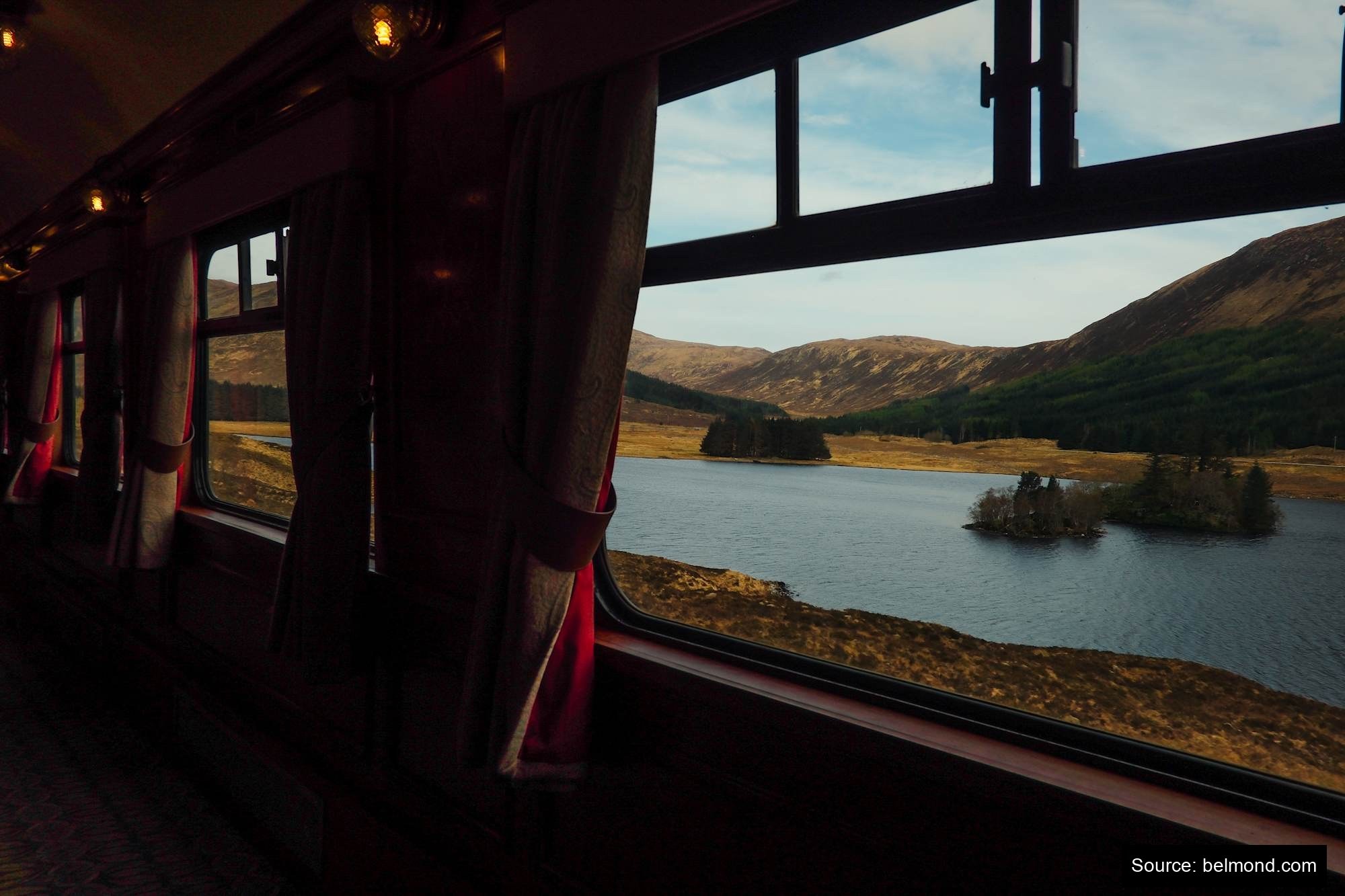
Packing for a luxury train has an unusual tension: you want to honor the dining car without carrying a wardrobe that overwhelms the cabin. The right answer comes from the train’s actual dress guidance, the season and what you will do away from the carriage.
Most luxury trains call for polished, comfortable clothing by day and a more elegant look at dinner. A few experiences are genuinely formal. Others recommend smart casual clothing, and panoramic day trains are usually planned more like scenic travel days than grand evenings aboard.
Check the exact train and departure before packing. Then build a small wardrobe for three settings: time in the carriage, dinner and off-train conditions.
There is no single luxury-train dress code
“Luxury rail” describes very different experiences. A restored European sleeper can make evening dress part of the theater. A multi-day Australian journey may move between dinner, desert heat and outdoor excursions. A Swiss panoramic train may be one daylight chapter between hotels.
Current official guidance shows the range:
Train or experience | Current published direction | What it means when packing |
|---|---|---|
Venice Simplon-Orient-Express | Smart daywear; jacket and tie or equivalent for lunch; formal attire for dinner; jeans are not accepted | Bring a true evening look, not simply dark travel clothes |
Royal Scotsman | Casual, comfortable clothing for daytime excursions; smart casual at dinner; some formal or gala evenings | Pack practical daywear, polished dinner separates and one formal option when the departure requires it |
Rovos Rail | Smart casual by day; evenings are more formal; themed evenings may be optional smart casual occasions | A jacket, refined dress or equivalent dinner outfit belongs in the plan |
Orient Express La Dolce Vita | Elegant clothing aboard and refined eveningwear are encouraged; casual, comfortable clothing for excursions | Think contemporary Italian polish, balanced with practical off-train layers |
Journey Beyond trains, including The Ghan | Smart casual is recommended; formal wear is not required | Neat, comfortable pieces work, but shoes and layers must also fit the excursion program |
Rocky Mountaineer | Daylight scenic rail with hotel nights | Dress for a polished travel day and climate changes; check hotel and surrounding-trip plans separately |
Glacier Express or Bernina Express | Panoramic day rail, not an overnight sleeper ritual | Prioritize neat comfort, layers, glare control and shoes suitable for stations and destinations |
The Venice Simplon-Orient-Express rule about jeans is the easiest detail to miss. A costly pair does not override a clearly published dress code. For every train, current departure information outranks a general luxury-rail packing list.
Pack for three scenes, not every possible occasion
A useful rail wardrobe starts with the day you will actually live.
1. The carriage by day
You may spend hours seated, walk through narrow corridors and move between dining and observation cars. Clothing should stay comfortable without looking like sleepwear.
Good foundations include:
tailored trousers or a fluid skirt;
a knit dress that does not crease easily;
a collared shirt, blouse or refined knit;
a lightweight jacket, cardigan or overshirt;
socks or hosiery that work with cabin temperature changes; and
closed-toe shoes with a stable sole.
Avoid rigid waistbands, delicate fabrics that catch easily and shoes that become painful after a long lunch. The most elegant daytime outfit is one you can forget about while watching the view.
2. Dinner
Let the operator’s wording decide how far to dress up.
For smart-casual dinners, tailored separates, an understated dress, a collared shirt with trousers, or a knit with a polished jacket can work. For a formal evening, plan a cocktail dress, dark suit and tie, tuxedo, kilt or another occasion-appropriate equivalent that respects the published guidance and your own identity.
The goal is not costume. It is to enter the atmosphere without feeling self-conscious.
One adaptable dinner base can often support two evenings. Change a scarf, jewelry, tie, pocket square or jacket rather than packing an entirely separate outfit for each meal.
3. Off the train
Excursions can matter as much as dinner. Stone paths, wet platforms, wind, desert heat, Highland rain or mountain sun require practical choices.
Pack for the real forecast and activity:
stable walking shoes with suitable grip;
a light waterproof layer;
sun protection;
a warmer mid-layer where temperatures may fall;
a small day bag; and
any culturally appropriate coverage required at a planned visit.
Formal shoes should not be expected to handle a country walk. Hiking shoes should not be forced into a strict dining car. Two well-chosen pairs are usually more useful than several compromised ones.

Build a compact rail capsule
The best capsule repeats pieces without looking repetitive. Choose a restrained color base, then add one or two elements with personality.
For a short overnight journey, a practical edit might include:
one comfortable polished travel outfit;
one dinner outfit that meets the exact code;
one jacket, cardigan or wrap that works in both settings;
one pair of stable daytime shoes;
one pair of compact dinner shoes, if the code calls for them;
sleepwear and a robe layer appropriate to the cabin arrangement; and
excursion gear required by weather or terrain.
For a longer journey, add washable or repeatable tops rather than a new complete outfit for every day. A blazer, dark trouser, fluid skirt or simple dress can move between gateway hotels and the train.
Test the capsule against the first 24 hours. Write out the sequence: boarding, lunch, an excursion, dinner, sleep and the next morning. Lay out one outfit for each moment, then look for pieces that can move between them. The jacket worn at boarding might finish a smart-casual dinner look. The knit used in a cool carriage can return on an evening platform.
The sequence also shows what must stay in the onboard bag. If dinner follows soon after departure, keep the evening outfit and shoes together instead of scattering them through the main case. Do the same for the first excursion when larger luggage will be stored away. The wardrobe only works if the clothes you need are within reach. If an item works for one uncertain occasion and nothing else, leave it out until the final program confirms that you will need it.
Travelers do not need to copy a vintage photograph or conform to a gendered packing template. “Equivalent” dress should carry the same level of care and occasion. A beautifully cut suit, evening jumpsuit, tailored separates or formal cultural dress may all answer the mood when the operator permits it.
Choose fabrics that survive sitting, movement and small spaces
Rail-friendly clothing should release wrinkles, breathe and recover after hours of sitting.
Useful qualities include:
soft structure rather than heavy stiffness;
enough stretch for stairs and long meals;
fabrics that can be spot-cleaned;
layers that pack flat; and
colors that combine easily.
Be cautious with long trailing hems, unstable high heels, heavily embellished garments and anything that needs a large dressing area. Narrow corridors and compact bathrooms reward control and simplicity.
Temperature can shift within a day. Sun through panoramic windows may feel warm, while air conditioning, evening platforms or altitude create a quick chill. A fine knit, wrap or unstructured jacket is more useful than a single bulky layer.
Shoes carry the hardest part of the plan
Shoes must handle moving carriages, station platforms and the evening standard.
For daytime, look for grip, support and a secure fit. A train can sway unexpectedly, so a stable sole matters even when no excursion is planned. Break shoes in before departure.
For dinner, pack the smallest option that genuinely works with the code. A polished loafer, low heel, dress flat or compact formal shoe may be easier to manage than something fragile or difficult on carriage joins.
If an itinerary includes serious walking, bring the proper footwear and change before dinner. Trying to make one shoe perform every job often produces discomfort in all three settings.
Cabin space should shape the suitcase
Luxury train cabins are often smaller than hotel rooms, even when they are beautifully made. Storage varies by train and category, and large luggage may be stored elsewhere or remain inaccessible during the rail portion.
Check the cabin measurements as carefully as the luggage allowance; both decide what can remain within easy reach.
A soft-sided bag can be easier to position than a rigid case, but follow the operator’s current dimensions and handling rules. Orient Express La Dolce Vita, for example, currently recommends one carry-on bag for the cabin and stores extra luggage separately. Journey Beyond advises that checked luggage is not accessible during the journey.
Keep an onboard bag with:
travel documents and valuables;
medication and essential toiletries;
sleepwear;
the next day’s underlayers;
dinner clothing and shoes;
weather protection for the first excursion; and
chargers that suit the cabin’s current outlets.
Use garment folders or lightweight packing cubes so the cabin does not become a sorting room. Prepare the first dinner outfit before boarding when possible. If staff store the large case, you should not need it again until the stated collection point.

Formal night without overpacking
A strict evening code does not require a different formal wardrobe for every dinner.
Choose one strong base outfit and plan small changes. Steam-resistant fabric, a compact garment bag and careful folding can protect the shape. Ask whether pressing or garment care is currently available rather than assuming.
For a formal sleeper, arrive ready to change efficiently. The bathroom may be compact, and a companion may need the same space. Lay out clothing before turndown, keep accessories together and avoid packing items that require complicated fastening or extensive preparation.
If formal dressing is not enjoyable, treat that as a travel-fit question rather than a packing failure. A smart-casual touring train or daylight scenic journey may feel more natural.
What not to pack
The easiest suitcase to manage is the one without anxious extras.
Usually leave behind:
multiple outfits for occasions not listed in the program;
new shoes that have not been worn;
clothing that violates an explicit code, even if it looks expensive;
large hard cases when the train recommends a small cabin bag;
delicate pieces that cannot tolerate sitting or compact storage;
valuables that will make you worry throughout the journey; and
bulky “just in case” layers that duplicate lighter combinations.
Do not confuse elegance with volume. A small, deliberate wardrobe looks more assured than a large suitcase opened across the cabin floor.
A final departure-specific check
Two weeks before travel, review the current operator information and the complete itinerary, not a saved packing article alone.
Confirm:
daytime, lunch and dinner wording for the exact train;
whether any gala, themed or special evening is scheduled;
luggage dimensions and when stored bags are accessible;
weather in every gateway and excursion location;
walking surfaces and planned activities;
cultural or venue-specific clothing requirements;
onboard laundry, pressing or garment-care options; and
any mobility needs connected with footwear or changing clothes.
If guidance is unclear, ask for written clarification. “Smart casual” can vary, but an operator can explain what is customary on that train.
Dress for the journey you are actually taking
The best rail wardrobe lets you sit comfortably by the window, step onto the platform prepared for the weather and enter dinner feeling like yourself. It respects the train without turning packing into a performance.
Evyssa can match the wardrobe plan to the operating train, cabin, season and wider itinerary. Explore Evyssa’s Rail Vacations, then tell us which rail journey and departure you are considering.
Do I need formal wear on a luxury train?
Only on trains or departures that ask for it. Venice Simplon-Orient-Express currently requires formal evening attire, while Journey Beyond recommends smart casual clothing and says formal wear is not required. Check the exact operator guidance.
Can I wear jeans on a luxury train?
It depends on the train. Current Venice Simplon-Orient-Express guidance says jeans are not accepted. Other rail experiences may be more relaxed, but clean, polished clothing is the safer starting point until the current rules are confirmed.
What does smart casual mean on a train?
Think neat, comfortable clothing with intentional fit: tailored trousers, a refined knit, blouse, collared shirt, simple dress or polished jacket. Avoid gym clothes, sleepwear and distressed pieces unless the operator explicitly describes a casual setting.
What shoes should I wear onboard?
Choose a secure, stable sole for daytime movement. Add a compact dinner shoe only if the evening code requires it. Pack proper walking footwear for excursions rather than asking formal shoes to handle uneven ground.
How many dinner outfits should I bring?
For a short journey, one adaptable dinner outfit may be enough. On longer trains, repeat a base and change small accessories or layers. Check how many formal or gala evenings are listed before deciding.
Is Rocky Mountaineer formal?
Rocky Mountaineer is a daylight scenic journey with hotel nights, so pack for comfortable, polished daytime travel and changing weather. Check the current operator information and any dress expectations at the hotels or events around the train.
What should go in my onboard bag?
Carry documents, medication, valuables, toiletries, sleepwear, dinner clothing, the next day’s essentials, excursion layers and chargers. Large luggage may be stored separately or remain inaccessible.
Can I wear cultural formal dress?
Often, an occasion-appropriate cultural outfit can meet a formal standard, but the operator should confirm any uncertainty. The aim is to match the level of ceremony while dressing in a way that is authentic and comfortable for you.

Csilla Dali
Founder & Lead Travel Advisor
Itineraries to consider
Are You Planning Your Next Vacation?
Check out our top recommendations!