The easiest way to misplan the Eastern & Oriental Express is to treat it as transportation to the next stop. Current core journeys leave Singapore, travel through Malaysia and return to Singapore. They form a self-contained chapter and do not provide onward rail service to Penang, Langkawi or Bangkok.
Once that geography is clear, the wider trip becomes much easier to shape. Singapore protects the beginning, the train supplies several active and social days, and the final stay can slow the pace or take one interest further.
The short answer
For most long-haul travelers, begin with two or three nights in Singapore, follow with a current three-night Eastern & Oriental Express journey, then add one well-chosen extension. Pick the rail route by its off-train experiences; both route families already carry the romance of the train.
After the train returns to Singapore, either deepen Malaysia with a longer stay in a place briefly introduced on the route or choose a contrasting chapter elsewhere in Southeast Asia. Avoid a tight onward flight, too many border crossings and a land itinerary that repeats the train's excursions.
Start with the route you are actually booking
The Eastern & Oriental Express name covers several current journey types. They do not all use the same stops, excursions or balance of nights.
The two core three-night route families are Essence of Malaysia and Wild Malaysia. Both are currently presented as round trips from Woodlands Station in Singapore. Essence of Malaysia emphasizes a mix of Penang, Langkawi and Perlis in its current published highlights. Wild Malaysia emphasizes Taman Negara and Penang.
Other departures change the theme or the shape:
Current example | What it changes | Planning consequence |
|---|---|---|
Essence of Malaysia | Three-night round trip with current published highlights in Penang, Langkawi and Perlis | A good base for travelers wanting a mix of culture and coastal landscapes |
Wild Malaysia | Three-night round trip with current emphasis on Taman Negara and Penang | Better for travelers whose priority is rainforest and conservation context |
Tastes of Tomorrow | Culinary departures currently tied to the Essence or Wild route family | Choose the underlying route first; the culinary host does not create a third geography |
Festive or New Year departures | Seasonal programs built around specific dates | The celebration may matter more than the standard route pattern; check the live itinerary |
Tiger Express | A current six-night package combining Singapore, two nights aboard and a Langkawi stay | Six nights does not mean six nights on the train |
These are current examples, not a permanent timetable. Journey names, dates, stops, excursions and inclusions need to be checked for the exact departure before the rest of the trip is locked.
Read the route page carefully. A place named in the highlights may be an excursion reached from the train rather than a place where the rail journey begins or ends. A package can also combine hotel nights, train nights and a separate resort stay under one duration. Those distinctions determine where your luggage goes, which transfers are required and whether a post-train stay truly continues the route.

Build around the fixed train date and Singapore
The rail departure is the least flexible part of the wider itinerary. Secure its exact date, journey and cabin first. Then place the international flights, Singapore stay and extension around the confirmed embarkation and return details.
For a core three-night journey, Singapore remains the practical hinge on both sides. This can make a round-trip international ticket to Singapore relatively simple, even if a separate regional flight is added later. A multi-city ticket may work better for a longer extension, but compare the complete sequence rather than one attractive airfare.
Do not let a short connection decide the trip. Work backward from the hotel collection time for Woodlands Station and forward from the expected return transfer. Keep a written version of both handoffs, then recheck them when final travel documents arrive. The published train times are estimates, so a plan that works only if every minute holds is too tight.
Singapore is both the arrival gateway and the rail gateway. Those two jobs should not be compressed into a single anxious night after a long flight.
Two or three nights before the train give travelers time to recover, enjoy the city and protect the embarkation. The first day can be light. The next can hold a private food, architecture or neighborhood experience without turning Singapore into a pre-train checklist.
Current core journey pages include transfers between a Singapore hotel and Woodlands Station, but that inclusion still belongs in the departure-specific check. Confirm the collection address, luggage plan and pickup time in writing.
The return deserves its own decision. Rail timings are approximate and border formalities can take time. If the next flight is important or difficult to replace, another Singapore night is usually a better use of the itinerary than a fragile same-day connection.
The route name does not change that basic sequence. Current core three-night journeys return to Woodlands, while a destination named in the highlights may be reached only for an excursion. Tiger Express is a separate package with hotel, train and Langkawi nights, so it needs to be planned from its own live itinerary rather than the core round-trip pattern.
Decide whether the extension should deepen or contrast
A train excursion gives a place a few hours. A private stay gives it mornings, unplanned meals and time to change direction. This is why a post-train visit to Penang or Langkawi can still make sense even when the selected journey touches that destination.
Choose depth when one stop on the route is already a major interest. After returning to Singapore, travel back separately and stay long enough to experience the place outside the rail timetable. The later stay requires a new flight or land arrangement from Singapore.
Choose contrast when the rail chapter already satisfies the Malaysia brief. A quiet island stay, a private cultural journey or a city with a very different rhythm can work well. The goal is to let the vacation breathe after shared meals, excursions and compact cabin living rather than collect another country.
Ask one useful question: what should feel different after the train? The answer may be privacy, slower mornings, beach time, deeper history or a hotel that is the destination.
Before repeating Penang or Langkawi, compare the exact excursion choices with what you want from a longer stay. A few guided hours can introduce a place without replacing a private day there. The repeat is worthwhile when it creates more freedom. It is less useful when the later stay simply recreates the same sights and activity level.
Three wider-trip shapes that work
Singapore, train and one quiet finale
Allow two or three nights in Singapore, three nights on the current core rail journey and four or five nights in one final destination. This is the cleanest structure for a trip of roughly nine to eleven nights on the ground.
It suits travelers who want one strong city, one sociable rail chapter and one slower stay. The main benefit is simplicity: fewer flights, fewer hotel changes and a clear change of pace.
Singapore, train and deeper Malaysia
Begin in Singapore, take the train, then return to Penang, Langkawi or another Malaysian destination for a private stay. The best choice depends on what the exact rail itinerary already covers.
This works when the train creates curiosity rather than completion. It also keeps the trip geographically coherent, although the separate post-train transportation still needs careful timing.
Singapore, train, culture and coast
For a longer Southeast Asia trip, add one private cultural stay and one restful coast or island stay after the train. Keep both substantial enough to justify the travel between them.
This structure needs restraint. Three nights in each place can become two transfer days and one useful day. Four or five nights usually protect the sense of a vacation, especially when another international border is involved.
These are planning shapes, not fixed packages. The final destination should follow the selected departure, seasonal conditions, available flights and how much movement feels comfortable after three nights of shared dining and excursions.
Count and protect every transfer day
A trip can look generous on paper and still feel hurried when several days are partly consumed by airports, border formalities, hotel changes and unpacking. Mark every travel day before judging the pace.
For each move after the train, count the full chain: Singapore hotel to airport, check-in time, flight, arrival formalities and the final drive or boat transfer. A short regional flight may still take most of a day once those pieces are added. This is why one substantial extension often feels more luxurious than two brief ones.
Also protect the first morning after the train. Even when a published schedule shows a morning return, the journey has its own social rhythm, excursions and border procedures. A late breakfast, spa appointment or unplanned afternoon is often a better bridge than another early departure.
If the vacation must include two post-train destinations, give each a different job. One may hold private cultural touring; the other may be intentionally quiet. The itinerary should explain why both moves earn their place.
A poorly protected handoff can undo the value of two otherwise excellent bookings.
Current Eastern & Oriental Express guidance says passengers clear Singapore-Malaysia border formalities during the journey. Travelers disembark with hand baggage, while main luggage is screened separately. Passport, visa and entry requirements depend on nationality and can change.
Keep travel documents, essential medication and valuables in hand luggage throughout every border check.
Build a written handoff plan for:
the international arrival into Singapore;
the hotel-to-Woodlands transfer;
documents and hand baggage at the border;
the return from Woodlands to the hotel;
the next flight or private transfer;
luggage that is needed during the train journey versus stored as through luggage.
The current luggage guidance allows one main item up to 30 kg plus hand luggage per passenger, but cabin storage is limited. Items packed as through luggage are normally inaccessible until the destination. The wider Southeast Asia wardrobe should therefore be divided before the train, not repacked on the platform.
Match the train's pace and practical limits
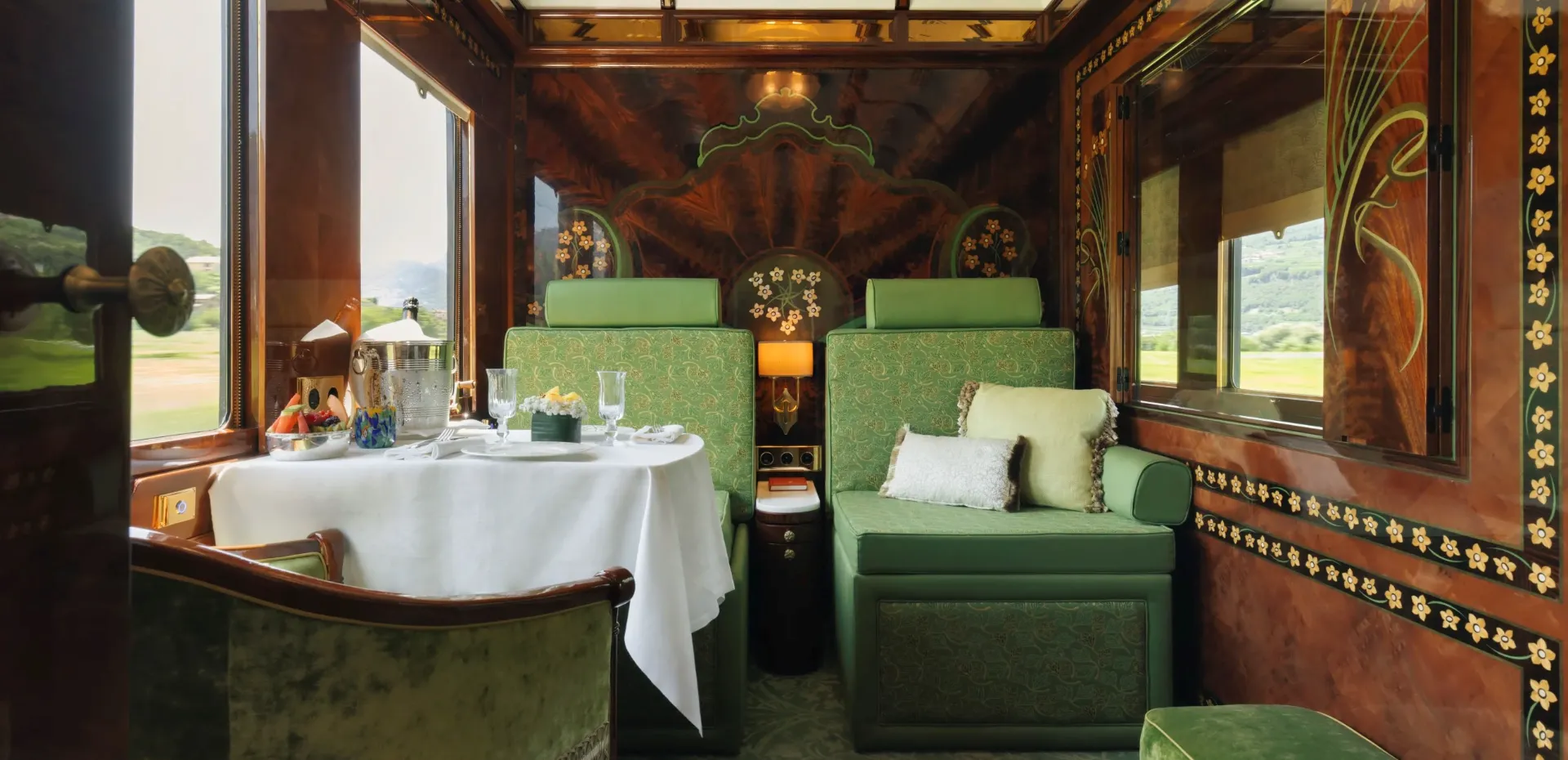
The Pullman Cabin uses upper and lower berths. State and Presidential categories currently use two floor-level single beds. All current categories have a private shower and toilet, but the rooms remain compact.
That matters beyond the train. A traveler who sleeps lightly, uses an upper berth or joins active tropical excursions may want a quiet hotel and an open morning afterward. Someone who enjoys the observation car, shared dining and a full activity program may prefer several private days before another group experience.
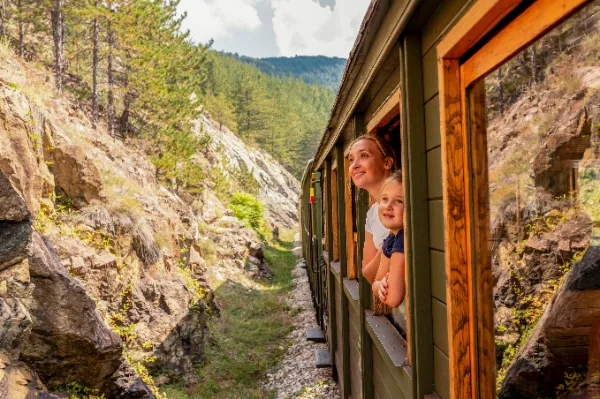
Read the off-train program with the same care as the cabin description. Check walking, heat, humidity, uneven ground and available alternatives. Then avoid scheduling a demanding land tour immediately after a rail journey that already contains active days.
Pause if the plan depends on using the current train as point-to-point transportation to Bangkok, Penang or Langkawi. The core three-night programs return to Singapore.
Pause if either traveler dislikes group excursions, repeated social contact or sleeping in a compact moving room. The public cars and shared rhythm are part of the experience.
Also pause when reduced mobility, a strict dietary need or a complicated passport situation has not been reviewed against the exact journey. General descriptions cannot prove that a specific cabin, border process or excursion will work for one traveler.
Does the Eastern & Oriental Express currently travel from Singapore to Bangkok?
Do not assume it does. Current core three-night journeys are round trips from Singapore into Malaysia, not point-to-point service to Bangkok, Penang or Langkawi. Check the exact live departure rather than relying on the train's historic route or a place name in the journey highlights.
How long should we stay in Singapore before the train?
One full buffer night is the practical minimum after an international flight. Two or three nights usually create a calmer arrival and give Singapore enough time to feel like a destination.
What is the difference between Essence of Malaysia and Wild Malaysia?
Essence currently emphasizes Penang, Langkawi and Perlis in its published highlights. Wild currently emphasizes Taman Negara and Penang. The exact excursion choices and activity levels still need departure-specific confirmation.
Should we add Penang or Langkawi if the train already visits?
Yes, when you want depth. A short excursion and a multi-night private stay serve different purposes. Avoid the repeat if a contrasting destination matters more.
Can we fly out on the day the train returns?
Do not decide from the published arrival time alone. Border formalities and approximate rail timing add uncertainty, while a Singapore night gives the itinerary more protection. Build any same-day connection only after the exact return plan is confirmed.
The Eastern & Oriental Express works best when it has a precise role. Let it introduce Malaysia, provide the social energy and carry the romance. Then use the rest of the trip to add time, privacy or a deeper sense of place.
For help choosing the route and building the wider journey around it, explore Evyssa's custom rail vacations.

Csilla Dali
Founder & Lead Travel Advisor
Itineraries to consider
Are You Planning Your Next Vacation?
Check out our top recommendations!