The postcard answer is winter for snow, summer for long days, or autumn for color. The useful answer is more personal: the right time depends on the exact train, the landscape you want to see, and what you plan to do before and after the rail journey.
A luxury train is rarely an isolated reservation. It may sit between several nights in Paris and Venice, an Australian outback stay, a Canadian Rockies road transfer, or a Swiss mountain itinerary. A beautiful rail date can still be the wrong date if the surrounding hotels are closed, the heat limits touring, or the route is not operating.
The short answer
For most travelers, the best time for a luxury train journey is the season that makes the whole trip work well. Choose the scenery and off-train experience first, then check the operating calendar, daylight, climate, gateway cities, and your tolerance for crowds or weather changes.
Spring and autumn often suit travelers who value milder city days and a quieter pace. Summer usually brings the broadest access and longest daylight in northern destinations. Winter can be exceptional for Swiss snow and festive European stays, but only on trains and routes that actually operate then. In Australia, southern Africa, Peru, and Southeast Asia, local weather patterns matter more than a Northern Hemisphere label.
Start with the train's operating season
Luxury rail calendars do not follow one global pattern. This is the first reason a universal “best month” is misleading.
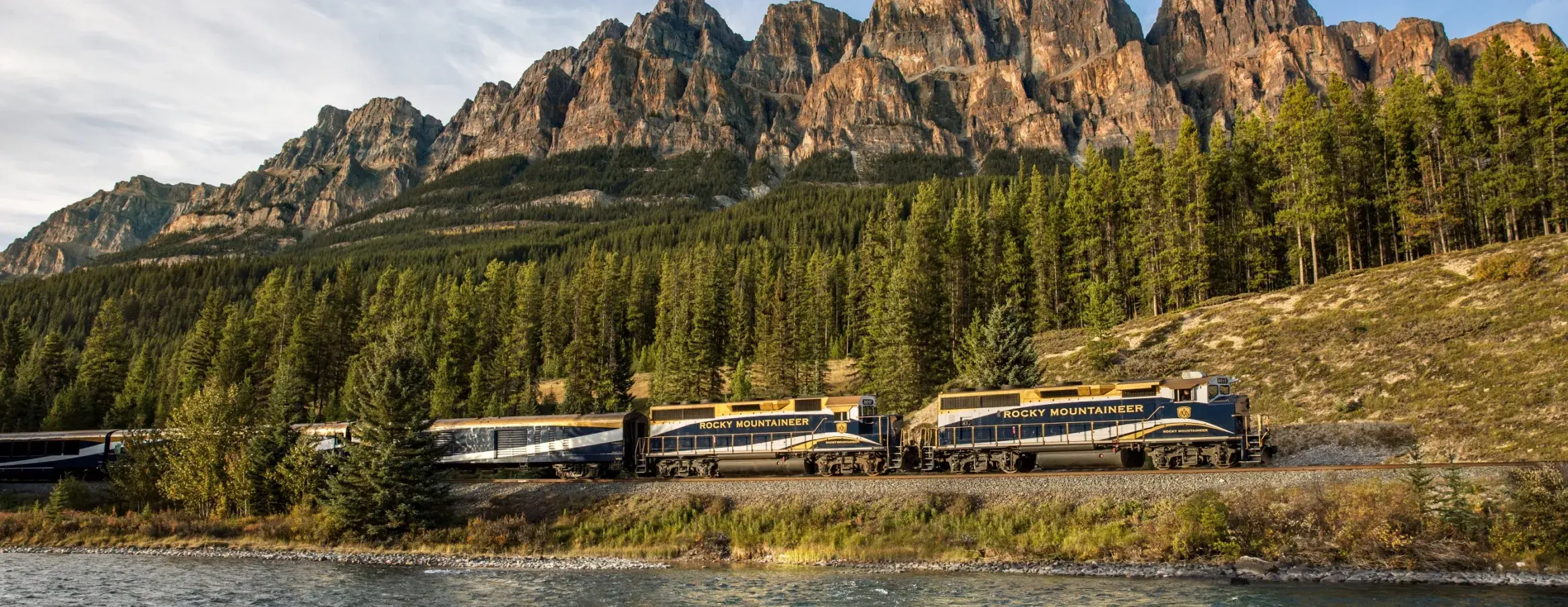
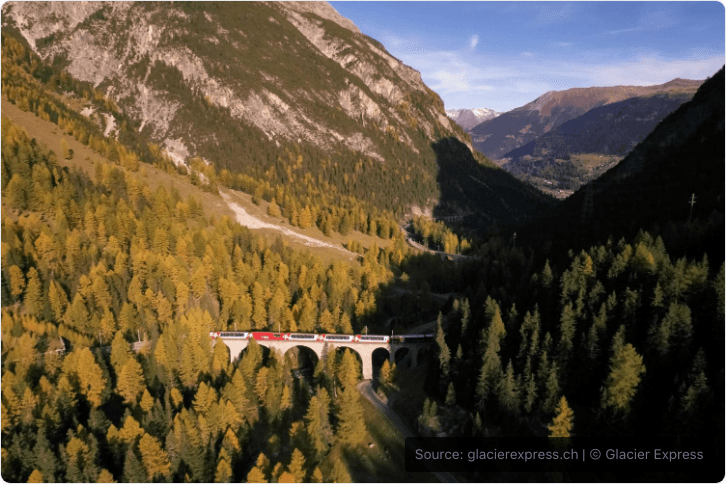
Rocky Mountaineer's published 2026 Canadian schedule runs from April into October, with the exact dates depending on the route. The Glacier Express has both winter and summer timetables, but its 2026 calendar includes an annual break from October 11 through December 4. The Ghan's 2026 timetable includes service from March into November, while its longer southbound Expedition operates in a narrower part of the year.
These are not interchangeable seasons. A traveler who wants a winter panorama in Switzerland is making a different decision from someone building an Australian outback journey or a daylight sightseeing trip through the Canadian Rockies.
Before comparing weather, confirm five basics:
Does the exact route operate in the month you are considering?
Is the departure offered in both directions, and does direction change the itinerary?
How many nights are on the train, and are hotel nights included or separate?
Are the off-train experiences available on that date?
Are the published times final, estimated, or still subject to seasonal revision?
Treat the operating calendar as a gate. If the right train is not running, better weather elsewhere cannot rescue the plan.

Spring: fresh landscapes with more variation
Spring can work beautifully when the wider trip includes European cities, gardens, lower-altitude touring, or the beginning of the Canadian rail season. Days are lengthening, and the busiest summer weeks have not yet arrived.
The tradeoff is variation. An April departure can meet lingering snow at elevation and mild weather in a gateway city on the same itinerary. Mountain roads, lake activities, and seasonal hotels may open on different schedules. A view that feels dramatic from the train may come with a less predictable day before or after it.
Spring is a strong fit if you:
enjoy changing landscapes rather than needing one guaranteed look;
can pack for a wider temperature range;
prefer museums, dining, and city walks to a schedule built entirely around outdoor activities;
have some flexibility around transfers or touring.
It may be a poor fit if your main goal depends on a particular lake cruise, high pass, hiking trail, or resort being fully open. Verify those pieces individually. “The train is running” does not mean the whole destination has entered its summer season.
Summer: long daylight and the widest choice around the train
Summer is often the easiest season for a complex northern itinerary. Longer daylight gives more time for scenery, while mountain towns, touring routes, and seasonal hotels are more likely to be operating together.
That ease has a cost. Popular gateway cities and national parks are busier. Hotel choice can tighten, and a rail date that looks available may still create compromises around it. Heat can also change the character of European city stays, especially when the trip includes several walking-heavy days before formal evenings on board.
Summer is usually the most practical choice when:
the rail journey is one part of a longer mountain or nature trip;
you want the broadest range of off-train activities;
school schedules or multigenerational travel limit the calendar;
daylight matters more than solitude.
The best summer plan is not automatically the hottest or busiest week. If your dates are flexible, compare early summer, peak summer, and late summer as three different trips. Look at hotel availability, transfer times, daylight, wildfire or heat considerations, and the pace you want after the train.
Autumn: color, cooler days, and a shorter runway
Autumn appeals to travelers who like cooler temperatures, harvest-season dining, and a less hurried atmosphere in cities and resorts. In the Canadian Rockies or European countryside, seasonal color can add depth to the view, though no exact week can guarantee peak foliage.
This is also a season of closing dates. Some rail programs continue well into autumn; others finish earlier. Mountain hotels, scenic roads, boat services, or guided activities may reduce their schedules before city hotels do. Daylight becomes shorter, which matters more on a sightseeing train than it does on a resort stay.
Autumn works well when you value atmosphere and can accept that the trip may be narrower than it would be in July. It becomes riskier when one late-season activity is the reason for traveling.
We would confirm the final rail departure, the last operating date of every important off-train element, and the amount of daylight on the scenic portion. Build a small buffer rather than connecting the train directly to an international flight or another fixed departure.
Winter: choose the right train before chasing snow
Winter rail travel can feel wonderfully focused. Snow changes the Alpine landscape, European cities take on a different rhythm, and the train itself becomes a warm place from which to watch the weather.
Yet many celebrated luxury trains are seasonal. Even a year-round name may have a planned maintenance break, fewer departures, or a different class offering in winter. The Glacier Express is a useful example: it operates on winter and summer timetables, but its official calendar includes a break between the autumn and winter seasons. A winter journey is possible, though not on every date a traveler might imagine.
Winter is strongest for travelers who:
specifically want snow rather than merely “fewer crowds”;
are comfortable with shorter daylight;
can leave room for weather-related changes;
plan city stays, spas, dining, or skiing that genuinely suit the season.
It is less suitable when every transfer must run on a tight clock. Snowfall can be the point of the trip and still complicate airports, roads, and luggage handling. Protect the journey with sensible arrival nights and avoid treating the train's departure day as the first day of the vacation.
Southern Hemisphere and tropical journeys need their own calendar
Seasonal advice becomes unreliable when it assumes that June means summer and January means winter. The Ghan crosses central Australia, where heat, the tropical north, and the desert interior shape the journey more than a European seasonal template. Its current timetable uses specific operating months and different patterns by direction.
The same principle applies in southern Africa, Peru, and Southeast Asia. Rainfall, altitude, wildlife patterns, road conditions, regional holidays, and the comfort of off-train excursions can matter more than the temperature shown for the departure city.
For these journeys, replace “Which season is best?” with four narrower questions:
What weather will we meet on the route itself?
What weather will we meet during the excursions?
Which direction and itinerary operate in that period?
What else do we want to do in the region?
A luxury train should support the destination. It should not force the rest of the trip into a month that works poorly for the experiences you care about most.
Let the surrounding trip break the tie
If two seasons both suit the train, compare the trip on either side. This is often where the answer becomes obvious.
For a Paris-to-Venice style journey, think about the cities as carefully as the carriage. Do you want long evenings and outdoor dining, or cooler walking weather and more time in museums? Would you rather spend several days in Venice before the train, or arrive after the rail journey and slow down there?
For a Canadian itinerary, the train may be only two daylight travel days, while the Rockies stay lasts a week. Hotel location, lake access, road transfers, and park touring should carry more weight than a single view from the carriage.
For Australia, the difference between northbound and southbound can alter the schedule and the sequence of off-train experiences. Choose the complete journey, then select the rail date that holds it together.
This is also where arrival buffers matter. One night before a major rail departure is often more valuable than squeezing in another city. Two nights may be wiser after a long international flight, especially when formal clothing, checked luggage, or a special occasion is involved.
A simple way to choose your month
Begin with priorities, then test the calendar. We use this order because it prevents a famous departure from dictating an awkward vacation.
Decision | What to define | What to verify |
|---|---|---|
Landscape | Snow, green valleys, fall color, desert, coast, or city views | Whether the chosen route shows that landscape in the month considered |
Comfort | Preferred temperature, daylight, and tolerance for rain or heat | Climate at the rail route and each off-train stop |
Access | Hiking, lake travel, wildlife, city touring, skiing, or cultural events | Seasonal openings, excursion dates, and local holidays |
Pace | Busy peak season or quieter shoulder season | Hotel demand, transfer pressure, and crowd levels |
Rail product | Route, direction, cabin, and number of train nights | Current operating dates and category availability |
Complete trip | Hotels, flights, transfers, and touring | Whether all pieces work together without rushed connections |
No single row should decide the trip alone. A quieter month is not better if the route is closed. Perfect rail weather is not enough if the gateway hotels or activities you want are unavailable.
Who should avoid a season-first decision
A season-first approach is a poor fit for travelers whose real priority is a specific cabin, milestone date, route, or event. If the Grand Suite, an anniversary, or a rare multi-night departure matters most, availability may choose the month for you.
It also works poorly for travelers who need step-free arrangements, strict dietary planning, or carefully timed medical support. Those requirements should be qualified against the exact train and departure before the scenery enters the discussion.
Families should check age rules, sleeping arrangements, and the adult tone of the train rather than assuming a school-holiday date makes the journey family-friendly. Travelers who dislike formal evenings, compact cabins, or shared spaces may prefer a different rail product even in an ideal season.
What is the best month for a luxury train journey?
There is no universal best month. Choose the exact route and the wider destination first, then compare operating dates, climate, daylight, and the activities around the train. May, September, or February can each be right for entirely different rail journeys.
Is summer always the best time for scenic train travel?
Summer often offers long daylight and broad access in northern destinations, but it may also bring more heat, crowds, and pressure on hotels. Winter is better for some Swiss snow journeys, while Australian and tropical routes follow different climate patterns.
Can I take a luxury train in winter?
Some trains operate in winter and others do not. The Glacier Express publishes winter service as well as a planned annual break. Check the exact route and date rather than relying on the train's general reputation or a photograph.
Is shoulder season better for a luxury rail vacation?
It can be, especially if you value cooler city days and a quieter pace. The tradeoff is that mountain hotels, excursions, roads, or rail departures may run on reduced schedules. Verify each important part of the trip.
How much does daylight matter?
It matters a great deal on a daytime scenic train because the view is a central part of the experience. Shorter days may also affect transfers and excursions. On a sleeper train, dining, service, and the cabin can carry more of the experience after dark.
Should weather decide the direction of travel?
Direction can change departure times, excursion order, gateway cities, and how much scenery falls in daylight. Compare the full itinerary in both directions. Do not assume the reverse journey is identical.
How early should I choose the season?
Begin when the train's next operating calendar is available if you want a scarce cabin, milestone date, or tightly connected trip. The planning stage can start earlier than the booking window, especially when flights and hotels need to align.
What should I recheck before paying a deposit?
Confirm the current route, direction, operating dates, cabin, number of train and hotel nights, excursions, transfer points, luggage rules, mobility support, payment schedule, and cancellation terms in writing.
The right season is the one that brings the rail journey and the rest of the vacation into the same rhythm. Start with the landscape, comfort, and pace you want. Then let the current operating calendar narrow the choice.
If you would like help comparing routes and seasons as one complete trip, explore Evyssa's custom rail vacations.

Csilla Dali
Founder & Lead Travel Advisor
Itineraries to consider
Are You Planning Your Next Vacation?
Check out our top recommendations!